1 free read left. Create a free account for unlimited reading + AI research.
Create free account
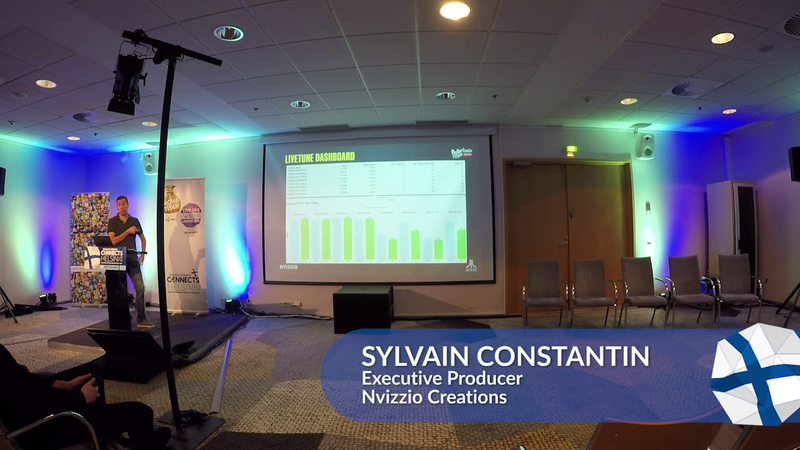
How Nvizzio increased day 30 retention by 50% with Unity's LiveTune
Key insights
6 takeaways- 01LiveTune enabled real-time adjustments to game settings, such as frame rate and memory management, without requiring full build updates, effectively closing the performance gap between Android and iOS.
- 02Nvizzio Creations achieved a 50% increase in day-30 retention for RollerCoaster Tycoon Touch on Android by using Unity’s LiveTune to optimize technical performance across fragmented devices.
- 03Long-term competitiveness in the free-to-play mobile market depends on the synergy between technical stability and a data-driven approach to monetization.
- 04The monetization strategy utilized competitive bidding between multiple ad networks to optimize eCPM while leveraging the inventory scale of Unity Ads.
- 05By shifting to a diversified ad strategy featuring user-initiated rewards, the studio increased daily revenue per user by a factor of three.
- 06Successful live operations require a dedicated team of one to ten staff members to manage continuous data analysis, performance iteration, and game stability.
Ask AI about this video
Transcript
[Music] experience as a developer using Unity engine were also unity products to optimize the performance of our game so after a very quick intro I'm gonna share how we've been using unity life tool to improve retention and unity ads to improve monetization so who am I so for those who don't know me I've been building games for more than twenty years a lot of different games on different platforms Mike really took an interesting turn ten years ago when I got the opportunity to to build and lead the the analytics team for four for Ubisoft that was really an eye-opener I really discovered the power of data and how we can use that to to get feedback
on games on player behavior I know we can feed that back in to improve the to improve the game so after that I switched back to game prediction and I decided to focus on on mobile free-to-play because I think that's the space where we can do that the most interesting way so I've been I've been building some some interesting mobile games like Scrabble Jurassic world but also recently a world of coaster tycoon touch with an visual creation so that's an independent developer base in in Montreal in Canada we are doing our own game also games for for clients most notably Atari we are ending the the entire roller coaster tycoon franchise now with them so we've been building games on mobile on PC on ps4 and recently on switch and that presentation is going to be focusing on what of coaster tycoon touch it's a game obviously built with Unity engine it was released 18 18 months ago
and we are getting an additional 1 million play up hormone so the game has a lot of traction but I'm gonna show exactly how it works so when we release we got an amazing response from the from the audience immediately at the game was a featured globally bye-bye Apple during the launch week it was the the most another DAP worldwide above snapchat Instagram Facebook that that was really amazing so that that set us on an interesting trajectory but it's not because you have a good start that you're going to be healthier in the long run of course it's a marathon so is this really working do you get enough retention you get a good monetization the answer is always no you can always do better and that's that's true in our case so I'm gonna share my very personal view on other the business works in the end it's it's all about revenue right
but to get that you need to have an LTV that allows you to to buy to acquire new users at scale so you need to improve to optimize on your long-term value per player and basically that's the combination of retention and end any monetization that's very simple and I'm gonna show how we've been able to work within each product to improve both retention and daily monetization to increase our LTV and be able to to scale or user acquisition efforts so I'm going to start with live tune so it's going to be maybe a little redundant with what Justin brilliantly presented a few minutes ago but we did not coordinate it so that's going to be a my my my testimony on that so the game the game has been released 18 months ago and and over the last 18 months we've been able to grow the game in terms of scope
adding more assets adding more game modes into the game and as you can see there on the on that slide the the playtime has been increasing all the time so that's good but the question is is it a good time for four players we are allowing them to do more but it needs to be to be working well for them and the reality of the market is that the market is really fragmented it's true on iOS already that so that's an old snapshot but you can see that we pretty much all iOS devices are played by some of our players on Android it's even it's it's it's very difficult to see because there are thousands of different devices and of course those devices are more or less recent and don't have the same specs so the the the quality of game player can really vary depending on the on the devices on that slide you can see that depending on the
devices so that's Android you can see do you want the 70 14 the 30 and you can see that there is a drop that goes with the how hold the devices are and with the with the specs so in order to be healthy and be able to buy more user you need to be to be to be there if your device is out there probably is going to be more difficult because your user gonna churn and and soon enough and won't be able to maximize the LGV potential from from the game so we knew that right from the start we measured it and that that was true the DL TV was based on was strongly correlated to retention and it was difficult to maximize the TV on be a big big percentage of audience especially on Android so we build our own custom solution with our engineers that we started to measure frame rate crashes
and retention and and based on on those findings who I bought you to customize the settings a little bit but that was that was very slow because we add to to change the build so maybe with each monthly a major update of the game we were able to to improve the situation but that was not really super effective and also we that's not our job our goal is really to focus on the game itself we don't want to be to build sophisticated tools so that that's where we we got those interesting discussions with unity starting to develop the entire solution and of course that was really really interesting for for me to work with them on that so so what's really important with unity life to knit that it's it's it's it's it's online the settings are online so you can really after you've done your your configuration of the system you are able to tweak it in real
time you can do changes any day and get results immediately from your from your own test or from the live from the live players as well so that's really allows to iterate a lot a lot a lot faster and goes a lot further in terms of of experiments so so that's a snapshot of the configuration of life tuned for us in in iOS it it's a long longer than that I'm just showing a few few parameters there for which we are able to to change the configuration for four different families of devices what's interesting there is that you can see that there is no single column that is exactly the same types of settings so it's not because you have a knife on a torn iPhone 6 that you know that all the different parameters will be able to configure exactly the same way no that's not true life tune is a great tool but
it doesn't it doesn't do anything by itself you have to know your devices you have to know your game you have to know what kind of parameters is going to be working well with the device with one gig or two gigs memory or with specific types of processor or GPU but at least it's online and you can really do changes on the fly and get a feedback immediately so so that that's really really efficient for us and then so you can see the on the on the on unities life tuned dashboard you can see how many players are playing an upset on each family of off settings and you can see so you can see if you have bad performance on some devices for instance is it a big part of the market no so that that's fine and and the good the good and the good performance is really for most of the market so that's fine then you can see we read that from the
biggest chunk of the market we have an excellent frame right now and we are still struggling on on some older devices but that's fine because it's only a few percentage of the market so the results aggregated on a simple chart you can see that we got a huge jump in in frame rate but it's not just all about frame rate it's also preventing the game from crashing for instance when the device is getting out of memory and as you can see it's mostly on Android because the market is is so big and we have a lot of users playing on Android in many different countries sometimes on very old devices it was barely playable and and because of all the work we've done with life tuned and and with our own engineers to to to to better understand the impact of each part of the game in terms of performance we've been able to really
fix that and bring Android retention almost on par with iOS which for us is really a tremendous achievement so there you can see [Music] the concrete's impact amounts after we released the update that was using life tune you see that d30 retention on Android has jumped immediately from from four to six and we've been able to continue to iterate and improve that further after that so that's that that was really really a good for us because some users never play most players never play never never pay sorry 95% of players don't don't pay but for those who pay some are paying immediately on the first session if you have a good day one offer for instance you're gonna get some interesting monetization from those players but of course it's all about repeat purchase and you need to keep your players engaged for the long run so
that's where the 30 is really interesting because if players understand that they have a good reason to buy something in your game after after two weeks after one month after six months playing the game they need to be there so the the performance has to be good so that the they are still happy and comfortable playing playing your game so that's it for for life tune no I'm going to be talking a little bit about monetization I won't talk about in-app purchase and just focusing on on ads today but as as as Slava showed a few minutes ago with in-app purchase promo there are a lot of things that can be done to improve the money situation from in approaches as well so ads so in the case of all of course attack win touch the game is a builder with a strong gotcha component focusing on cards the game is about getting cards from different realities improving the level
upgrading them to improve their stats players really engage they understand the system then get very very strongly with it every day so of course when we when we decided to to to to create ads it was very clear that it would have to be used or triggered because we don't want to force interstitials or banner in the in the face of our users we want it to be something they want to do so so we have this this little widget on the main screen there every four hour they have an ability to to to to watch an ad to get something and it was very very natural for us to to create our first placement to give them an extra cut back so that has been working extremely well and after that we decided to go further we decided to not show them more ads to give them the same type of contents because we we knew that we would get declining return on that kind of of
practice but instead we try to do to to to add more placements delivering other types of content so basically it's very simple we are we are giving the option to watch an ad for each type of resource in the game so soft currency our currency a special currency and as you can see there recently we added a new placement and it's over a few days as long as a player were updating to the new version of the game it took roughly the same the same share as the as the other types of ad placement there is only one ad placement there that is in yellow it's really hardcore because it's tight with very specific game mode in the game so it it's not really used a lot but for the the other four ones they are all working as intended and there is a very high percentage of the player that are engaging with the system the
rhythm so that's all good because with more ad placement as you can see each time we have been adding an ad placement there has been a clear jump in ad monetization so roughly between half a cent and one cent per ad on average but I want to draw your attention there on when we added the cell placement we got this huge jump for a very limited time it was almost as I as where we are right now with only three ad placements why that it's because we benefited from special deals so not all ads not all ad impressions are paying the same it's really a question of eCPM and and and there we we got this really nice surprise but it was short-lived so after we we we experience that we try to work out there so so that's why I'm
I'm talking about the relationship we have with unity ads and with other ad network partners it's all about finding the right balance between eCPM so how much the ad is paying per impression and the other availability not all ad networks have the same inventory and there is an inventory for each for for each bracket of off payment so as you can see here it's a batter all the different partners we have in the game are competing to deliver the best eCPM sometimes it's different most of the time in our case it's unity but really what's really interesting is it's that ad availability from unity ad inventory is really by far superior to the one we on from the from the other ad networks
which allows us to really focus on on eCPM with them and guarantee the highest revenue for game so by combining all the progress we made on on retention on the game since since the release with life - notably and also all the the improvement we made with ads but also with with our own internal system of promotion for in-app we've been able to to him to improve the daily revenue for the EU by a factor of 3 since the beginning so it was already not bad at the beginning and now we are like super happy with the level of performance we have and that that translates into a much stronger LTV of course which allows us to - to scale or user acquisition efforts so so the game is in a really healthy stage right now we are working very hard with our user agencies - - - to develop a
strategy - to acquire a player and right now we are acquiring about a million player every month so I think that game is really an interesting trajectory for the next 2 3 5 years so are we done with optimization no of course not it's it's it's never the end for retention for for performance for loading times for pushing the right promotion in front of your players everything can be optimized all the time and we need that because it's also important to combat the fact that there are other games coming on the market so you really want to stay competitive and really be a among the best so it's it's a batter that's that's not going to be won easily so that's it for my little presentation thank you very much great
well thank you very much does anyone have any questions so I will leave here in otherwise you know your your chance so I just think it's worth exploring a bit further because I think there's some some really cool stuff that you guys are covering off I mean I think you know this combination you've got between the obvious tools that you're using and I particularly that you're showing the comparison of how you're using multiple networks not just the one how how easy is it for you to be able to learn the lessons that you've learned from the unity team and apply it across all the networks you work with the thing is the more the more partners you are you are you are you are using and the more the more tools you are using the more work it takes and it's really important to understand that in order to be competitive you really have to build up your team and it's really important to to to to factor that in when you are preparing your budget especially for
live ups because when you are developing the game before it's live you can really focus on the core dev team then when you get live and you need to really optimize on all those aspect of the game either you are the publisher of the game or other develop program so that's really a discussion to have with the publisher of the game but it's really a dedicated team that's going to be running the live ups and optimizing the game and so we are talking anywhere between one to ten people on top of the dev team to be able to have really the right bandwidth to optimize or read the data and work with the dev team to optimize everything massively important lesson for people in fact there's a session later on live ops in more detail but and I think that's the thing is successful games are only the start absolutely the work that you guys are obviously doing to make sure you're optimizing you know it's a probably as much effort I imagine as making the game in the first place to certain extent yeah absolutely and when the game is
live everything is big it's becoming more difficult because you you want to continue create new content of course because you're your audience wants to have always access to something new but at the same time it's more difficult because your game is live don't want to break it so development is is lower it's more difficult and at the same time you have all those new things to look at and to work against so yeah no bigger team I have a very painful memories of doing things that broke games plenty of years of running services you you it's so always make sure you can roll back just just as just a lesson to learn from we had a problem with the PlayStation Holmes back in the day we hadn't worked out how to roll back the system and that was painful painful so on that note thank you very much thank you [Applause]
you
Summary
The mobile game developer Nvizzio Creations, led by executive producer Sylvain Constantin, utilized Unity’s LiveTune and Unity Ads to significantly optimize the performance, retention, and monetization of the title RollerCoaster Tycoon Touch. The primary thesis of this analysis is that long-term success in the competitive free-to-play mobile market requires a continuous, data-driven approach to live operations, specifically focusing on balancing technical performance across fragmented device ecosystems with strategic ad placement to maximize lifetime value (LTV).
The study highlights that technical performance is a critical driver of retention. By implementing LiveTune, the development team was able to adjust game settings in real-time for various device specifications without requiring full build updates. This capability allowed the team to address frame rate issues and memory-related crashes, particularly on older Android devices. Consequently, the game achieved a 50% increase in day-30 retention on Android, bringing performance metrics nearly on par with iOS.
Regarding monetization, the developer shifted from a reliance on in-app purchases to a diversified ad strategy. By introducing multiple, user-initiated ad placements—such as rewards for resources—the studio successfully increased daily revenue per user by a factor of three. The strategy involved competing multiple ad networks against one another to optimize eCPM while leveraging the superior inventory availability of Unity Ads.
The findings emphasize that post-launch optimization is a resource-intensive marathon rather than a sprint. Maintaining a successful live game requires a dedicated live-ops team—ranging from one to ten additional staff members—to manage data analysis, iterate on performance, and ensure stability. Ultimately, the ability to scale user acquisition depends on the successful synergy between technical stability and optimized monetization, ensuring the game remains competitive in a saturated market.