Finland reports and market data
Documents
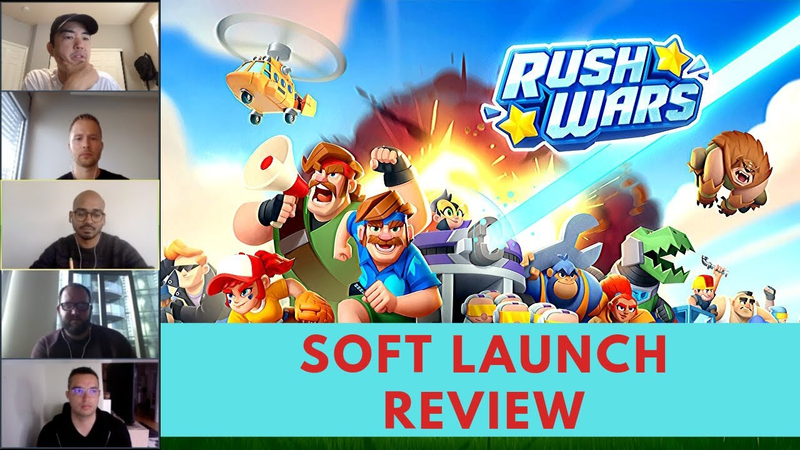
Supercell's Rush Wars | Soft Launch Review
Supercell’s Rush Wars represents a strategic attempt to bridge the gap between mid-core mobile titles and hyper-casual accessibility.
- Rush Wars struggles with long-term retention due to a lack of strategic depth, leading industry analysts to assign the title a modest score of 5 to 7 out of 10.
- The game’s monetization model is underperforming, characterized by an ineffective pre-roll gacha system and a notable lack of robust gold sinks.
- Soft launch performance metrics show lower install volumes and weaker revenue per download for Rush Wars compared to previous Supercell titles like Brawl Stars.

AskGM #4: Psyon Games - How to create an anti-viral game! Psyon is making vaccine awareness games
Psyon Games is pioneering a novel approach to pharmaceutical marketing by utilizing interactive mobile gaming to drive vaccine awareness and public health education.
- Psyon Games utilizes the tower defense genre to gamify complex biological processes, aiming to replace traditional pharmaceutical marketing with interactive experiences that improve knowledge retention.
- The studio validates the commercial viability of health-focused gaming by using Facebook ad campaigns to track performance metrics like cost-per-install and click-through rates.
- To measure the effectiveness of educational content, the company uses proxy metrics such as email sign-ups and collaborates with government health institutes to assess shifts in player attitudes.
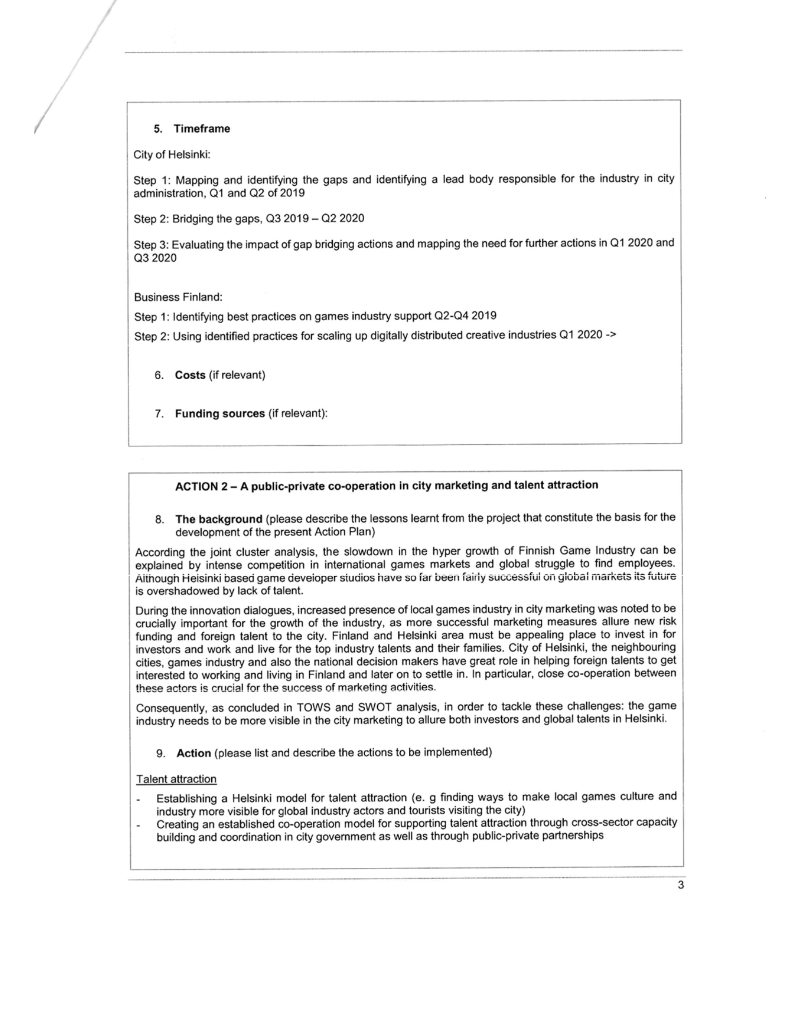
Action Plan to Strengthen Game Industry in Helsinki
The Action Plan to Strengthen the Game Industry in Helsinki serves as a strategic framework to foster a sustainable and competitive gaming ecosystem within the Helsinki-Uusimaa region.
- Helsinki serves as the primary hub for the Finnish game industry, hosting over 100 of the nation's 250 total game studios.
- The 2019–2020 action plan aims to transition the regional ecosystem from a phase of hyper-growth to a more sustainable, mature competitive model.
- The strategy addresses industry-wide talent shortages by leveraging public-private partnerships to attract global professionals and their families to the region.
Wappier on using dynamic pricing in mobile games to increase retention
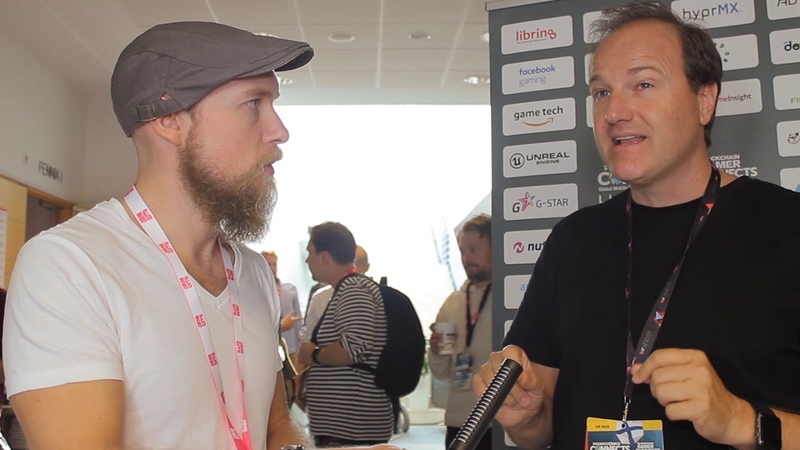
The mobile gaming industry is undergoing a significant shift toward automated revenue optimization, moving away from manual LiveOps management toward machine learning-driven personalization.
- Automated machine learning-driven personalization can increase mobile game revenue by 30% to 50% without requiring expanded analyst teams.
- Dynamic pricing and automated loyalty programs shift the industry focus from heavy user acquisition spending toward the monetization and retention of existing players.
- Machine learning models calculate individual price elasticity and churn propensity to determine the 'next best action' for each player in real-time.
Game Industry Policy Recommendations for 2019‑2024: Finland
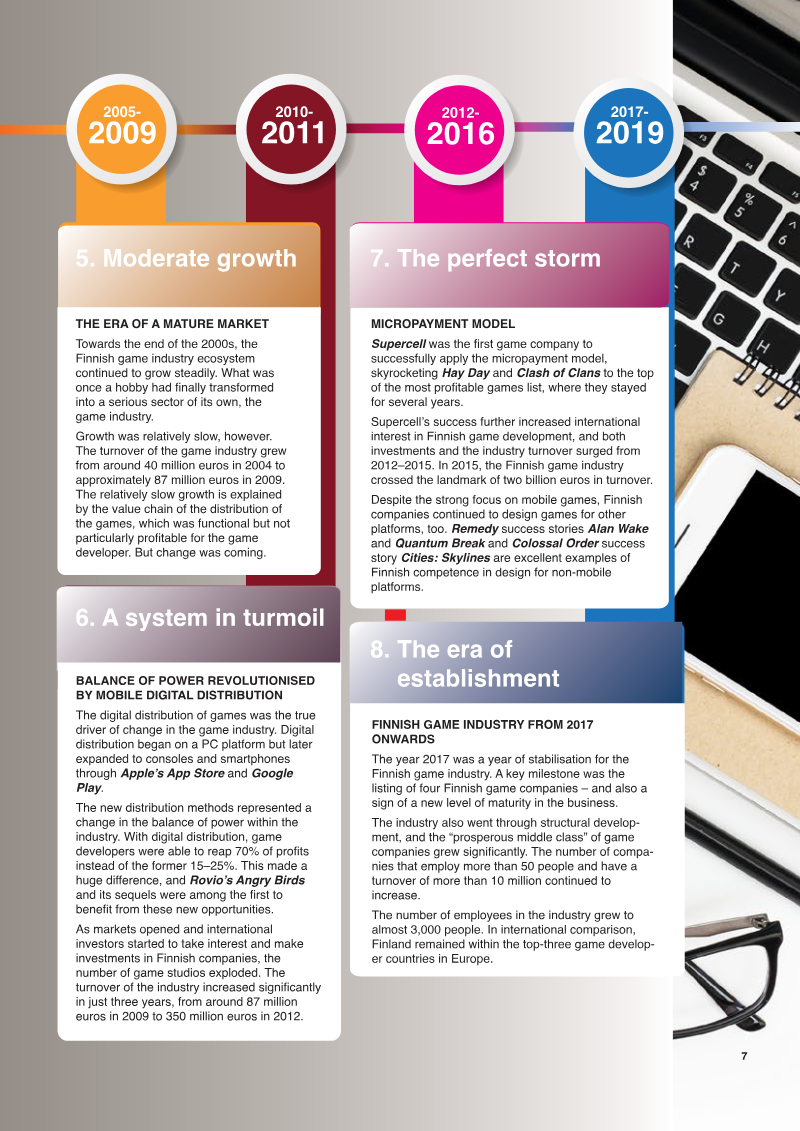
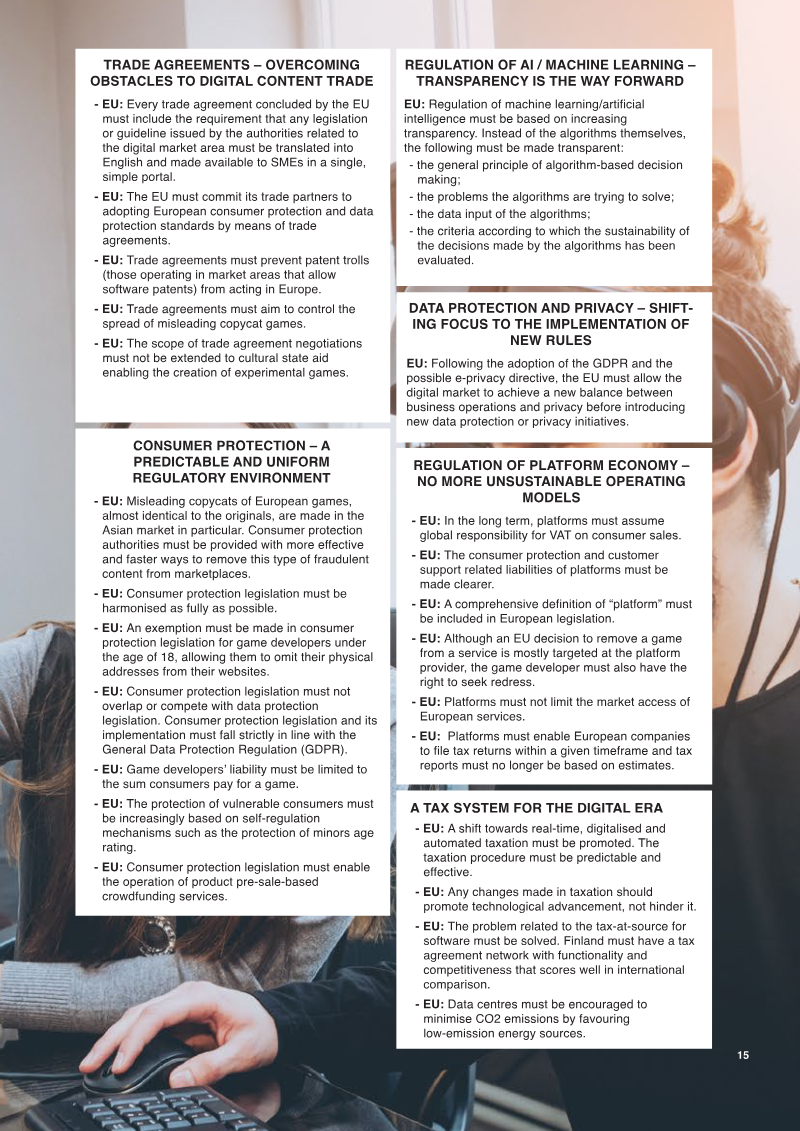
The Finnish game industry stands as a cornerstone of the national economy, generating over 2 billion euros in annual turnover with a remarkable 98 percent export rate.
- The Finnish game industry is a significant success story, with almost 3,000 employees and a growing number of companies employing over 50 people with turnovers exceeding 10 million euros by 2017.
- Finland has a high rate of game players, with over half of Finns and nearly a third of the global population actively playing games. The average age of a Finnish player is 38 years old.
- The shift to digital distribution revolutionized the game industry, allowing developers to retain 70% of profits, a significant increase from the previous 15-25%. Rovio's Angry Birds was an early beneficiary of this change.
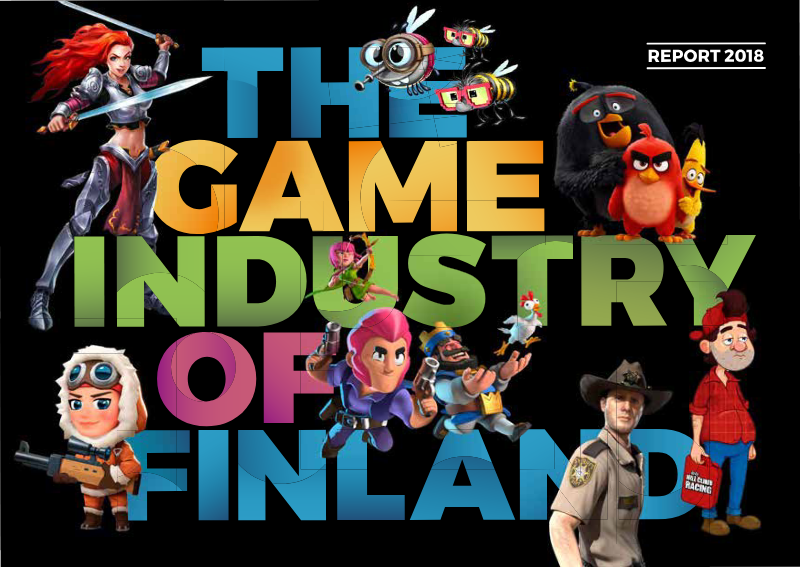
Finnish Game Industry Report 2018
The Finnish game industry has matured into a stable, two-billion-euro sector characterized by professionalization and a strategic shift toward long-term sustainability.
- The Finnish game industry has a strong history of significant international investments and acquisitions, including Softbank acquiring 51% of Supercell (2012-2014) and Tencent acquiring 80% of Supercell (2016), alongside numerous game studio acquisitions.
- Helsinki is a global leader in mobile game development, hosting over 80 companies, 1,600 employees (28% non-Finnish), and generating a 2018 turnover of 1.7 billion EUR, with 98.4% from exports.
- Finnish developers are rapidly adopting Nintendo (Switch) as a target platform, with its popularity growing from 4% in 2016 to 20% in 2018; chat games also emerged as a new focus (5% in 2018).
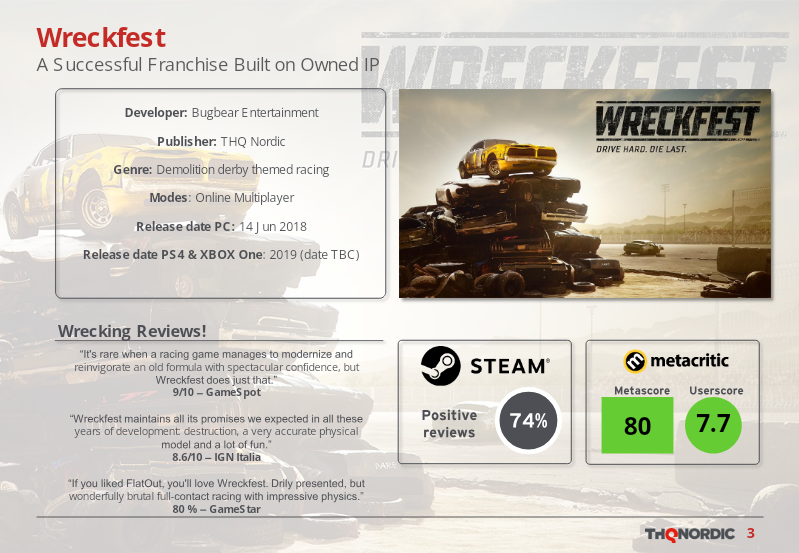

THQ Nordic AB Acquires Bugbear Entertainment: Investor Presentation
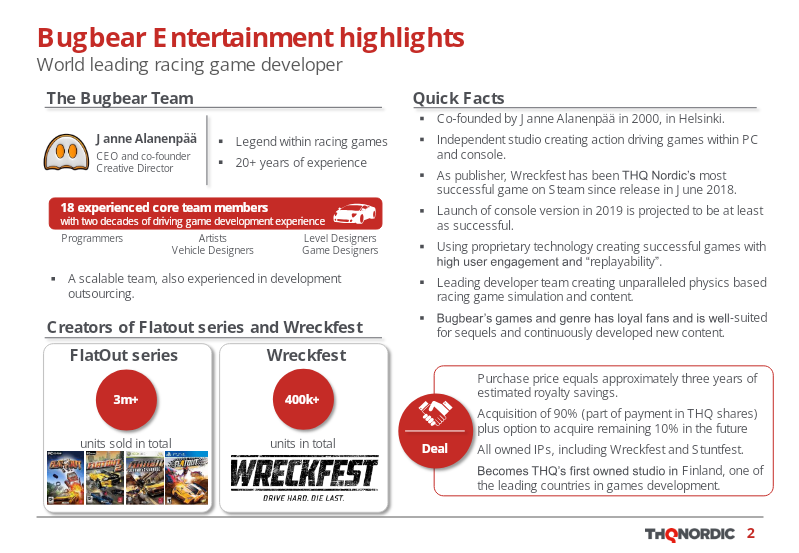
THQ Nordic AB expanded its global development footprint in November 2018 by acquiring a 90% stake in Helsinki-based Bugbear Entertainment, with an option to purchase the remaining 10% in the future.
- THQ Nordic acquired a 90% stake in Helsinki-based Bugbear Entertainment in November 2018, with an option to purchase the remaining 10%.
- The acquisition grants THQ Nordic full ownership of Bugbear’s intellectual property, specifically the Wreckfest and Stuntfest franchises.
- Wreckfest, which sold over 400,000 units on Steam following its June 2018 release, serves as the primary driver for the acquisition due to its strong commercial performance.
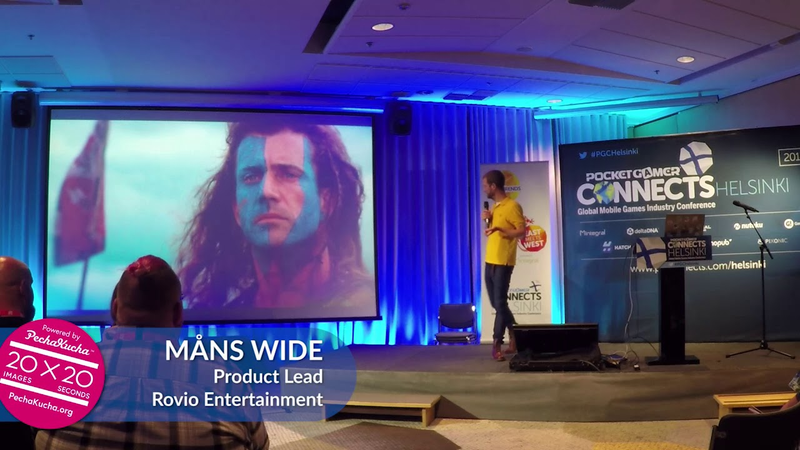
PGC Helsinki 2018 Pecha Kucha sessions: Rovio's Måns Wide
The modern mobile games industry often forces developers to reconcile the idealistic pursuit of creative passion with the pragmatic necessity of monetization.
- Developers must bridge the disconnect between data-driven monetization strategies and the emotional resonance that originally inspired their game design.
- Treating players as mere revenue streams or statistics leads to the dehumanization of the user base, which undermines long-term creative engagement.
- Integrating direct feedback and personal narratives from support staff can transform anonymous high-value players into relatable individuals with specific motivations.
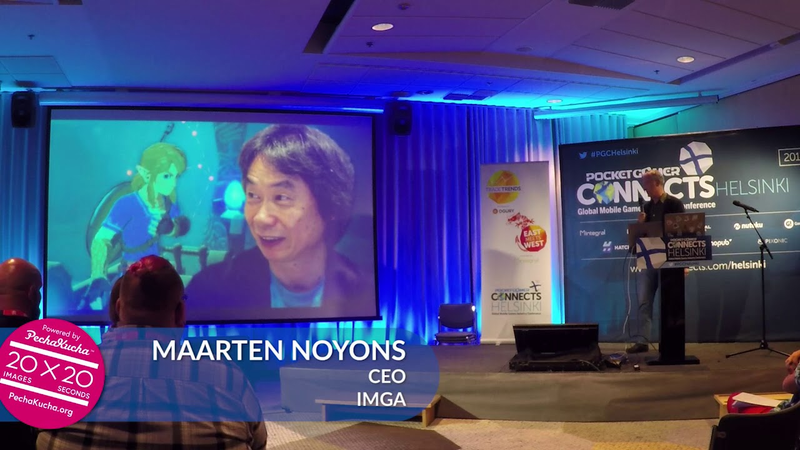
PGC Helsinki 2018 Pecha Kucha sessions: IMGA's Maarten Noyons
The concept of legacy serves as the central theme, exploring how individuals across various industries—from technology and gaming to politics—shape the burdens or inspirations they leave for subsequent generations.
- Legacy is defined by the tension between a creator's intended professional milestones and the evolving, often contradictory, public judgment of their actions over time.
- The gaming industry creates enduring cultural touchstones, such as the development of Snake in Finland and The Legend of Zelda, which serve as positive foundations for future innovation.
- Professional legacies can act as either a source of inspiration or a burdensome weight that successors must navigate or dismantle.
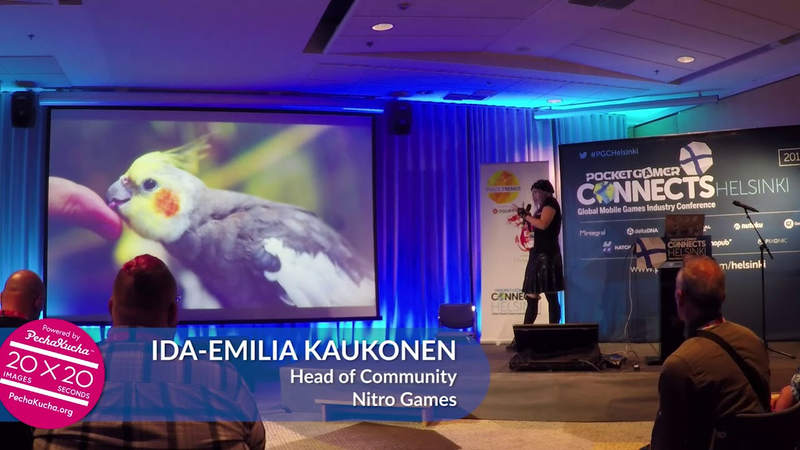
PGC Helsinki 2018 Pecha Kucha sessions: Nitro Games' Ida-Emilia Kaukonen
Effective community management in the gaming industry requires a proactive approach to crisis prevention, user retention, and boundary setting, mirroring the complexities of caring for exotic pets like parrots.
- Prioritizing the retention of an existing community is significantly more cost-effective than the high expense of user acquisition.
- Silence from a community is a more dangerous indicator of decline than vocal frustration, as anger suggests active engagement while silence signals apathy.
- Community managers must act as a protective buffer to shield development teams from user grievances, ensuring that actionable feedback is prioritized over superficial aesthetic updates.
PGC Helsinki 2018 Pecha Kucha sessions: ZeptoLab's Dylan Tredrea
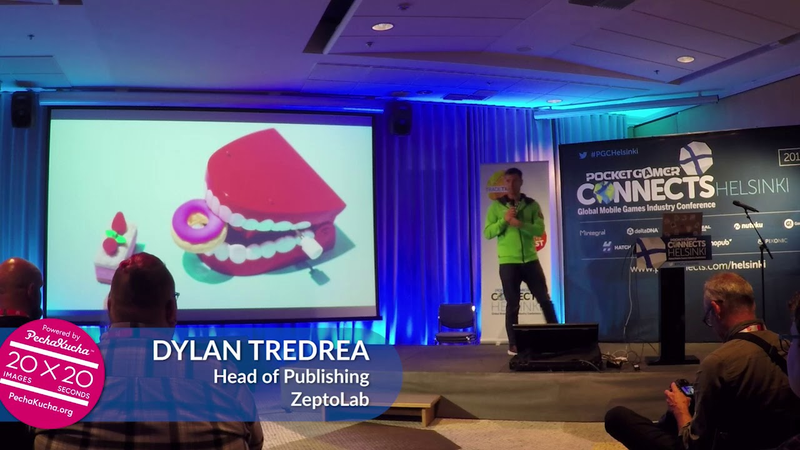
Revenue projections in the mobile game industry serve as essential strategic tools rather than mere exercises in fiction.
- Revenue projections are strategic tools for deconstructing game variables and quantifying risk rather than precise financial predictions.
- Transparency regarding knowns and unknowns in projections builds trust with publishers and investors, serving as a vital sales document to justify internal investment.
- Effective models should prioritize simplicity by focusing on core metrics like daily active users (DAU) and average revenue per user (ARPU) rather than complex decay or retention functions.
Looking beyond blindness: The important role of the disabled in product development
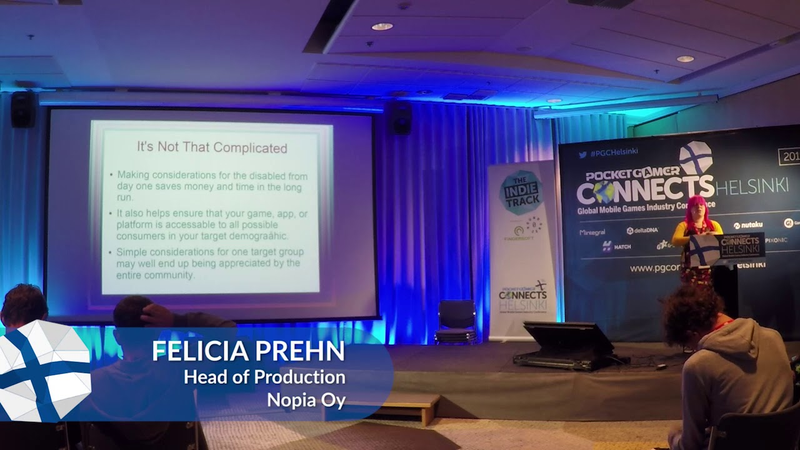
The integration of disabled individuals into the product development lifecycle is a critical, often overlooked strategy for the gaming industry.
- Accessibility must be treated as a foundational design principle integrated from the project's inception rather than an expensive, late-stage add-on.
- Inclusive design features, such as subtitles and high-contrast visuals, improve the user experience for the entire player base, including casual players and those in noisy environments.
- Developers should engage disabled individuals as a viable consumer demographic with significant purchasing power, rather than viewing accessibility through the lens of fear or prohibitive cost.