Finland reports and market data
Documents
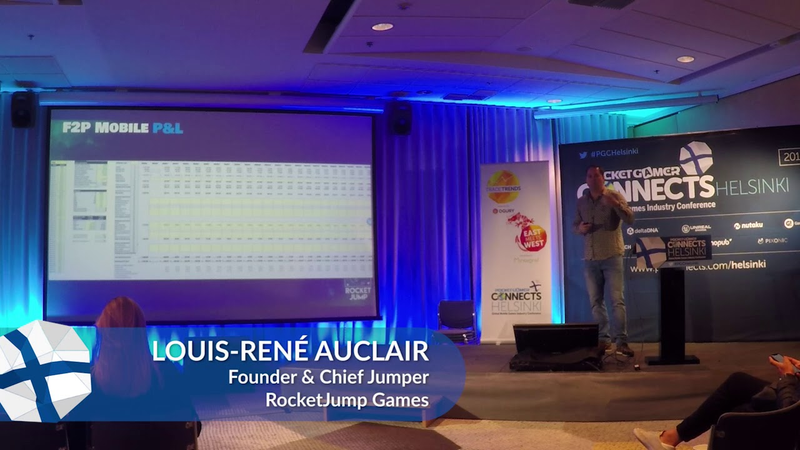
Working with licences in games
Securing and managing intellectual property (IP) licenses is a strategic endeavor that requires balancing creative vision with rigorous market data and financial planning.
- Success depends on aligning the game's core mechanics and target audience with the specific IP, as mismatched pairings often result in high download volumes that fail to convert into sustainable revenue.
- Developers must build a detailed profit and loss (P&L) model to evaluate the financial impact of royalty rates, minimum guarantees, and advances before committing to a license.
- Negotiations should prioritize marketing recoupment terms to ensure developers retain sufficient revenue to sustain user acquisition costs, which are particularly high in the mobile sector.
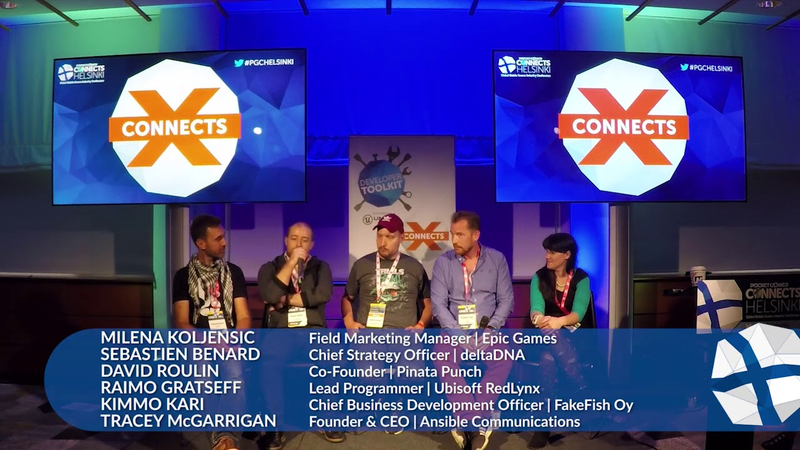
What's next in line for PC games?
Cross-platform development has transitioned from a technical hurdle to an industry standard, driven by a growing consumer expectation for seamless, platform-agnostic gaming experiences.
- Cross-platform development is now an industry standard, shifting the primary challenge from technical implementation to creating platform-specific designs that respect unique control schemes and UI constraints.
- Independent developer visibility is increasingly dependent on organic community engagement and direct player relationships rather than platform exclusivity or large upfront marketing expenditures.
- Long-term sustainability for independent studios requires securing capital that covers both initial launch costs and the extended operational requirements of post-launch support.

Housemarque on battle royale with cheese
Housemarque’s development of the title Stormdivers represents a strategic pivot from the studio’s traditional arcade-focused heritage toward the competitive battle royale genre.
- Housemarque is pivoting from its arcade-focused heritage to the battle royale genre with the development of Stormdivers, a project initiated in 2015.
- The studio aims to differentiate Stormdivers in a saturated market by replacing static map design with dynamic, randomized environmental events like tornadoes and volcanic eruptions.
- Core gameplay mechanics prioritize high-intensity action, utilizing class-based movement systems such as jetpacks and gliders to emphasize verticality.
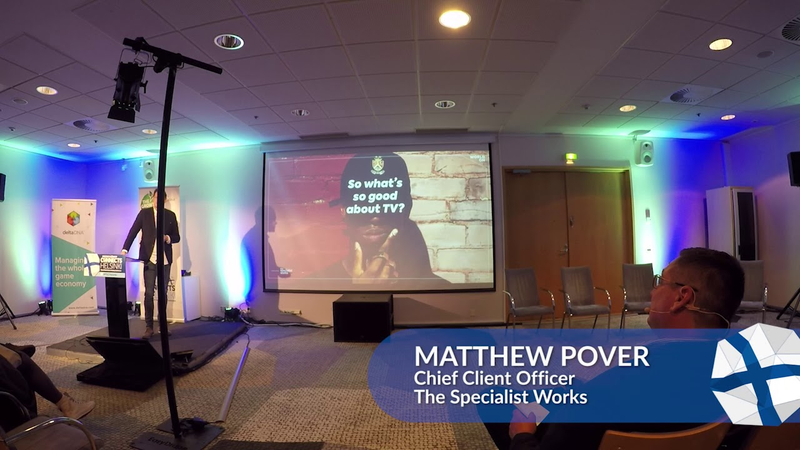
How offline advertising can boost your mobile and digital acquisition performance
Offline advertising, particularly television, remains a potent but underutilized tool for scaling mobile user acquisition and digital brand growth.
- Only 4% of gaming brands currently use television advertising regularly, while 71% of the industry discounts the medium entirely.
- Nearly 50% of skeptics would consider television advertising if provided with evidence that performance can be accurately tracked and optimized.
- Television functions as a trust-building mechanism that, when synchronized with social media, significantly increases ad recall and purchase intent compared to digital-only strategies.
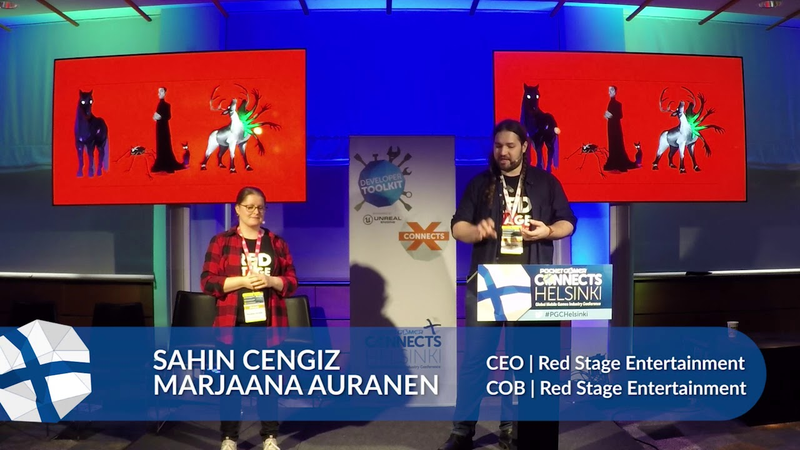
Skabma - The challenges of bringing in Sami mythology into the video game format
Red Stage Entertainment’s development of the video game Skabma: Polar Night serves as a case study in the challenges of adapting indigenous Sami mythology into an interactive digital format.
- Red Stage Entertainment developed 'Skabma: Polar Night' to revitalize Sami cultural narratives by integrating indigenous mythology into an interactive video game format.
- The development team navigated a lack of centralized written records and conflicting folklore by establishing a continuous feedback loop with the Sami community.
- To address regional variations in mythology, such as the shifting depictions of the giant Stalo, developers synthesized disparate accounts into a cohesive original narrative framework.
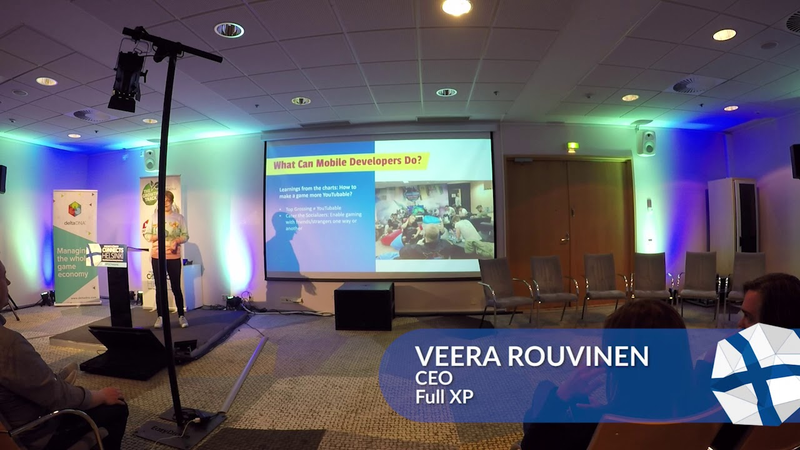
What makes a game YouTubable?
The primary objective of creating a "YouTubable" game is to design experiences that prioritize high watchability and social engagement, which often diverge from the mechanics that drive top-grossing mobile titles.
- Real-time, online multiplayer PvP titles currently command the highest viewership on video platforms because human interaction ensures unique, non-repetitive gameplay sessions.
- Games achieve high watchability by incorporating randomized elements, such as procedural item placement or difficulty scaling, to prevent content stagnation.
- Single-player or physics-based titles like Granny and Kick the Body can achieve viral status by offering infinite combinations, modding potential, or high-impact visual appeal.
Dead Cells post-mortem
The core thesis of the Dead Cells post-mortem is that a game’s success is fundamentally rooted in the quality of its core loops—the basic, repetitive actions a player performs from the beginning to the end of the experience.
- A game's commercial success is primarily driven by the quality of its core loops—the fundamental, repetitive actions performed by the player from start to finish.
- Developers should prioritize the 'feel' of basic mechanics like movement and combat over complex systems or unique selling points to ensure the experience is inherently satisfying.
- Adding more content cannot compensate for flaws in primary interactions; enjoyment must be established at the foundational level of gameplay.
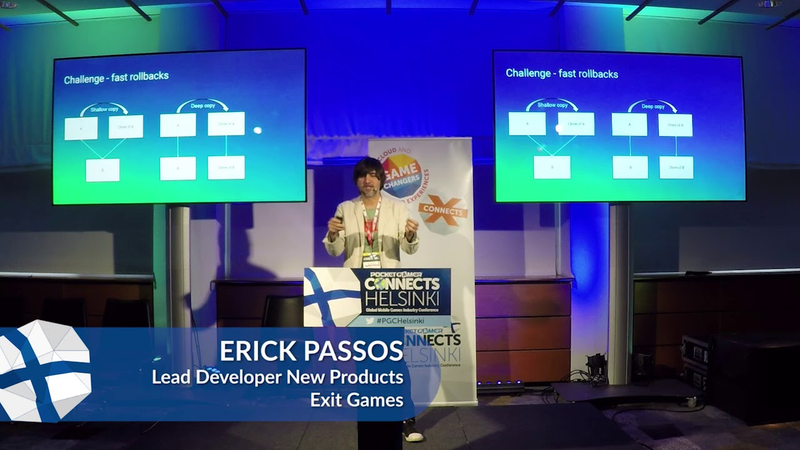
Insights on determinism
Determinism in multiplayer game development offers a framework where game logic is simulated locally across multiple clients, relying on synchronized input exchange rather than state synchronization.
- Deterministic architecture replaces traditional networked state synchronization by simulating game logic locally on each client, relying solely on the exchange of synchronized inputs.
- Modern rollback-based systems improve upon traditional lockstep models by enabling immediate local simulation and using heuristic prediction to manage remote input latency.
- To achieve the sub-millisecond performance required for seamless rollbacks, developers must abandon standard object-oriented deep copying in favor of memory-aligned structures and native memory copying (memcopy).

The new reality of cloud gaming
Cloud gaming represents a fundamental paradigm shift that transcends the limitations of traditional download-and-install models and the restrictive nature of free-to-play monetization.
- Cloud gaming shifts the industry toward a subscription-based economy, removing traditional download-and-install friction to prioritize user engagement and creative design.
- 5G infrastructure is the critical technical enabler, reducing network latency to sub-10 milliseconds to support high-fidelity, 60 FPS gaming experiences.
- Centralizing game states on servers simplifies development by treating multiplayer titles as local, multi-controller experiences, which reduces overhead and eliminates complex network synchronization.
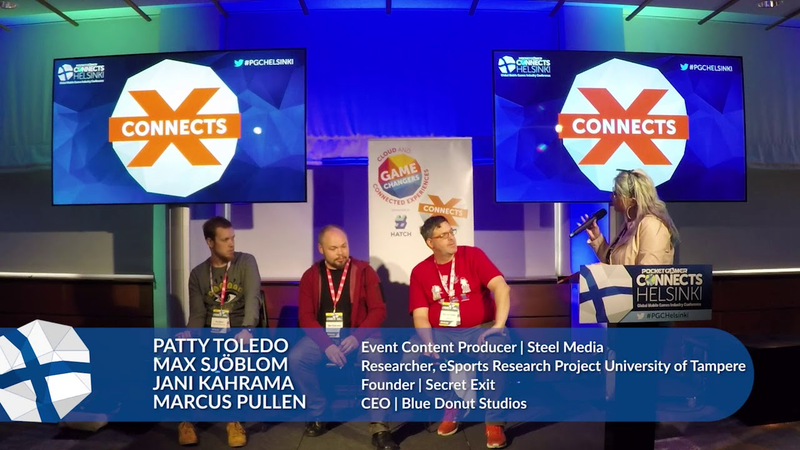
The future of games development - a discussion
The modern game development landscape is defined by a precarious tension between rapid technological advancement and systemic instability.
- Studios must reduce dependency on third-party ecosystems and high-level engines by prioritizing low-level programming fundamentals and portable, open-source infrastructure to ensure long-term technical sustainability.
- Market saturation and rising user acquisition costs have made discoverability the primary hurdle for developers, necessitating a shift toward direct, resilient relationships with player communities.
- The industry faces a critical need to transition away from data-extractive, profit-first business models toward alternative structures like cooperatives that prioritize social impact and sustainable growth.
The future of XR games
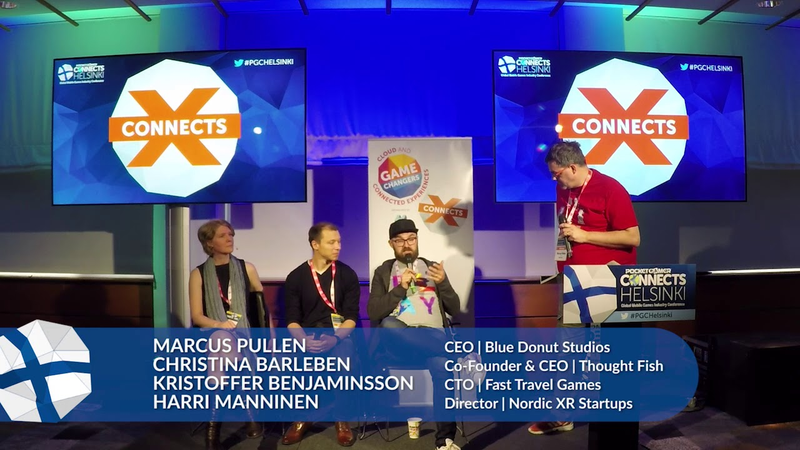
Extended reality represents a transformative frontier for interactive entertainment, positioning itself as a foundational technology that will eventually mirror the ubiquity and social integration of mobile telephony.
- The XR industry is transitioning from solitary, immersive gaming toward utility-driven applications that integrate digital content with the physical environment.
- Current hardware barriers, including high costs, bulk, and motion sickness, are being addressed to facilitate a shift toward lightweight, socially acceptable form factors like smart glasses and contact lenses.
- Mobile AR frameworks such as ARKit and ARCore are serving as the primary testing grounds for interaction design before the industry migrates to dedicated, sophisticated hardware.
Shipyard Games on making location-based mobile games
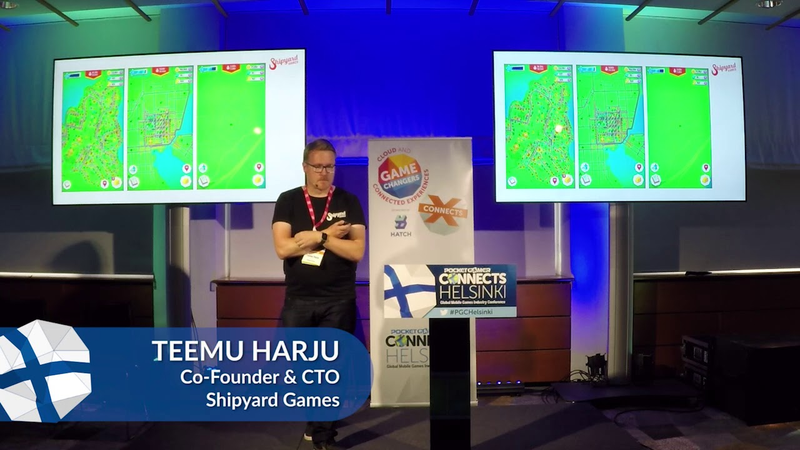
The development of location-based mobile games requires a careful balance between integrating real-world geographic data and maintaining a cohesive, engaging game experience.
- Location-based games must balance real-world geographic data with gameplay needs to avoid alienating players who do not move frequently.
- Developers should use reverse geocoding to convert GPS coordinates into recognizable street addresses, ensuring players immediately understand the game's connection to their physical surroundings.
- To avoid the 'uncanny valley' of map data, studios should selectively curate information rather than attempting to replicate every real-world detail, which often leads to a cluttered aesthetic.