1 free read left. Create a free account for unlimited reading + AI research.
Create free account
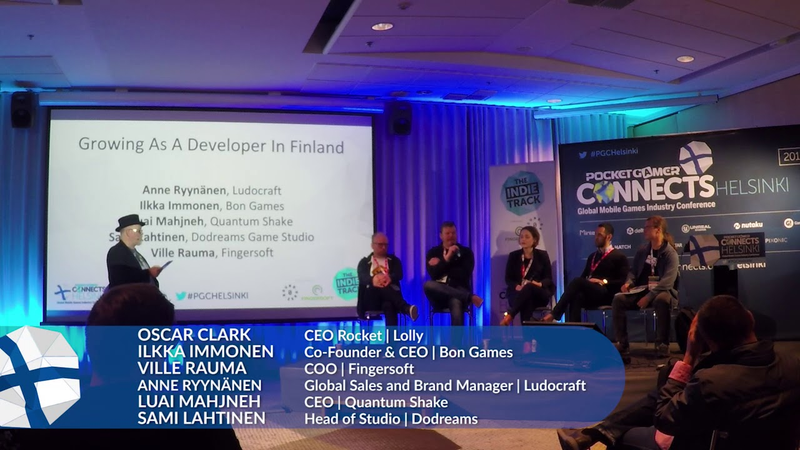
Growing as a developer in Finland
Key insights
6 takeaways- 01Successful studios prioritize early market validation and niche targeting over trial-and-error methodologies to maintain competitiveness in a crowded global market.
- 02Studios should maintain a rigorous lifecycle management policy, including the willingness to terminate underperforming initiatives quickly to preserve resources and maintain focus.
- 03To combat intense competition for high-level talent, studios must integrate all staff into the creative process to ensure a cohesive company identity during periods of growth.
- 04Sustainable growth in the Finnish game industry requires balancing a human-centric organizational culture with a data-driven, pragmatic approach to project viability.
- 05As studios scale, they must focus on core competencies, often by outsourcing publishing or developing specialized internal workflows to maintain differentiation.
- 06Long-term operational success is achieved by institutionalizing post-mortems, treating project failures as essential learning opportunities to foster resilience.
Ask AI about this video
Transcript
[Music] you know just introduce yourself describe here the company and we'll go into the sort of details of history after that so it's not reduce stuff okay just work yep yep so my name is Sami I'm a head of studio in do dreams and do dreams we are already 10 years old imagine that our flagship product crime head is turning 3 years already and that's that's where we are investing almost all our hemos at the moment prior to dreams I was working in Rabia for seven years growing the company from 50 employee company to the public company as it is today and prior to that it was well pretty much in Stone Age of mobile gaming I was heading the studio called mr. good living for ten years starting in 2001 I think I still have my time and some blame and was great so yeah thanks
a great introduction by the way I'll keep it short hi everyone I'm Lu I'm Ina and the CEO of quantum shake we're an old based company founded in 2015 I wish what else should I tell well we've created 10 games we've killed no sorry we killed telling 10 games with soft launch three and we've launched one game and right now we're actually entering the eSports scene with a new of a kind tactical turn-based game called arena brawls which I'd love to show anyone interested so just come and talk to me if you're if you're interested in that stuff great stuff I I'm an I'm the global sales and brand manager at Ludo crafts I've been there for four years and the company has existed for 12 years so we're kind of
older than golden much like us well I think we do mostly work for hire so we're probably most well known for the as well as from our 2012 release air buccaneers which in our opinion was super awesome I saw her about the whiskey bass I think there was a party yesterday I realize oh yeah Accio fingers soft we were founded in 2012 probably most of you know us because we hit billion downloads they see here so across of course all who come racing games so I don't know if we need to move soon don't worry and Oh checkmarks unfortunate hello I'm ill can see of born games my personal history yeah yeah I've been in the industry a
long time I think nearly 20 years I started off doing outsourcing company called Laplace studio I'm not the developer or artist or program I don't do anything important that you guys do I'm just a guy that's handling accounting and that kind of boring stuff with my first company I was involved with an interesting project I did a game together with Wesley Snipes you might remember that and and it was interesting when we started the game Wesley went to jail so it was very interesting collaboration mmm then I moved to Tom berry I worked for a company called fragment pisac developer I think there are some people at least my fellow shareholder here that is used to also work for that company there was a maybe highlight project for that company was roadside assistance simulator we did for German publisher
called Rondo media where if the car breaks down at the highway you simulate what's happening there so that was sexy that was the game business at least sexiest taxi and with bond games we've been now nearly for two years focusing on tycoons mobile tycoons free-to-play mobile cycles and we'll have our first game trafficking tycoon out for nearly a year now so that's what we do now so so at the beginning kind of of the do dreams kind of journey what was kind of the primary drivers or what got you started and going in Doremus we we actually used to have a let's call it minigame strategy so it was pretty much in the culture where it just made a cool game and does so if it yeah yeah that's and if it didn't fly we've made another one
and another one and other one and we found that the well in the beginning I would say that that's where each and every good game starts but there's a certain threshold when you need to turn your carnival idea to not just build together build the game but develop the company as well and that's where the indie era kind of uh stops and you need to start thinking where is your competitive edge where to focus what is your strategy to get there if you have if you have enough talent to actually actually implement the strategy so that's that's what we've been doing now and it's kind of a transition from that the indie type in the mini game strategy to find our our edge in the market and currently it is it is a drive ahead yeah and I will go into that in a bit more detail after but is that a similar
picture for you guys when you got started well to be honest the way our company started was from a lunch meeting at the cafeteria of of the university of oulu hmm so it was me and another guy with a huge passion towards mobile games and from that launch we decided that hey let's start doing something together but actually in 2015 when we found the company we didn't want to start creating games right away instead we wanted to create a framework to create games because we knew that one of the main reasons why indie developers fail many times is because they are not able to validate early enough so the way how they create games is they get a great idea they develop that idea for let's say a one-year time period and then they do the soft launch and they see that hey actually these didn't work when they've run out of money but up exactly exactly so yeah so we did we
developed this funnel model that we're still using so that's kind of a very different kind of way of looking what you earned from you guessed point of view and was that do you have a different story rose or are you close to one of these two stores I'm actually well we're kind of close to you in a way because when we started the founding team or a research unit at the local university which is also Olaf so who go that university basically what it came down to was those guys love of games and then when they started the company they kind of used the connections that they had to kind of get ahead and get projects and see kinda in a very organic way I suppose to see how they would be able to develop a company and from that on I think most of the people that we have have been with us for eight nine ten years so strategic wise when you
talked about moving away from indie so I think our kind of strategy is still based on what kind of projects do the people that we have loved to do in a way because we wanted to take care of them quite a bit yeah it's I always say like we're a really bad example of thought a game company because the way we cut kind of fun it was our director of the board and come main owner of the company Tony fingers so he had failed one game company and then he was like yeah I don't want to work with anybody else anymore so I'm gonna do it all by myself and he found things off so he kind of other people are in the way if that's the way you're working yesterday well they were making ps3 are really like high-end this kind
of cool pirate game back in the day before freeing yourself and then all the tech was really cool and looked awesome and everything was nice but then well the gameplay wasn't maybe that deep and maybe it was to be able to get funding and all that but anyways he was like okay I'm gonna yeah you know forget about that I think he said at some point and I said that he saw somewhere in the Internet a manual for how to succeed succeed in games businesses basically make something and then cross-promote and then you're made of course this was six 70 years ago so it maybe it's a little bit easier about but basically what I did was make camera filters before anybody had camera filters so you had like x-ray vision you had like cartoon camera stuff like that and then
you would he would like those were quite big successes in themselves back in the day like you had like 200,000 downloads I think year one on many of those camera filters and then he would like make the kind of main title which was basically he looked on raising and then cross-promote from from the camera applications and then you of course he wasn't the nobody was expecting the success that he had where he had like I don't know 10 million dollars in in in the first I don't know half a year year which was insane of course but I still remember the massive numbers of VRS we had yeah we had the billion downloads party this year I don't know somebody leaked it's the press we just wanted to have it internally with the company but for some reason people can interested but anyways I guess that's the main thing which got
the cambrian star is the cross promotion and the kind of idea of using multiple applications in that in that instance to kind of get started okay bond games idea is kind of like the first ideas from a long long time ago my first company LaPlante studio was for from 2003 until 2012 and it was a big big bankruptcy for me personally and but I never thought that I wouldn't try again but what I promised myself was that whenever I will be founding another company and there will be a very good team and and like a killer kind of group and and also like diamond sharp focus with Laplace studio I was doing everything if you want me to do massage
I would sell massages so I did all the mistakes in the book with Laplace story in terms of focus in terms of recruiting and financing and everything and I was working together I had an advisor from a Sulha collapse gentleman called tunnel Iranian and when la plans to do bankrupted I I was and then I then moved to Tampere and I remember we were eating a type lunch or something like that and and at the time and we be together with ton le we started to think about what could be the thing that we could do together and we immediately realized that there is so much to do in the mobile business that let's try to find a clever way about it and if there is a gap in the market and and if there's
something else that other people don't do there then we felt okay let's focus on simulation and tycoons nobody's doing them and then SimCity came out of course and was like really good example for us that they had this is working and it was a really successful game and and kind of like gave us like strength to believe in our vision and that's how we started and we incorporated the idea in a company in at fragment production for maybe a year or so and then bone games started about two years ago when we took about 1 million euro loan and and then continued the project there and and but the key for everything was that let's at least try to be focused and let's at least try to be clever about it and she kind of late but in as a group we kind of split between people having lunch with friends wanting to do something fresh and people
frustrated with what they had previously had to deal with this is a summary I don't show how familiar that is but it's quite familiar to me Samy so you know as a company is started and they're working on games and you're iterating does that you get a crunch point is it something that kind of forces you to think you'd be something you started hinted it as you were talking you know that means that you've got this attitude change that structurally I know do something DIF that the indie attitude is there still but the focus is crystal clear so in the beginning everybody having their own dream of building my own game was there and it was a good era but then there is that the point when you need to start focusing where you've what you want to be as a company the building one minigame per month it's just not production-wise feasible at all and you don't create any synergies in between titles and we we realize that hey this
is not the way to go and then luckily driving it happened and it was a quite natural choice for us to be picked up horse and we has its unique flavor and it well it has a crazy physics and it's almost as fun towards other battles than play yourself and it was a natural choice us to focus but if that would have would have happened without having that let let's try let's experiment let's let's build as many games as we possibly can I think that wouldn't have happened but there is a point when when we just need to decide where to focus and what we would like to be as a company what was the crunch point now was it you know a finance one was it just art we found the thing sounds like it's closer to found the thing we found the thing yeah oh it's it we just found the game and it when when launching first version of it it's it starts booming and that's it it
was quite natural easy choice at that really no obviously though you guys were were a lot more kind of structured when you started the most teams I've work with but did you have a similar kind of point where you're going through the process you're flowing and then you suddenly realize something has to change if we're going to sort of grow this further of course and I think we're still you know looking for new points and we're still looking for to learn from our mistakes we're constantly still making mistakes we're still still are indeed in the company we started as two guys now we're eight people but yeah yeah we haven't let's say we haven't yet found that peak point yet but hopefully after this year we'll be there it sounds like you though you're taking a much more kind of solid structured mindset yes and a lot of entertainment would do you're looking at this process not just
it sounds to me like you're building a company in a game you know essentially you know we're yes yes for us it was very important to diversify both the risk of ourselves but also the risk of our investors and like you said we wanted to more create a solid startup instead of creating solid games right away so basically the the creation of these solid games is happening right now and basically I would say that it started this year even though the company was founded in 2015 hmm that says a lot to them it takes time to get you to shake out the debris been trying to get a good phrase for a bit there are sort of the excess that you need you to get to the absolute crystallized time and experience that you exactly exactly exactly and of course for us publishing I know you guys I think you all publish
yourselves we don't because it's not part of our core competence so it has been extremely crucial to be in touch with everyone here at the panel as well but also in I see that there are some people in the audience as well to whom we have talked talked to so yeah but it is a massive community so you guys point of view I be saying this kind of crunch point where you you know culturally the company has had a change of approach yes definitely like you said that we Wheaton self-publish and that is something that we did back in 2012 with our Buccaneers which was the awesome title that we did then and the joys that we made then was to self-publish go steam greenlight had just come out so we figured like yes we can do this no more publishers but and I think looking back on it now it's like
six years ago so it's a long time but the learnings that we kind of took from then when we're now making our own IP games again is to actually actively look for a publishers so that we can get to focus on our core know how much much like you do so it's definitely a learning process but I think the most important thing is just to not get discouraged by the decisions that you make but to learn from them and then push forward based on those clearly you've gone from that kind of we can do oh you found the game did you have a konami no and obviously now you're getting involved in publishing other people's stuff you know it sounds to me like you've had a series of those crunch points that have changed kind of your approach or am I just me something something no no it's um it's actually like I always say every year at thing is of this different because it's
always been changing so much I thought it I was the twelfth and employee and we call it the Dirty Dozen for a reason we didn't have like any kind of strategy or any kind of clear idea of what things will be when I started like 2014 and we had this huge success of course but when you join the company and then you're there and you're kind of well what what what is next of course is the question and we had to figure it out and it was really like painful process to first start like creating the team and everything because Tony basically made the first game by himself in our current CEO team made the iOS version so basically you have two programmers who made a game by themselves who fought at the company and then that's it and it's
it's huge what do you do then and it was quite like a like difficult process to get into a stage where we actually felt like we're game company like we were more than just the first success game like the we did this game called I hate fish which was in between cameras in 1 & 2 which failed for us miserably actually it doesn't like I don't know half a million downloads in the first years but but for us it was miserable so yeah like if they you know bar is here you have to be able to you know go above it and it was very difficult process but you know it's slowly you know we got to a stage where we actually felt like okay we actually are a team and we are able to deliver and then we got to conversing too which is a huge success and then no no of course we're much more
confident we feel like yeah we can we can make even better and more awesome games than we have before listen this is the thing they say in the music industry it's a difficult second album for sure it's even like I guess of course like from Tony's perspective like he basically made the game by himself and it is a question that he poses to us all the time why do we have all these people I made this game by myself why do we need them but well of course they like world it's so different and it was like six years ago so it's much more difficult to make successful games now than it is so you guys have come in I knew like you've got this laser sharp focus are you already ahead of the game because you've got the past you don't have this crunch point or do you see the same sort of transition point of focus
what do you mean well you know with these other companies obviously you know a lot of them start out with an idea and they've gone through and then something has forced them to sort of change the way their attitudes but I think you you guys seem to have had a lot of hot past in history did you have a point where you had to sort of really kind of pivot and change your direction or your structure I think doing a free-to-play game you just described it sorry there's a course constant change that you have to live with but if I take away the game development Partin and talk about the company part I think that the biggest thing that we so far we have achieved it oh I feel that we have achieved is that I feel that I am working with the best people in the business now I have the best people in my company and I get a lot of excitement and joy too
watch when we get challenges and and and and even if we fail because these people solve these issues and develop the game and and make things better so it's very very exciting to watch that when you have ten people that you can throw anything at them and you just see how these clever people go into it and and they solve it and they have these opinions and their works option brainstorming and then they come up with the stuff that's better and and are kind of like whole history of two years has been that well everything has been like solved or done as the way we have always thought and kind of gives us belief that okay we can do anything and but it gives us lots of confidence for me that game
business is difficult and and you make failures you make there's lots of challenges but I have the feeling that with these people are there's nothing we cannot like solve and I wonder how much is the finished cultural thing because I was in five enough years working for you series amplifiers and unity and so on and so forth and I've always loved his his very very blunt it tells me that was but he knows I'll fix it and he conveys the the assumption that he trusts that I'll fix it and I think you know I mean it's very confusing like I'd love to know but I feel like there's a finished culture which is really powerful maybe one of the reasons why you're so you know capable in games feeling this great then we have this thing in there water so yeah absolutely right but we have an international team for example we have people from other countries people from South Korea Russia Slovakia etc and I think there's a pride
of being at game globe developer that you don't want to really you want to be proud of what you it's like you compare the music industry the proof Springsteen doesn't want to go in the States and then if I can fail so you want to be proud of what you do so that's kind of that game development kind like brother honest I think I think that's absolutely right so I mean kind of let's get to sort of the crux of what the panel hopefully is driving to so now you're at the stage where you're at how are you dealing with gross I mean how are you how you contain so sustaining where you are but growing moving forward to the future what the obstacles that you're facing so for any the fundamental question is you know what are the obstacles you're facing now and how you dealing with that well the obvious one well talent acquisition so we are all fighting for the best talent we want to have the dream team and I want to have her meet only bomb games so that's that well it's still fine on this uh we are
friendly companies towards each other but obviously when it comes to talent we always want to want the best one in our our team well others I think we are still in the transition phase a little bit from Indy team to more established working methods they're learning all the ropes of free to place is something that we do constantly under because market is changing we we need to learn every day today something new there I think the most important factor what we've figure out was that in in transition face was that defined in the culture of success so from in the point of view it may look that hey my idea was a peaked and my game was produced and everybody is happy that's not the case anymore when you're more established so defining what it means that how does the good look and
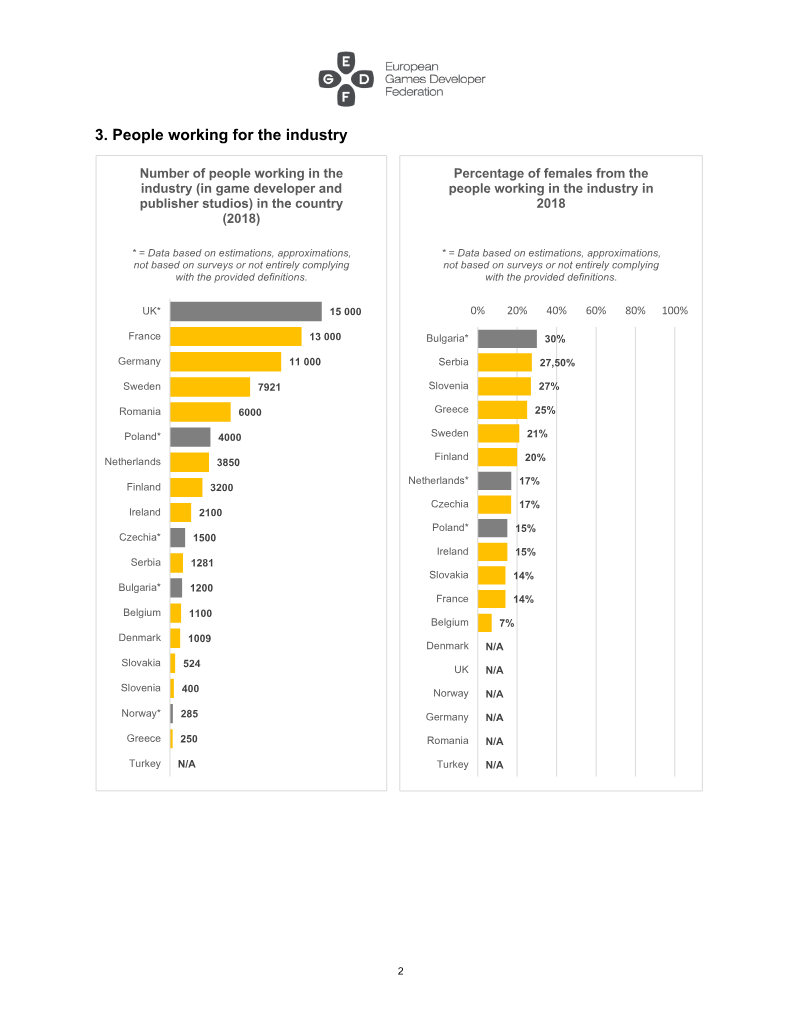
and what it means if if we are successful or fail and there raise the bar up as high as we possibly can imagine absolutely well for us it's quite clear it's money and talent as well and imagine living in a small city like all and competing with guys like finger soft from you know if you have talented people that we do have in Oulu obviously they're gonna go and work with finger soft instead of us because yeah well for reasons but yeah actually Finland is full of great engineers all around the country we have great engineers I'm pretty sure you guys have as well but for us the hardest thing has been to find talented artists and actually for that reason I'm just talking about our company and ourselves but for that reason actually we have had to start
looking outside of Finland and we were actually able to find some really great artists from overseas from Brazil to be to be precise because actually in Brazil they have the their problem is the other way around they're liking right engineers but they have great graphic designers and money of course is an issue for us because we're yet not profitable we're constantly looking for money raising money doing work work for hires that we don't want to do because we want to concentrate fully on our own ip's yeah I think as I said early on and what you guys have verified quite well it's the importance of the good team and what I found as I said most of our people have been with us for a very very
long time and every time they bring someone new in like for example me like I knew even though I've been there for years that's quite a long time so just finding that cultural fish in a way that is easy and because we are smallish in a way there's about just under 20 of us so that it doesn't take away the resources of the people who do the work actually to guide them and see how the new person face things with the culture so just finding I hate the saying of you know you need to be a good guy to work for us I hate it I hate it I hate it so I won't use it because that varies so much between companies but I think finding the people who complement the thing that you already do is important absolutely yes I guess the customers managing growth wow it was more about what the
obstacles are but we seem to have turned into managing growth oh yeah yeah so there are a lot of lot of obstacles and a lot of problems it's so we're now 50 people and and from 12 people it's might not seem that big of a difference from outside but it's a huge difference inside when you're actually like developing games doing the things you do and and there's a lot of like also like this kind of growing percentage of people who are not actually making games who are helping us make games which is actually really important and we the way we actually think about this thing is that we we actually fired the company which cleans for us and we hired an axle cleaner who is also in our like weekly meetings and everything so so that's like an example that we feel that we
want to have everybody on board who helps us make great games it's not um it's not something which it's you just have a team which makes games it's everybody in the company and and we try to work towards a kind of model where everybody gets to have a say at least in some phase of making games so that because it's everybody is a gamer in these days there's no non-gamers well maybe 2% of the world I don't know who doesn't play games anymore but so we kind of want to also have that feeling in the company that that everybody has say everybody can be involved and and and it should help us make better games I don't know maybe maybe that's one thing yeah they said so many things you can say about growing again that's also the point isn't it
that you know there is no just one straightforward picture and you know there you know when we're starting out you know we're thinking about ah let's make our project but if we're not thinking about what happens next why that would grow how that would scare what we would do to manage that even is the operations of it let alone what happens if you're gonna try and build a company out of that and not everybody likes building companies you know some people just like making content let's write help to you [Music] ops there's there's lots of obstacles I guess in the future I think that I go back the team again and and it's all about human relationships and you have a relationship with your team mates you have a relationship with your wife your family and you know that you can go to places with people that you trust and you love and and and and you get respect
and love back so I think that keeping that kind of atmosphere is what I feel is very crucial and and it's like ongoing process and when you can keep that kind of mentality and that kind of a culture in the company then a lot of the things may not come easier but usually the obstacles and challenges are only professional kind of and that's when things become a little bit easier when you have only professional problems and I like professional problems and I want to be with this team I want to be in on those stadiums playing for millions of people I now know that we're gonna be in lots of problems within the next year we need to double or triple our head counts there's money issues there's everything
but you know with these people you just think believe that hey we can we can go through that and we take a hit but we will do that yeah that's incredibly difficult to sustain a culture if you're gonna double triple it I mean I mean even you know sitting there in unity as we grew from life for hundreds of people to I don't know if somebody will tell me how much it is now that twelve hundred or something maybe it's like ridiculous and yet sorry how much past two thousand oh my god but I mean culturally they've done a lot of work of let's try and sustain that that identity everything make you you know so I mean I think that's that's the thing is realizing it as half the effort is understanding the business not just making the content so I could carry on asking questions I probably shouldn't anyway I mean any of you guys got a question so we got a couple questions here this was first oh well he's my sorry thank you hey I have
a question for wheeler so finger soft has done great job publishing other indie developers games so can you say how has this publishing side been how has it grown and what led to finding them around zero publishing label alright yeah thanks it's great that somebody knows Ron zero yeah it's been very difficult originally we kind of figured that okay we have this huge success so we'll just cross promote other games as well so we'll publish other games we actually I think we published 12 games so far of which three are only fingers of games and one of which failed I have fish so on so it's been like we always had this
back idea that the reason why we publish third-party games is to learn to be a better publisher of our own games of course and also to grow the business in internal but then what we found out it is that publishing is very different from being in developer even if you self publish it's totally different to be there for the developer to communicate you handle everything they they need you know your from your support - you know all the practical work of having actually the game out there so we kind of we always had this we actually call it the little finger for a long time everything everything is the finger with us you know yeah it's it's a joke but we call it a little finger the idea was that probably at one point we would have
some kind of entity which can we can put our prototypes anything which is kind of looks like a game out and then see how people react to it and and gathered the day together like a sentiment and everything and finally last year we found round 0 based on the idea and that was more like I guess circumstance because Don Elrond Allah who was the CEO now of Ground Zero was came up to us and was preaching some other idea which didn't pan out but we like the guy and we like we have this we want to be able to publish games fast gather the data maybe maybe make it democratic a little bit so that you know other games that you put through there can get some kind of reference because the difficult thing in games is that ok I made this game how
good is it or this prototype how good is it there's it's impossible to know until you have some actual feedback from the audience or other people who actually play games so so I guess that was the kind of story of how around zero got started and and then now we're thinking it's a separate company and and they of course like liked it and say that they are fingers of the company because it of course it's easier for them to grow the business but they are their own thing and and that's the kind of story how do you install it and and the reasoning for it but now of course they have their own agenda their own things trying to democratize again publishing like kind of smarter so I think it was another question behind other yeah yeah hi I have two questions if everyone doesn't mind first being
that how costly is it to pop make a comp and company how costly is it to make a company it costs a lot of money your health sanity yeah I cost cost there's a course for everything it's okay it costs a lot of money i but if you have you have a great thing you have a great team you have a great idea you can find the money from somewhere I think you shouldn't think about the cost and this is maybe it's stupid thing to say what you should think about is that how I I mean I have taken economical
heat and I have you know lost a lot of money and paid it back and and so on so forth but I what I think that would you should think and what I'm thinking is that the next two to five to seven years is that worth it with these people with this idea from my life is that kind of that's what I think and money and everything else is irrelevant but is it worth it with these guys this idea if it feels like yeah yes then everything else is yeah just things that you do in business you find money you find people just go on about it I mean technically in the UK 20 pounds to form a company but that's just the company and you're not gonna comment on that on sugar tonight the second quarter question yeah the second question is it for everyone asking what was the first game here or a
failure that make you think as a company okay what we did wrong what we need to improve on ourself so what was this the first game failure you can that's what we've to move too many to be listed prepare for failure if you are starting a company but that's that's in any inevitable that there will be failures and many of them many of them and you need to leave with them and but if you if you just believe on what you are doing it's also inevitable that that there will be one day success so don't don't care about failures there will be many I will go back to Wesley Snipes I don't involve us it was a big big thing for me to personally make a deal with Wesley I call him Wesley nowadays and to him being part of the like weekly calls with
our team was like really you know we were all but we were boys and we used to watch his films and you know passing 247 calling our Monday telcos was like okay let's stand up guys it's like a huge thing I was in a blade then we came this little bit of the creative freedom for him and he wanted to present himself as this black clever James Bond Jason Bourne kind of a guy that solves mathematical puzzles and you know does this clever stuff and we created this isometric 3d a game when people were expecting kick-ass let's kill everybody with kicks and punches and we presented Wesley and his character has this clever and we pull like what the were you doing and that didn't go really well if I would go back there I would totally you know kind of research that what's the actual fan
base and the audience for this and and let's try to do something that they're kind of expecting so that was a big big can I had one war story here okay okay so to drop up title name back in the days we were fortunate to have Twilight licensed and we built a couple of games we were quite proud of that and the license was as hot as it can be and then it came time to to go to IP approvals and the first comment we got out from there from the original author was that I don't really like games and we need we need to change the all the beautiful mechanics we have built to actually trivia game so that happens so one last comment before we close on that topic well I can just say that we're killing games on a regular basis
like all the time and the important thing is to learn from your mistakes we always do a post-mortem so we always bring the team in we analyze what what was good what was bad what could be done better and so on so yeah like Sammy said be prepared to failures and be be quick with the kills effort and also kind of be resilient with your failures it might take a while to bounce back but you'll get there I always like to win these things with them motivational peace and the line is there's only one thing worse than making games and that's not making games we're a little late for lunch hope you forgive us for that thank you very much panel [Applause] [Music]
Summary
The Finnish game development sector has evolved from a landscape of experimental indie projects into a mature industry defined by strategic discipline and professionalized operations. Success in this market relies on transitioning from trial-and-error methodologies to structured business models that prioritize niche targeting and early market validation. As studios scale, the focus shifts toward core competencies, often necessitating the outsourcing of publishing or the development of specialized internal workflows to maintain competitive differentiation in a crowded global market.
Sustainable growth within the Finnish ecosystem is fundamentally tied to organizational culture and the management of human capital. Rather than prioritizing rapid headcount expansion, successful studios emphasize the integration of all staff into the creative process, ensuring that a cohesive identity remains intact as the company grows. This human-centric approach is balanced by a pragmatic, data-driven philosophy regarding project viability. Developers are encouraged to adopt a rigorous stance on project lifecycle management, which includes the willingness to terminate underperforming initiatives quickly to preserve resources and maintain focus.
The industry faces ongoing challenges, most notably the intense competition for high-level talent and the necessity of adapting to volatile market demands. Resilience is fostered through the institutionalization of post-mortems, where failures are treated as essential learning opportunities rather than setbacks. By diversifying operational strategies—such as exploring publishing roles to gain deeper market insights—Finnish developers continue to navigate the complexities of the modern gaming landscape. Ultimately, long-term viability depends on a persistent commitment to iterative development, professional maturity, and the ability to balance creative ambition with the realities of a high-stakes commercial environment.