Europe reports and market data
Documents
Slovak Game Industry: 2021
The Slovak game industry demonstrated significant economic resilience and expansion throughout 2021, achieving a total turnover of approximately €84.7 million.
- The Slovak game industry generated a total turnover of approximately €84.7 million in 2021, supported by a diverse ecosystem ranging from small independent teams to large studios.
- Since 2017, the Slovak Arts Council has distributed over €2.2 million to more than 210 applicants to foster industry innovation.
- In 2021, the Slovak Arts Council allocated €400,000 to support 21 individual projects, covering up to 95% of costs for smaller studios.

Lietuvos Žaidimų Industrijos Kelrodis: 2020
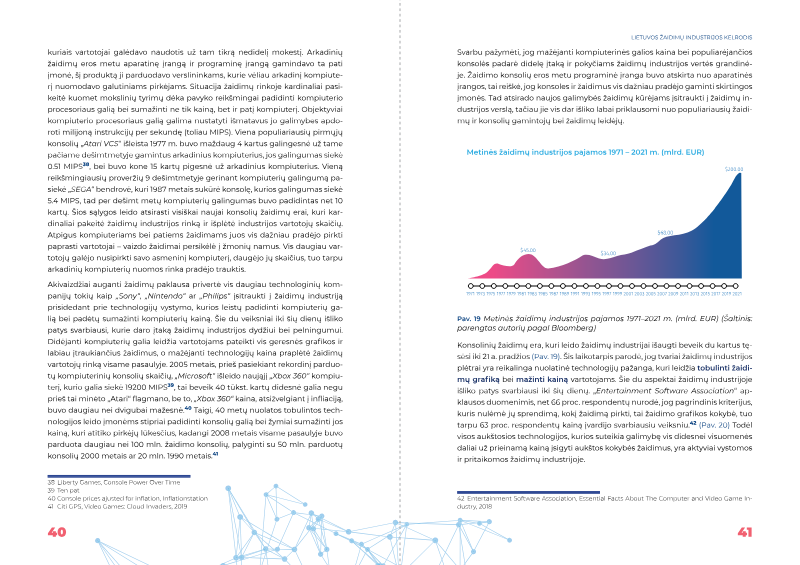
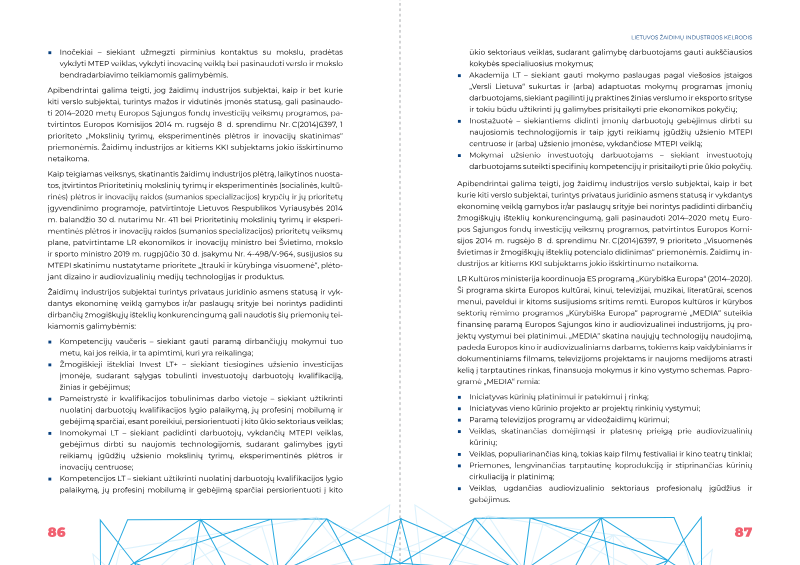
The Lithuanian Game Industry Roadmap 2020 serves as a comprehensive strategic framework designed to elevate the nation’s gaming sector into a leading regional hub by 2030.
- Lithuania aims to grow its gaming sector to 4,000 specialists and a 2% contribution to national GDP by 2030, representing a significant scale-up from the 646 professionals employed in 2020.
- The industry is highly export-dependent, with over 95% of production destined for international markets, making it vulnerable to the potential departure of foreign-capital firms.
- As of 2020, the sector consists of 61 active entities that generate an economic impact comparable to the national laser industry.

Loot Boxes: Legal Pitfalls and Loopholes
Global game monetization faces a fragmented regulatory landscape, necessitating a strategic approach to design and compliance.
- In the United States, there is no specific federal loot box regulation, but Apple requires games on the iOS App Store to disclose the odds of receiving items by category prior to purchase.
- China maintains the most stringent regulatory environment, requiring developers to disclose the specific odds for every individual item in a loot box and prohibiting 'compulsion loops' that encourage excessive spending.
- European regulations are currently fragmented by country, with Belgium and the Netherlands being the primary nations that have implemented specific restrictions on randomized, purchasable items.
People Can Fly 2020 – Omówienie Wyników
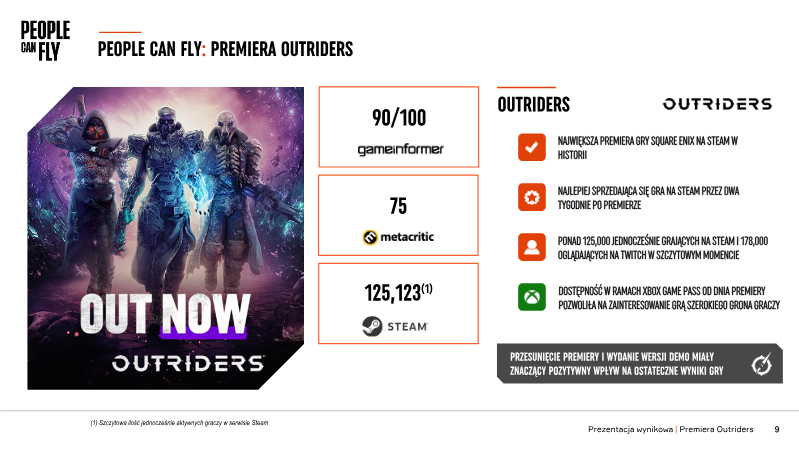
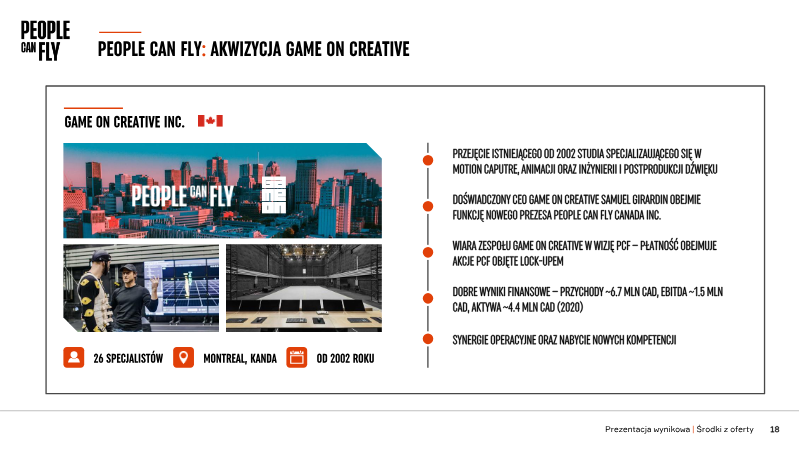
This financial and operational analysis details the performance of PCF Group (People Can Fly) for the 2020 fiscal year, a period marked by significant scaling and preparation for major releases.
- PCF Group achieved significant financial growth in 2020, with revenue rising 23.6% to 103.8 million PLN and net profit increasing over 400% to 24.6 million PLN.
- Adjusted EBITDA grew by 76.7% to 32.6 million PLN, supported by development work for major partners including Square Enix and Take-Two Interactive.
- The company is executing a multi-project strategy that includes the action-RPG 'Project Dagger,' which has a projected budget of 40-60 million EUR and allows PCF to retain IP ownership.

Cultural and Creative Sectors in Post-COVID-19 Europe: Crisis Effects and Policy Recommendations
The COVID-19 pandemic served as a profound stress test for Europe’s cultural and creative sectors (CCS), exposing deep-seated structural vulnerabilities that existed long before the crisis.
- The Cultural and Creative Sectors (CCS) in the EU-27 were economically fragile before COVID-19, characterized by over 1.1 million enterprises (5% of non-financial businesses) generating EUR 145 billion (2.3% of the non-financial business economy) in 2017, with growth rates slightly above the overall non-financial business economy (1.5% vs 1.4% annually between 2012-2017).
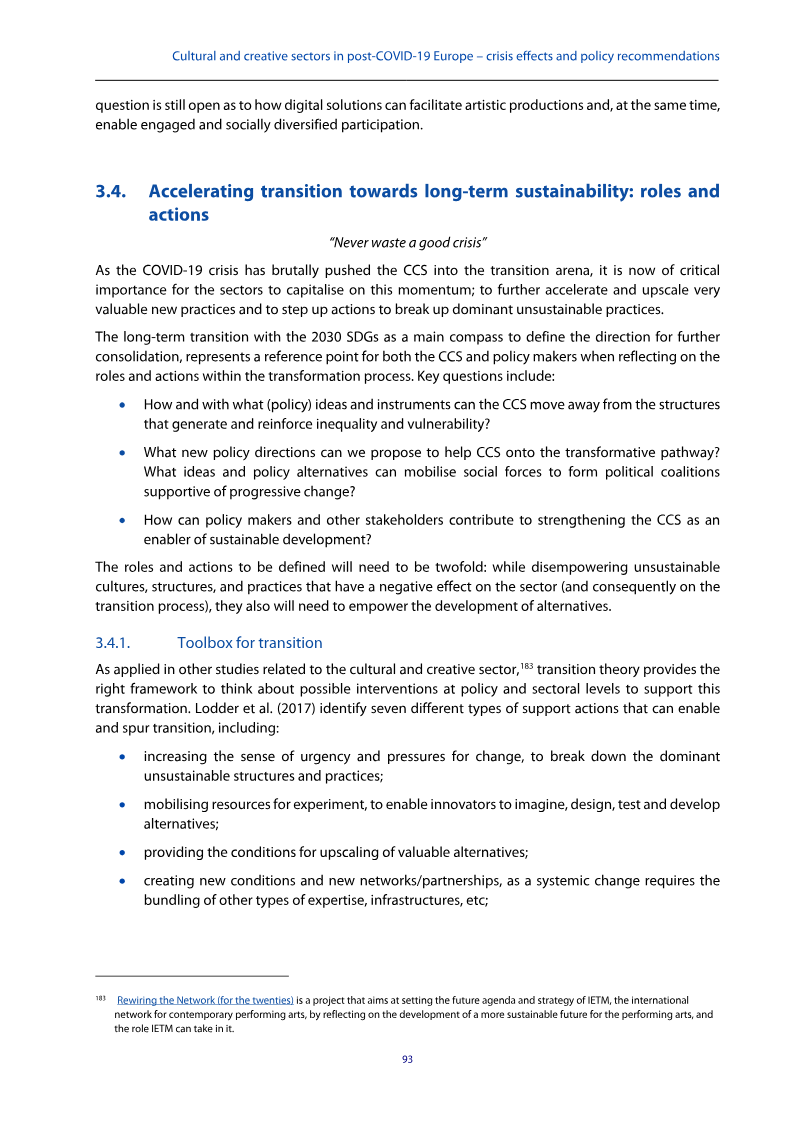
- The COVID-19 pandemic severely impacted the CCS through measures like halting non-essential business, banning public events, and restricting movement, leading to significant income loss for suppliers (e.g., sound/lighting, caterers) and local economies dependent on festivals and events.
- Freelance performing artists, who often rely on multiple income streams and networking at events, were particularly hard hit by movement bans and social distancing, with many unable to access public support.
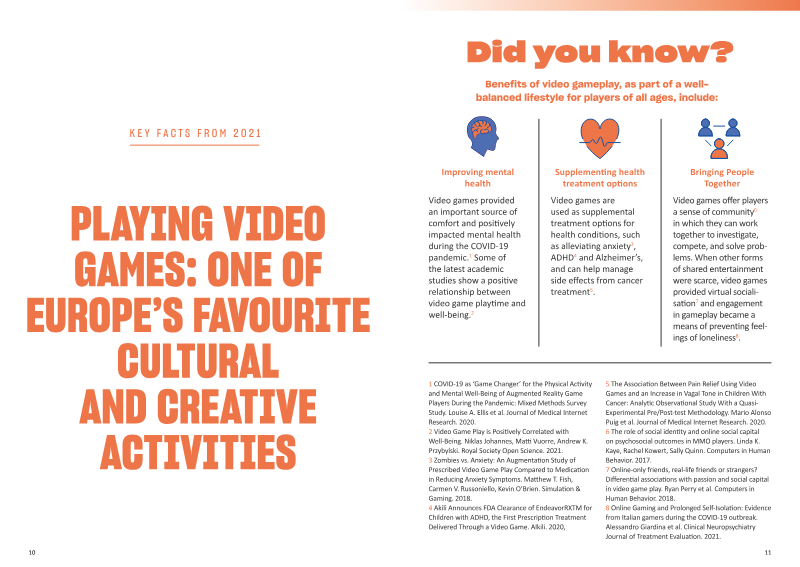
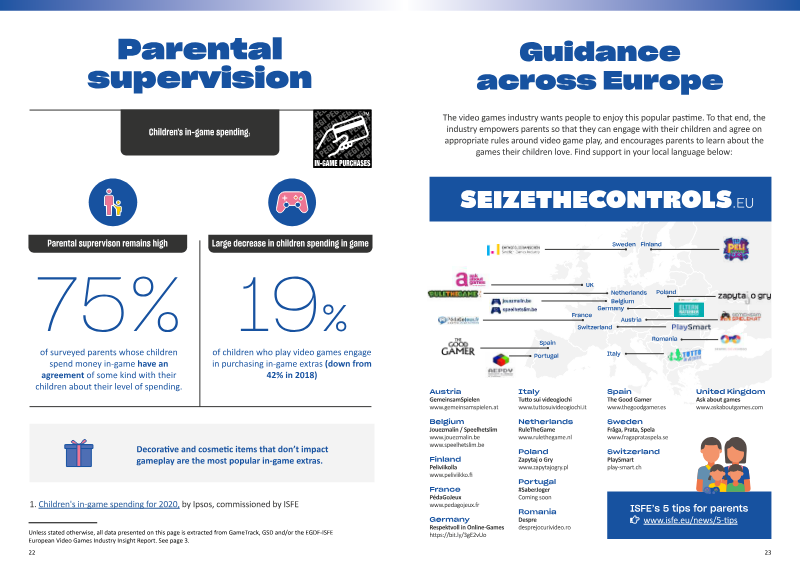
Europe's Video Game Industry: Key Facts 2021
The European video game industry serves as a significant economic and social pillar, generating €23.3 billion in annual revenue while supporting a workforce of nearly 100,000 professionals across 4,600 studios.
- The European video game industry generated €23.3 billion in annual revenue as of 2021.
- The sector employs nearly 100,000 professionals across 4,600 studios.
- The industry reached 124.8 million players in 2021, accounting for 52 percent of the total European population.
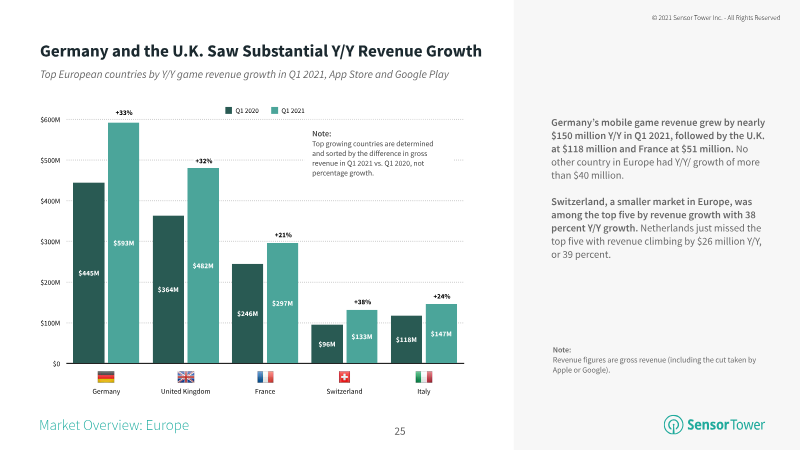
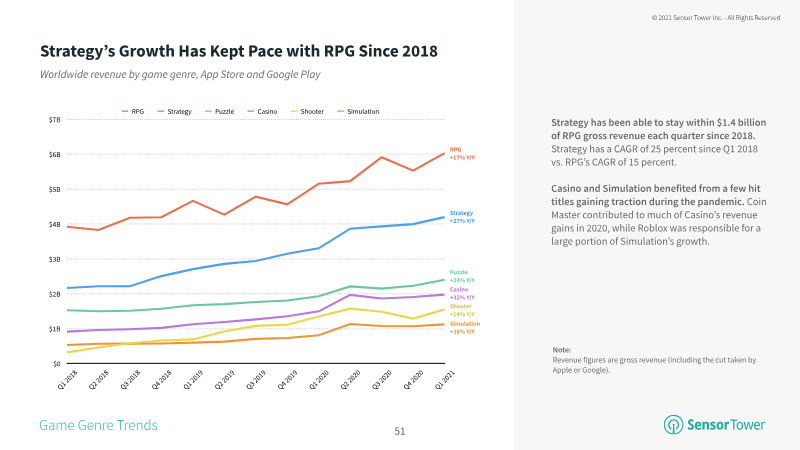

The State of Mobile Gaming 2021: U.S., Europe, and Asia
The global mobile gaming market experienced an unprecedented surge during the 2020–2021 period, fueled by pandemic-related shifts in consumer behavior that accelerated both spending and engagement.
- The global mobile gaming market reached $22 billion in quarterly consumer spending by early 2021, marking a 25% year-over-year increase.
- The industry is projected to reach $117 billion in consumer spending and 67.2 billion annual downloads by 2023.
- Monetization is highly concentrated, with the top five global markets accounting for 77% of total spending and the freemium model generating 99% of App Store revenue.


The State of Mobile Gaming: An Analysis of Mobile Gaming Market Trends and Top Titles in the U.S., Europe, and Asia
The analysis demonstrates that the mobile-gaming market expanded dramatically during the COVID-19 pandemic, with global quarterly revenue reaching $33 billion in Q2 2020 and downloads climbing 39% to 16 billion.
- The mobile gaming market is bifurcated between mature markets like the U.S., Japan, and China, which generate the bulk of global revenue, and emerging regions like India and Brazil, which drive the majority of download volume.
- Hyper-casual games are the fastest-growing segment, surging from 757 million installs in Q1 2018 to over 3.4 billion in Q1 2021, representing more than 30% of all mobile downloads.
- Freemium models are the industry standard, accounting for 99% of App Store revenue, while subscription models remain a minority, utilized by only 29% of top U.S. games.
European Video Games Industry Insight Report: 2021
The European video games industry experienced a period of significant expansion throughout 2021, solidifying its position as a major economic contributor across the continent.
- In 2021, the EU video game industry comprised 5,500 game developer studios and over 250 game publishers, employing 85,000 people and generating a turnover of €18.3 billion, up from 78,000 employees and €15.1 billion in 2020.
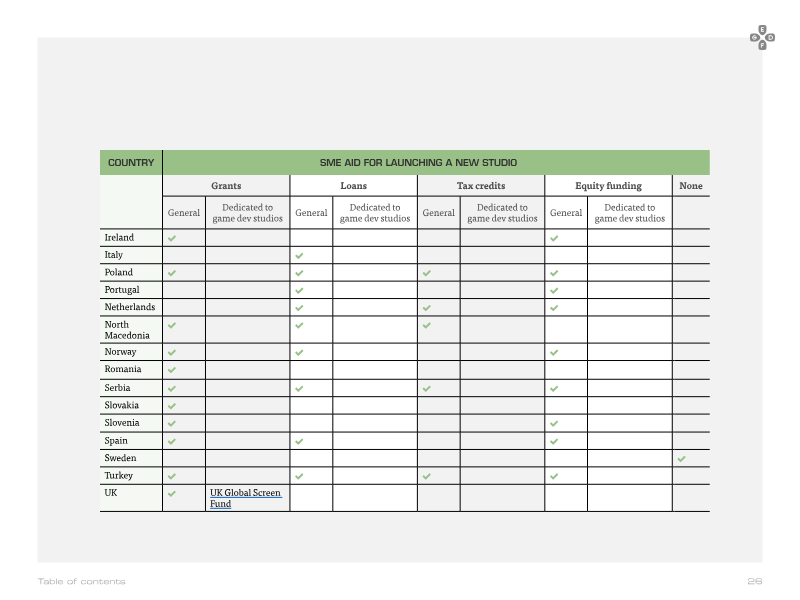
- Many European countries offer cultural aid for video game production, with common forms including grants (e.g., Austria, Denmark, Finland), loans (e.g., Belgium, France), and tax credits (e.g., Belgium, France, Germany, Greece).
- Europe has a robust educational infrastructure for game development, with numerous institutions offering study programs; for example, Austria has 13 institutions, Belgium 8, and the Czech Republic 8.
Trialogue Negotiations on the Proposal for an e-Privacy Regulation: Key Considerations from the Video Games Industry
Video Games Europe, representing 17 major publishers and national trade associations across 15 European countries, urges trialogue negotiators to craft an e-Privacy Regulation that aligns with GDPR consistency while preserving the sector’s capacity to innovate and protect users.
- The European video game industry, comprising 5,100 studios and 90,000 employees, generated €12 billion in annual turnover and saw 22 percent year-on-year growth as of 2020.
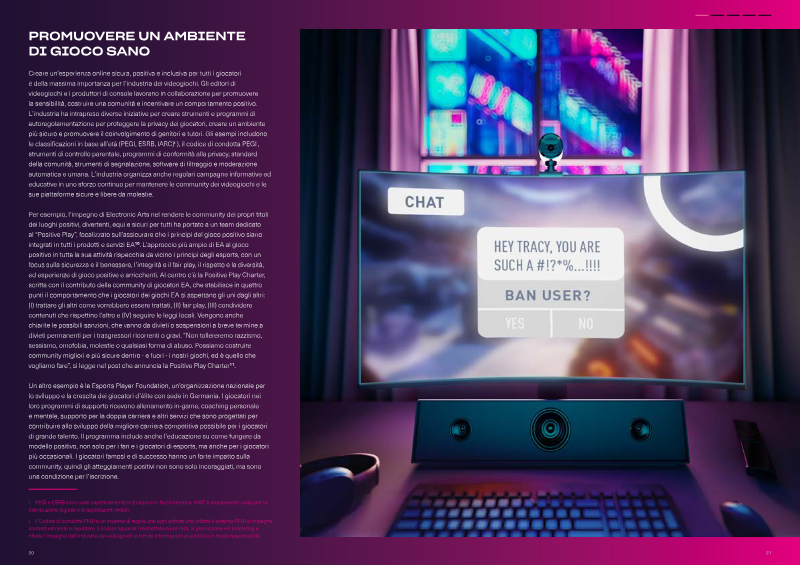
- Video Games Europe argues that in-game chat rooms must be excluded from the definition of interpersonal communication services to allow for essential monitoring of cheating, hate speech, and child safety risks.
- The industry advocates for Article 8 provisions that permit processing terminal equipment data for security, fraud prevention, and performance updates without requiring individual consent.
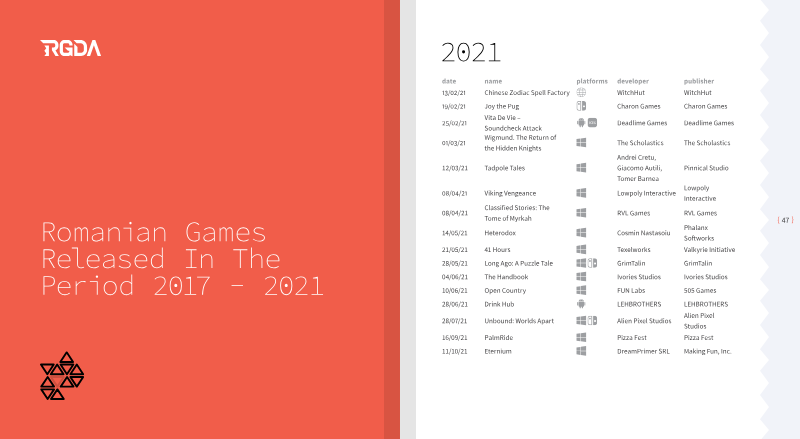

Romanian Game Development Industry Report: 2020
The Romanian game-development sector has emerged as a rapidly expanding component of the national digital economy, delivering €218.5 million in revenue in 2020—a 19.1% year-on-year increase that pushed total earnings beyond the €200 million threshold.
- The Romanian game development industry generated €218.5 million in revenue in 2020, marking a 19.1% year-on-year growth rate.
- The broader IT sector, bolstered by state-aid schemes and tax exemptions, employed over 113,000 people and contributed approximately 6.8% of Romania's GDP in 2020.
- Major AAA support studios including EA Romania, Ubisoft, and Gameloft employ roughly 750 developers in the country, contributing to global franchises like FIFA and Assassin’s Creed.

Guida agli Esports: Italia
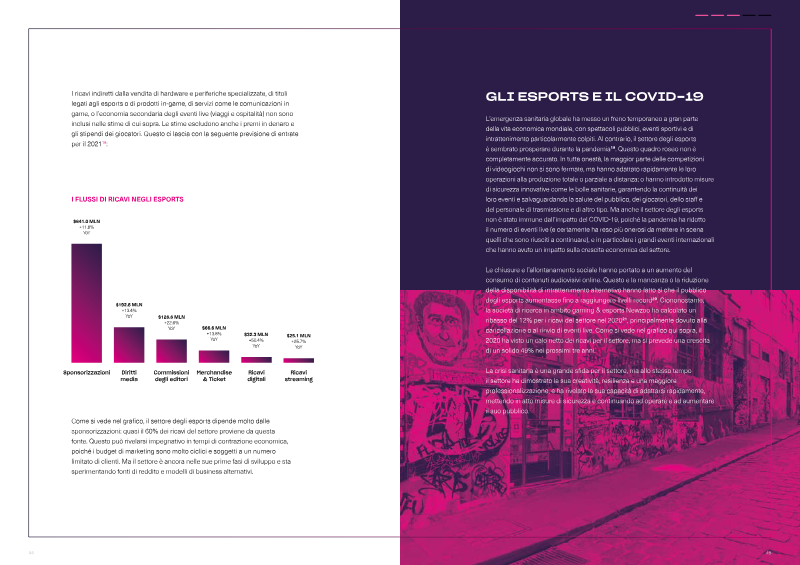
The analysis positions esports as a rapidly expanding digital sport that, in 2021, generated $947.1 million in revenue and attracted more than 215 million fans worldwide, with total direct earnings approaching $1.1 billion.
- The global esports market reached $947.1 million in revenue in 2021, with total direct earnings approaching $1.1 billion and a fan base exceeding 215 million.
- Market growth is primarily concentrated in regions with advanced broadband infrastructure, specifically East Asia, Northern Europe, and North America.
- Game publishers hold exclusive control over competitive ecosystems, often investing over $100 million per title to manage updates, balance changes, and essential broadcast rights.