1 free read left. Create a free account for unlimited reading + AI research.
Create free accountReport VšĮ Lietuvos Inovacijų Centras
1 free read left. Create a free account for unlimited reading + AI research.
Create free accountReportVšĮ Lietuvos Inovacijų Centras
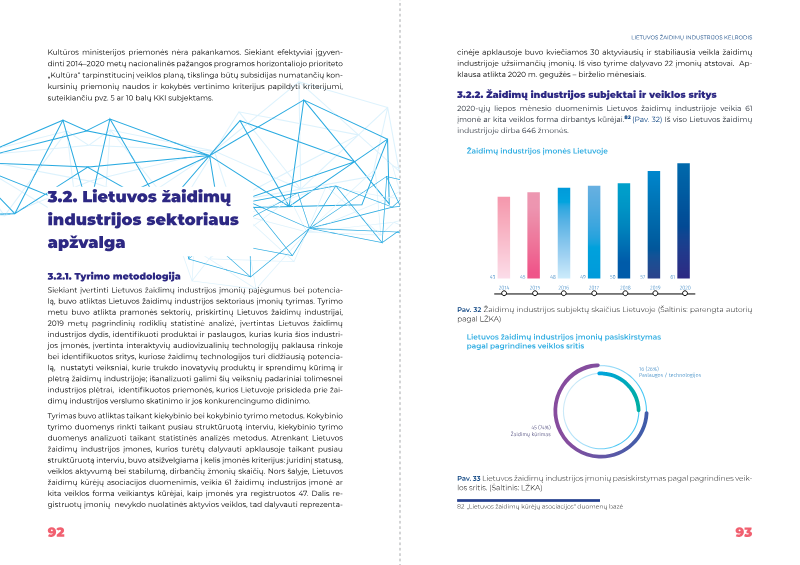
The industry comprised 61 active entities as of 2020. Its economic impact is comparable to the national laser industry.
The Lithuanian Game Industry Roadmap 2020 serves as a comprehensive strategic framework designed to elevate the nation’s gaming sector into a leading regional hub by 2030. The industry is currently characterized by high export dependency, with over 95% of production destined for international markets, and an economic impact that rivals the national laser industry. As of 2020, the sector comprises 61 active entities employing 646 professionals. While the industry demonstrates strong growth potential and high revenue per employee, it remains vulnerable to the departure of foreign-capital firms and faces significant hurdles regarding access to specialized funding, talent retention, and the absence of industry-specific tax incentives.
Global trends heavily influence this trajectory, as the industry shifts toward "Games as a Service" (GaaS) models, cloud-based delivery, and the integration of artificial intelligence and big data. Mobile gaming continues to dominate the global landscape, yet there is a notable expansion into "serious games"—interactive simulations applied to healthcare, education, and manufacturing. To remain competitive, the Lithuanian sector must transition from its current reliance on mobile development toward more complex PC and console projects, while leveraging its creative and cultural industry status to foster cross-sector innovation.
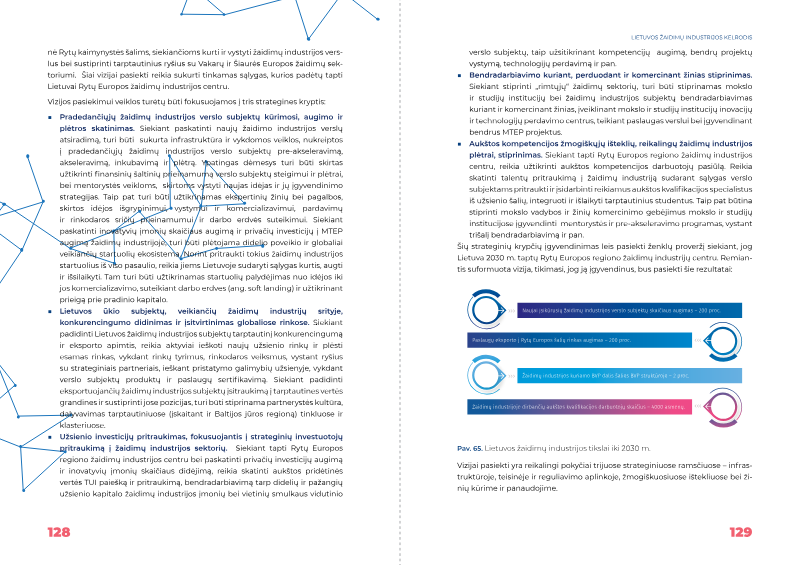
To achieve the ambitious 2030 targets—which include a 200% increase in new businesses, a 2% contribution to national GDP, and a workforce of 4,000 specialists—the roadmap advocates for a four-pillar strategy. This approach emphasizes the development of specialized infrastructure, such as national game accelerators and incubators, alongside the implementation of targeted tax incentives similar to those utilized by the film industry. By fostering stronger collaboration between academia and the private sector and integrating gaming technologies into broader national economic priorities, Lithuania aims to secure its position as a sustainable, innovation-driven player in the global digital economy.

Deconstructor of Fun · 2026
The Game Business · 2026
European Games Developer Federation · 2026
Naavik · 2026
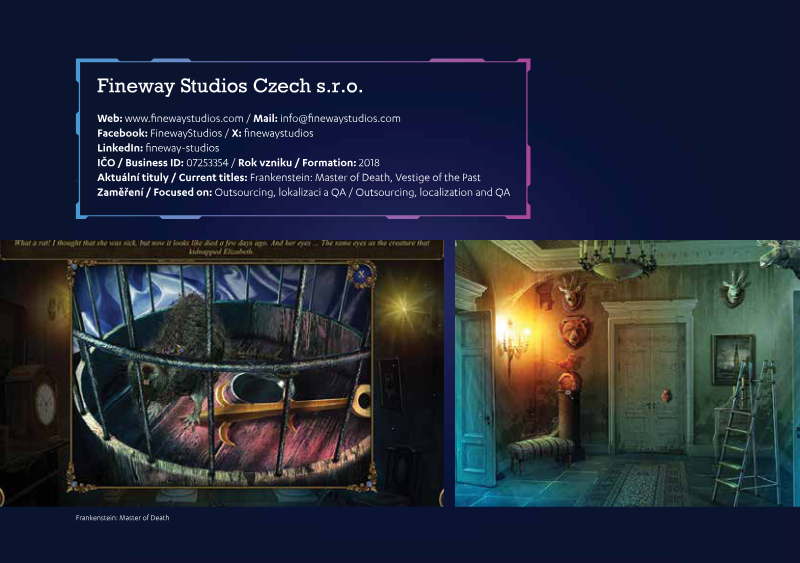
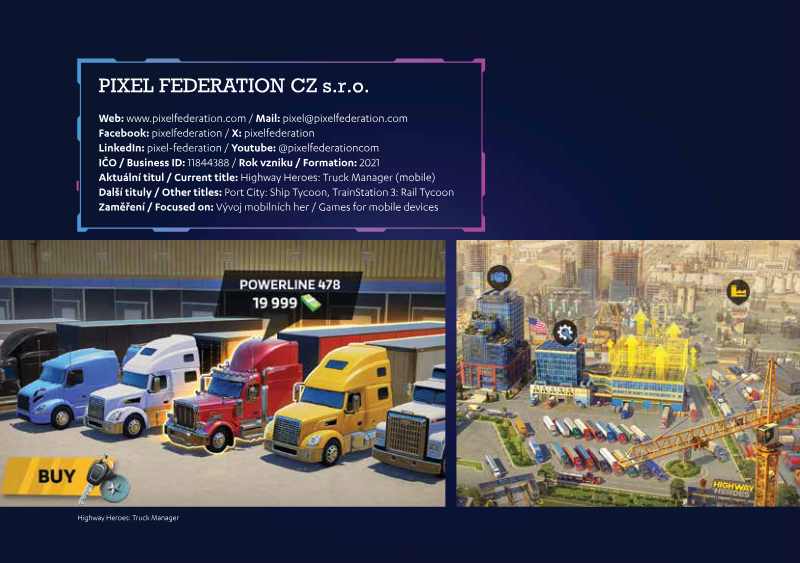
GDACZ – Czech Game Developers Association · 2026
PocketGamer.biz · 2026
PocketGamer.biz · 2026
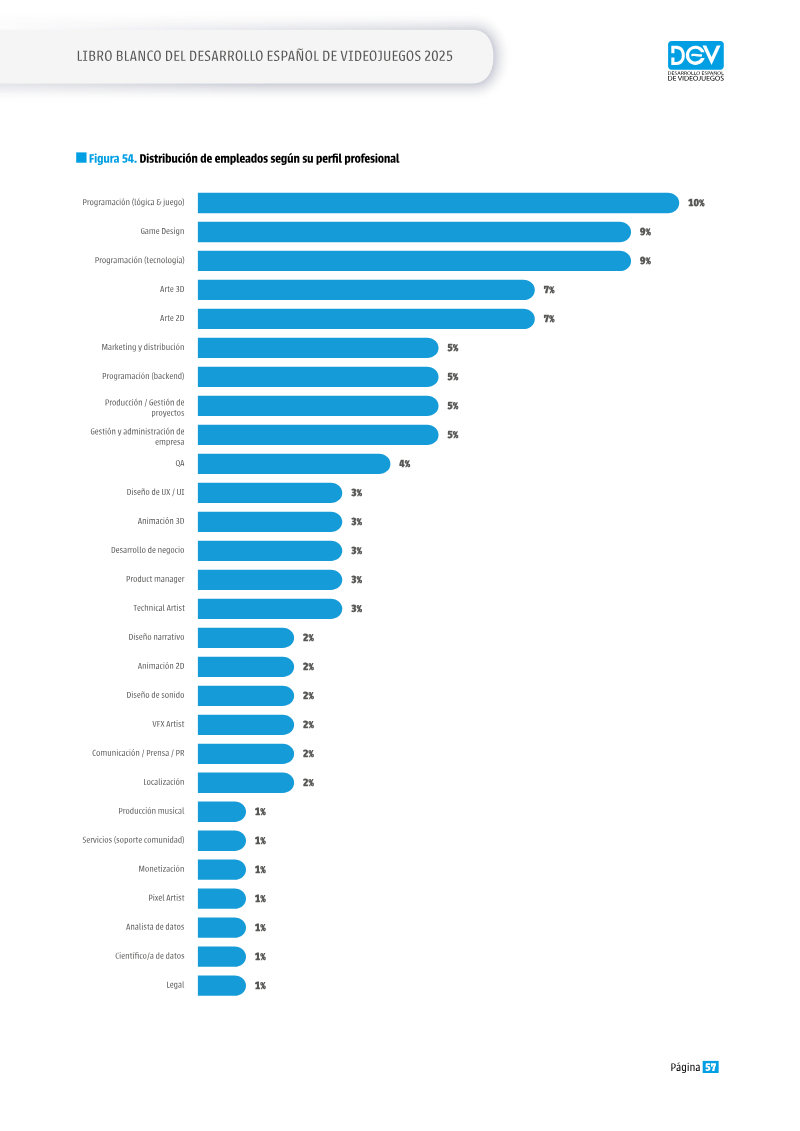
DEV – Asociacion Espanola de Empresas Productoras y Desarrolladoras de Videojuegos · 2026
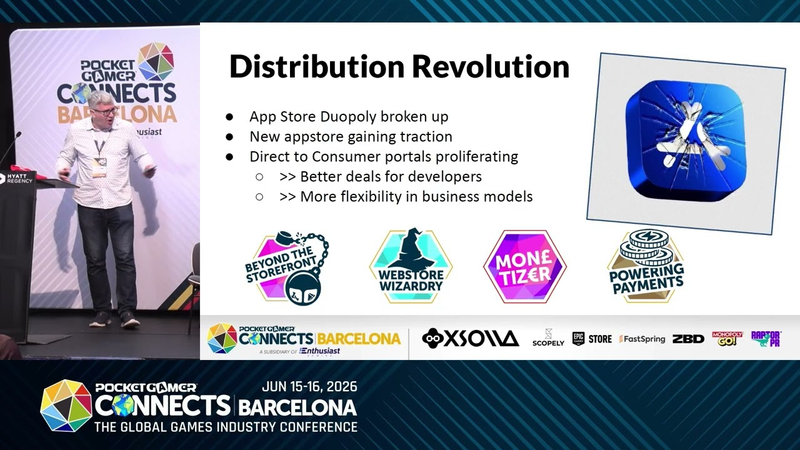
PocketGamer.biz · 2026
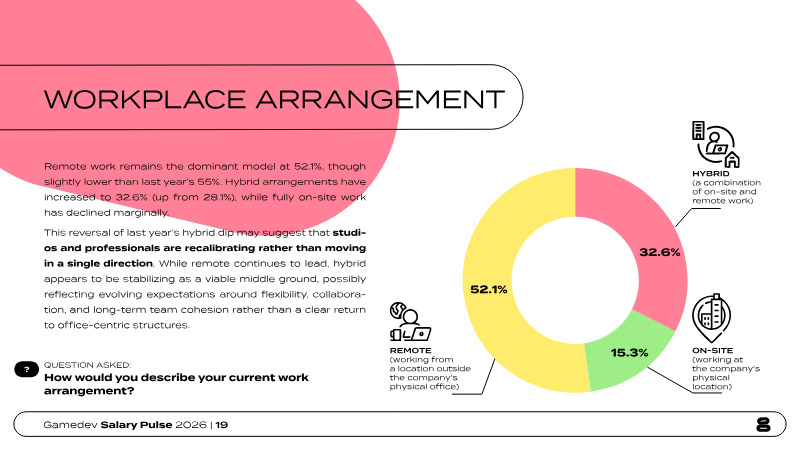
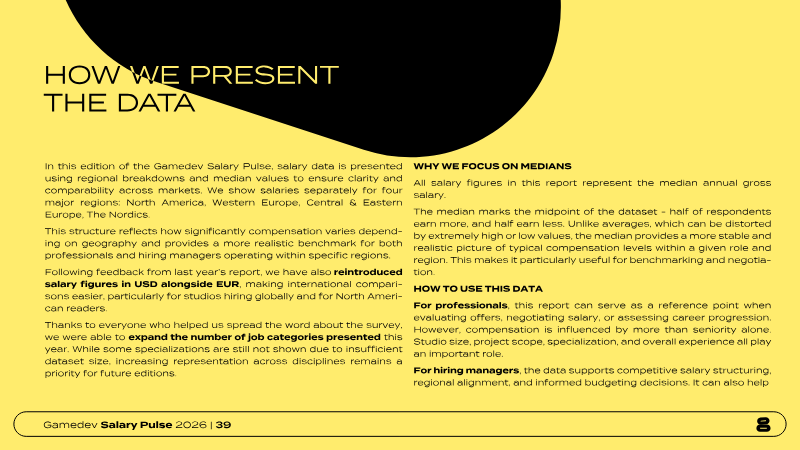
8Bit · 2026
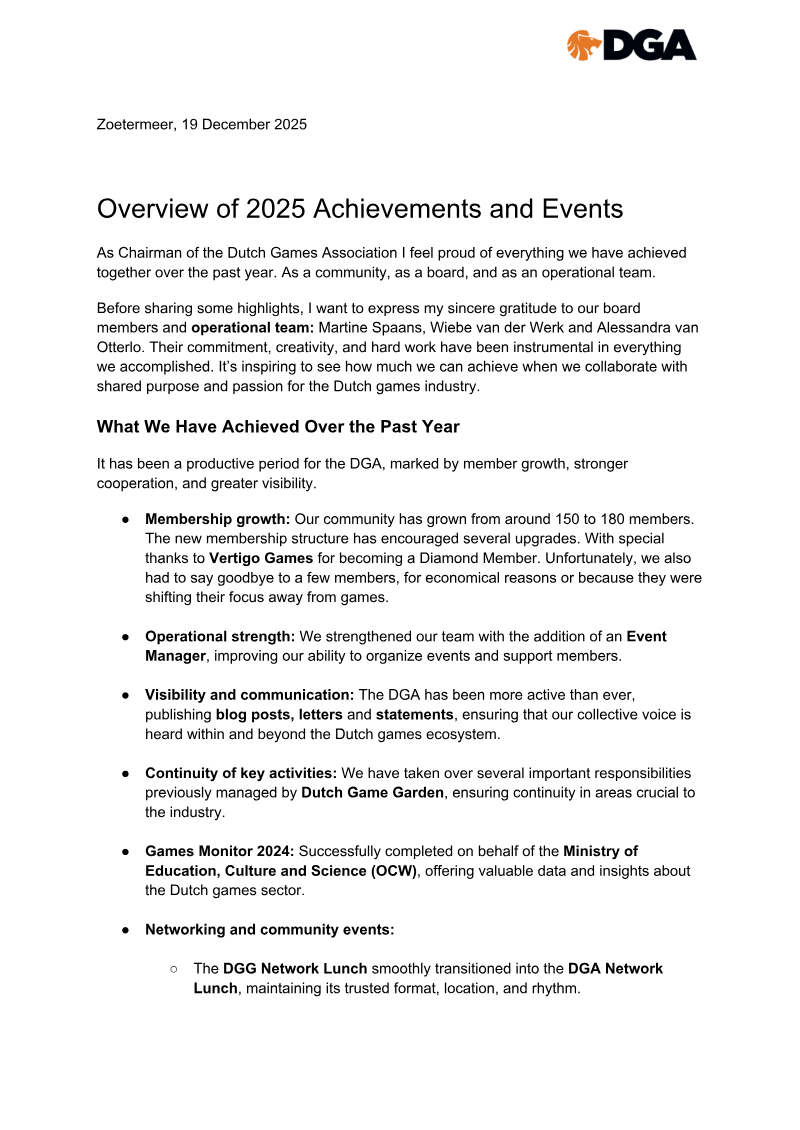
Dutch Games Association · 2025
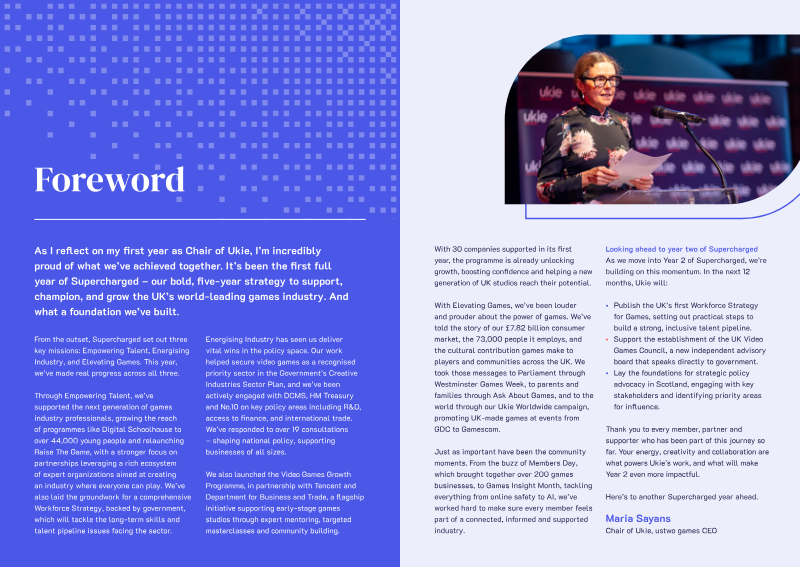

Ukie · 2025