
Guida agli Esports: Italia
202135 pages~96 min full read
The analysis positions esports as a rapidly expanding digital sport that, in 2021, generated $947.1 million in revenue and attracted more than 215 million fans worldwide, with total direct earnings approaching $1.1 billion. Growth is concentrated in regions with advanced broadband infrastructure—East Asia, Northern Europe and North America—where titles that balance accessibility, competitive depth and spectator‑friendly design dominate the market. The ecosystem is defined by five interdependent actors: game publishers, tournament organizers, professional and amateur teams, players, and fan communities, each relying on robust licensing agreements and strong intellectual‑property protection to sustain competitive formats and monetisation pathways.
Publishers invest heavily, often exceeding $100 million per title, and retain exclusive control over game updates, balance changes and the creation of official competitive modes, making their cooperation essential for event staging and broadcast rights. Organisers must secure these rights before launching tournaments, while fan‑generated content such as streaming, casting and influencer activity drives viewership and ancillary revenue streams. The sector’s economic impact extends beyond digital earnings; flagship events have delivered measurable short‑term gains—Rotterdam recorded €2.36 million in visitor revenue and Katowice generated $12.8 million—while also enhancing city branding, attracting young talent and prompting infrastructure investment.
Education and social inclusion are emerging pillars, with universities offering scholarships and curricula that leverage esports to develop digital, problem‑solving and teamwork skills. Initiatives targeting gender balance, including Women in Games and dedicated incubators, aim to broaden participation and address persistent representation gaps. The overarching conclusion stresses that sustained, coordinated action among industry bodies, policymakers and diversity‑focused programs is vital to cement esports’ legitimacy, protect minors, and unlock its full economic and societal potential.
Video Games Europe · 2025
IIDEA – Italian Interactive Digital Entertainment Association · 2024
IIDEA – Italian Interactive Digital Entertainment Association · 2024
IIDEA – Italian Interactive Digital Entertainment Association · 2023
IIDEA – Italian Interactive Digital Entertainment Association · 2023

IIDEA – Italian Interactive Digital Entertainment Association · 2022
IIDEA – Italian Interactive Digital Entertainment Association
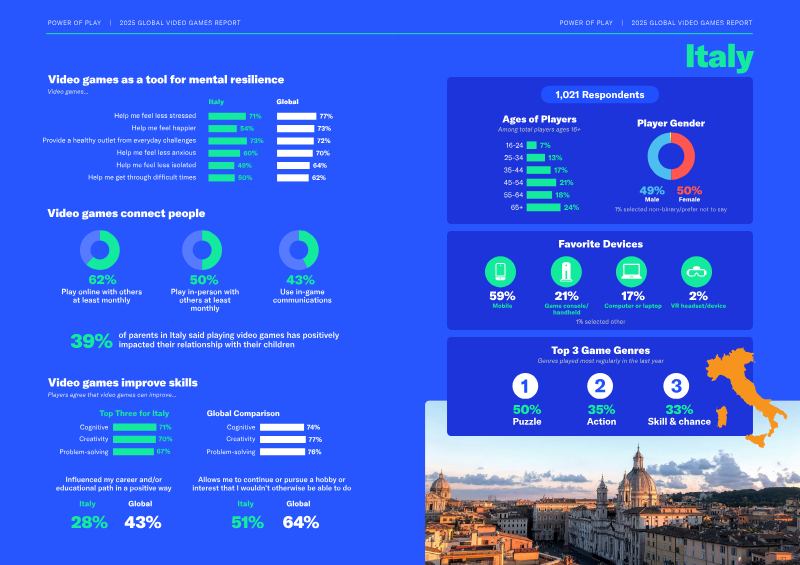
IIDEA – Italian Interactive Digital Entertainment Association
Interactive Software Federation of Europe · 2022
European Games Developer Federation · 2021
ISFE · 2021
Niko Partners · 2026

SpielFabrique · 2026
Deloitte · 2026

AEVI · 2025
European Schoolnet · 2024
Video Games Europe · 2024
Video Games Europe · 2024
AEVI · 2024
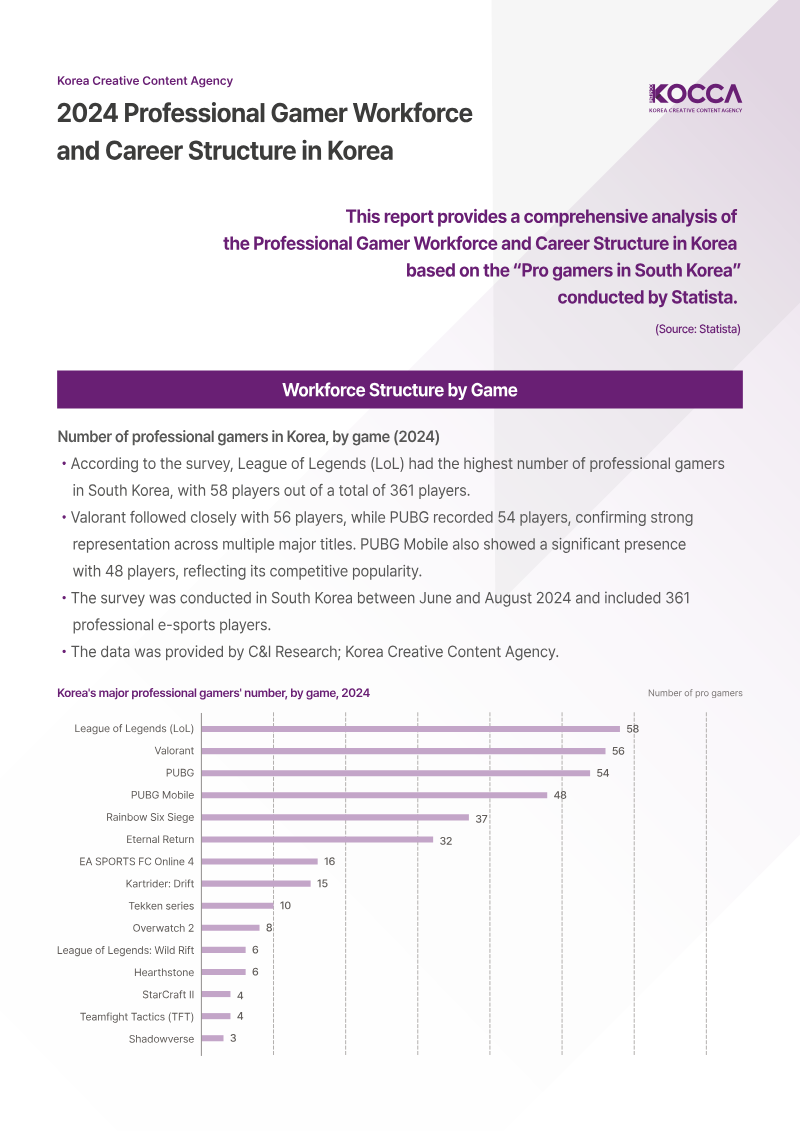
KOCCA – Korea Creative Content Agency · 2024