LegalVideo Games Europe
Trialogue Negotiations on the Proposal for an e-Privacy Regulation: Key Considerations from the Video Games Industry
20212 pages~7 min full read
Video Games Europe, representing 17 major publishers and national trade associations across 15 European countries, urges trialogue negotiators to craft an e‑Privacy Regulation that aligns with GDPR consistency while preserving the sector’s capacity to innovate and protect users. The industry, valued at €23 billion in consumer spend in 2020 and growing 22 percent year‑on‑year, comprises roughly 5,100 developer studios and publishers with combined annual turnover of €12 billion and a workforce of about 90 000 employees.
Key positions stress that in‑game communications, particularly chat rooms open to all players, must remain outside the definition of an interpersonal communication service, as clarified in Recital 11aa, to enable monitoring for cheating, hate speech, bullying, grooming and child sexual abuse. Requiring consent for such monitoring would be ineffective, especially for under‑age users, and could impede investigations. The industry also seeks broad adoption of the Council’s provisions in Article 8, allowing processing of terminal equipment information for performance optimisation, audience measurement, security, fraud prevention and software updates without individual consent, thereby avoiding consent fatigue and cumbersome parental authorisation.
Video Games Europe opposes the introduction of mandatory privacy‑setting requirements in Article 10, arguing that they would stifle competition, concentrate power among a few software providers, and impose costly technical burdens on consoles. Finally, the association calls for Article 11 to be aligned with GDPR Article 23, expanding public‑interest exemptions to include protection of data subjects, enforcement of civil claims and IP enforcement, ensuring law‑enforcement access while safeguarding fundamental rights.
Video Games Europe · 2026

Video Games Europe · 2026

Video Games Europe · 2026

Video Games Europe · 2026

Video Games Europe · 2026

Video Games Europe · 2026
Video Games Europe · 2025
Video Games Europe · 2025
Video Games Europe · 2025
Video Games Europe · 2025
Video Games Europe · 2025
Video Games Europe · 2025

AEVI · 2025

AEVI · 2025

Video Games Europe · 2023
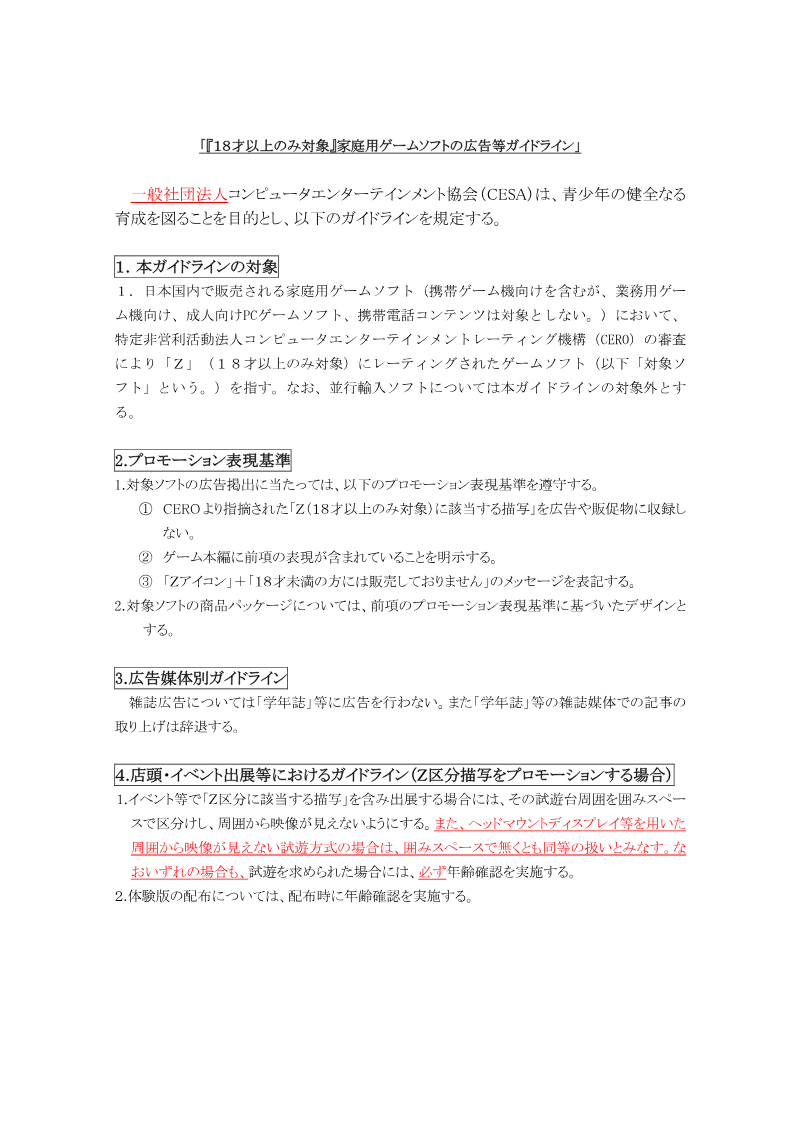
CESA – Computer Entertainment Supplier's Association · 2008

GEEIQ · 2026

Gamesight · 2026

SocialPeta · 2026

SocialPeta · 2026
Anzu · 2026

SocialPeta · 2026

Raptive · 2026

Decision Lab · 2026