Esports statistics and market reports
Documents
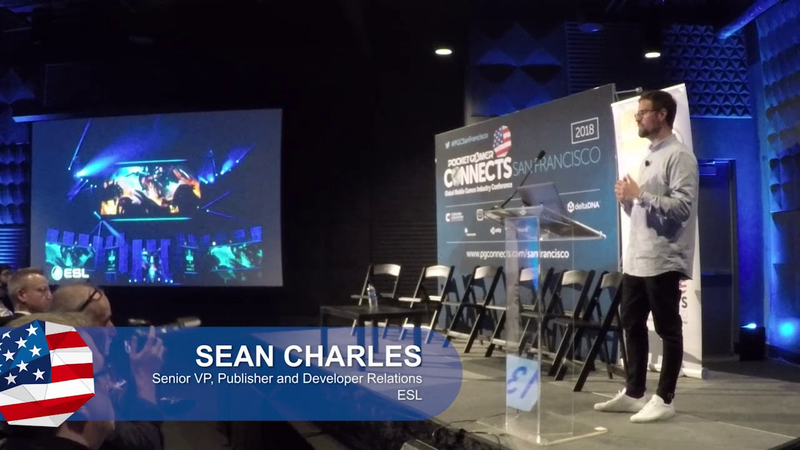
The current state of esports and the future of the industry
The esports industry is currently undergoing a rapid evolution, transitioning from niche competitive gaming to a global entertainment phenomenon that fills stadiums and engages millions of viewers.
- The esports industry is evolving into a global entertainment category similar to motorsports, characterized by the professionalization of diverse gaming ecosystems rather than a single unified entity.
- ESL currently reports a reach of approximately 175 million gamers and generates over 27 billion minutes of content annually.
- Broadcasters are refining the spectator experience by integrating augmented reality for real-time statistics and synchronizing in-game events with physical stadium lighting.
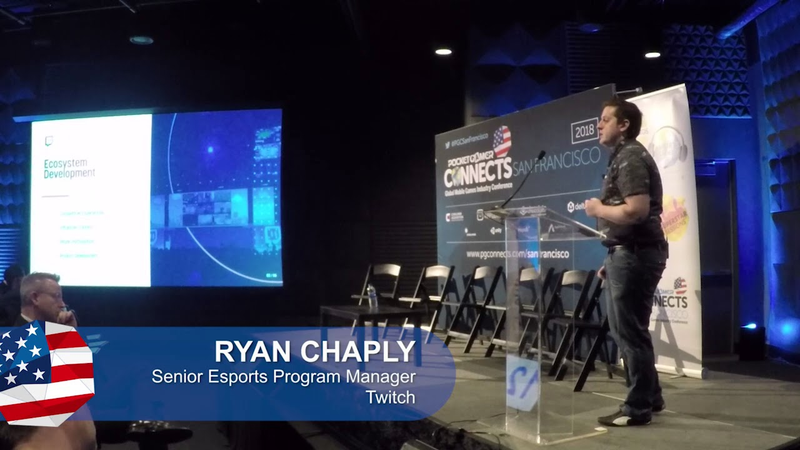
Building esports and viewership as a product
The integration of esports into the broader product development lifecycle serves as a critical strategy for maintaining long-term player engagement and viewership.
- Shift esports from a marketing expense to a core game design component to create a sustainable 'watch, play, and engage' feedback loop that converts viewers into active players.
- Integrate interactive broadcast tools like Twitch Drops and real-time data visualization extensions to deepen the connection between tournament viewership and in-game rewards.
- Utilize account linking and API-driven leaderboards to capture behavioral data, enabling developers to iterate on product design and maintain long-term player interest beyond the launch window.
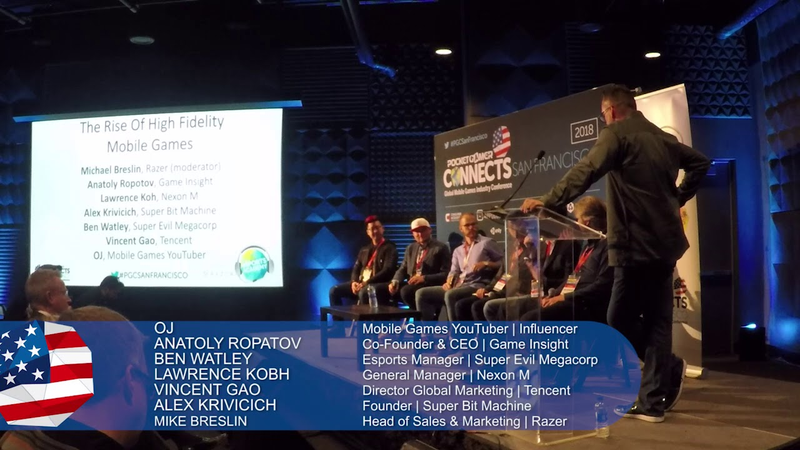
The rise of high fidelity mobile games
The mobile gaming industry is undergoing a fundamental transformation as it shifts from casual, low-complexity titles toward high-fidelity, hardcore experiences that rival traditional console and PC gaming.
- The mobile gaming market is shifting from casual, low-complexity titles to high-fidelity, hardcore experiences that directly compete with console and PC gaming.
- Technological advancements, specifically the widespread adoption of high-refresh-rate displays and 5G connectivity, have removed latency barriers to enable complex, synchronous multiplayer gameplay.
- High-fidelity titles like battle royales and MOBAs are increasingly displacing traditional puzzle games in Western markets due to superior monetization potential and deeper player engagement.

Ladders and Team Games - Doing it Wrong - Extra Credits
Current competitive ladder systems in team-based video games are fundamentally flawed because they rely on adaptations of the Elo rating system, which was originally designed for 1v1 chess.
- Current competitive ladder systems are fundamentally flawed because they apply 1v1 Elo rating models to team-based games, failing to account for the complexities of collective cooperation.
- Individual performance metrics, such as Microsoft’s TrueSkill, often incentivize stat-padding over objective-based team play, which degrades the overall competitive experience.
- The high-stakes nature of modern ladder systems encourages players to grind while fatigued or tilted, directly contributing to increased toxicity and reduced team cohesion.
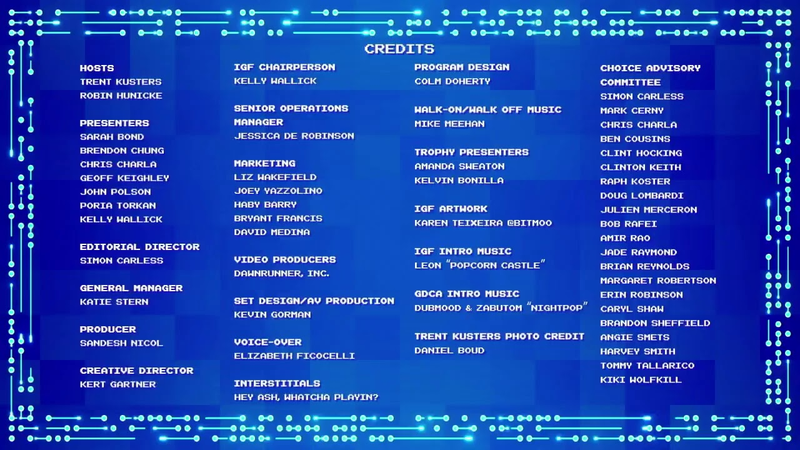
GDC Live Stream
The 20th Independent Games Festival and the 18th Game Developers Choice Awards serve as a comprehensive celebration of the global gaming industry’s evolution, emphasizing a shift toward diverse storytelling, technical innovation, and inclusive design.
- The 20th Independent Games Festival and 18th Game Developers Choice Awards recognized nearly 600 applicants, reflecting an independent sector that now matches major publishers in production standards.
- The Legend of Zelda: Breath of the Wild won Game of the Year, while Night in the Woods received the Seamus McNally Grand Prize, highlighting an industry trend toward deep, narrative-driven storytelling.
- Technical and artistic excellence was formally recognized in titles including Horizon Zero Dawn, Cuphead, and What Remains of Edith Finch, emphasizing the importance of sound, visual design, and mechanics.
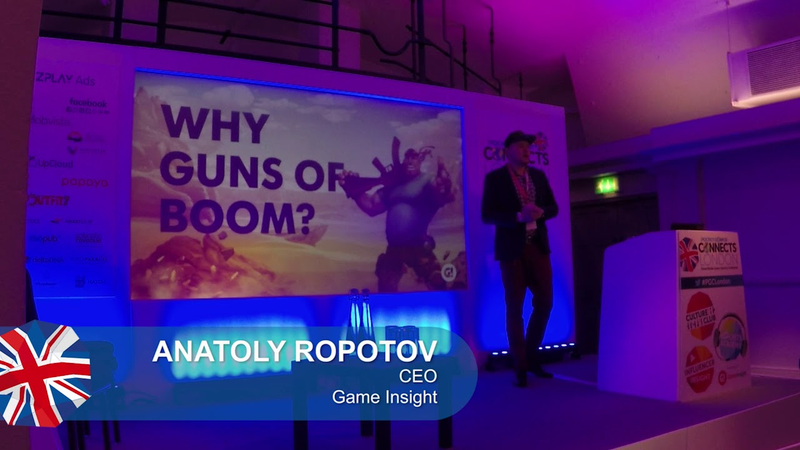
Bringing esports to mobile
The mobile esports landscape is currently undergoing a pivotal shift, transitioning from isolated titles to a broader ecosystem of competitive gaming.
- Successful mobile esports require a balance of high-level competitiveness and inherent streamability, supported by community-led tournament organization.
- Developers must prioritize accessibility by removing complex PC-style controls, such as jumping or crouching, to ensure a seamless mobile experience.
- The shooter 'Guns of Boom' achieved 30 million downloads and 25 million players within eight months of launch, demonstrating significant market penetration without initial Asian market exposure.
Games in 2020 – The future of entertainment, esports and beyond
The presentation explores the evolution of gaming toward a future defined by cloud-based infrastructure, interactive spectating, and the convergence of players and viewers.
- The gaming industry is transitioning from local, hardware-dependent play to a cloud-native ecosystem that utilizes server-side rendering to bypass local processing limitations.
- The 'Experience 3.0' model dissolves the traditional barrier between passive viewers and active players, allowing audiences to influence live game events through real-time inputs.
- 5G technology is a critical infrastructure requirement for this shift, providing the low-latency connectivity necessary to offload complex compute tasks from consoles to the cloud.
Summoners War and the recent esports and community events focus
The Summoners War World Arena Championship 2017 served as a strategic pivot for Com2uS, marking the developer’s transition from a purely mobile RPG experience to an active participant in the global esports landscape.
- The 2017 Summoners War World Arena Championship served as a strategic pivot for Com2uS, transitioning the mobile RPG into the global esports market to drive user acquisition and brand visibility.
- The Paris tournament in October 2017 attracted over 1,000 in-person attendees and reached a peak of 23,000 concurrent livestream viewers across ten languages.
- Tournament success directly correlated with commercial performance, as the game hit top-grossing status in France, Switzerland, and the Netherlands, and reached the number two spot in Germany during the event period.

An update on mobile esports progression and opportunities
Mobile esports represents a rapidly evolving sector characterized by high accessibility, a massive global user base, and a unique capacity for rapid community engagement.
- Mobile esports currently accounts for less than 10% of global esports viewership, representing a significant growth opportunity due to its high accessibility and lower hardware barriers compared to PC gaming.
- Mobile titles achieve financial sustainability by moving away from pay-to-win models toward monetization strategies centered on in-game purchases, licensing, and high-production-value tournaments.
- Mobile esports tournaments often achieve immediate cost recovery through in-game microtransactions, a financial efficiency rarely seen in traditional PC-based competitive gaming.
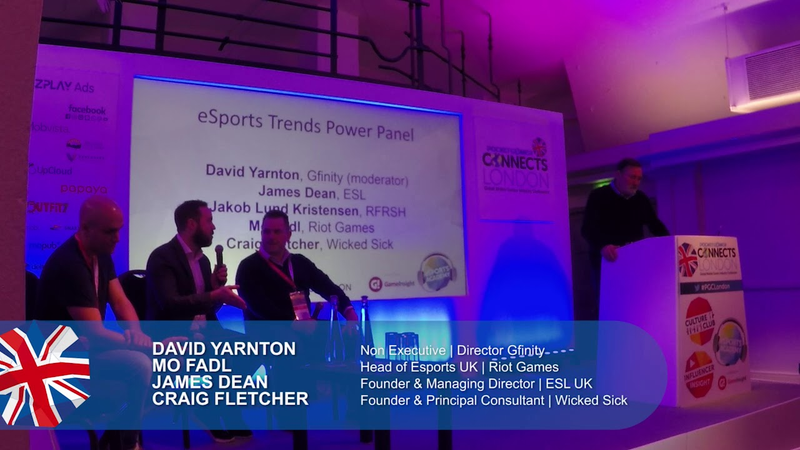
The esports trends power panel
The esports sector is undergoing a significant transformation, shifting from a niche PC-centric hobby to a mainstream entertainment powerhouse projected to reach 286 million interested individuals.
- The esports sector is expanding toward a reach of 286 million interested individuals, driven primarily by the accessibility of mobile gaming platforms.
- Long-term industry success depends on platform-agnostic content that prioritizes the quality of the entertainment experience over specific hardware requirements.
- Aggressive franchising models that mimic traditional sports structures risk creating market bubbles and alienating stakeholders; developers should instead focus on sustainable, community-first growth.
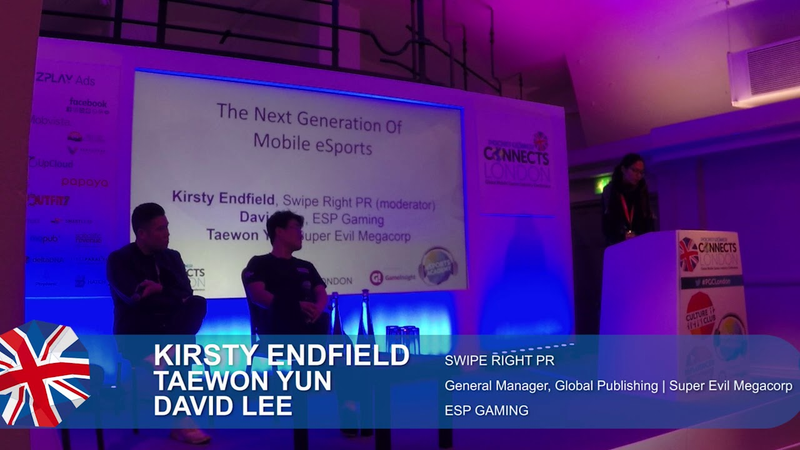
The next generation of mobile esports
The mobile esports sector is currently undergoing a significant transformation, driven by advancements in hardware, the rollout of 5G technology, and an increasingly mature audience.
- Mobile esports is transitioning from a niche category to a professionalized industry with distinct profit-and-loss models that mirror traditional sports.
- The shift from 4G to 5G technology is critical for competitive viability, as 5G reduces latency from 50–80 milliseconds to under 10 milliseconds while resolving bandwidth congestion at live events.
- Mobile esports viewership now frequently rivals or exceeds that of established PC and console titles, driven by the ubiquity of mobile devices and a lower barrier to entry.
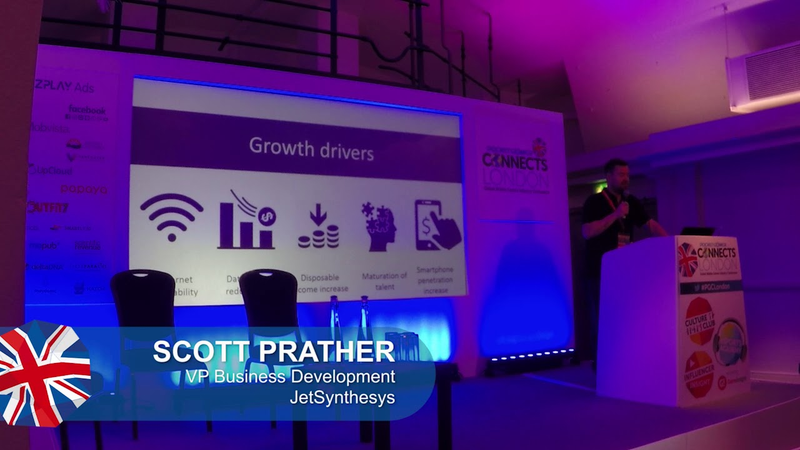
Mobile eports in India
The Indian mobile gaming market represents a significant, high-growth opportunity for developers, characterized by a massive, young population and a rapid transition to smartphone-based internet access.
- The Indian mobile gaming market is driven by a young demographic, with half of the 1.3 billion population under the age of 25.
- Smartphone penetration is rapidly expanding, with device counts projected to reach 530 million by the end of 2018 and internet availability expected to rise to 53 percent by 2021.
- Monetization in India relies heavily on freemium models, as top-tier freemium games generate 22 times the revenue of premium titles, necessitating microtransactions as low as 10 cents.