1 free read left. Create a free account for unlimited reading + AI research.
Create free account
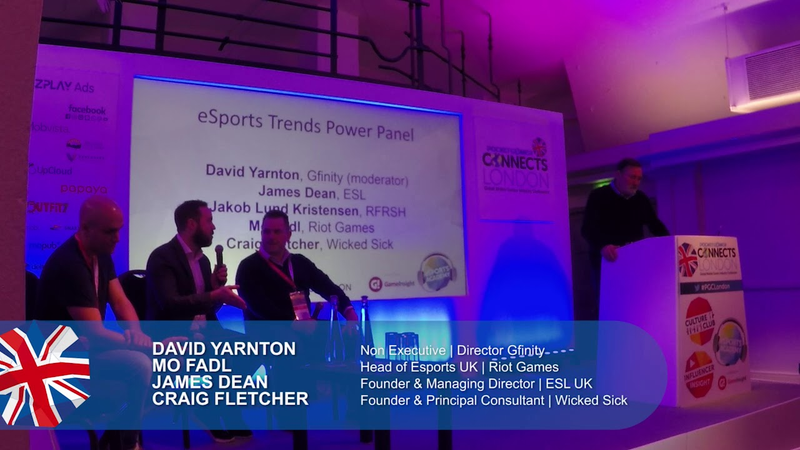
The esports trends power panel
Key insights
6 takeaways- 01The esports sector is expanding toward a reach of 286 million interested individuals, driven primarily by the accessibility of mobile gaming platforms.
- 02Long-term industry success depends on platform-agnostic content that prioritizes the quality of the entertainment experience over specific hardware requirements.
- 03The industry must bridge the gap between casual play and professional competition by investing in grassroots support, physical hubs, and educational initiatives.
- 04Aggressive franchising models that mimic traditional sports structures risk creating market bubbles and alienating stakeholders; developers should instead focus on sustainable, community-first growth.
- 05Financial stability for professional teams and organizations requires diversified monetization strategies rather than reliance on rapid, forced expansion.
- 06Future viability in the esports market demands a willingness to accept financial risk and a commitment to reinventing business models to support new intellectual property.
Ask AI about this video
Transcript
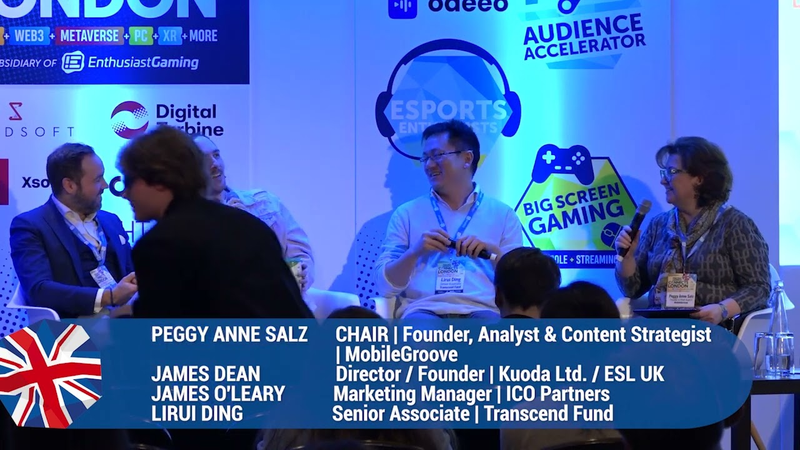
[Music] [Music] [Applause] you'll get is at the beginning because at the end of it you'll probably be you know maybe to support now you might be disappointed but such an illustrious panel on top of that I mean I know it's the afternoon probably had lunch and it's sort of almost not quite the graveyard shift so we try and make it as interesting as possible just to give you a little bit of background I'll introduce our panelists in a minute I'm David yarter my director of gfinity which is an eSports company which listed here in London on the second board in 2014 I was trying to look at it and I thought I've been to a couple of talks earlier today and they're talking about culture in companies and diversity and I
realize now that the reason I'm here is to help with diversity by having old people as well but I've been in the games industry since 1986 which you know is over 30 years so a lot of you guys probably weren't even born then or even a twinkle in your mum and dad's eyes and so I was with Nintendo launched about us headed up the other day about eight or ten different consoles from Smith's game and watch things like that and in 2012 I started think about what I do with life and I love sport and I manage a national rugby league rugby union team so competition love there and video games have been all my life so what better thing to do then get sport and video MCA and eSport so that's when I joined gfinity our panel I'll start from right to left my he's just recently joined
Riot Games four previous to that was with wargaming as in looking after their eSports so huge amount of experience he's been also with blizzard and NCsoft so probably get a little bit more detail with his background when we kick off and I'm James Dean he's the managing director of ESL here in the UK but he's been in probably I'd say apart from Craig who's been in eSports in the UK for you know I used to go to his events yeah I was going to say so I think we probably started off in the in the orders not right-to-left its age as well moving up the ranks with the youth on the far side and the pensioners up this end so Jason from ESL hope started created his own business here and then in 2016 ESL Germany bought and become a subsidiary and obviously everyone knows ESL they're the biggest eSports company in the world as in events now and in
Craig Fletcher who's been almost in in games as long as I have but he started off very much in the dial-up days with in 1994 running doom tournaments and progressed there with a company called multi play running large events with insomnia but also I think I've seen earlier server hosting and then eSports as well and multiplayer was brought up by game in what 2000 2015 and I was going to say that she Craig's retired nobody hasn't he's now moved into a different area of business and that's as a entrepreneur and founder of a company called we could seek we did have another person that they pull they unfortunately had some issues just a little background we you guys probably I mean you all sort of familiar with video games and the factors you know I've seen numbers come up you know currently 2.2 6 billion games in the world going to be 2.5 billion gamers in the world in by 2020 and at the moment they estimate probably
about 190 192 million people are interested in eSports and then by 2019 2020 they're talking about 286 movie which really are supposed to some extent not necessary huge number but I think when you start looking at people in eSports it's the type of the passion that they have and the reason they're into eSports and I think the guys will explain a little bit more about home how important communities are it's really the hot topic a lot I think at the moment eSport since it's a bit sort of I think misleading because you know some of the numbers I've even seen numbers put up here by other speakers about the numbers of people viewing eSports comparison to you know football American football ice hockey and things like that and they say oh how big it is but they fail to actually break down that they lump eSports all in as one thing rather than these are individual sports which is a little bit what the eSports because a bit light where there are tribes where people don't necessarily follow everything and also all the money that's in talked about but we want to hear from
these guys because they've got all hopefully the expertise and experience as well just if you wanted to give a little bit of brief background first of use of silver stat for mo Johnny just you just brief one as time is short mo I'm the head of eSports UK now joint riot three months ago before that six years that wargaming had a global competitive gaming focusing heavily on grassroot building up eSports for game which was that I've designed to be in eSports and now we ain't do the thing same thing more or less for grassroot upwards in the UK and naturally Wright has plans for upcoming products which is experience come very handy in there and similar actually from a UK aspect one of our jobs is to build a grassroots eSports so national leagues for example but also bring big events to the UK as well so actually become a foundation of potential opportunity globally for the
UK yeah I think you did a good introduction there happy cook most of it from dial up doom to leagues to massive LAN parties of today but yeah I won't work again I think one of the things that we did there is we opened these gaming centers called belongs that's something too because we'd never really had an internet cafe culture in the UK it never really took off and you look at Korea there's a PC bang on every corner and so there's 20 open in the UK now these belongs as what I'm bored or Street and game themselves also trying to trying to pivot away from high street retail I think all of us know where that unfortunately there were a direction that's going in and to pivot to be more an experience your company right now I'm consulting re-evaluating life and seeing what I'm going to do next and helping people with access to funding and and and getting the next generation entrepreneurs I hope the whole concept to belong works because I think it'd be pretty hard having been cafes here it just meant were culturally would it one of the things open because this is sort of predominantly a bit of a when I say
mobile conference so if I looked at it my backgrounds much more console and handheld and you know in some respects a lot of our people more PC background etc so I wanted to try and sort push it towards that mobile side and you know I know a lot of people have spoken about you know games like vainglory and clash Royale and honor among kings which you know are the sort of big ones the big names as you know lots of money I mean there's I've seen numbers of honor of Kings saying something like four hundred million income a month in China for the game so you know huge sort of numbers and there's really big participation rates but to me is the viewing numbers what the viewing numbers of these sorts of things and you know how what does the future hold for mobile because to some extent I think when we spoken about eSports and the previous big speaker that's on stage before I thought it was really good because you talked about eSports being not just the players but the people viewing some views on how mobile can overcome some of these issues
I think to start with it's about the the depth of the game itself and sinking that 10 K hours into a game itself and and that's what builds that viewership in because you're interested and obviously seeing how other people play that was the premise of watching other people play in the first place obviously around that the personalities start building up for teams the players different IPS coming into that space and so you've moved towards that experiential environment and that's where we start to see that viewership really grow so what right now you know like I was saying earlier mobile eSports probably less than 10% of the global eSports viewership and that's just going to continue to grow in amongst the growth of eSports viewership as a whole just as that that kind of franchise within the mobile environment will start to to encroach in the bigger space yeah well as people have already said Mobile there is no barrier to entry just
about everyone on the planet now has a smartphone or else you all soon will so I think that's certainly that interesting talk on India just before in terms of its it will all happen isn't even there it's on Google Play and earlier today we had the that some of the some insights from the likes of super evil Corp and so the mobile centric games I think that's it because eSports has always had a high barrier to entry new the high spec gaming PC and then there was figuring out how you got involved either knew someone who was in it things like that was discoverability is is is is key and opening up to that big audience of mobile gamers but then how does a spectator experience you know how does that develop well I think you see you see the the quality of the of the content on mobile as gone a long way from snake now it's and you see people like Razer and your presentation you had the razor phone the quality of the mobile experiences is getting catching up to PC quickly I think if you look it's just look at the developments of GPUs in mobile they're catching up rapidly to to where we are now so I think that's the quality experience so the viewership you know you've got
high-definition games now so you can view the high-definition game so I think that's that for me is breaking down that boundary and getting more people used to watching as well as playing which is the case if you look at YouTube and things like that I think that's what we'll see moving forward now in terms of I mean if you look at your backgrounds you know every PC based as such and you know if we now look at Riot Games any thoughts yeah clearly eSports yeah it's it's a big thing it's a beacon right now but I've truly believed their eSports it's just it's really the peak that's it there's something way bigger happening it's the evolution behind its meaning the technology's changing everyone talks about now mobile eSports the next thing the next eSports is just the content right now which we identify with here that's what the user watches if you look at our viewers ships now massive audience of them are just viewers they're watching for the purpose of entertainment so the next generation of players of viewers are changing the habits they don't watch TV anymore it's becomes a part of culture part of the
new society in habits and I believe this is where mobile will help overall through technology that people use it as instead of watching a Hollywood movie they watch now the content which is running right now may be an eSports event maybe in team training whatever but something that identifies himself with I think ultimately we won't be talking about mobile as a specific platform basically or synergize to the point where just talk about a particular game are you watching it yes on and that's your discussion point so he won't even talk about eSports in a in a way we're just like are you watching the leak this weekend yeah yeah I think it was interesting one of the about two speakers before spoke about he's passion what he wanted to try and achieve was that eSports you know became ubiquitous across all platforms it wasn't really whether it was a mobile well as PC or whatever it was it became just you know yeah that particular game and I think hopefully the technology as it develops and that will help him do that I mean I think one of the things too I
mean I know all of you guys community is such a big thing do you see mobile was an opportunity to help expand community and and potentially we start looking at streaming on the go so they can watch content wherever naturally you have to you have to be there where the players or the viewers or the the audiences said mobile is a essential piece everyone you moved to London six months ago and that's surprising for me to sit in the Train like this was like a thousand people and everyone looks at their phone whatever they do I see streamers of people playing so it's it's a I would say even 80% of the free time they spent on these devices so naturally they will we have to be there to engage to to grab the viewers I think over 50% of an eSport current user base is spending consuming 20 over 25 percent of their content on a mobile platform anyway whether that's video or music or or
gaming obviously so that will obviously continue to grow and I think about when I look at my six-month to y'all cinclant old son and I think well the first thing he's going to know is is a mobile phone and that would be his entertainment platform that would be his gateway you won't even think of it as being a mobile device at all he will just know that that's where he's gonna get his content from without streaming to a TV or a computer screen or whatever it's all synergy it's just completely bound boundary-less that's not worse yes so for me eSports is community engagement and a particularly enthusiastic community engagement and it always has been whether it was the forum's we used to have to now just got very disparate communities whether it's on reddit whether it's on Facebook but you know you've got to go where the audience is and that's as we say you build communities but you don't just build one anymore on a forum or in a games lobby or something you build lots of communities it's like multiple touchpoints you've got to go where the users are I mean there's there's a herd recently someone said to me what we won't have mobile phones in 10 years
time which I was like immediately like really we won't have mobile phones and what they were talking about was we haven't mentioned is VR and AR is where could that go in terms of V sports and engaging with people is like how far are we from a contact lens that is your mobile phone for example or even an implant so hey I'm really taking us off onto some future it's potentially what we want to look at you because you know it's the ideas in the future hopefully that we can we can try and flesh out I mean to be really honest I was always very skeptical about you know mobile for eSports as such but over the last few months and and six months or so I started seeing so much change and development there I've sort of I won't say 100% converted but I yeah really see the opportunity a lot more maybe it's just cuz I'm a bit slower to adopt things like that with one of the things that I think a lot of people here look at eSports and as I said the numbers you know oh well
you know when they look at communities especially when you look at riot with the legal AG's got such a strong community that their base is and they're passionate about it and then a lot of people say oh you have seen the right numbers they go well I'm going to invent and I think someone else said you don't just make an eSports game and think it's going to work it's a very much community driven my can you give us a little a bit of background as some of the sort of with right how that's it because also people forget these successful games in eSports the doubters the League of Legends exception yeah they're not brand new they've been around for a while exactly this is as well I believe one of the main reasons why it's so successful because we're one of the first happening at this right time right game right audience created the game which really focus around the player really it's worse for me the onboarding was amazing it's a first company where for many companies which really focus the play first no matter what it's really like the the cultural thing and based on this you could really see when you go to meetings with a CFO and the CFO tells
you okay what did the player wants it's it's a new experience is that okay that's great but around this you could see riot focused heavily on to say inability for the top teams when they from the beginning is okay we have to make sure these teams sustained no matter what even if there is this connection in the ecosystem right now there was not a pyramid system there it was not like a funnel of feeling really into it at the beginning but they understood hey there is a big group people want to see the superstar so we have to make sure that they sustain they staying for two three four years they got to be there so we can use them as pillars like shining stars to build the rest so it was really as you could see here by year increased viewers increased engagement the last one average time watched over an hour you know when we get to this and this is like millions of viewers you know if we're reaching a point now where it's become a complete normal habit but it took time and you need a clear vision dedication said okay what our top priorities we have to give sustainability to the teams and then each year onwards we build another layer
and now with a layer what I starting and UK as well okay how do we build now the massive grass root for the 90 percent of the players and the 95 percent of the viewers is that because of churn you need to develop that is there much churn I mean to the extent that do people drop off or is it you know I get a mortgage or wife I can't see anything is not the old guys we have like the meaning old guys the ones who started with long as well when you look at the viewer shapes and they see so many initial players are still watching are still participating if you saw a beautiful presentation from a colleague at twitch in city app for law he said 50% average are not actual players they can connect them we have some different numbers but you could see that they have numbers where's okay fifty percent of the players our viewers are not actually playing for them like database wise so they are engaged most likely reactive reactive viewers reactive players whatever they come from but these are old-school players so there's something with law and eSports I
believe the guys just kind of strike the best example if you look at the viewership I look at the audience these are the hardcore the core is the same group still they just built this culture around them and believe this is a strong momentum east force it must be I mean I like watching caster I can't play Kassar just to slide I think we do see some games they turn quite quickly I think in the past say rocket League for example we saw some you see games start to bubble through and create a bit of hype and whether or not that then continues to to snowball so to speak to get that to that critical mass there's another questions the dirty bomb was an interesting one and then that was then take instead into a different party you could argue they weren't listening to the community so it wasn't going to build from that perspective pub G new game very quick to to rise to the top of the charts but actually behind that whole format was Brendan Green had that I think he's on his fourth game and he finally found a game developer that listen to him and
see his project from start to finish he knew exactly what the community was looking for he had a methodology of persuading the developers to take his direction so I wouldn't say I think with with in eSports new IP is going to continue to come through and work through but it's going to be incremental to the whole industry in the large part I think we don't see too much churn in terms of saying right I've spent you know ten thousand hours on League of Legends I'm just going to ditch that and go to overwatch so it's not going to be it's going quite a tough change to make yeah I mean it comes down to the fact that community crowns eSports it's not the other way around you can do things to work to give them what they want and lay the foundations but ultimately if you build it they don't always come and and that's certainly what you're saying there about listening to the community put the community first and above all make sure some of them are in your company because
otherwise you would that person buy the game that you're making with that person play the game you're making if the answer is guys to mark something's wrong you've got to do it so I think that's that's we feel like a bear in mind you can create the systems but ultimately you're out the community's mercy I like the analogy earlier someone made about the 10,000 hours and the fact that where you see a lot of and video games area who had huge install bases and they've tried to push them into eSports but because they release every year a new new version if you've invested 10,000 hours in that particular game becoming you know a professional or expert and then next what they change it again it's a lot of sort of frustration there so I can see so I have that quite like that analogy just quick one I think because we would it's very short time I'll be a good are we all right okay cool got about six more questions to go I've only done the first one no crystal looking to try serve impart
sort of knowledge to people as such and your experience from very serious and we've had people talking about China India Korea and so therefore we do know I mean obviously there are cultural differences between we and and not just with countries but potentially with games as well you know East versus West our game so popular in the East aren't so popular here sport versus my / versus first-person shooters eSports is that do you find that much I mean territories and especially you know with what successful somewhere and what doesn't or are they once one of the best ones that transition over different areas so personable leaves yeah we know that big differences naturally and especially with east and west and we hurt before it's well India a big thing growing market potentially was new technology evolving as same far as AI we look at China everyone knows but if you look at as well at the Middle Eastern area or South South America
it's a crazy massive market which is a perfect player base it just its evolving so we have to keep them in mind as well well or do you just ask yes eSports stay for now believe as well how it's perceived how it's taken the communities are different but what is the same is the entertainment factor humans want to be entertained it's an it's it's a basic thing so even if you trade in eSports which is focused on Asia as a game if you keep this entertainment factor in your mind when creating the game and in creating the eSports scene you can still ship these pieces this entertainment piece around the world and it is we'll be watched by a big chunk of audience they agreed I think we're seeing more and more of these eSports tournaments actually having multi-language streams on location etc clash Royale with 9 languages omelette it's crazy to think that and you look across the overall viewership you know it's quite spread so we're always going to get I think particular countries going to be
particularly good at certain genres of game I mean a Korean shows up you forget it if you're playing a MOBA or Starcraft maybe but then an FPS the Nordics tiny little country they're Denmark and they'll rule the roost so I think we see those cultural differences but that becomes part of the narrative anyway and when it fits into the entertainment format happy days it's more to talk about yeah see I mean there are obviously cultural differences that play into other types of games people do but if you actually start to unpick this and look at the human side of it there's a lot of similarities in terms of the feeling of belonging if you go to like Maslow's hierarchy of needs or things like that as you look at there are common themes in the games that succeed across the globe such as having guild features and is that you can really take it down to basics there are those build basic building blocks that you'll have and then it comes down to tastes and preferences about console for example consoles huge in the US and UK not so much in the rest of Europe and things like that so that's sue think games like
Call of Duty you actually we actually have some decent British Call of Duty teams but we're rubbish at everything else but that you're always going to have that but ultimately people want to belong somewhere and that's the core of it all a game opened up belong in Spain at all no I believe they are working on it ok now I just wonder where there was any sort of differences in looking at format well certain if you look like I think Spain is 9 to 1 PlayStation 2 Xbox whereas the UK store roughly 1 to 1 so even on within platforms as big differences I'm just I mean there's been recently a lot of talk about the overwatch League and you know Activision sort of trying to develop a global competition with teams based in various cities even though the London team at the moment isn't necessary based in London however will be having its home in a way and it's full of Koreans but it's still British team the Spitfires and you know they talk about is to get a franchise 20 million US dollars and
we've seen like a lot of people in the traditional sports area buying into it the Hershey family people like that bought into this sort of competition do you sort of see this as a where the future is potentially going other I know you have to be me a little bit please we always say Activision is doing this completely stupid thing or is it maybe first of all I think it's right move but I will be careful we are careful for my side in UK we have the same discussion as well hey should we franchise selling big teams it's everything has its time with so many things are still we don't can even control right now technology viewership behaviors we don't even understand them fully yet there's so many moving parts in the ecosystem so the danger is naturally if we push it very hard very big who ever publisher in the world and then you don't deliver on it you burn not only your viewership you burn as well potential partners who invest it
who didn't understand it just came as a dad or eSports here take my money I want eSports I have no clue what it is and there's something we have to always be careful thoughtful about I think obviously Blizzard know what they're doing they regard themselves as the largest entertainment platform in the world bigger than Netflix so so they're going to make a bolshie move I think exactly what most said the danger of creating that bubble then we've got an opportunity not to create a bubble here within this sustainable nice area of incremental business for the gaming industry but really it's just part of this licensing ecosystem the idea of you know extending the value of that IP that they've created with overwatch and looking to actually you know franchise effectively so there's money in it for everyone but again yeah delivery if they don't deliver that can be unfortunately detrimental to the business yeah I was really concerned about overwatch League I can talk a bit more freely about it
now and because I from the born I didn't think it was actually a particularly great eSports game to watch unless you're a fan of the game and things like that and there needs to be a story and the numbers coming out were just astronomical and we've had a few cycles of this boom and bust in eSports we've had don't remember championship gaming series which burned the hands of numerous brands back in the day that was that late 2000s so I was very concerned I have to admit I did bring a bit of a sigh of relief when when the numbers came out from from the first the first session but even so I think they need to make changes to the game to make it even more viewer friendly and a story to tell yeah they said obviously from the start that they were developing the game with eSports in mind but interestingly it didn't actually come out with the toolset required for eSports which was interesting and but then we saw you know the rumors of twitch then investing ninety million dollars in just the license from the viewing aspect obviously there was ml BAM deal with
with riot as well but really I think we need to go back and say who's paying for that ultimately and if that community isn't get to getting their value worth so to speak then it's not going to to work in that eventually that community needs to buy into a product or a service or the sponsor or buy into a brand that's franchising well this one don't get me wrong it's there's no right or wrong especially coming from wargaming and I remember when we started eSports ever told me dude screw you you don't have any sports it's 15 people doesn't work eSports just because like it's a riot has this example five versus five I heard as well other people said everyone has to be five versus five you have to have this business model that's not true you can try you have to try and I'm thankful as well overwatch is doing something this pushing it forward because will help us all anyone publish it helps us say hey what works what doesn't work but always this thing is always we have to be thoughtful yeah but I always had a bit of confidence because Blizzard being a massive fan of visit
games over the years if anyone could make it work Blizzard could say I had I had some some blind faith there as well but I was worried for sometimes like you know what I mean if we look at dota though and you know the international I mean but I mean that's funded by the community and I think even you guys have started having some of that for some of you know your tournaments too mr. prize money to make it more competitive is that potentially to me a better way to go I mean as you say let's try something different I think what we're seeing there is what an existing community is doing I think what we see with this licensing model is what the new generation you are doing as they grow up they're growing up and you know overwatch was very much designed to be an extremely inclusive game for a very wide age range and I think therefore you will start buying into that IP in a different way anyway I mean the the figures I think sort of spoke those
volumes you know we sort of giggled to ourselves saying well London Spitfires is a Korean team based in the US but actually the majority of that fan base on there didn't care so surprised so I think we're just seeing trends change and with we need to learn from that and we need to look at those statistics and and work with platforms to understand why that's happening it's interesting because we I'm involved with running helping run and you'd know a thing called digital schoolhouse which is to help getting coding into into into schools and we run a sports tournament and the kids were wanted to play rocket League that was last year this year they all want to do overwatch so you know I think the hype and that they're seeing and they say well hey I want to do this because I might be able to get into the pro league so to speak just give any young words of wisdom or would use where you see potentially going from maybe each company's perspective for an example was right you
know with League of Legends don't I mean to some extent good almost say right it's a one-trick pony I've heard rumors that there potentially are other games coming out from them riots game as such but I mean League religions been at the top of the tree for such a long time you know any sort of words of wisdom but you know if you ever look at one thing this is what you should look at to make any sports game successful don't be afraid it's easy to say because naturally you have like abort behind you investors whatever so there's a lot of financial risk with it naturally if you have like a one-hit wonder as I work with Blizzard before I work for wargaming always it the same one of workers was a big online thing remember we try to get another product internal the level of quality is so high that you're afraid or not confirm hey we cannot we cannot launch it but it doesn't deliver or if we expect same goes for eSports for us as well the market is evolving so fast and we have to reinvent ourselves every season new
business models new approaches the important is that you don't stop this is the most important thing don't rest you will fall - trust me I had one panel where I said we burned 32 it was wargaming we burned 32 million I said it because yes a lot of them be burnt learning experience because we felt so it's this something you have to be willing you have to have the back of the company to say okay fall and rise chance when you see tournaments going your search I mean tournament where it's service provides solution provider really and you know it's not our IP so I think the way in which company like yourself it's and to play is obviously the events themselves and and establishing dates and locations and but ultimately the IP will sit with teams and players and the games publishers so I think from our perspective and one of the most exciting things is that there is consistent new IP coming into the market that IP needs support and help to create that solution
to actually engage with that community ultimately listen to them and deliver what they want which is more content around the IP that they love and passionate about and CRO gonna give you two questions one is the belong concept rolling out and and how I mean I know you're not they know how that's going and the other one just a 30-second maybe on we could seek okay I'm so yeah well belong for me when I suppose when we're rolling that out that was all about building the grassroots of eSports in the UK I mean a number of us are part of the British useful Association and the U key group is the UK feels quite behind to the rest of the world in any sports and where's that disconnect one of the things again was well I've got 350 stores around the UK those can act as recruitment hubs and drive participation Drive people involved and it's gone very very well certainly some of the newer stores like Bristol is is a 4,000 square foot gaming arena and each each each venue has its own team so you have like the Bristol smugglers and you have like the London
the London lion heads and stuff like that so but all aimed it like fostering the grassroots and getting them all getting people into eSports because when we did a study of the our user base though there was I think we identified 1.6 million people only I'll stop saying our and we at some point that and all of the reward card database 1.6 million were knew about eSports but we're not actually doing anything about it number one reason they didn't know how number 2 didn't think they were good enough number 3 didn't think they'd have enough time now all of those are solvable with education and showing people the way forward and encouragement and I think that number one people just didn't know how is where the belong can really help because it makes it mainstream means you just walk in off the high street and take part and wicked-sick is literally just that it's just a consultancy there's my consultancy cuz just trying to give you a free plug thank mo James and Craig for hopefully if you've got any questions obviously there about and to say the experience you've got there if you want to ask anything about any sports you know calling them later thanks
[Applause] [Music] you [Music]
Summary
The esports sector is undergoing a significant transformation, shifting from a niche PC-centric hobby to a mainstream entertainment powerhouse projected to reach 286 million interested individuals. This growth is increasingly driven by mobile gaming, which lowers barriers to entry and serves as a primary engagement platform for younger demographics. The industry’s trajectory suggests that long-term success depends on platform-agnostic content, where the quality of the entertainment experience and the strength of community belonging transcend the specific hardware used to access the game.
Sustainable development in this space requires a community-first approach that prioritizes player engagement over rapid, forced expansion. Aggressive franchising models, such as those that have previously attempted to mirror traditional sports structures, carry the risk of creating market bubbles that alienate stakeholders if the product fails to deliver consistent value. Instead, developers are encouraged to focus on long-term viability by listening to their player bases and diversifying monetization strategies to ensure that professional teams and organizations remain financially stable.
Innovation and grassroots support remain the cornerstones of a healthy esports ecosystem. By fostering physical hubs and educational initiatives, the industry can effectively bridge the gap between casual play and professional competition. Success in this rapidly evolving market demands a willingness to accept financial risk and a commitment to reinventing business models to support new intellectual property. Ultimately, the future of the industry rests on the ability to cultivate passionate communities and provide the high-quality, accessible content that players demand, ensuring that the sector remains resilient against market volatility.














Comments