Esports statistics and market reports
Documents
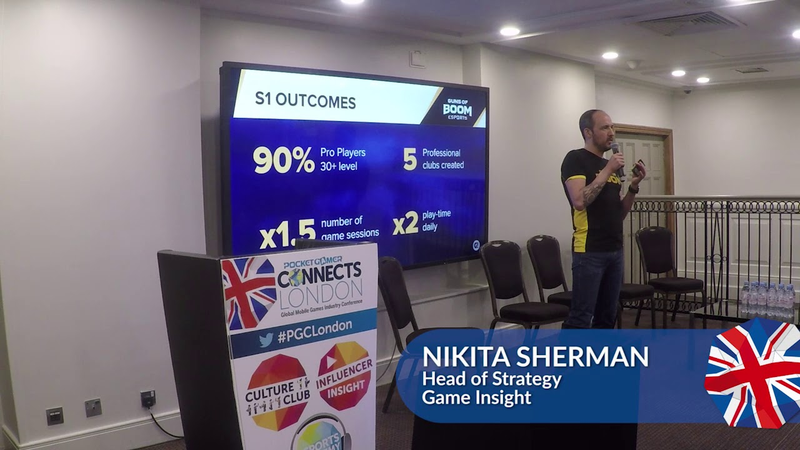
Lessons learned from the first esports season in Guns of Boom & Game Insight's vision for the future
The first season of the Guns of Boom esports initiative focused on establishing a sustainable infrastructure for mobile competitive gaming.
- The inaugural Guns of Boom esports season successfully increased player retention, with 90% of professional-level participants maintaining high engagement throughout the program.
- The initiative's first season featured a $200,000 prize pool across 50 online tournaments and one major offline invitational in Katowice, Poland, generating 45 hours of broadcast content.
- The second season expands the program’s geographic reach to South East Asia, India, and Latin America while increasing the total prize pool to $500,000.

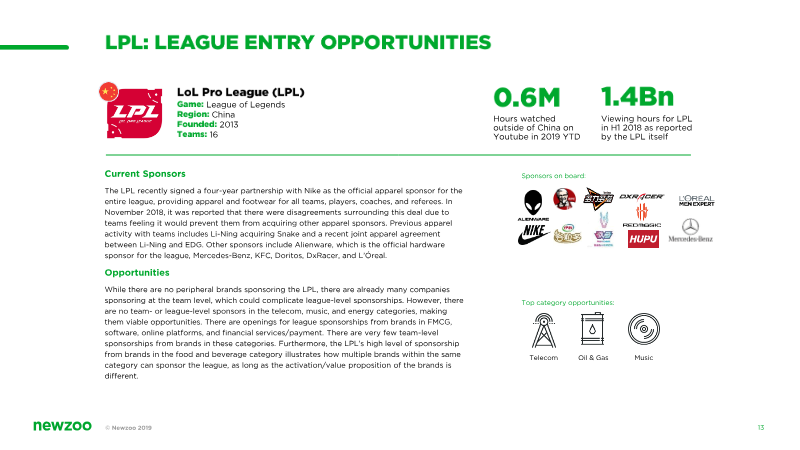
Esports Leagues: One of Many Opportunities for Brands (March 2019)
This analysis examines the strategic landscape of esports league sponsorships, providing a framework for consumer brands to evaluate and enter the gaming ecosystem.
- Esports is a high-value marketing channel with a projected 297 million enthusiasts by 2022, featuring a core demographic where 39% are aged 21–35 and 43% report high household incomes.
- Sponsorship activity is accelerating rapidly, with deal volume in Q1 2019 already surpassing the total volume recorded during the same period in 2018.
- Major franchised leagues including the LEC, LCS, and OWL generated over 33.9 million live viewership hours in early 2019, demonstrating significant audience scale.
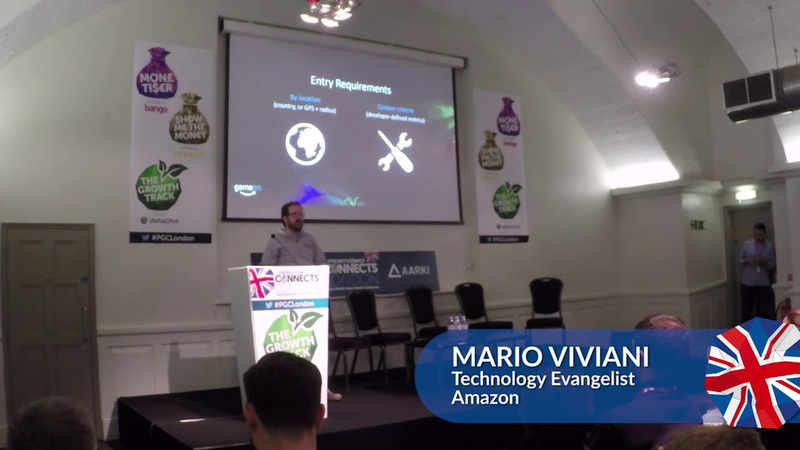
The case for adding competitive elements to your game
The integration of competitive elements into mobile and cross-platform games serves as a primary driver for player engagement, retention, and monetization.
- Integrating competitive elements like tournaments and leaderboards significantly boosts monetization, with early adopters reporting a 106% increase in free-to-play conversion rates and a 500% surge in new paying users.
- Amazon provides a suite of cross-platform, engine-agnostic APIs that enable developers to implement complex competitive features such as leagues and tournaments without requiring frequent client-side patches.
- The service supports customizable tournament entry requirements, including geographic gating via GPS and player-specific status like VIP tiers.


Trends to Watch in 2019: Five Developments Transforming the Esports Market
The esports market is undergoing a significant maturation process, transitioning from a digital-first niche into a multifaceted entertainment industry.
- The global esports market reached a valuation of $1.1 billion in 2019, supported by a total audience of 453.8 million people.
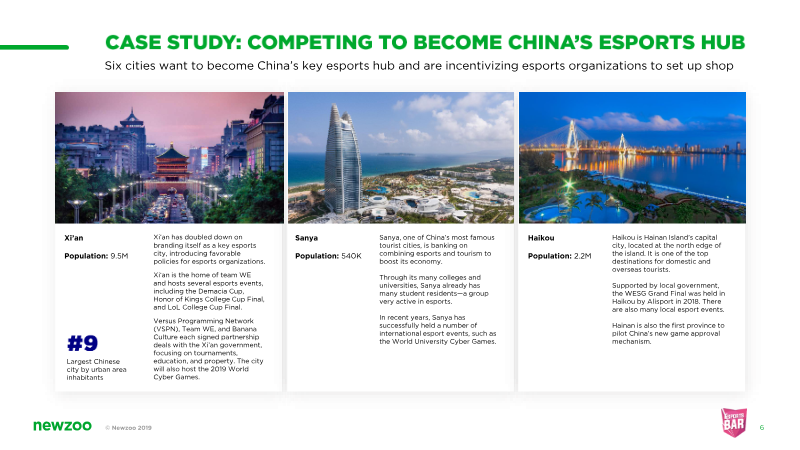
- Esports is shifting from a digital-only model toward physical, location-based infrastructure, with significant government-backed investment in esports hubs and PC cafes occurring in China.
- Organizations are diversifying revenue by balancing traditional sponsorships and media rights with direct-to-consumer models like micro-transactions and premium content subscriptions.


Global Esports Market Report 2019
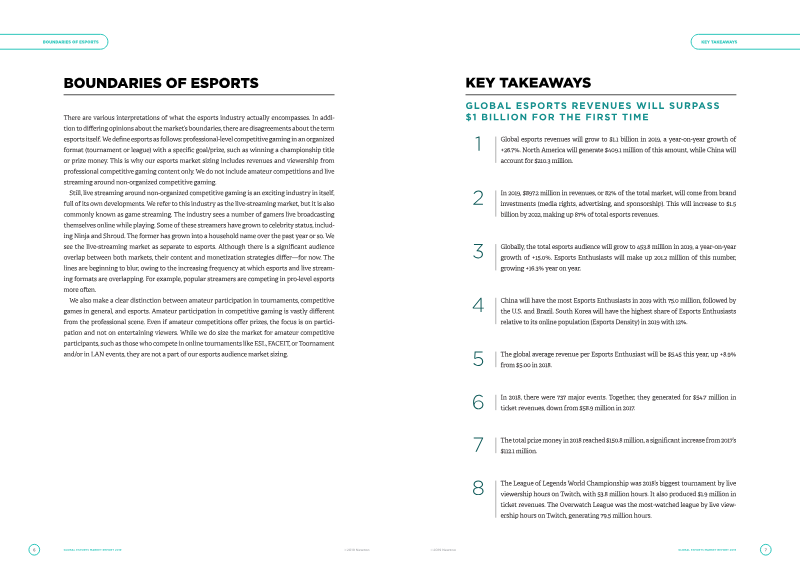
The global esports industry reached a significant financial milestone in 2019, surpassing $1 billion in total revenue for the first time.
- The global esports industry surpassed $1 billion in total revenue in 2019, marking a 26.7% year-on-year growth rate.
- Sponsorships, advertising, and media rights represent 82% of total market earnings, reflecting a shift toward professional sports monetization models.
- The global esports audience reached 453.8 million people in 2019, demonstrating a broad and highly loyal consumer base.

Game Fokus: Esports 2019
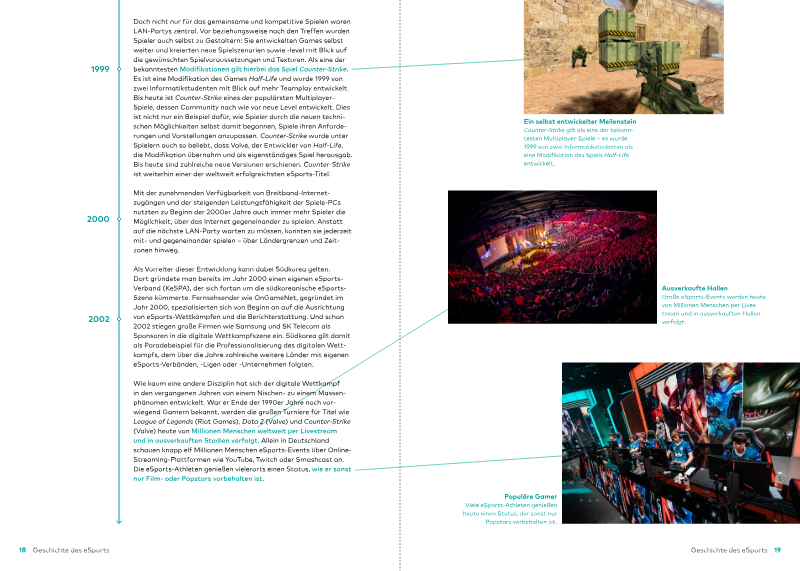
Esports has evolved from its origins in 1980s arcade competitions and LAN parties into a global mass-market phenomenon, characterized by high levels of professionalization and integration into mainstream entertainment culture.
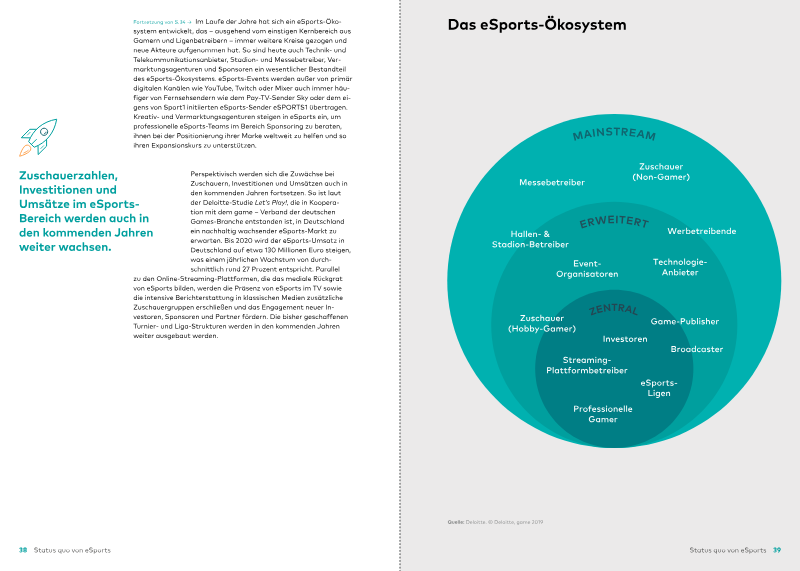
- The German eSports market is projected to reach approximately 130 million Euros by 2020, representing an average annual growth of around 27 percent.
- Despite its growing relevance, eSports in Germany faces significant hurdles due to a lack of official recognition as a sport, unlike 50 other countries (including EU states like Austria, Netherlands, and Sweden) that already acknowledge and promote it.
- The German government, through the 2018 coalition agreement, has pledged to support eSports as its own sport with club and association rights, and the Foreign Office eased entry requirements for non-EU eSports athletes in August 2018, yet full equality with traditional sports is still missing.
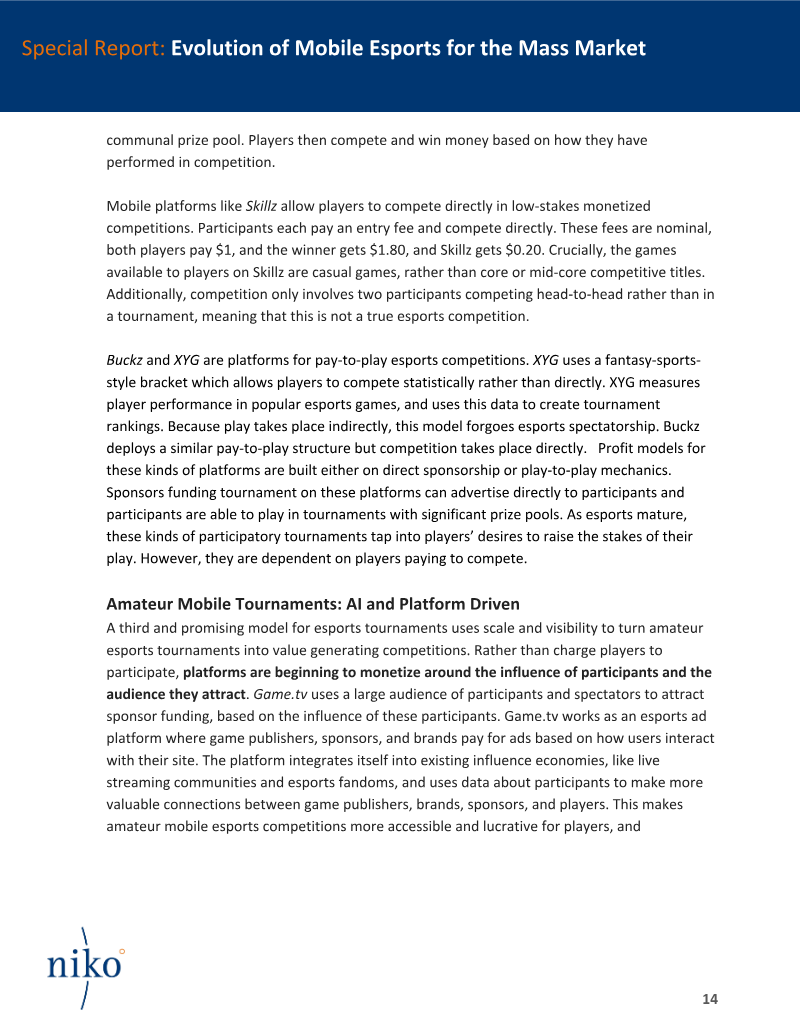


Evolution of Mobile Esports for the Mass Market
Mobile esports is positioned to become the primary catalyst for growth in the digital games industry over the next five years, leveraging a global player base of 2.53 billion that already surpasses the combined reach of PC and console gaming.
- Mobile esports is projected to overtake PC esports as the dominant global competitive gaming format, leveraging a player base of 2.53 billion that exceeds the combined reach of PC and console gaming.
- Mobile esports titles generated $15.32 billion in revenue in 2018, accounting for more than 25% of the total mobile gaming market.
- The sector is shifting from a publisher-funded marketing tool to a scalable, professionalized industry supported by media rights, sponsorships, and microtransaction-based models like season passes.
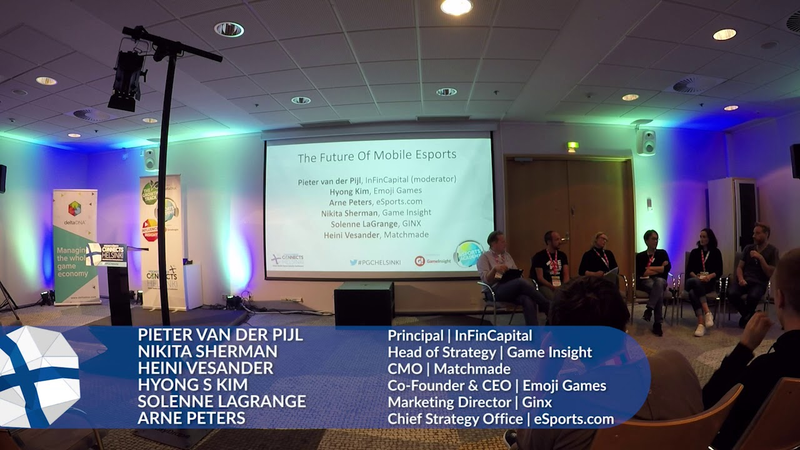
The future of mobile esports
Mobile esports is poised to transition from a niche competitive pursuit into a mainstream, recreational activity, mirroring the accessibility of traditional casual sports.
- Mobile esports must shift from elite, PC-mimicking structures toward shorter, social, and inclusive competitive experiences to achieve mainstream status in Western markets.
- Sustainable growth requires prioritizing grassroots community development over top-down professional leagues, integrating players as creators and moderators to ensure organic engagement.
- Developers should adopt mobile-first design philosophies rather than porting complex PC titles, ensuring technical optimization across diverse hardware to mitigate latency issues.
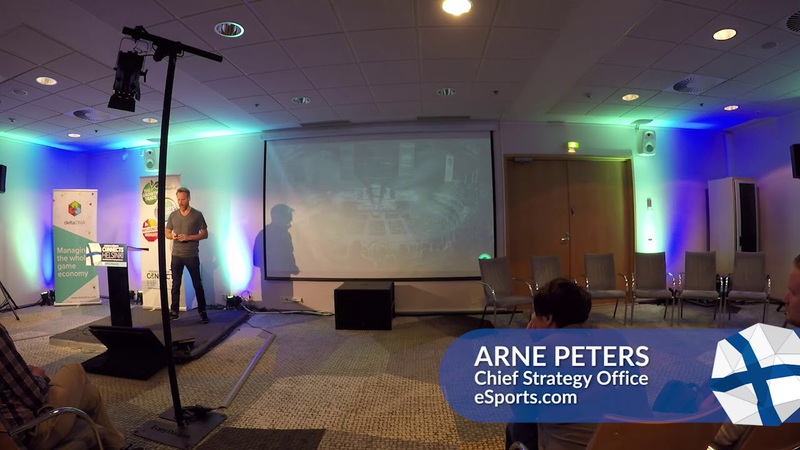
The evolution of esports
The evolution of esports reflects a transition from decentralized, grassroots LAN parties to a highly professionalized global entertainment industry.
- Esports has transitioned from decentralized, grassroots LAN parties into a professionalized global industry characterized by team structures, media rights monetization, and non-endemic brand investment.
- Long-term industry sustainability requires the development of amateur and collegiate tiers, which serve as the foundational club structures necessary to mirror traditional athletic models.
- Developers cannot artificially force a game into the esports category; a title must first achieve commercial success and organic community engagement to be considered a viable spectator sport.
Attracting more than gamers - Esports as a social event
Esports has evolved beyond competitive gaming to function as a significant social phenomenon, attracting a diverse audience that extends well past the core demographic of active players.
- Approximately 32 percent of the 380 million global esports viewers do not play the games they watch, indicating that the industry's primary appeal is shifting toward community and culture rather than game mechanics.
- The social nature of esports is driving massive real-time engagement, with live chats at events like Intel Extreme Masters Katowice recording nearly 1,000 messages per minute.
- Physical attendance at tournaments is surging as fans increasingly treat esports events like music festivals to participate in cosplay and communal experiences.
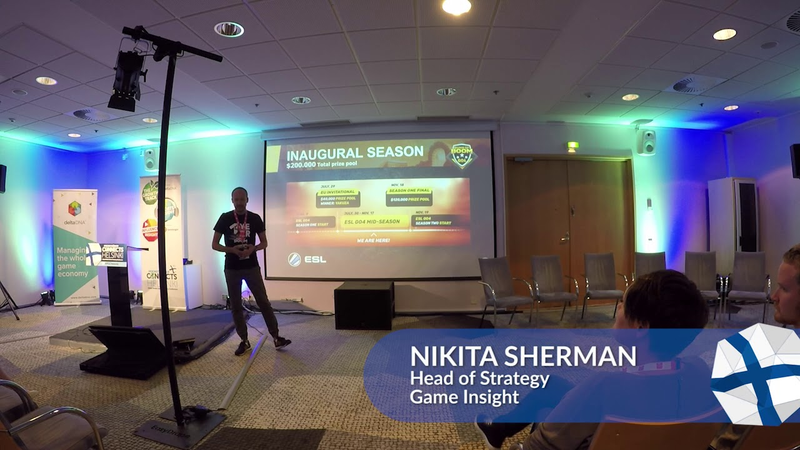
Building mobile esports in Guns of Boom
The transition of the mobile first-person shooter Guns of Boom into the esports arena serves as a strategic framework for extending the lifecycle of free-to-play titles.
- Competitive esports integration serves as a marketing tool to increase player retention, with data showing that participants in the competitive ecosystem exhibit twice the activity levels of the general user base.
- To ensure competitive integrity and remove pay-to-win imbalances, the developers introduced a 'Pro Mode' that equalizes gear statistics for all players.
- The 'Pro Mode' requires a minimum player level and a one-month entry period to ensure that only dedicated users participate in the competitive scene.

College E-Sports - Road to Glory? - Extra Credits
The emergence of collegiate esports scholarships represents a significant shift in the gaming landscape, offering potential benefits alongside substantial structural risks.
- Collegiate esports programs often demand over 40 hours of training per week, creating a significant risk that competitive commitments will compromise academic performance and educational outcomes.
- Many institutions are utilizing esports programs primarily as marketing tools to drive enrollment, frequently diverting funding from core academic departments like computer science and game design.
- The rapid obsolescence of specific game titles creates a structural risk where a student's four-year training regimen may become irrelevant if the game loses its competitive status before graduation.