1 free read left. Create a free account for unlimited reading + AI research.
Create free account
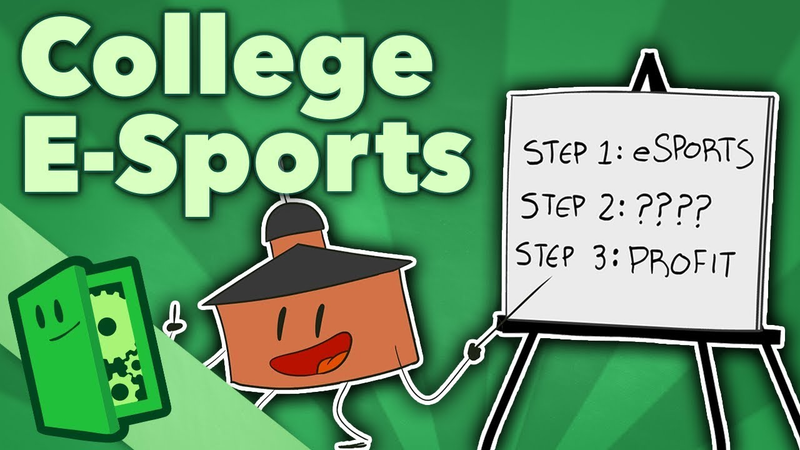
College E-Sports - Road to Glory? - Extra Credits
Key insights
6 takeaways- 01Many institutions are utilizing esports programs primarily as marketing tools to drive enrollment, frequently diverting funding from core academic departments like computer science and game design.
- 02Collegiate esports programs often demand over 40 hours of training per week, creating a significant risk that competitive commitments will compromise academic performance and educational outcomes.
- 03Unlike traditional collegiate athletics, esports programs currently lack established revenue streams such as television rights and ticket sales, leading to questionable long-term financial sustainability.
- 04The rapid obsolescence of specific game titles creates a structural risk where a student's four-year training regimen may become irrelevant if the game loses its competitive status before graduation.
- 05The professional esports landscape lacks a robust minor league system, meaning collegiate programs do not always provide a reliable or direct pathway to a professional career.
- 06Prospective students should prioritize the long-term value of their academic degree over the athletic program, as the skills required for professional play or streaming are not consistently integrated into academic curricula.
Ask AI about this video
Transcript
as James has been wandering the country giving talks at universities he's encountered a new phenomenon something he would have never imagined when he first picked up the controller the eSports scholarship in a lot of ways this is great and in some it really isn't let's talk about both for the decade or so that eSports have been a major part of our culture they've been the Wild West teams form ad hoc there was no real formal training even how the players got paid and what leagues were official took some time to work out just as collegiate sports have helped raise the bar on performance and professionalism in physical sports colleges forming well-funded eSports teams will hopefully do the same for major league eSports now truthfully I actually don't mind most of the amateurism in eSports today but it's a bit depressing hearing about a new esports scandal every week it's my hope that college environments with coaches as positive role models can do something to help young people make the transition
from little-known game enthusiast to full-fledged esports star granted physical sports haven't done this as well as I would like either but I'm hoping we can do better these scholarships might also offer a path to education for people who otherwise couldn't afford college which is an incredible thing that said though I have a few lingering concerns first off most of the schools have seen really going all-in on the East sports thing have been smaller lesser-known schools they see eSports as a way to attract new students and get their name out there and that in no way makes them bad in fact I'm certain that some of them offer an education on par with the most well-known schools around but it does mean that any student eyeing these programs should really take a close look at what the rest of the school has to offer because it may not actually suit their needs I also worry that many of these schools could be spending their money better elsewhere some of these schools are diverting funds from their nascent game design degrees or computer science departments to create a thriving eSports program this is concerning because those and I'm sure many other
departments in the schools could really use these funds but it's also worrisome because James has rarely seen a fully thought-out plan for how these schools are going to make that money back sure the plan is for it to increase enrollment but most physical sports programs offset at least some of their costs through things like ticket sales and television rights it seems unlikely that will really be the case for eSports and colleges at least for a little while then there's the question of how to balance study in training traditional sports have had decades to work on that problem and have failed many eSports competitors talk about training 40 plus hours a week and I don't want to see these programs fall into the same trap that many college sports programs have where the sport is prioritized over the education to the point where it nearly pushes the education out completely yet I haven't heard many plans to avoid this next there's the question of whether you can make a living as a second-tier eSports player traditional sports have
paid minor leagues that a lot of people kick around in for years while they chase their dreams or figure out what they want to do with the rest of their lives the closest we have is streaming but as we all know to be successful there takes a lot of expertise other than simple proficiency at a game and there aren't many schools that seem to teach those particular set of skills then there's the big one the games themselves League dota these games look like they're going to last forever but four years is a long time in the video game world what if you spend most of your college career training for a game that's on the decline by the time you're picking up your degree four years ago no one was even talking about battle royale games and anyone training on Team Fortress 2 might have never even heard an announcement for that newfangled Blizzard game overwatch now that's not to say that college eSports might not help to solidify games these colleges and the players they train will have a vested interest in seeing the games their training on lasts as long as
possible so maybe they'll help establish a few games that we'll come to think of as the eSports games in the way that in the u.s. we think of football basketball and baseball as the major professional sports of course if they don't that raises the question about the longevity of a college players career itself let's say as a sports player you're hoping to have 10 years in the professional leagues so four years of school plus 10 years of pro would mean the game you're playing would have to have a 14 year lifespan Starcraft and maybe sort of counter-strike have had that type of longevity but I really can't name many others this isn't all to say that you shouldn't go for these scholarships if you know without a doubt that being an eSports athlete is your dream you absolutely should but just look carefully at these programs this isn't easy money or a bonus for playing a lot of games this is part of a path to one specific goal it's awesome that it's out there but it comes with its own pitfalls and dangers at the end of the day if you
really want to make it in the world of eSports even with these scholarships you'll be working more not less while you pick up your college degree until next time remember clear cup full-stack can't lose train on esports warriors where that ball go [Music] [Applause] [Music]
Summary
The emergence of collegiate esports scholarships represents a significant shift in the gaming landscape, offering potential benefits alongside substantial structural risks. While these programs aim to professionalize the industry by providing structured training, coaching, and educational access for students who might otherwise be unable to afford higher education, they also mirror the systemic failures of traditional collegiate athletics. The primary concern is that academic priorities may be sidelined by the intense demands of competitive training, which often exceeds 40 hours per week, without adequate safeguards to ensure students receive a balanced education.
Financial and institutional sustainability remains a critical point of contention. Many smaller, lesser-known institutions are aggressively funding esports programs as a marketing tool to boost enrollment, often at the expense of core academic departments like computer science or game design. These investments frequently lack a clear return-on-investment strategy, as esports lack the established revenue streams—such as television rights and ticket sales—that partially offset the costs of traditional sports. Furthermore, the volatility of the gaming industry poses a unique threat; the rapid obsolescence of specific titles means that a student’s four-year training regimen could become irrelevant if the game loses its competitive relevance before graduation.
Ultimately, while collegiate esports can serve as a legitimate pathway for aspiring professionals, prospective students must exercise caution. The industry lacks a robust minor league system, and the skills required for successful streaming or professional play are not always integrated into these academic programs. Students are advised to evaluate the long-term value of the degree offered and the stability of the specific esports program, recognizing that the path to a professional career requires a rigorous commitment to both athletic performance and academic development.



















Comments