Esports statistics and market reports
Documents
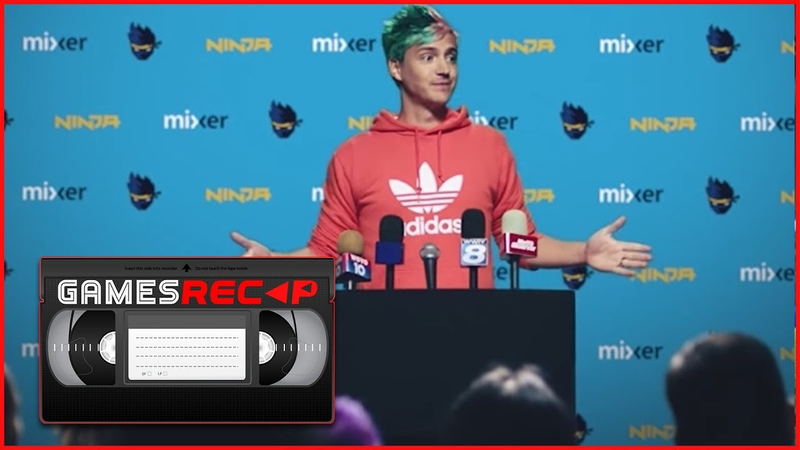
Ninja Leaves Twitch | Games ReCAP Episode 033
The departure of high-profile streamer Ninja from Twitch to Microsoft’s Mixer platform signals a transformative shift in the live-streaming industry, marking an aggressive attempt to challenge Twitch’s long-standing market dominance.
- Ninja's move from Twitch to Microsoft’s Mixer signals an aggressive challenge to Twitch’s market dominance by leveraging significant financial backing to attract top-tier talent.
- The shift highlights growing creator dissatisfaction with Twitch, specifically regarding perceived platform complacency and a lack of robust, creator-centric support systems.
- Microsoft is differentiating Mixer by prioritizing innovative engagement features, including co-streaming, interactive viewer controls, and enhanced progression systems.
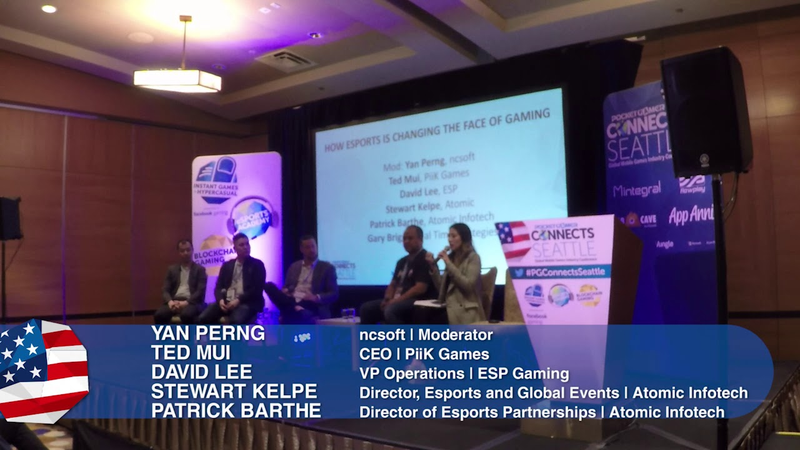
How esports is changing the face of gaming
Esports is fundamentally reshaping the gaming industry by transitioning from a player-centric model to a spectator-driven ecosystem that mirrors the structure of traditional professional sports.
- The gaming industry is shifting from a player-centric model to a spectator-driven ecosystem that mirrors traditional professional sports to generate self-sustaining revenue.
- Publishers are increasingly integrating competitive features, such as spectator modes and fair balancing, during early development to drive user acquisition and long-term retention.
- The sector is attracting mainstream corporate sponsorship, allowing publishers to move beyond internal funding and leverage gaming as a primary marketing engine.
DOTA Underlords, Anthem Still Alive, Blizzard Departures | Games ReCAP Episode 008
Valve’s recent launch of Dota Underlords demonstrates the enduring power of established franchises, as the title secured 174,000 concurrent users on Steam within its first 24 hours.
- Valve’s Dota Underlords achieved 174,000 concurrent Steam users in its first 24 hours, proving the market demand for streamlined, tactical gameplay adaptable to mobile.
- Major publishers are facing a critical juncture where the high financial risk of $200 million-plus AAA budgets is driving a necessary shift toward smaller, more agile, and highly replayable development strategies.
- The failure of projects like Anthem highlights the unsustainable nature of crunch culture and technical instability, prompting industry-wide calls to reduce project scope to mitigate financial and creative risk.
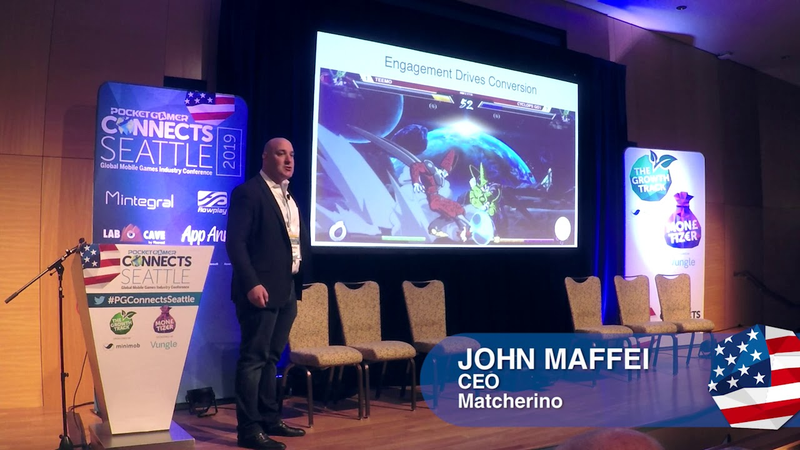
Monetisation for esports
The esports industry is experiencing rapid growth, with fan bases now rivaling major traditional sports leagues like the NFL and NBA.
- Esports monetization currently averages $4 per user, significantly trailing traditional sports like the NBA at $35 and the NFL at $55 per fan, indicating substantial room for revenue growth.
- Esports fans are three times more likely to make e-commerce transactions and two and a half times more likely to retain in a game, making esports a high-value channel for publishers.
- Increasing prize pools directly correlates with viewer engagement; for example, raising a prize pool to $10,000 can increase viewership from 25,000 to 200,000 by incentivizing higher-tier competition.
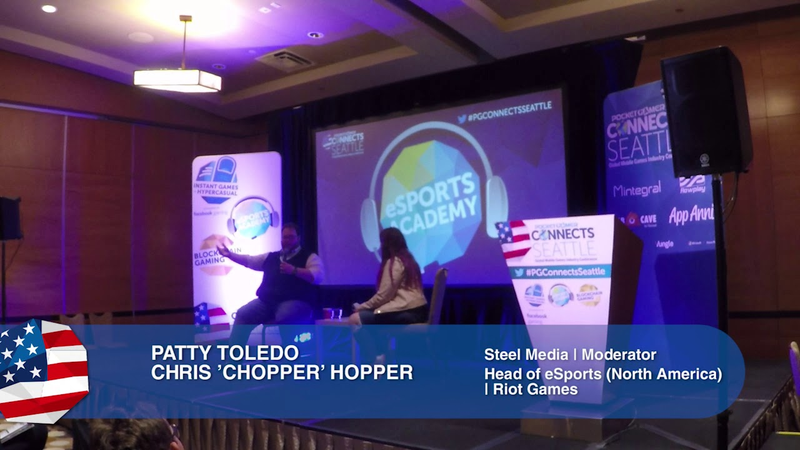
Creating a multi-generational esport in North America
Riot Games’ approach to building a sustainable esports ecosystem in North America centers on professionalizing the industry by emulating the structures of traditional sports.
- Riot Games is institutionalizing the League Championship Series (LCS) by emulating traditional sports structures, including franchising, revenue-sharing, and the creation of a Players Association.
- To ensure long-term viability, Riot is building a competitive pyramid that integrates League of Legends into collegiate and high school athletic systems to foster multi-generational engagement.
- Despite 85% of esports viewership being concentrated in the 18–34 demographic, Riot must actively educate advertisers to overcome the industry-wide hesitation to shift budgets from linear television to digital platforms.
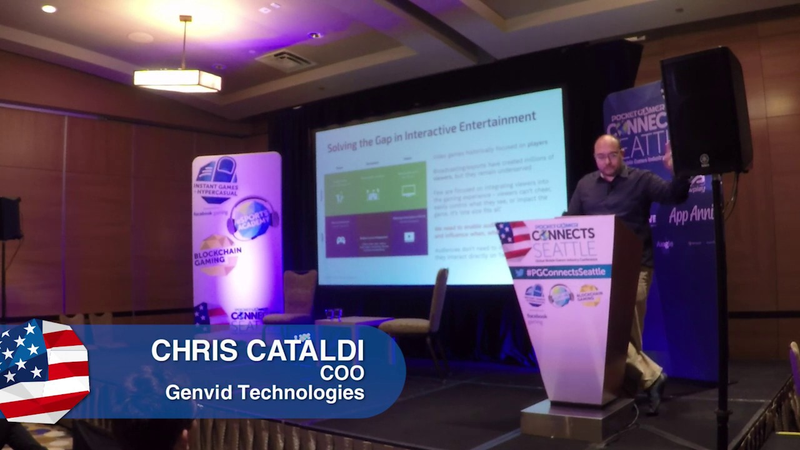
Interactive livestreaming and the future of esports
The future of esports lies in the evolution of interactive streaming, where game developers shift their focus from exclusively serving players to intentionally designing experiences for viewers.
- Game developers currently prioritize the player experience over the spectator experience, often disabling advanced camera tools and data access in live builds to prevent potential cheating or distraction.
- Interactive streaming technology, such as Genvid’s overlays, allows viewers to access real-time game data—like weapon loadouts, hitboxes, and win-loss probabilities—that is typically hidden from players to maintain competitive integrity.
- Future esports growth requires shifting from a player-only focus to a 'digital stadium' model where the broadcast medium is designed to be viewer-friendly for non-players, similar to how traditional sports evolved alongside radio and television.
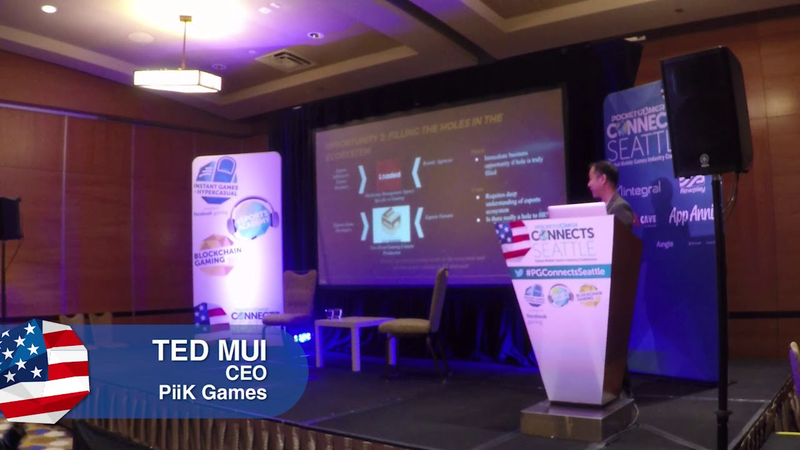
Identifying new business opportunities in the esports ecosystem
The esports ecosystem offers significant business potential for entrepreneurs and investors, provided they approach the market with a structured strategy for identifying underserved niches.
- New entrants should prioritize sustainable business models that address specific gaps in the esports ecosystem rather than relying on industry hype.
- Five strategic entry points include adapting successful models from other industries, filling functional holes, integrating emerging technologies, creating new demand, and refining existing products.
- Success is often driven by making existing processes less painful for the end user, as demonstrated by the operational growth model of companies like Zoom.

How to win in eSports! | Evil Geniuses eSports Head Coach Aaron "Gotcha" Chung
Evil Geniuses, a premier professional esports organization founded in 1999, maintains a long-standing reputation for competitive excellence across titles such as Dota 2, Call of Duty, Rainbow Six Siege, and Rocket League.
- Evil Geniuses maintains competitive excellence through a rigorous regimen of 35 to 40 hours of weekly team practice, scrimmages, and systematic gameplay analysis.
- Professional esports success is increasingly tied to holistic player development, emphasizing rest, nutrition, and physical well-being to sustain cognitive performance.
- The esports industry is experiencing significant financial growth, with major tournament prize pools for titles like Dota 2 reaching as high as $20 million.
Legal Battle Royale: Not Boring Edition
The gaming industry faces a complex web of legal challenges that scale alongside commercial success.
- Developers must conduct rigorous, asset-by-asset risk assessments for intellectual property, as there are no universal legal standards for creative assets like dance-move emotes.
- Regulatory bodies are actively monitoring influencer marketing, requiring developers to ensure all material connections are disclosed through clear and conspicuous labeling.
- Data privacy compliance, particularly under standards like GDPR, requires a shift from blanket consent models to transparent, specific data collection practices.
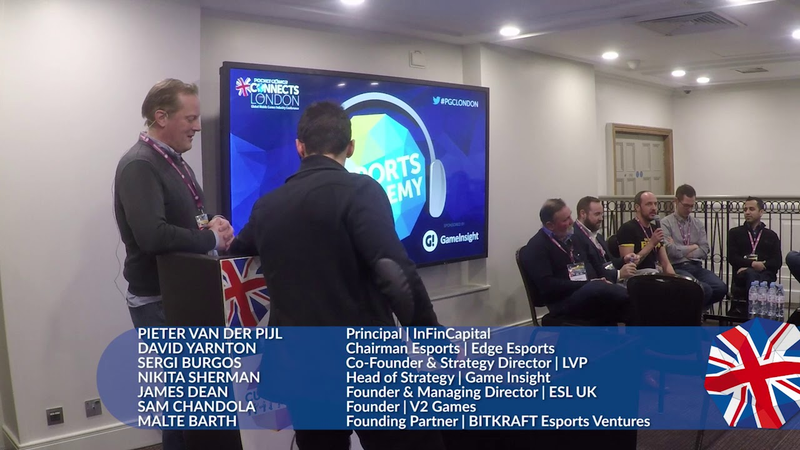
Looking ahead at what's next for esports
The esports industry is undergoing a fundamental transformation, evolving from a niche, PC-centric sector into a mainstream cultural phenomenon.
- The esports industry is shifting from a PC-centric model to a mainstream lifestyle ecosystem that integrates fashion, hospitality, and infrastructure.
- Since 2018, mobile-first titles like Clash Royale have demonstrated the ability to generate audience numbers that rival established PC giants such as League of Legends.
- Long-term industry viability requires developers to prioritize competitive integrity by strictly eliminating pay-to-win mechanics in competitive game modes.
Interactive livestreaming and the future of esports
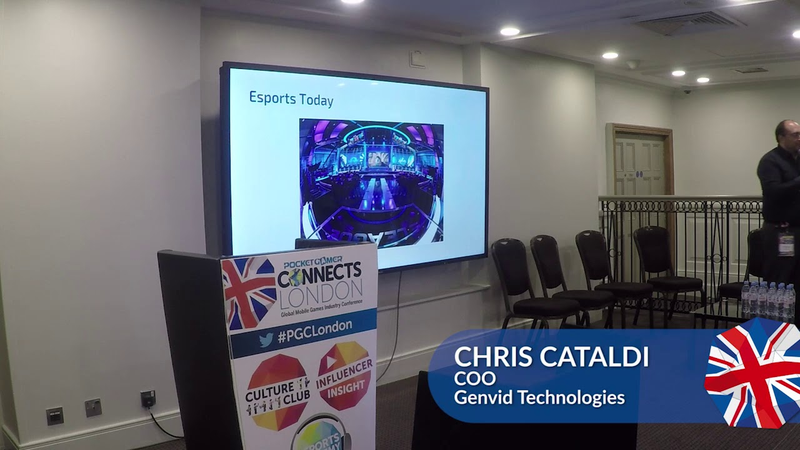
Interactive livestreaming represents a fundamental shift in the gaming industry, moving beyond traditional esports to create a new category of spectator-driven experiences.
- Game developers are shifting from viewing streaming as a marketing cost to treating it as a primary revenue-generating opportunity through interactive broadcast rights and monetization.
- Interactive streaming tools, such as those provided by Genvid Technologies, allow viewers to influence gameplay in real-time, effectively blurring the line between passive spectators and active participants.
- Current esports spectator modes are often underdeveloped because they are designed from a player-centric perspective rather than a viewer-centric one, failing to provide the third-person data and UI needed for a high-quality broadcast experience.
How developers can succeed in the mobile esports space
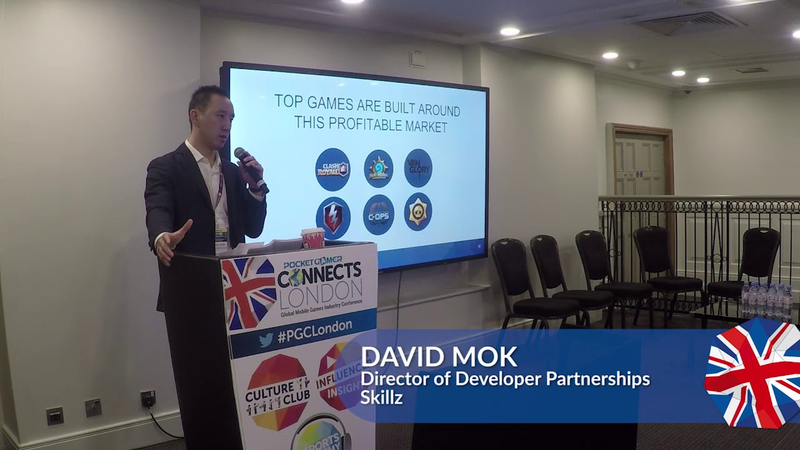
The mobile gaming industry has evolved into a multi-billion-dollar sector, with mobile platforms now generating more revenue than PC and console gaming combined.
- Mobile gaming has surpassed PC and console revenue combined, with projections indicating that mobile will account for over 60% of all competitive gaming by 2021.
- Developers should target the 99% of casual players by creating accessible, competitive experiences that bridge the gap between amateur users and the top 1% of professional esports athletes.
- Success in mobile esports is driven by short, three-minute competitive sessions across diverse genres like puzzle, trivia, and sports, rather than focusing exclusively on complex, synchronous titles.