This marks a significant financial milestone for the industry. It represents a robust 26.7% year-on-year growth.
League of Legends led live esports viewership. Call of Duty: Black Ops 4 and FIFA 19 showed rapid growth in non-esports content.
Fortnite solidified its position as a leading cultural phenomenon.
They also need to leverage the broader, popular casual gaming content.
Strategic Balance. Future industry growth relies on balancing the high-stakes competitive ecosystem with broader casual gaming content.
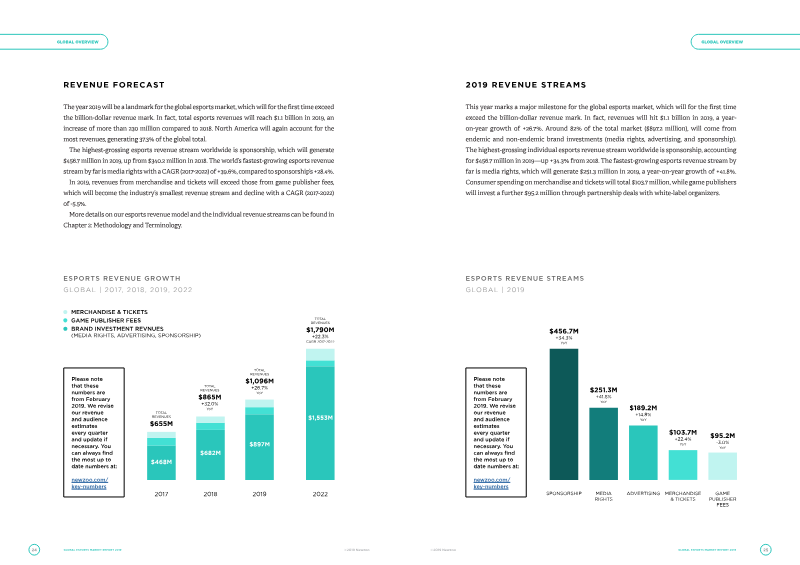
The global esports industry reached a significant financial milestone in 2019, surpassing $1 billion in total revenue for the first time. This represents a robust 26.7% year-on-year growth, fueled primarily by a heavy reliance on brand investments. Sponsorships, advertising, and media rights collectively account for 82% of total market earnings, signaling a shift toward professional sports monetization strategies. As the industry matures, stakeholders are increasingly prioritizing the development of unique team brand identities, the revitalization of local offline events, and the strategic integration of betting services to deepen fan engagement.
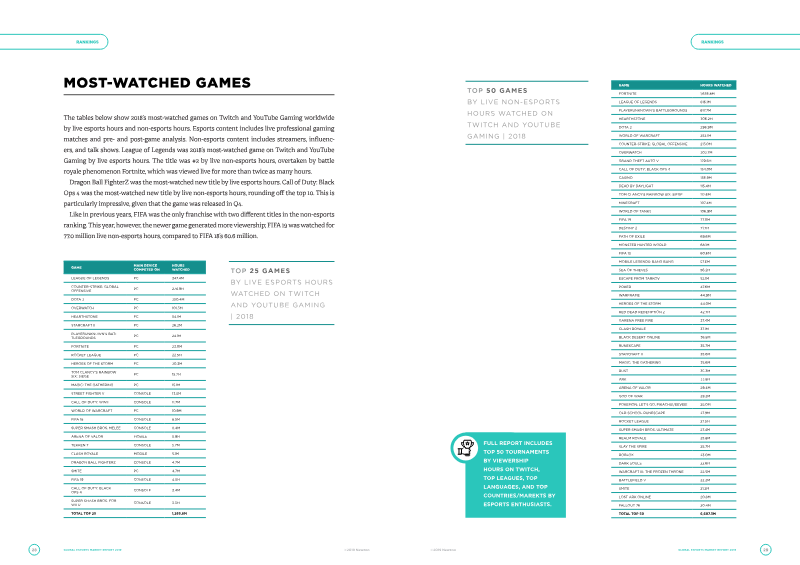
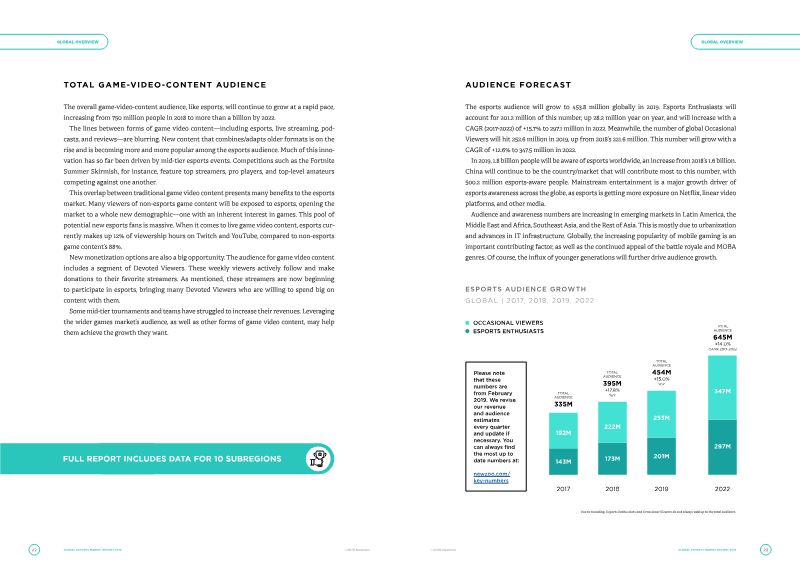
The global esports audience expanded to 453.8 million people during this period, reflecting a broad and highly loyal consumer base. Engagement patterns reveal a distinct divide between competitive esports viewership and general gaming content. While PC-based titles such as League of Legends maintained dominance in live esports viewership across major streaming platforms like Twitch and YouTube Gaming, newer console-oriented releases including Call of Duty: Black Ops 4 and FIFA 19 demonstrated rapid growth in non-esports viewership. Meanwhile, Fortnite solidified its position as a cultural phenomenon, leading the non-esports category with more than double the hours of its nearest competitor.
These findings underscore a period of rapid professionalization and diversification within the global gaming landscape. By leveraging high-value media rights and sponsorship deals, the industry has successfully transitioned from a niche digital subculture into a mainstream entertainment powerhouse. The data suggests that future growth will continue to depend on the ability of publishers and event organizers to balance the high-stakes competitive ecosystem with the broader, highly popular casual gaming content that currently drives the majority of platform traffic.