1 free read left. Create a free account for unlimited reading + AI research.
Create free account
How esports is changing the face of gaming
Key insights
6 takeaways- 01Professionalization has created a diverse career landscape in production, marketing, and design, supported by investments in physical infrastructure and influencer-led broadcasting.
- 02The gaming industry is shifting from a player-centric model to a spectator-driven ecosystem that mirrors traditional professional sports to generate self-sustaining revenue.
- 03The sector is attracting mainstream corporate sponsorship, allowing publishers to move beyond internal funding and leverage gaming as a primary marketing engine.
- 04Publishers are increasingly integrating competitive features, such as spectator modes and fair balancing, during early development to drive user acquisition and long-term retention.
- 05The industry faces ongoing challenges regarding the standardization of high-quality fan experiences and the resolution of complex legal issues surrounding broadcast rights.
- 06Collegiate esports programs currently function as hubs for education and school spirit rather than as a direct pipeline to professional play, due to the industry's tendency to recruit talent as young as sixteen.
Ask AI about this video
Transcript
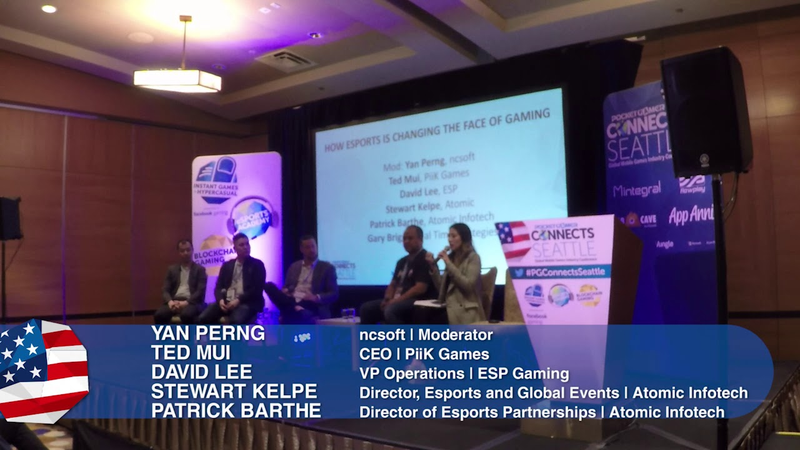
well welcome everyone to the closing panel for the eSports Academy you know you heard a lot of various topics and I you know we want to kind of give a more general overview of how eSports in general has changed kind of the gaming industry what I'll do is I'll have our you know esteemed panelists kind of introduce themselves they're a company and maybe you know your experience of how eSports has changed the industry that you are in as well so maybe we'll start with Patrick okay Patrick birthday by day I'm working for atomic Infotech where we're working with game publishers putting on eSports competitions globally getting to work with the Department of Defense doing partnerships and things like that so bringing eSports to the military and then by night I'm a entrepreneur working in the amateur
eSports space getting to play in high school eSports collegiate eSports and and various things and have you eSports kind of in your experience change the industry that you're working in I guess what we're seeing is basically if you look at from traditional sports where I kind of came from to eSports today what you're seeing is the model everyone's kind of seeing eSports has been like this this new thing but like we have a model that exists it's called traditional sports so what I'm seeing is people are adopting a lot of the same strategies that you're seeing typically in traditional sports and now you're you're seeing those things develop in any sport that's that's why I'm saying it sure hi I'm Stuart kelp also with atomic and we focus on live broadcast production and one of the things that does set ups apart a little bit is we develop custom software for those live
workflows as well as some of the other clients and the game developers that we work with and one of the things that's changed with the industry and the end of how the industry has changed our business is the focus on technology and the developments in technology and how we're leveraging those different workflows in our production environments hi I'm David Lee from ESP gaming we are also a tournament organizer we have our own term an IP called the world showdown of eSports we are based in Las Vegas and you know we've worked very closely with many mobile publishers and kind of had a big part in assuring in you know mobile esports hitting the mainstream at least in the west we were at the first put you know mobile eSports on television on CBS Sports Network and you know we're continuing to you know work with various
partners to continue to make waves in the industry I guess I jumped right into my presentation so I've got to introduce myself but my name is Ted I'm a based in Vancouver so I'm CEO of peak games and we are currently building your platform solutions for eSports and which goes into why I talked about identifying opportunities but our company was actually recently acquired by company called victory square technologies which is an incubator up in Vancouver and yeah I'm glad to be with this panel today thank you and I realize I haven't introduced myself so my name is Jen hurring and I'm corporate counsel for video game developer and publisher called NCsoft and what's interesting is you know the law is always reactive it's always reacting to new technologies and with eSports it's been so interesting because many other laws like you know real estate or even you know publishing deals those are largely you see the same models over and over again but with eSports you know there's a very new streaming IP rights broadcast rights you
know in Japan there's a lot of strict kind of gambling sweepstakes and consumer protection laws and so when you have publishers there that want to have tournaments they have to really consider how do they run these tournaments or without running afoul some of those existing laws and so you know I think from all the panelists you know what they do speakers that you heard today what I think is really interesting is eSports and the video game industry is really an ecosystem you see you know a huge surge and then technology coming in viewers coming in and that in turn kind of changes the the industry and I think before we kind of get into some of the the different topics that we had discussed on our kind of planning call I wanted to get a sense of the audience you know which which aspect no Ted had a really great kind of chart of you know the different players and different areas of the eSports and video game industry we want to get a sense are you
guys more indie developers you know streaming technology analytics I guess maybe you guys could yell out you know some of the the broad industries that your guys are in so we can kind of understand which aspects would be most helpful to you publishing marketing so like user acquisition type marketing or advertising mm-hmm okay well great I think you know let's kind of start with let's start with you know kind of marketing advertising and I think you know with the panelists here there's so much about content and with eSports I think one big difference you know that Chris at gen but had kana talked about too was publishers and developers have kind of shifted the focus from developing the game for the player and now for the viewers and with you know with the viewers now you have more opportunities for marketing and investments and could so you know did our panelists want to touch upon kind of
how that viewership aspect and the technology and how that has kind of changed the video game industry [Music] maybe you know content curation yeah I think I think the viewership demographic is very unique in eSports and it you know obviously kind of a hard to reach audience and you know gaming is a very useful way to reach that audience and you know speaking about you know advertising for example you know it's really it's it's really difficult to kind of get that message across when more than half of the target demographic you're looking at doesn't own a you know cable TV subscription right so I think you're finding a lot more I guess creative ways for brands to integrate into eSports and events and we're seeing that across the board like we've done in the past like you know six months we've
done you know unique you know from scratch activations for like progressive and you know corn nuts and these mainstream bands and I think that's very encouraging to see could you go in a little bit more detail I think you know maybe working day in and day out with these activations it comes naturally to you but you know could you kind of talk about how it is different for for its it's not a progressive to do advertising in a non eSports industry and then you know how they successfully kind of target the audience via eSports yeah I think it depends on the brand and what their objectives are obviously you know if you're you know 14 to 18 years old and you're not owning a car or a car insurance but you know it's the brand awareness that's generated from that right so you know people are now ingrained if you're watching you know if you're watching the eSports broadcast and you see progressive Everywhere next time you need car insurance when you hit you know 22 when you're buying your first car that's probably the brand that you're going to go with right and that's
kind of like the philosophy that you see across different brands you also see you know there are certain brands where they want they want to sell product and they want to see you know how much you've moved the needle so it's I think it's a case-by-case basis I'll I'll say in terms of working with the Department of Defense I mean there would not be military eSports without it being underwritten by USAA so so you're you're excited that that these brands endemic are not endemic are actually taking those risks and saying that is my demographic and and wanting to jump in and subsidize just gonna jump in there and say one of the most attractive things about these audiences is these audiences are transcending borders and a lot of in a lot of minutes in the ages as well as gender and it's really really attracted to a lot of these brands trying to advertise with us and I guess you know I saw on the atomic website you guys have worked with you know various clients and I'm kind of
curious you know you guys have done kind of eSports geared events and tournaments and as well as kind of you know more general tech do you see a difference in how how those I guess experiences are set up when it's eSports versus when it's you know kind of general tech industries I think yes there are definitely some differences but more and more the with our company specifically we're finding that those things are overlapping quite a bit and we're finding ways to take those technologies and the skill sets that we have especially from our developers and integrate those skillsets into those events and into the projects that we're working on and that's helped us with some success we've had with a lot of our clients I think it's it's it's fun to see like you know an x-box game studios i think a lot of these publishers they're actually wanting to subsidize again their events with corporate sponsors right so so now what we're
seeing is is you know well we don't have to show this money out from from our own coffers let's let's we've got the viewership let's let's go and have progressive or someone else come in there and so seeing the these publishers actually invite sponsors into the fray and and make them part of the whole entertainment experience I think that is you know one big way that eSports has kind of changed the gaming industry is that it's become less kind of publisher driven and now publishers are finding ways to work with different brands to work with different investors to really expand the entire it's not just from you know even if we take a simple kind of fighting competition you know when you are a player and you play in the first round and you are knocked out you're kind of sitting around doing nothing and I think now publishers you know like Blizzcon and other cons it becomes more of experience so there's the eSports component but there's also the entire gaming experience and because they've opened that up so much more has now come
into the gaming industry as well I guess it's adding to that I think the fun thing with eSports is it's very experimental I think because it's so new you go to an event or whether it's the blizzard event or League whatnot you know I think each time they're trying to one-up the next right and I think that's very cool to see and I think it's a matter of time when they you know they're able to kind of figure out how from that advertising sponsorship perspective you know they can activate things for brands and you're already more and more you're seeing it and you know one of the interesting things for me is like you know when you tune into let's say a Chinese stream event the other way that they integrate brands with you know KFC and with you know some other ones yeah it's just kind of amazing to see but I think personally one of the there's a problems I would say that I'm trying to tackle for my business is you know these are the big events we're talking about but what about just kind of you know everyday viewer events so you know for example Vancouver has the overwatch team now you
know we were really excited that you know we were the season one or season one already call it but they won the kind of first cohort championship so I attended that Finals event but does this seem like these guys didn't know what they were doing you know it was good like going to any sports bar you walk in you walk out there was no fan engagement they didn't really make that effort to make you feel like you belong right so I feel like there is still that bit of disconnect and yeah I think it's gonna be a matter of time and tell other people whether it's event organizers the teams themselves the games themselves you'll find a better way to engage with the audience I'm sure say no Ted you had helped organize one of the first Canadian kind of mobile events I'm wondering you know with the Justice physician that you mentioned you know there much fan engagement there was a much interactivity what what do you see could increase that and maybe when your own experience and putting on that event what did you bring in to kind of create
that experience yeah I mean for me it has always been you know viewer player first right I'm so putting myself in the shoes of someone that walks in whether it's a qualifying event of the actual tournament are they gonna come in angry because they don't know where to go there's no seating it's a mess it Internet's bad so you know these are kind of all there's a lot of things that you have to think beforehand even from from that first experience that someone walks in and so they're surprisingly you know having organized small events and midsize events you know when I attend as an attendee to other events it just seemed like a lot of times it would it was very hastily slapped together a lot of things haven't been quite well prepared beforehand and most importantly back to my point is you know as someone that is experiences experiencing this as a guest I did not feel that I was welcomed and I guess switching gears a little bit you know we've talked about kind of all of the things that have
grown from you sports like these events both live and offline but you know I think one thing that we kind of talked about before that was really interesting is just how eSports has changed the perception of gamers and games you know no longer are kind of the gamers you know the the folks that are in the basement eating Cheetos you know living in their parents but now instead you know we have brands that want to you know gear towards geared towards that segment we have large price pools dedicated to them we have you know scholarships and varsity's and I you know I wanted to ask the panel what do you think has really contributed to that change in perception is that the content is it the amount of money that's coming in what has kind of legitimized eSports in the in the gaming industry I think it's I think it's the realization that it's a legitimate revenue stream if you look at if you look at larger publishers who have
successfully monetized like valve for example a very clear example through the International and through counter-strike majors and so forth making you know millions and millions and millions of dollars per event and you know it's their dedication and it's their commitment in their in a long term strategy and eSports is generally considered as a marketing tool for a user acquisition and retention right so you know now you're off you're building an entity right within your business that's going to you know generate new users and retain existing users and then it's going to be self-fulfilling and it's gonna be self-sustaining in the future right once the product matures and I think that's the sexiest thing is that hey and now I get free you a for your attention right and we're previously I'm paying you know eight bucks 12 bucks pop so I think that's that's one key draw for publishers I think you can look at the lifecycle the gamer I keep referring back to traditional sports you know we can look
at the NFL and we can say hey there's there's middle school football and there's high school football and there's collegiate and then Monday you can give up your dream of being the quarterback but they're still going to be broadcast production and there's going to be marketing and you can be a journalist and and we can now look at that for eSports and we can say the kid in his basement who is eating Cheetos now can now can say that hey you know I I can play for my high school and be part of something that's important I can go to one of 125 colleges and universities that are offering over 25 million dollars in college scholarships you know mom there's there's a real scholarship available you know I can potentially be somewhere on a platform and and if I don't become the best dota player in the world I can still become that graphic artist that that aspiring yeah there are careers so speaking of collegiate and academia
right our this year was a second year we did the Mountain West eSports championship right and the Mountain West is a mid-major sports conference with schools like Boise State UNLV Nevada Air Force Academy and so forth San Jose State just naming a few schools right and they're really their commitment to eSports and their exploration the eSports space was largely generated upon the fact that you know you have your student body where a large portion of you know certain majors specifically maybe like computer science or engineering who may not be sports fans right so the school spirit aspect is a little missing there so when those windows when those students end up graduating and they end up with elite jobs because a lot of people in the eSports audience end up having decent jobs and professions and careers they have a higher propensity to now donate back to the school and there they
themselves eSports program itself is a massive recruiting tool to write so when they announced like some of the schools reported as you know I don't think it was like publicly published anywhere but you know schools were sharing you know you know case studies with us saying hey we announced this and within you know 24 hours we had like thousands of applicants from international countries now interested in applying to our schools because we announced this eSports program right so I think that's another very interesting wrinkle until it makes yeah I would say University kids are you know I mean so University clubs wise you know eSports clubs are probably the best club to join so one of my first hires it's actually the founder of the UBC eSports Association so she's the manager of the team that no wonder the taxis tournament twice so when I need someone that knew eSports you know who did I go to right that the person that actually managed the eSports team and likewise you know the people that have taken over the club after she left
I mean they're a hot commodity when you're all determined lamb yes Carmen yeah she's great yeah you know today's topic is kind of how eSports has changed the gaming industry however you know like we touched upon it hasn't just changed the gaming industry you know with the the collegiate industry and then even recently u-dub has now you know kind of their eSports arena that's dedicated to you know video game play and so besides kind of the technology side I kind of wanted to transition to into kind of the infrastructure and I guess you know with infrastructure there's not only kind of the city venues collegiate venues but you know thinking about actually the technology infrastructure like having you know the Wi-Fi or other streaming technologies you know all of that I think has really spurred a lot of new technology because we have such a high demand for it I don't know if you guys have any comments about either you know physical venues or kind of infrastructure battles that everyday I
think that's one of the biggest challenges we face and I'm sure you guys can relate to that as well especially as we travel whole the world we've done things in the middle of a field for the 24 hours a month and we've gone to convention centers and we've gone everywhere and it's one of the biggest struggles is trying to find the technical resources and all of the asses that you need to put one of these shows on successfully otherwise you find yourself really struggling with cell you landed back like all kinds of different solutions as you're trying to patch together to make things work for your clients but I think that's one of the most interesting things about now is from city to city you're seeing all these different things pop up and I think from a technical standpoint that's I mean one of the biggest opportunities do you kind of see in this area because they're in this area specifically I think we definitely need a facility what it's one of the things that we're doing as an organization we've got a studio
downtown and we are looking for probably 20,000 and 30,000 square feet that we or that we could put it a dedicated arena here in Seattle and it's definitely necessary at this point I think the entire ecosystem benefits from new venues that pop up and you know every year you're seeing it feels like every month there's a newest new announcement in a major city for a venue yeah so I think I think that's encouraging to see I think it's encouraging to see you know additional investments and more people entering the space but you know you know we're it's you know stewards absolutely right that you need that infrastructure or else you know where you're you're kind of creating makeshift eSports at wherever you go thankfully a lot of times like the basics are are there for the most part and you could kind of figure out with rentals or your old equipment but for the most part it's you increase production value incredibly once you have a proper venue but with those property videos as well I think one of the things that come is a real cost
advantage to doing those things in a lot of the different venues it becomes cost prohibitive especially when you're looking at because not every single event is going to be a major it's not going to be you know ten thousand people in the arena we're really looking at venues that can house 500 to 3,000 people at a time and support a lot of these publishers or even just the local tournaments that don't have the budgets that these other publishers do right so before we open it to questions I do want to do that I guess I wanted to touch upon maybe just two more things one is you know kind of influence and then one is kind of from the publishers perspective so we kind of talked about you know the different resources that are available to publishers regardless if you know you want to do more content engagement you want to do live events I guess from a game design aspect what are some you know features that you think developers and publishers need to start thinking about you know for instance
like spectate mode or PvP I know we kind of you know went through a couple but could you guys elaborate a little bit more yeah I guess I can start a little bit with that before concentrating on building out a platform I was actually working on several mobile games so those of you that have seen my previous talks for Pocket Gamer I was previously previously building out mobile content with them the media side also actually working on some mobile games with what's component to it so you know but haven't gone through that I have realized there's challenges it's not so much about you know adding one or two features and slapping it on and calling that eSports right I think you know chopper was seen earlier you know it's you know you it's not a good approach to build something and call it an esports you know right from the get-go but you know while saying that you know yeah as you mentioned your spectator molds obviously very important your custom matchmaking and I think the most important thing that people in neglect this that that's fair fair balancing and this is a big reason why I feel mobile eSports hasn't quite taken off yet at
least in the West is that a lot of times you know when looking the most successful games on mobile you know there are free-to-play games built with a monetization curve that you know goes up like this right so with clash Royale it wasn't built as an eSports game and so by the time when they thought that okay you know what people want to compete let's make it an eSports game by capping off the competitive level at this yeah it create a lot of confusion right so yeah it wasn't a very straightforward answer but you you make a great point though that the publishers themselves that even have had a little success they didn't intend on planning to build an eSport or the publisher is now trying to go create their you know title into an eSport the from just walking the hall out here and and seeing the games that the interesting point that I took was that that like these aren't multiplayer games and yet for eSports that's kind of necessary and and so like the if I had a
reaction here it was that no one had a knee-jerk reaction to somehow needing to build the next eSport so to speak because because you can't necessarily just go do that right as you're as you were alluding to yeah I think it's I think it's very interesting to see how developers especially those that are successful both you know like rolling out successful game titles as well as successful mobile eSports titles how they're learning from their previous you know experiences right so like one example is like supercell right they didn't expect clash Royale - you know explode in popularity like that especially on a competitive standpoint right and when the game was first released or and several years after you didn't you saw you know you saw no ability to to face somebody unless you left your clan and joined a custom clan and then you you then you play a friendly match against each other and that's what I see like even now like you see like you know
FIFA mobile for example like that's a game where with massive player base no ability to play each other right so so clash royale then built that feature in and then their next game release which is brawl stars you're like you know what we're gonna include this from the get-go just in case we have to go back and fix it right so I think I think seeing that kind of like astute and sharp you know I'm thinking and credit and planning I think that's encouraging to see okay can a prize pool will be a future class for a million dollars that's a feature that gets some customers and I guess the last one I want to touch on was the kind of influencer so again you know when you have an eSports and you have people playing at the top of their game you know now we have a lot of streaming a lot of tutorials and you know kind of stir to mention it's it's sometimes it's this give-and-take you influence the gaming industry but it you you know influence back and now we I think in the gaming industry we've seen more utilization of influencers than ever before I want to ask you know is there a
efficient or smart way to kind of utilize influencers if you're in eSports or just a general video game one of the things that I'm seeing most right now is a lot of publishers or different game titles they're just leveraging the audiences of those influencers but more so I'm seeing with each project that we that we work on is are these influencers are now becoming the broadcasters and they are starting to own that and I think that's going to happen more and more as we move forward for sure all right we have time for questions anyone have any questions are as the ending then I would like Oh so really to progress through that like this is very open-ended right now like
you obviously where's your transition from like a college university yeah I guess I could tackled us because I hired a few eSports guys I mean location obviously has a lot to do with it so it helps that you know if you're based in LA or you're based in you know even Seattle I think there's a lot of companies with that need for people that understand that eSports ecosystem but you know even at the club level I mean I'm you know way back in the days when I was part of university clubs and one of the things that you always do is you look for your sponsors and partnerships and that's always a good start and so with eSports you're in a very easy position to go out and reach the and you know the Acer razor is the turtle beeches for you know like free free swag and free Moses and whatnot and building that connection so it's not even about networking it's about I have a business proposition even though I'm still a student at this club would you like to
do something or if ESP and tommix having an event there you guys are looking for volunteers perfect time you know get our students you guys need to promote your event so there's a lot of value added I think students the student clubs can offer it to the businesses actually but are you also referring to like like I'm going to college at USC because I want to become a professional gamer as well not just in a career it's a great question I don't think there is a clear-cut answer for that right now I mean I think you by the very nature of being very good at what you do you are seeing you are going to these these top two your events and and your succeeding I don't think we we'd naturally see that path today I don't know if you guys have any responses yeah my experience from
collegiate and pro is that they are actually kind of two separate groups unlike traditional sports were kind of the collegiate you know the high school feeds into the collegiate feeds into the pro I don't really I haven't really seen that kind of an eSports just because it is such a young age you know there are I think in the beginning there were a couple instances like at Raw rmu where a student plays there fantastic and then a team comes in and swoops them up but I think more for the collegiate players it is an area where they can have that you know kind of school spirit where they can represent their team and they know they can't probably compete at that top level but they can still participate in the things that they love yeah not that topic I'm know sharing interesting story on the non denote of the VC team and it's kind of conflicting in that you know if you're attending a good school you don't really have time for games and as you know being a professional gamer requires a lot of practice and a lot of effort and so the to time you know collegiate champions actually face them
you know big problem because two of the guys was on a verge of failing the engineering degree on the path to do so yeah because unlike your NC double-a where you know the top basketball players are kind of you know you know they're known that you know you're gonna be busy with basketball so we're gonna put you in the easiest classes and academics not the most important thing a lot of times honestly gamers are you know like not to say basketball guys not smart but gamers are very smart educated people that are pursuing a very proper college degree so you know it's kind of conflicting that you're spending all this time in school and you actually have to still compete on a professional level yeah just to add to that I think the path to pro is more about educating the general like student-body about the opportunities that exist in the eSports industry it's not it's not about professional gaming because you know the reason why collegiate athletics is so is so popular and it thrives is frankly because all the professional leagues have age limitations on them and you can't compete as a pro right so you're forced to compete at a high level and
that highest level in America is se double-a right and so that's the only platform that you could showcase your skills here it's like the second you hit the age 16 depends on the game but the second you hit age 16 you're starting a major contract with them is with a major eSports organization so it's absolutely no no need to focus on collegiate athletics but I think as as this ecosystem matures a little more I think you're gonna see a lot more structure and so far then and a much more elevated overall skill level well I want to thank Ted David Stewart and Patrick again you know this this topic I'm sure we could go on and on and I think all of us are here for a little bit more so if you guys have any more questions want to hear you know pick their brain about how eSports will change the gaming industry in the next three to five years you know we have all that prepared and we'd love to tell you more about it thank you so much [Applause]
Summary
Esports is fundamentally reshaping the gaming industry by transitioning from a player-centric model to a spectator-driven ecosystem that mirrors the structure of traditional professional sports. This shift has turned gaming into a self-sustaining revenue stream and a powerful marketing engine, allowing publishers to move beyond internal funding by attracting mainstream corporate sponsors. By integrating advanced broadcast technologies and prioritizing competitive features like spectator modes and fair balancing during the initial development phase, publishers are effectively leveraging esports to drive both user acquisition and long-term retention on a global scale.
The professionalization of the sector has fostered a diverse career landscape that extends well beyond competitive play into production, marketing, and design. This growth is supported by significant investments in dedicated physical infrastructure and the rise of influencer-led broadcasting, which serves as a primary vehicle for audience engagement. Despite this rapid expansion, the industry continues to navigate complex challenges, particularly regarding the standardization of high-quality fan experiences and the resolution of intricate legal issues surrounding streaming and broadcast rights.
While collegiate esports programs have emerged as a notable component of this ecosystem, they currently operate as distinct entities rather than a direct pipeline to professional play. Because professional organizations frequently recruit talent as young as sixteen, collegiate programs function primarily as hubs for school spirit and industry education. The inherent conflict between the intense time commitments required for elite gaming and the demands of rigorous academic degrees further distinguishes esports athletes from their counterparts in traditional collegiate sports, highlighting a unique structural divide that persists as the industry matures.












Comments