Esports statistics and market reports
Documents


Europe and Esports: High Engagement and Even Higher Potential
The study demonstrates that European esports audiences are expanding rapidly, with a projected 92 million viewers by the end of 2020 and a year-over-year growth of 7.4%.
- The European esports market is projected to reach 92 million viewers by the end of 2020, with a 7.4% year-over-year growth rate.
- Global esports revenue is forecasted to climb from €974 million in 2020 to €1.6 billion by 2023, with Europe following a similar growth trajectory.
- Esports engagement is not limited to the youngest demographic, as the 21–25 age group currently leads in enthusiast participation compared to the 18–20 cohort.



Los Esports en España: Situación Actual y Posición de la Industria
The analysis presents a comprehensive overview of Spain’s esports ecosystem, emphasizing its rapid expansion, market significance, and emerging challenges.
- Spain's esports revenue more than doubled between 2016 and 2019, growing from €14.5 million to €35 million and capturing approximately four percent of the global market.
- The industry supports 600 jobs, including 250 professional players, and generated €22.5 million in advertising expenditure as of 2019.
- Spain ranks twelfth globally in viewership with 2.9 million regular spectators, featuring the highest female audience share in Europe at 36 percent and a demographic where over half of viewers are older than 25.

The Past, Present and Future of Games: Global and Local Opportunities
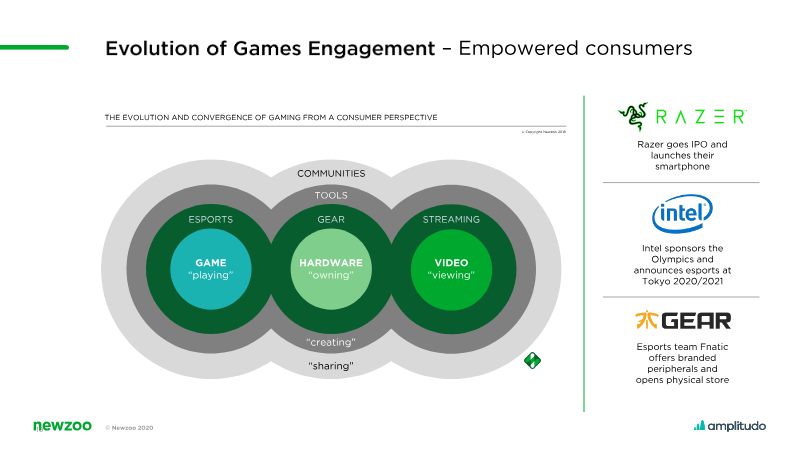
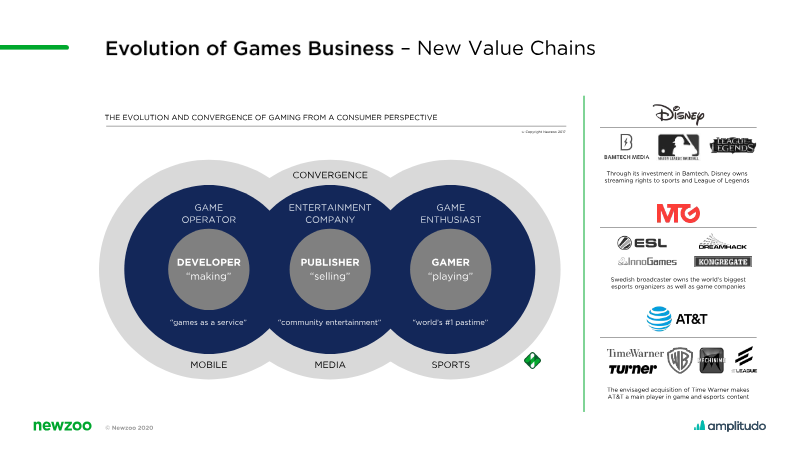
The global gaming industry is undergoing a fundamental transformation characterized by the convergence of social interaction, entertainment, and commerce.
- The global gaming market has reached a scale of 2.7 billion gamers, with 1.3 billion active spenders driving the industry's evolution into a major economic force.
- Mobile gaming is the industry's dominant segment, currently accounting for 49% of global consumer revenues.
- Cloud gaming is a significant growth area, projected to generate $4.8 billion in revenue by 2023 through infrastructure investments from Microsoft, NVIDIA, and Tencent.

概要: ゲーム障害に関する調査・研究
Four major Japanese gaming industry organizations, including CESA, JOGA, MCF, and JeSU, have initiated a comprehensive research project to address the classification of gaming disorder by the World Health Organization.
- Four major Japanese industry organizations (CESA, JOGA, MCF, and JeSU) have launched a formal research project to develop evidence-based countermeasures for gaming disorder following its classification by the WHO.
- The research is governed by an independent committee of external experts in psychology, medicine, and social research, chaired by Professor Akira Sakamoto of Ochanomizu University.
- The project is structured into two phases spanning 2019 and 2020, beginning with the development and validation of standardized measurement scales for both children and adults.
Panel: Future of Esports
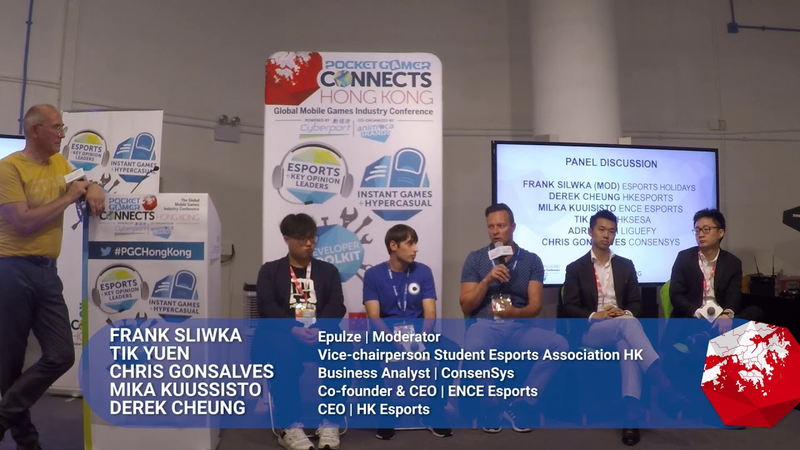
Esports has evolved from a niche subculture into a mainstream global phenomenon, increasingly outpacing traditional sports in engagement metrics among younger demographics.
- Esports is outperforming traditional sports in engagement metrics among younger demographics, establishing itself as a primary global entertainment medium.
- Game publishers currently utilize competitive tournaments as strategic marketing tools to extend product lifecycles and drive user acquisition.
- Long-term financial sustainability requires a transition from publisher-dependent funding toward attracting non-endemic brands like airlines and telecommunications firms.
How Tokenisation Can Take Esports to the Next Level [Liquefy], Adrian Lai
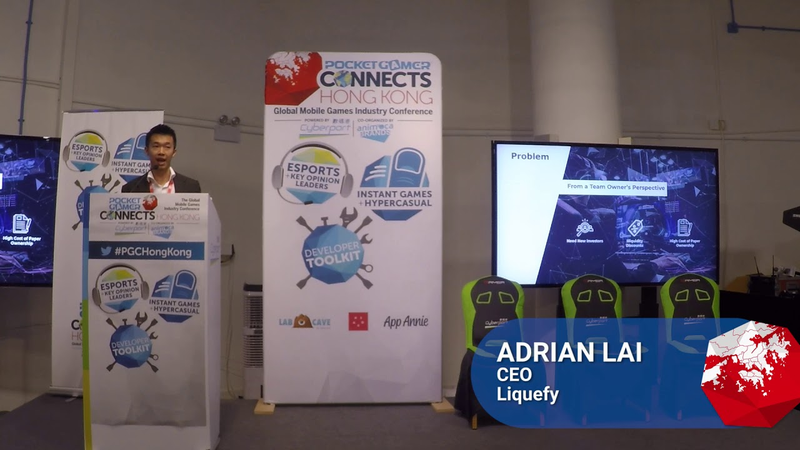
The tokenization of esports represents a transformative financial model designed to address liquidity, accessibility, and transparency challenges within the industry.
- Tokenization addresses the industry's profitability crisis, where approximately 95% of esports teams currently struggle to achieve financial sustainability.
- By fractionalizing ownership of teams, tournaments, and infrastructure, blockchain technology lowers the barrier to entry for retail investors from millions of dollars to smaller, accessible amounts.
- The model creates a liquid secondary market for ownership stakes, which is expected to command a valuation premium compared to traditional, illiquid private equity structures.
Fireside Chat: Symbiosis Between KOL and Developers
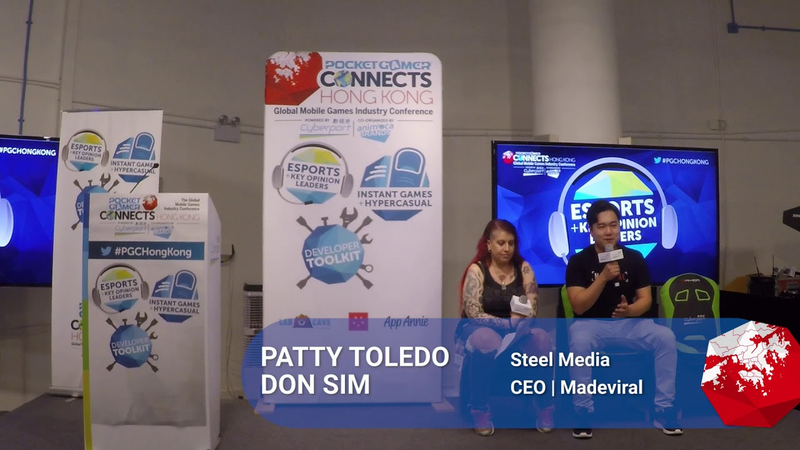
The symbiosis between game developers and Key Opinion Leaders (KOLs) is a critical component of modern user acquisition and community management, particularly within the Southeast Asian market.
- In Southeast Asia, influencers act as primary gatekeepers for game discovery due to significant language barriers that limit audience reach for non-localized content.
- Developers frequently fail to convert viewers into players by treating influencers as simple advertising vehicles rather than creative partners who provide authentic, tailored content.
- Influencer selection should be based on content history alignment with the game's genre rather than relying solely on vanity metrics like subscriber counts.
How Esports can be Used to Promote Physical Activity in School [LJQ Limited], Francesco Berre
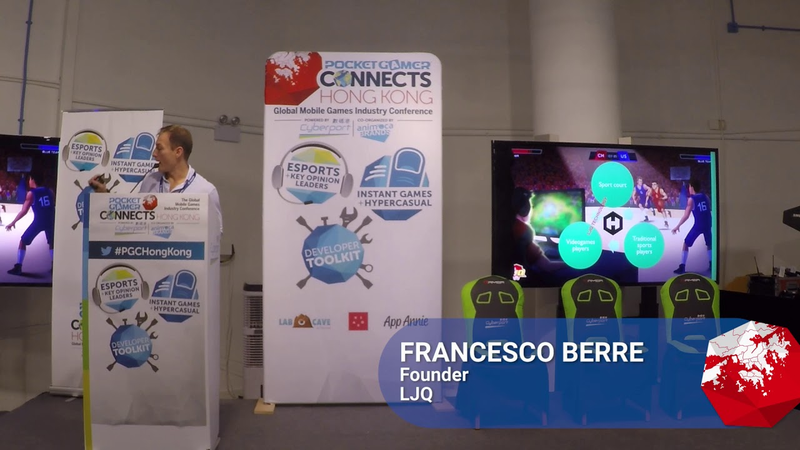
The integration of esports into educational environments presents a significant opportunity to address the sedentary nature of modern gaming while fostering physical health among students.
- A new hybrid sporting model integrates digital gameplay with physical activity, such as basketball, to mitigate the sedentary health risks of esports like obesity and anxiety.
- The esports industry faces a significant labor shortage, with an estimated demand for 260,000 professionals in China compared to a current workforce of only 50,000.
- The X-a-Basket association in Switzerland is piloting proprietary technology that links multiplayer gaming devices directly to physical court environments to influence match outcomes.
Interactive Livestreaming and the Future of Esports [Genvid]
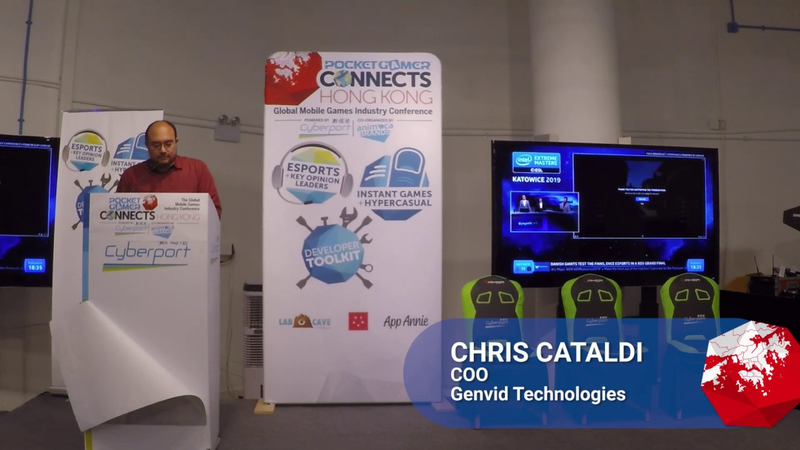
Interactive livestreaming represents a fundamental shift in the esports landscape, moving away from passive observation toward a model of active viewer participation.
- Interactive livestreaming shifts esports from passive observation to active participation by integrating real-time data overlays and mechanics directly into broadcasts.
- The industry must move away from 'viewer-last' design by adopting a three-strata engagement model: informational, customizable, and influential.
- Broadcast features should be tailored to specific game genres, treating MOBAs with the pacing of basketball and card games with the strategic depth of poker.
Making Games Profitable to Diverse Markets
The Middle East gaming market presents a significant opportunity for developers, characterized by a large population of over 400 million, high online engagement, and substantial GDP per capita in several nations.
- The Middle East represents a significant growth opportunity with a population exceeding 400 million and high online engagement, yet it remains under-represented in global eSports and streaming.
- Rising user acquisition costs make traditional localization and live operations insufficient for profitability, necessitating a shift toward 'necessary localization' that targets specific cultural and linguistic needs.
- Developing niche, culturally tailored products like Arabic-language word games can achieve significantly lower costs per install compared to mid-core titles.
Tetris World Championship: Building Explosive Esports on 8-bit Nintendo
The Classic Tetris World Championship has successfully transformed the 1989 Nintendo Entertainment System version of Tetris into a premier, high-stakes esport.
- The Classic Tetris World Championship successfully transformed the 1989 Nintendo Entertainment System version of Tetris into a professional esport by creating a standardized ruleset for original hardware and CRT monitors.
- The competitive ecosystem relies on modern broadcast technology, including real-time statistical overlays and multi-angle camera feeds, to turn a game without native competitive modes into a high-stakes spectator experience.
- Strategic partnerships with established entities like the Portland Retro Gaming Expo provided the logistical stability required to scale the event from a niche gathering to a global phenomenon.
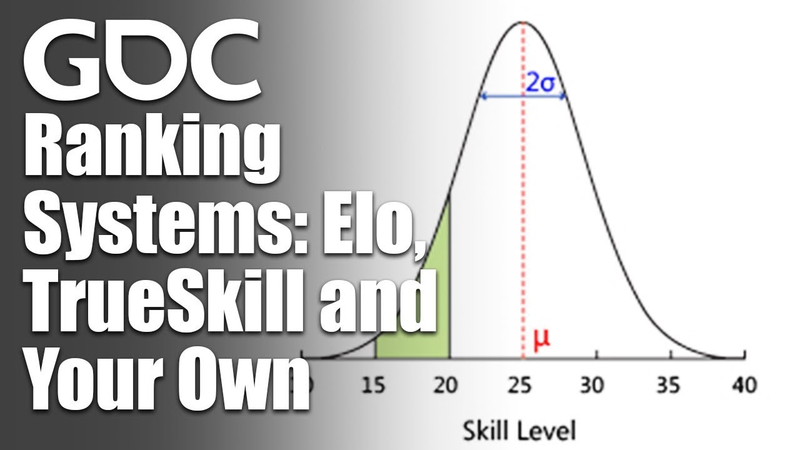
Ranking Systems: Elo, TrueSkill and Your Own
Competitive matchmaking relies on sophisticated mathematical models to ensure fair play, with Elo and TrueSkill serving as the primary industry frameworks.
- The Elo rating system, originally developed for chess, relies on a normal distribution to predict win probability based on the rating difference between two players, but it lacks mechanisms for time decay or handling multi-player matches.
- Microsoft's TrueSkill system improves upon Elo by using two variables: 'Mu' (the mean skill level) and 'Sigma' (the uncertainty of that skill), allowing for faster convergence and the ability to model draws and multiplayer game modes.
- TrueSkill uses a conservative rating calculation of 'Mu minus 3 times Sigma,' which provides a 98% confidence interval that a player's actual skill is higher than the displayed rank, helping to improve player perception by allowing ratings to trend upward.