1 free read left. Create a free account for unlimited reading + AI research.
Create free account
Interactive livestreaming and the future of esports
Key insights
6 takeaways- 01Game developers currently prioritize the player experience over the spectator experience, often disabling advanced camera tools and data access in live builds to prevent potential cheating or distraction.
- 02Future esports growth requires shifting from a player-only focus to a 'digital stadium' model where the broadcast medium is designed to be viewer-friendly for non-players, similar to how traditional sports evolved alongside radio and television.
- 03Interactive streaming technology, such as Genvid’s overlays, allows viewers to access real-time game data—like weapon loadouts, hitboxes, and win-loss probabilities—that is typically hidden from players to maintain competitive integrity.
- 04Different game genres require tailored viewing experiences: fighting games benefit from fast-paced tactical data like hitboxes, MOBAs function best with team-oriented strategy overlays, and MMOs mirror the long-form narrative style of golf broadcasts.
- 05Customizable viewer experiences, such as localized UI overlays and multi-camera feeds, can replace the current industry practice of segmenting audiences into separate language-specific channels.
- 06Monetization can be expanded by allowing viewers to influence game elements, such as using audience input as a seed for RNG (random number generation) or selling digital goods that impact the stream.
Ask AI about this video
Transcript
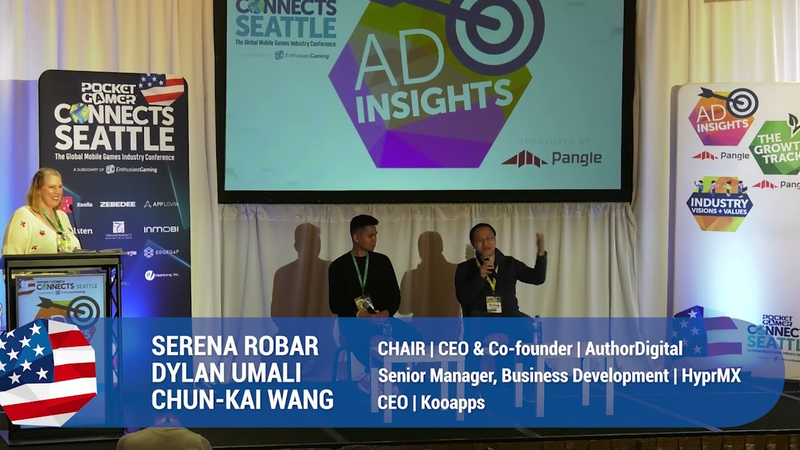
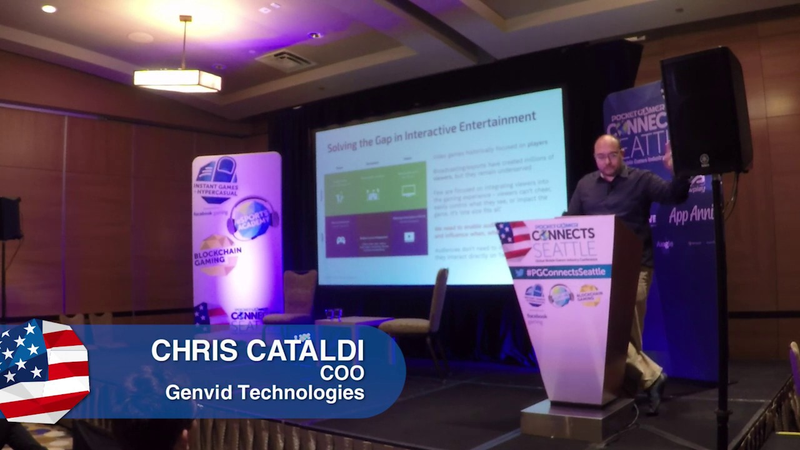
okay show of hands how many of you have seen a presentation I've made either in person or a stream online great cool so it's relatively the audience gets me excited thank you all for coming it's rainy in Seattle which everyone's surprised about and we're talking about future eSports and interactive streaming my company is gen vid gen vid was started more than three years ago now by four co-founders from the game space and we set out to create the tools to let game developers really interact with their viewing audience in a compelling an interactive way and from four people in in no office we've gone to close to 40 people in four offices and a lot of that has to do with the you know development the amazing work that my
team has done but moreover the feedback we've gotten from game developers who are either existing eSports runners or creating what we believe to be the kind of the future of the gaming industry in many ways what we're really well known for I think is creating monetization layers on top of existing titles like counter-strike and through being able to interact with very big platforms like twitch we've been able to create an interesting niche for ourselves where we're able to be the kind of interaction tool of choice for developers who are trying to reach their audiences I'll speak a little bit later about why this is important and why we're doing what we're doing today's talk is not meant to be a marketing pitch for agentive it tends to operate a lot around developers that have used our technology because we believe what they're doing is cool but what I've tried to do is set up some constructs some frameworks that you can
take as hints if you're in the eSports space or in the game developer space about what it means to be a viewer because I think we all agree that eSports if nothing else is a viewer dominated market and we're creating experiences for viewers so we need to be starting to think of things from a viewer perspective and this is a little bit of a challenge for developers because developers don't see viewers their consumer they see players as a consumer and this is kind of a paradigm shift I'll save you the the video of amateur talking about gentleman we see games and traditional media coming to a point of convergence and what does this mean games have always been on the forefront when it comes to three main things business model technology and content and it's really the hardest domain to be in because your your users are the most demanding when it comes to their their pocketbook and when it comes to their time and when it comes to their attention traditional media is coming to
see that games are so advanced that when it comes to linear content when it comes to pretty much anything traditional sports there are advertising where engagement and monetization and and content are you know they're kind of a crises they're seeing that game the game industry is a really interesting place to start let's say not necessarily copying but adopting best practices and so game developers have a unique perch to address the viewership that we see here but in order to do that we need to find the fact or realize the fact that the current offering is not one that's viewer friendly and what I'd like to do is kind of juxtapose it against the physical world and the experience that have co-evolved with with overtime with things like sports so for example going from the left to the right here I apologize if the text is a little small we've charted the kinds of experiences
and monetization and kind of audience size from left to right so first you have the player if you're doing traditional sports the player is not your main monetization cohort right there are people who are playing the game but you're not necessarily making money by selling people more footballs right here you're getting them in a stadium and doing things with them the next level of monetization and experience is the participant the people who feel engaged enough to go spend their hard-earned hard time and money in the stadium to have a more kind of immersed experience and have a closer connection to what they're watching and then actually when you get to the people at home on the right the viewers you have that the biggest paychecks these are broadcast rights these are sponsorships right and what we've done is we've created an entire spectrum of experience from player to participant to viewer where each component leads the next you know if you don't have a good player experience you don't get enough
people to play the game to the sport if you don't have a good enough participant experience you don't get very stakeholders including add you know add buyers and cetera involved and then you definitely don't get enough of a viewership around that well let's just just oppose that against the the game space which is kind of digital space for now games are really about player and only about player right and it's not really about converting players into any kind of monetization other than the act of play they're not creating necessarily from a developer's perspective content for other people until it reads it reaches a you know a high enough point where you have a lot of people who are playing the game then maybe they want to watch each other for for best practices right and then we have a gap in the middle we'll talk about why I put this here because I still think that the participant in stadium experience for four games is not really there and you you have the viewer experience and
people are watching things on twitch and YouTube and there's no real kind of continuum here and why is that that's mainly because the developer doesn't care about the viewer the games are not created for spectating spectating itself if you think about how the spectator builded the game with respect to our mode of the game is done it's usually the dev build of the game that is just there for tests and everything until the very end before the game shifts or before it goes live and then all of the how shall I say all of the the all the features of it are pretty much cut off and it's shipped at a specular build right you don't have god mode you can't go everywhere anymore why is that because devs don't want you spectating the game they want you playing the game and if you're spending too much time in the specular build of the game that means you're probably not very good at the game and they'd rather do better matchmaking to make sure that you as a player are enjoying the game as it's meant to be done and that means
that the spec their experience of which all of eSports is built on and I think you're seeing some innovation in this space right now is one where we don't understand what's going on if we're not a player of the game and its title unfair because we're holding eSports to a standard that other sports I think shopper mentioned it earlier didn't have this same kind of comparison because for example baseball co-evolved the spectating experience with the with the player expens it's over 80 years right we're not talking about what we need to do in one year there but what's important is because these are spectator driven businesses we started thinking about it from the spectators perspective and we started creating spectator centric value and developers are uniquely capable of doing that so what we need to be doing I think developers are starting to wake up to this right now is think of our instead of this forever going on debate of do we get more players or do we try to make things more mainstream by having my mother
who's never played overwatch be able to watch a stream on ESPN because that's gonna you know be the where everything is for the traditional viewers we have to start thinking of more interactivity and we have to think about the the fact that other sports other large spectating businesses co-evolved with the kind of broadcasts that were capable at the time so you have radio you have black-and-white television you have color television and you have to think about how other sports co-evolve with that over time you had a lot of commentating then you had the ability to do show the match on television then you had the ability to do digital overlays baked into them so that you could have more engagement right and we do ourselves a disservice if we don't think of the broadcast medium as something that can make a difference and I'll show you what I mean and if we do this we we no longer focus only on players we have a whole spectrum
of viewers going from player to interactive viewers to spectators people who are as you go from smaller it's larger you have again more ability to monetize but also less kind of interest in the core feedback of the game so one thing we've done is we ran the two agenda and what we worked with with partners including twitch and others we run the premium pass for the last two counter-strike majors how many of you been customers of that premium product awesome great I'd love to hear what you thought about it I for those of you have not seen it I think it's worth showing 15 seconds of someone from ESL talking about it so I'll show it there I don't watch this Grand Final with a little extra spice you can do so it's nice that easy to do decide to underscore premium to the top URL bar and it's just an interactive way for you to get more stats and other information you can bring up the scoreboard at any time if you want to keep track of just how much fragging damage your favorite player is
doing okay so I think that's kind of hard to understand so let me show you quickly for games like counter-strike they have an unfair advantage because they've been around for so long that most of us have been ex players of it so we have an innate understanding of what's going on but if we haven't watched for one or two seasons we don't really know what the latest you know tactics are for a specific map and we have the commentators going out of the way to tell us things but we still probably don't understand so one of the things that we worked on was ability to literally any given point to be able to click on the overlay find out what's going on in real time being able to turn on and off scoreboards and see you know literally what's happening in real time and again this is customized for each of you now what we're showing this is now is live streaming on YouTube but this works for twitch etc as well and it's these kind of experiences that we need if you want to expand viewership right it's not about people who have watched ever counter-strike it's people who watched recently and the longer game is
in existence the more X players you have therefore the more potential viewers you have right I don't think I think there's a bit of a going fusion I don't think it's necessarily about bringing everyone who's never played the game into viewing your game I think it's about bringing anyone who's ever played your game viewing your game so if I play counter-strike or csgo six years ago I need to be able to feel like I understand what's going on and we spent a lot of time thinking about things like multiple camera angles and letting viewers follow the player of their choice what we found is and this is equation because it depends on the tournament organizer therefore the broadcaster of what they want to do we have two models right there's one you where you give agency to the viewer they can choose which camera they want to watch and viewers like choice but the end of the day it's pure Pareto they want to watch the main broadcast channel because they want to watch what the commentators are talking about and if they're watching someone else's channel who they love they're unable to see that so what we did is we created this kind
of mini-map so even if you're watching a player of your choice we're able to kind of follow all players at any given time and what what you need to do is you need to give data that players didn't have access to things like literally what weapon all players have equipped and at any given time this is stuff that you wouldn't even get in the normal UI of the game because it's not relevant for players in fact players shouldn't be known what they have lended when they have the knife etc because that kind of lets people cheat right and so if you look at the normal counter-strike UI you only have the most expensive weapon that they have not what they have in hand and so we have to think from the ground up of what you I meant for for spectators another example let me see how I can present again omen of sorrow any of you've heard about a woman of sorrow it's a really cool game based made by a studio named a one based in Chile they're one of epics kind of grant winners they do a whole bunch
of really cool games and they made a game ps4 launch exclusive called omen of sorrow and we were with them last year at Evo where they debuted this interactive technologies fighting games are really difficult to follow unless you are a player of the game right because even if it looks like everyone's seen a fighting game from the side but we don't know what the tier is we don't any of these things we just watch it and people are moving really quickly so what we did with them in fact they did it is it created a way that viewers could turn it on and off hitboxes and see those in real time you're able to talk longer off the HUD and they're even able to see otherwise player input these are things that if I'm a new viewer of the game I kind of want to understand what's going on if I'm a seasoned player and I haven't played for six months and they've entered a new new character maybe this brings me back into the game I like I'm one of those people who like showing live demos because I think it makes sense this is a live stream moment of sorrow can turn on and off the HUD
see the input and what a one has done since is they've actually put let me turn off the HUD so you can focus on it they put on live winning win loss probability which they call odds so if you are a new viewer to this game and you've never played and watching the HUD alone doesn't do it for you because you don't understand what the super meters are you don't know what the again the tearing between these two players two characters are this is the kind of thing that's gonna change your life and again being able to turn on off the hitbox in real time is gonna make a big difference and these by the way are the actual hitbox is from the game and the developer took a lot of courage to actually expose those and then stream those I'm trying to make it so you don't think anyway so we need to start thinking about wonder thinking about the viewer experience being able to give data to that viewers want specifically for their
demographic give them the cameras let the market choose what that is it's not that difficult to do for the most part people when we think about eSports we're thinking about viewing outside of engine right because it's the least friction if I want to watch counter-strike if I have to get a computer that could actually you know good on valve for creating a free version of their game but I need to therefore if I want to watch it in go TV I need to have a computer that can and an internet connection that can do all those things most people are going to go for the live streaming option bringing people if there's a new map whatever we need to be able to tell the viewers what's going on and towards the end and this is quite important I don't think you can create any sport but I definitely think you can create a game that takes into consideration the fact that viewers are watching and there is such a thing as home-field advantage and if you think of as chopper were saying earlier we are living in a world where everything is global right and so if there you can have some arenas that are
geographically home in a way but if the real stadium is an engine or on a channel you know what you know there we're gonna have the creation of these digital audiences and digital stadium and then we're one of the big reasons I go or anyone goes to live sporting events is to feel that you're cheering impacts the outcome right right now all the games are designed to not do that and there's a whole bunch of things that we believe the next generation of games will enable so I'll skip around a little bit we do need to think about what the viewing experience is on is on a John Rochon or basis and it's not necessarily the same as their real-world analogues so for watching a fgc a fighting game the people are watching that aren't necessarily people who are watching MMA it's kind of a different genre I would probably say it's fast paced tactics focus rather than anything that seemed a longer term you know strategic strategy that's 10 to be for Mme so it's more akin to
something a badminton so replays are super important be able to see multiple camera angles super important and those kind of things MOBAs action FPS they tend to be more something think of it along the lines of a viewing experience of football it's more team-oriented you have quarterback you know you have weird plays with blitzes here and there but even think of it more and more like football strategy CCG a week and sheet here we can think of it as poker pretty much and so live stats are super important being able to see real real time tech information you know twitch has done some really cool things we can keep your here an MMO I like to think of it as golf there's a long narrative going on there's a story that's both in game and extra game that's you know the mental and again Golf is very similar here you know this golfer eight years ago had this problem let's see a replay these guilds are you know there's there's some sort of showdown between these two guilds there's a lot of like long form here that MMOs can give you and I'm gonna talk a little bit about how we have to think about viewer engagement and the
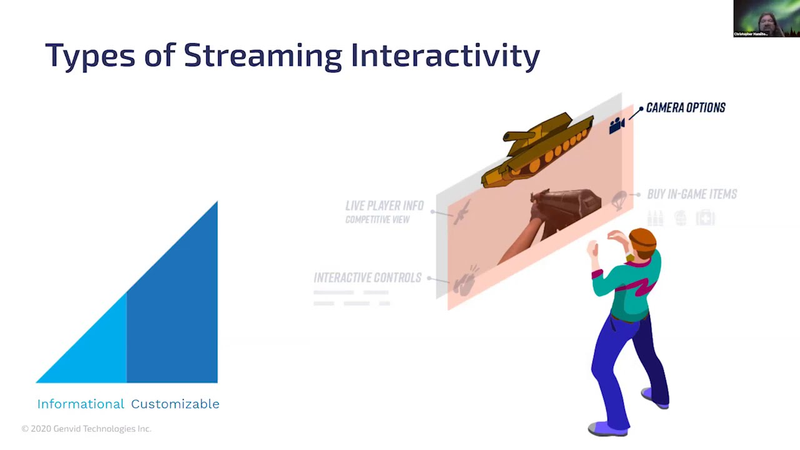
types of interactivity that viewers can have and what those repercussions are for game design as well as monetization potential so there are three tiers first is informational that's again giving viewers information right about what's going on and so if you're watching an FPS it's being able to click on something and find out what's going on what is the players inventory where are they on the map all right things that very high level players already know but not necessarily new new viewers right and how can we monetize that it's as easy as giving it away for free you know if you see it as bringing poor people more people and tutorial izing them into what your game is so that they get energized want to play themselves it's fine you can you know give it you can get it sponsored if you're a big enough game for it or if you are really big and you have your own kind of pay wall you can have a pay wall behind it information is already in the game so this isn't really the hardest this is the easiest thing to do from a design perspective it's more about identifying the kind of data that you want to be
exposing to to viewers and again putting that in the way that is native to your game next is custom customizable this is the idea to you have different interests groups watching your game and interacting with the game and giving them each and native experience and so what does that mean so it could be something like different cameras it could be something different languages right now whenever you're watching eSports wear watch we're actually being segmented right this is the Korean channel this is the English Channel all right and that may it be great if they're actually it's a home-and-away sentiment and the casters like in baseball are you know saying something that is more akin to a specific geography but if it's literally just understanding what's going on in the localization perspective just have UI that's custom to that and just seems simple to drop them these are just websites over video right we can we can do these things monetization is pretty much the same thing sponsorship is I
think it's just super simple to sell these things to sponsors you can track engagement because it's literally you know you're tracking people's engagement and this is a little bit more of a lift when it comes to design and because you need to identify you know what are the interest areas what are the you know who are the people watching what what language they want if you're gonna have multiple cameras is that all players you know this is hard if you doing the Battle Royale right you're gonna be offering a hundred channels plus the the broadcast not necessarily maybe doing a squads it's mean this is game specific and last but not least and this is what people think of first but we dive addressed last as influencer wishes viewers literally dictating some of the game state outcome based on their input right and this is something like cheering and the players can hear you cheer or it's something like literally putting in something in the air drop and sending it to you know this is the Hunger Games mentality everyone gets into I think why do it in terms of monetization I think it's clear
why you'd want to do it because you can now start selling things to viewers in terms of digital goods right and you can output it can change the output of the game it's the most difficult thing to do when in a game design perspective right because now the viewer is an element of your game but there are lots of things that we take for granted here that we could replace with viewer input things that are rng based things that are scripted right and it's not necessarily having viewers dictate the outcome but having viewers give an input that any of itself could be the seed for the RNG and therefore you've had some kind of emergent you know interactivity there and so the more you go on the influencer spectrum the more you have co-creation of new game experiences where it's the player and the audience kind of inter playing with each other and I have tons of examples of some developers who are thinking about this and I can show you them at my booth but I'm running out of time and I'll let you go from there so blitz freak really cool japan-based 3b3 VR game was I think it was its
cross-platform viewers were able to throw bombs at these people as they're running around this like crazy you know his urban landscape they're also able to cheer for them and based on who got the most cheering they were able to actually hear the cheers and actually the drops of items were being sent to people with certain cheers so that was cool space sweepers are really crazy Japanese indie game where viewers are able to actually Dave can I borrow two minutes okay well come see me I will show you I have a really cool trailer that shows all these things and let me get to my key takeaways what I see eSports as is the first the shot across the bow with developers seeing that there's an audience for their game and the more competitive the game is the more it becomes a traditional eSport and you start creating an awesome viewer experience around that it's still really early and we're still trying to figure out what the best balance is but we're seeing options for developers to think
of their audience as a non playing audience first and creating awesome interactive experiences for them and it'll run an entire spectrum so it's exciting days I'm looking forward to what you guys and then your developer partners do thank you very much you
Summary
The future of esports lies in the evolution of interactive streaming, where game developers shift their focus from exclusively serving players to intentionally designing experiences for viewers. Historically, the gaming industry has prioritized the player experience, often neglecting the spectator. However, as esports matures, developers must adopt a viewer-centric model that mirrors the co-evolution of traditional sports and broadcast media. By treating the broadcast medium as a core component of the game design, developers can bridge the gap between passive observation and active participation, ultimately expanding their audience beyond current players to include former players and casual observers.
The proposed framework for this transition categorizes viewer engagement into three distinct tiers: informational, customizable, and influencer-driven. Informational engagement provides real-time data—such as player inventories, map positions, or hitboxes—to help viewers understand complex game states. Customizable engagement allows for personalized viewing experiences, such as selectable camera angles or localized user interfaces. Finally, influencer-driven engagement enables viewers to directly impact the game state through inputs, such as triggering events or influencing RNG, effectively turning the audience into an active element of the game.
These strategies offer significant monetization potential through sponsorships, targeted advertising, and the sale of digital goods. By leveraging existing streaming platforms like Twitch and YouTube, developers can implement these interactive layers to increase retention and deepen audience connection. The industry is currently in the early stages of this shift, but the move toward digital stadiums and interactive spectatorship represents a fundamental change in how games are consumed. Developers who successfully integrate these spectator-centric features will be better positioned to capture the attention of a global, digital-first audience, transforming the traditional esports model into a more immersive and commercially viable ecosystem.