1 free read left. Create a free account for unlimited reading + AI research.
Create free account
How COLOPL is bringing virtual reality gaming to Chinese arcades
Key insights
6 takeaways- 01To address motion sickness, developers are focusing on room-scale locomotion, which utilizes physical movement to enhance the user experience.
- 02High-end VR hardware costs exceeding $1,500, combined with physical space requirements and motion sickness, currently hinder widespread household adoption.
- 03Developers are mitigating the isolating nature of VR and the difficulty of online matchmaking by prioritizing multiplayer functionality and hosting scheduled, developer-led play sessions.
- 04VR arcades and internet cafes serve as the primary strategic solution to overcome systemic barriers to entry by centralizing expensive equipment and providing dedicated physical space.
- 05The short-term future of the VR gaming industry is centered on out-of-home infrastructure rather than home-based setups to bypass current consumer accessibility limitations.
- 06The Chinese market is demonstrating strong consumer demand for out-of-home VR experiences, particularly through pay-per-minute models located in shopping malls.
Ask AI about this video
Transcript
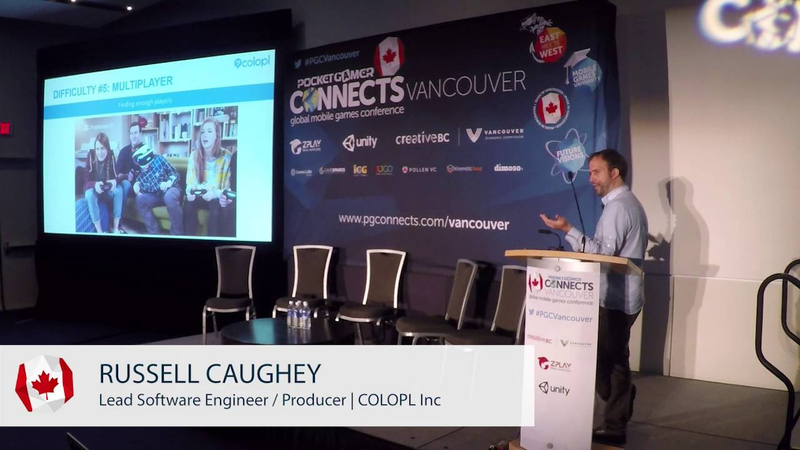
Thanks as my mic working you hear me okay so my name is Russ kahi I work at coloful I'm a lead engineer and senior manager there as well today I'm going to talk about some issues with the VR that we've been that we've found we've recently got into the market space a couple months ago we released their first game called cyber pong if you haven't tried it it's out in the in the lobby please stop by and we'll put the headset on yeah okay I'm gonna get to the next slide here yeah okay difficulty number one I think
this is probably a big question on people's mind right now is when to get into VR VR has actually been around for quite a while if the first VR experience was in 1962 with a with a machine called sense o'rama it was kind of used video to overlay and kind of give you this virtual virtual reality type feeling and then as men you may have may or may have not heard of the Virtual Boy came out in 1995 which was pretty exciting but you know really didn't take off too well we believe there we go we believe that the markets gonna look something like this you if you look from PC gamer from PC games up to smartphones the market has kind of reached its peak after a few years and then started to go
down we believe that VR is you know in its early stages and will potentially start taking off within the next couple years right now we're in that this introductory stage where you know there's there's a lot of potential but it also you know has the higher costs of you know getting in and not making your money back and there's also the software and the hardware costs upfront which are still an issue but so as another issue that we found in developing for VR is locomotion is actually a really big deal how do you get around in VR with virtual reality you you definitely want to be able to walk around and explore your environment but a lot of lease the demos that I've been trying you you get motion sickness when your character starts moving but your physical body does not
so we've actually decided to go with the HTC vive which uses a one-to-one room-scale environment where your physical body is what controls the locomotion in the space there's a picture on the right here of our games cyber pong it's quite similar it's the same setup we have two base stations kind of tracking your motion and the controllers are also hand tracked so it is you don't get that motion sickness whereas if you're using a controller and your character is driving around but you're physically sitting in a chair or something like that this game is very active there's also other types of games where you can teleport around which seems to be working pretty well on VR but this is one of the difficulties and one of the problems that were actively working on coming up with solutions for difficulty number three costs it's
really expensive to get into VR right now to just take your regular computer right now and to make it VR ready and this is kind of the basics of what you're going to need the graphics card on the left is a I believe that's a 970 Nvidia card and those run over $400 you're gonna need an Intel i5 which is running over $300 and then then you have to get the headset which is the five is right now $800 so what you're looking at is at least $1,500 just to get into VR which is more expensive than any of the other gaming devices out there so right now one of the biggest biggest barriers to entry is there's the cost we are loneliness so when you put on a headset you're quite removed from the rest of the world so we've come up with a solution for this in making
multiplayer games so another example of our games cyber pong here we you have two players playing against each other the first thing people do when they get in there is you know they're waving their hands and they're really excited to see someone else in this virtual space we think that making multiplayer games is really going to be important because you know like I said when you put that headset on you kind of feel like you're disconnected from the rest of the world but when you can see someone else in there it really makes for a better experience and there you go for not for difficulty number five I put down multiplayer finding enough players right now is really difficult to do so we have about three or 4,000 people playing our game but getting them to play at the same time is really difficult to do so we have a matchmaking system we're using unities matchmaking
system but the you know they're coming on for a couple minutes they're looking for players they're not finding they get off so we've actually for our solution for this we're doing this thing called duel the devs where we will be online for an hour each day actually we're doing this on Fridays and we will play people just to kind of get people excited about it you know there you'll have someone to play with and we actually give away steam gift cards to the people that beat us and as a secret we actually give away steam gift cards to anyone that plays us but we say that you have to beat us difficulty number six is the peripherals I just came from a conference in Korea and I saw some really really intense peripherals so the one on the Left allows you to walk around a little bit it's not quite there it doesn't feel good yet but you can see it takes up a lot of floor space these these chairs
are really taken off on the right and you do like roller coaster experiences like that and you know it's it's they're just too big and there's too many you know there's gloves there's all these peripherals that are coming out and it's not realistic to assume that someone can have this have these in their homes so what we see as a solution is VR arcades so VR arcades kind of solve all the problems that I see they're they're more affordable for an everyday everyday player to come in you know have the headset have the peripheral setup you have the space to do it you know room scale is great but not everyone has a room that they can dedicate to this type of thing and then you get the you get the social aspect of it as well you get you know your friends can come together you can find people there you can all get together and play VR games which which again is is one of the
difficulties that I see so I was also just in China last week this is one of the VR arcades that we were working with in han xue this is actually in a shopping mall and they seem to have like lines of people just waiting to play VR games you know they charge them by the minutes it's it's it's open in the front so you can kind of see what the people are doing there's two rooms so this one actually so you can do like a multiplayer type game like cyberpunk and it's this is I think really where VR is going to go at least in the short term when the price is high the barrier to entry czar significant I think VR arcades are going to take off pretty soon so what is the future VR the best way to predict the future is to create it so we're creating content and we are
trying to solve the problems of VR right now and hopefully you'll see us around in a few years with more solutions to all these problems thank you very much
Summary
The rapid emergence of virtual reality (VR) in 2016 presents significant barriers to household adoption, necessitating a strategic shift toward public VR arcades and internet cafes, particularly in markets like China. While VR technology has historical roots dating back to the 1960s, current consumer adoption is hindered by high hardware costs, motion sickness, and social isolation. A high-end VR setup, including a powerful graphics card, processor, and headset, requires an investment exceeding $1,500, making it inaccessible for many casual users. Furthermore, the physical space requirements for room-scale experiences and the lack of concurrent players for multiplayer titles pose ongoing challenges for developers.
To address these obstacles, developers are prioritizing room-scale locomotion, which utilizes physical movement to mitigate motion sickness, and implementing multiplayer functionality to combat the isolating nature of headset use. Because finding enough active players for online matchmaking remains difficult, developers are employing engagement strategies such as scheduled developer-led play sessions to maintain community interest.
The industry is increasingly viewing VR arcades as the primary solution to these systemic issues. By centralizing expensive hardware, providing dedicated physical space, and fostering a social environment, arcades lower the barrier to entry for consumers. Observations from the Chinese market indicate strong demand for these public venues, where pay-per-minute models in shopping malls are successfully attracting crowds. Consequently, the short-term future of VR gaming lies in these out-of-home experiences, which provide the necessary infrastructure to overcome the current limitations of home-based virtual reality.



















Comments