1 free read left. Create a free account for unlimited reading + AI research.
Create free account
How to raise funds from Chinese investors
Key insights
6 takeaways- 01Chinese firms utilize cross-border acquisitions to leverage higher domestic market valuations and bolster their overall market capitalization while seeking strategic synergies and specialized talent.
- 02Chinese investors primarily target mid-to-growth stage studios that demonstrate consistent profitability and a proven track record to facilitate regulatory approval for international transactions.
- 03Acquisition deals typically feature an upfront cash payment of approximately 30 percent, with the remaining balance structured as earnouts and share-based incentives to align management with long-term growth.
- 04The long-term outlook for cross-border M&A remains bullish, driven by the need for industry consolidation and the integration of technologies like cloud infrastructure, advanced analytics, and virtual reality.
- 05While the Supercell acquisition serves as a notable example of founders maintaining significant operational autonomy, such arrangements are rare and contingent upon the target company possessing substantial bargaining power.
- 06Due to a lack of local Western expertise, Chinese firms generally adopt a hands-off management approach, preferring to retain existing leadership to operate the business independently.
Ask AI about this video
Transcript
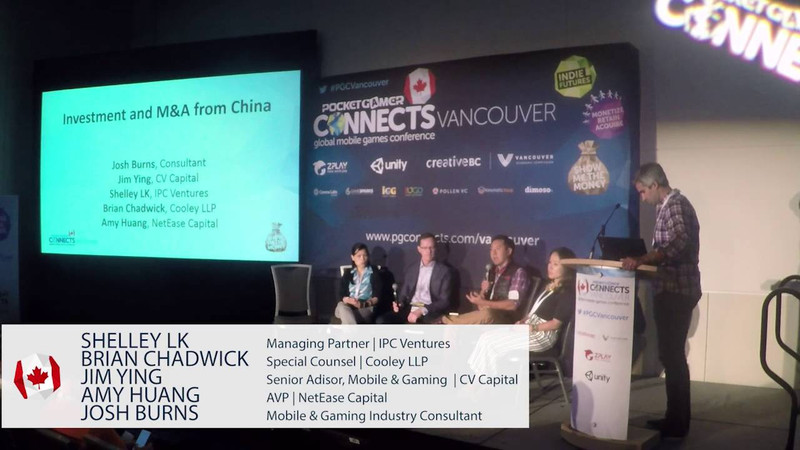
[Music] all right let's get started so uh today we're going to be talking about uh m&a from China um or related to China investment in m&a so we have a very uh experienced and knowledgeable panel so it's going to be really interesting I guarantee that uh money back guarantee uh so just quickly for myself um I've um so I'm a consultant I work on many different areas in the industry uh and doing more work around Asia in terms of Western companies um uh strategy Partnerships as well as some investment and m&a since there is a lot of interest uh around Chinese market so I think if we can start with Amy and do some quick introductions for everyone kind of your name company and also how that relates to uh to this topic hi um on there you
go hi my name is Amy from East Capital is it working it works it'sing now okay hello okay yay okay I'm Amy Wong from n e capital uh n e is one of the largest publisher game developers out of China I've been running Investments for the global games fund for n e for the past four years so look at uh some very early stage uh game content developers uh East West around the world we have a lot of portfolios globally so that's why I'm here hi uh Jim Ying um with CV Capital so CV capital is a Shanghai based Investment Bank that primarily Brokers investment and m&a Deals between China and outside China uh I help focus on uh the game Space and the areas related to games so adtech uh General mobile Tech
uh the company in the last couple of months have done two deals between China and out so there's the spigot deal uh for 252 million uh to jemus and then there was the smato deal which was just announced around 3 or four weeks ago for 148 million to spearhead I'm uh I'm Brian Chadwick I'm a lawyer but uh I've been an m&a and investment lawyer for about about 20 years but seven of those years I was General Counsel of a uh British Swiss company called mini clip and I I sold mini clip last year to 10 cent and from that then have parlayed on starting up a a new practice with kolie and kolie is a global Law Firm that's a Tech Law Firm that works with companies like Facebook and Snapchat and Uber and these kinds of companies I set up there their New London division to do um games focused Investments and games focused m&a from China but also from North America and Europe
hi I'm Shelly from IPC ventures of the manag depart there so we are a mobile first um focus fund investing in mobile technologies and startup but uh we do have a specialization in the mobile gaming space switch mics I I and we've been quite active in the gaming space um for the past few years we have a pretty uh strong team understanding the the like mobile freet toplay world and so we're pretty bullish about this space actually thanks excellent all right so we'll Dive Right into to uh some of the key questions um so in terms of interest from China around m&a investment I think again we'll frame everything around like Mobile gaming companies uh you know what are what in each of your opinions is kind of the key driver of interest uh around these sort of m&a opportunities
thinking around financially motivated Talent uh you know Market entry uh genre expertise so um we start with Amy here and just what what's your sort of if you were pick like one key driver each of you like what would it be uh Josh I think all the things you said above um could work for any publisher or company coming out of China trying to do a global thing uh I think if you want to say one thing that is got to be the Synergy between the two companies uh when it's for uh an acquisition so obviously Financial motivation is a big part of um uh the thesis that's been coming out of China in the last few years but the market regulations are changing uh the Chinese government is tightening uh the rules around that so you're going to be seeing less of mining companies going west trying to acquire game companies but rather you have more focused strategics who has value to offer either way so so I think finding the right Synergy is the
biggest motivation uh so I think uh you know you see so many deals coming from China uh because there are multiple factors that line it up uh to make it very very attractive right so of course the specifically gaming that's a strategic component where in many ways uh China and many Asian territories the gaming Market is far more competitive than in Western markets if you look at the top grossing charts there's a lot more movement if you look at the number of titles released the size of those teams there it's a lot more competitive than I'd say most western markets and so there's certainly the Strategic component I think uh another big one uh that uh am Tashan was certainly the financial element right so uh among Western public markets private markets VC certainly uh the interest in in in investing in content has gone down a little bit uh because there's less explosive growth and uh it is a red ocean as many folks say but investor sentiment uh in China
uh both public and private uh is more positive at this point and so if you look at some of the publicly listed companies in China they have P multiples of you know 30 40 50 sometimes even higher right whereas if you look in the west if you're between 5 and 10 you're in a pretty happy place and especially if you look at some of the transactions that have happened in the west you know those deals are sold at you know 5 to 10 PES so for many Chinese companies they have an opportunity to essentially Arbitrage the profits uh that are coming from their Acquisitions where let's say if they're able to buy at a 10 to 20 times multiple and they're able to fold those financials into their parent company they automatically see a significant increase in their market cap right so of course that's just one component of it many companies aren't going to do a deal just because of the financials but when you add on the Strategic element when you add on the competitive element uh in China it just makes these deals very very attractive and so you see for the last six years more and more deals coming out of China
not just in terms of mobile gaming but real estate uh I think last last last year was the first year where Deals m&a Deals coming out of China was more than hundred billion do right and you see that you're going to see this trend keep going up I I think Jim I would agree so much with what you just said so much of the the financial motivations from the Chinese companies we've seen companies like our Palm sitting on cash companies like klin Chinese Publishers sitting on cash klin about a year and a half ago bought the the the uh the gay dating site grinder I mean they've also and it's just sitting on cash looking to buy buy assets but another interesting thing I'm finding that I would offer as a in addition to all the financial motivations which are strong would be I certainly in my meetings with tensent and my meetings with you know again people like at arom and others and kland and others they seem to also understand the connection between how we're using our mobile devices more generally so for instance 10cent buying banking assets setting up their own bank to connect to WeChat or companies uh again like tensen
again buying uh assets from the BMW sort of car uh with the electronic car I car drive teams so there's a connection between understanding that we're playing mobile games we're using our mobiles quite extensively and looking to have more content more assets more connections more social features around those assets I guess most of the points are cut for but I would just say sort of summarizing is really underlying drivers would be the talents and the financial but I guess the most important part is the speed um you know they basically deification like how do you actually get access to content in a much faster Pace than you could actually um build in organically in house and and also I think you know the the type of talents that you know in Asia would not be able to create the
type of content that are created over here in the west so it's really that diversification that a big companies want to get into and expand the market and footprint U much in a much faster space excellent so I think the next question is understanding um some of the sort of characteristics of Western you know mobile game studios and what those are that are interesting uh to potential uh m&a and Investment Partners so uh We've obviously talked about the creative element I mean in terms of Revenue and profitability like in each of your perspectives like how important are those factors are they essential or is it if a team is talented enough uh that there would be opportunities um for you know some type of strategic partnership um so in terms of uh you know is there certain Revenue scale and profitability that is you know necessary in each of your opinions um uh for those companies to be interesting for Chinese sort of
Partners sh you want to start I guess from Asian sort of culture I think for them to really see through the the potential talents to read based on fact based on num so the most of the the studios that got acquired or got investment most of the time have some track record that they can really prove it um so it's you can you don't see really like the first time um independent Studios or entrepreneurs get uh h amount of funding or a quick transaction from um from the buyers in the in the east from the East so I think it's really um a lot more sort of like midstage to growth stage companies not that early stage that's my thought yeah I would only offer I would agree with that I mean I think um shelle's right on with that it seems many of the Investments that we've seen over the past have been companies that are slightly beyond the growth stage if you're like getting into revenues partly from what Jim was saying about being
able to Arbitrage the revenues where the companies can fold them into their own PE ratios um I mean that said there have been a few U very sort of early stage Investments that have happened over the last year but they tend to be more Syndicate style rather than straight in yeah I think uh you know for in order for these deals to happen you need to have the buyers having their meets met uh by the companies that are they're relevant right so if based on what we talked about before what's driving these deals is you know they want to expand their foot they want to find strategic Partners they want to look for revenue and profitability that that essentially means that the targets that they're looking at are ones that meet all of these criteria right of course you know some might stress some more than others so uh you know if there's a large publisher maybe they're looking for content in the west if it's a cross sector acquisition where they don't have a strength in gaming maybe they're looking more for the financials so it will differ by who the buyer is I think one element that does come into play play though is um so China has the C
csrc which is similar to the US SEC which uh for larger Deals they will need to approve these deals and so from the from the China buyers perspective they have a pipeline of deals that they're sending through for approvals it's not like they can work on 10 deals at any given time and so if they need to prioritize their deals of course they're going to try to prioritize ones that meet all of their criteria right ones that have strategic value they uh it's a strong team uh it's profitable relative to the other deals that maybe only hit two out of three of those marks okay just to finish up uh I think uh the the financials I mean real remember this is crossborder deal so Financial is one very um tangible way to evaluate a studio when you're doing Acquisitions so that's always going to be taken into consideration especially when you don't have that kind of history of relationship together um so the financial numbers will be very
critical to a buyer when they assess a deal um I also want to add that uh you know there are only a few handful of companies in China that are of such scale that they can do large multi-billion doll um Acquisitions so if you're a msize company or a smaller scale they're you know just try to do this it's a matchmaking system so you just find the right person the right scale for for your company that leads perfectly into my next question so uh for Studios interested in exploring these opportunities what kind of number one what's like the number one tip you would give them for engaging uh potential Partners I don't know Amy you want to how do you find these opportunities if you're interested is it more passive like they find you or being proactive like um think these days at most of the large game shows you see a lot of Chinese uh representatives from um game companies it's a good way to tap into to the network uh that way um use a
financial advisor if you feel somebody uh who's got a track record in the industry knows a lot of the the people in Asia well and kind of can advise you on who to talk to what's the Strategic angle always to have that angle match um when you talk to these um these these potential buyers I think uh you'll definitely more and more so at these shows you'll see uh Representatives or folks coming from Chinese companies because they're aggressively out there looking for partners right not just to invest in but for acquisition um I think where it gets interesting and a little self- serving here from a financial Ambassador perspective but I think uh what value working with a financial adviser who's familiar with the China Market is they'll be able to bring the 10 cents the net EES the the companies that everyone in the west generally knows of coming from China but in addition to that there are companies in China where they've established a very dominant position over there with some of their
games or folks who are aggressively looking to expand into the game Space but they just don't have either the Manpower or the network uh to you know send folks over right so those are the folks where uh working with someone who's familiar with the market they'll be able to get you in front of those uh companies in order to have that conversation that's I wouldn't add it I think that's good for that person you want just have a couple of thoughts there I think depending which stage are in if you're early stage maybe best to sort of find an individual who has the network rather for Network um in China or in in the industry and then when you are sort of in the like midstage and L stage and really tap into um people that you know and so you you want to have warm intro rather than I think it's more effective I mean obviously game shows and other events would be also very good exposure but if you could get the
referral um and warm intro is the best way to to sort of speed up the process and um get a more strong recommendation so how are you get how are folks seeing these transactions structured um in terms of uh like the timeline like is it all cash like immediately um sort of like what's the payment structure um is there like Syndicate deals with like multiple companies sometimes you see um just curious like what folks can expect um I think thinking like maybe the midsize kind of transactions based on the you know audience here you know what should people kind of be expecting from these Chinese Partners yeah I that's a that's a good one um certainly the midsize deals that I've seen the ones that I've worked on tend to be very similar at least the sort of uh the number of them in the last year or so they have tended to be because the companies from from China or Southeast generally from say Korea or or
other um areas where there's act where they're active investors they'll be far away physically from either Europe or North America so they'll be trusting the management team in an in an armed length off sort of way to get on with the business and run the business and to back those people whom they've made their investment in who they've made the acquisition of so there tends to be a decent amount of cash up front but certainly less than half so something like 30 or so perc cash upfront based on the value of the company on the day and then either an earnout or a share put structure or shares in the the larger or Chinese company or an offshore company as incentive to go forward often on higher multiples so for instance a a number of deals I've worked on there have been on day one the multiples would be something like you know five six seven eight times if you like or of of a particular value or number chosen but then on the back end it could be something like 10 11 12 times in the future to give the incentive so it's
this idea which makes perfect sense if you're if you're looking for content if they are looking rather for content and they're backing a management team and they're going to have a stand an arms length standoff sort of position for to let the guys get on with it then they're going to want to give them the incentive financially also to make something great so bit of cash up front to kind of do the deal but then a lot of incentive on the back end that's what I've seen yeah definitely the case the general structure I think the the range of what's upfront that's part of the element that can be negotiated right so whether it's 30 40 you can go up to 60 70% upfront right but um as Brian mentioned unlike some let's say Western deals where either they're buying the asset they're buying the user base they're buying the technology uh for these companies they are buying the the footprint they're buying the talent uh they're buying the the cash flows and revenues looking forward and so they realize that they're not going to be the experts in the space right so they will structure the deals in a way where the management is heavily
incentivized to stick around uh and be very hands-off in terms of uh you know how much they fill around with the business because they don't they they were interested in the in the company because they saw it as a Golden Goose they don't want to mess with the Golden Goose thoughts um so uh what do you guys see as the trend so obviously there's been a lot of transactions uh in the last I don't know 12 months six to 12 months um do you do we see this increasing in terms of number of transactions from China uh decreasing or kind of staying the same just curious to gets everyone sort of perspective across the group Amy do you want to go sure what do you think um I don't want to throw out any names but I know for a fact that quite a few sizable Chinese game companies are in fact uh finishing up their privatization process relisting back in China so I think next year it's going to be very active um see a definitely a rise in acquisition of
missile Studios and potentially another big one uh yeah it's a definitely the the case so if you look at the trend over the last six years if you look at some of the market indicators you look at the number of deals have been already done coming out of China for the first half of this year um certainly there's going to be maybe some fluctuations either depending on how the China stock market does or the guidance from China to csrc but uh if you're overall bullish on uh how well the Chinese economy is going to do how competitive the gaming space is going to continue to be um I think it's inevitable that these deals are going to continue and you know we're working on two very large ones um yeah I think it'll keep going up I'd offer um kind of addition to S of Amy and Jim were saying a third aspect to it which is I I've seen the beginnings of what I call enabling Technologies being acquired by Chinese companies so if you imagine
what's what many people think of the games industry as being the content being the games themselves there's a growing macro Trend uh certainly in technology Acquisitions where the the technology that underlines or underlines or supports the games that you're all making is also being acquired so for instance if you think of mobile games as a macro trend on top but you think of virtual reality Tech as a thing that may support future games then that's an enabling Trend there're also things like as Cloud Communications are growing actually the data centers or clean technology are the things that support those or analytics that support business uh intelligence those kinds of of companies who are focused on those aspects of enabling the games industry are also becoming targets and I think I would imagine if games content Acquisitions may be the same or perhaps lower but enabling Technologies may continue to grow Acquisitions of enabling Technologies I guess uh just want to add I think you
it's very obvious there's a lot of consolidation happening here and and um in the East so I think m&a or this type of transaction is a survival games so if one started doing consolidation or merging and other will try to do the same just to sort of balance the whole Market themself and then cuz otherwise they can't compete so it's kind of that sort of trend but I don't think but of course it really depends on the on the public market and such but I'm pretty sure there will be uh a few more major transactions so given that set I don't know if relevant to the audience here either so so uh I think the next question I had we've already touched on a few times but I'm curious to get additional thoughts uh you know the Chinese economy obviously there's heavy like regulatory sort of process around these transactions happening like what's the risk or I you know what's the
potential risk around the economy like how could changes in that like impact these opportunities I mean do people feel like there is potential significant potential risk that could impact like uh you know the ability for these transactions to continue to maintain the sort of cadence or even increase any sort of additional thoughts around that because I think it's something that's a little bit distant for us here but you know very uh top of mind for this topic no For Thought impossible to see the future but I I reckon um Here's a thought so over the last few years the um companies from China coming out from China coming out from Korea coming out from not Japan so much but a bit bit of Japan as well have begun to kind of characterize themselves and see themselves as Global players so as a global player You' imagine that if domestic rules began to either change or impact the way that you were able to do Global deals that seeing yourself as a global player you would you would still
try to find a way so I would imagine that even if domestic regulations in China change that the either the maybe the Cadence J as you say could slow down but I would imagine that the numbers of deals the the appetite for deals would would continue because the the stage has been set I believe yeah so I think you know there are going to be you know blips in the market based on uh decisions that the government makes or things that happen with public markets so for example you know just a couple weeks ago uh the the csrc provided some guidance that all right hisor you know last couple of years there have been you know chemicals companies or construction companies that had absolutely nothing to do with games uh buying into these companies and they're probably going to be a little bit more stringent on those types of approvals there's also been uh you know as AB mentioned uh public us companies that have privatized out of the US Stock Market to relist in China and so in order to do so they
essentially have to acquire a company in China like essentially a shell company and so what you see is a lot of these shell companies that in China don't have a Core Business their valuation goes up because of the anticipation that someone is going to privatize and buy their company or merge into their company so they can publicly list in China and so uh you know the the government regulations they're toning down some of those things so you'll see kind of ups and downs and maybe the types of deals will shift the structure of the deals will shift um but again I think the overall trend is going to be going up yeah my favorite was the chicken farming company that bought a gaming company uh so we have like four minutes left do we have any any questions from the audience no surprising uh so another very topical question so we have like the supercell 10cent transaction um love to hear you know folks thoughts like what was the key driver for that deal obviously it's very
large scale in terms of consolidation across the global like mobile space what do you think was like the key driver for tensent and you know executing that uh that transaction um I see it as a very uh very strong signal of tenson going global um in the mobile a lot of their titles have done well in China large daus very low who um those games are very kind of casual to mcore very well positioned to the global audience I think Super sell in addition to the revenue and the profits that they generate they are a massively efficient uh UA machine in the west so I think through the acquisition tenson can leverage that uh to help them broaden Their audience yeah as much as that deal does support this overall trend there are certain certain elements of that deal that were very very unique right 10cent
is arguably you know the world's largest actually it is the world's largest gaming company uh they've been very aggressive with Investments and Acquisitions even before all of these uh CH recent China Investments and m&a happened uh you look at supercell really you they are the number one mobile gaming company at this point they've got multiple successful hits uh it's not like there's that many of those deals to go along and then you look at uh soft Bank uh who sold their share they just happen to be in the situation where they're re-evaluating their internal investment strategy and so it just so happened that they were looking and considering to divest um at a supercell all these things came together at this time and you know made for a huge deal I would add to that as well say that it is a perfect storm of a number of elements that came together and you could put two more on in addition to what Amy and Jim have said you could say that tensent also likes to see itself as as the global number one and it is the biggest deal so there's there's a bit of um kind of swagger to it as well
thinking to do such a big deal um which I think is exciting and then equally sometimes deals are done um defensively you know it may be that there would be great interest for those shares and it's it's better to be the person you know tensent perhaps may think that it's better to be the person to take that deal rather than to be the one who's watching on the side yeah I think it's definitely a good Sy gentic uh transaction between the two companies and plus also I think this could be one of the more successful merger um in the industry because given that like 10 cense has done it before with right games it's really successful like how 10 cense left companies of independent and then continues to grow so I think um it's good for supercell that they can um continue to grow even faster and and better and especially tapping into the Chinese market um they've been working with a number of different Publishers in China already so
I think tenson would be a definitely good partner for them to grow so it's pretty B directional um transaction there awesome one any questions no all right cool oh wait follow and has history of hands off investment you guys see this as aend so hands off strategy is that a trend or unique I don't think that's a trend in terms of the um approach in post BMI the post merger integration ation is really based on the DNA of the
acquiring company so some are more Hands-On you know and some of more hands off so it's really a caseby case basis I don't think you can Advocate you know a big you know corporate to sort of follow the trend if they have been really not very well educated to do PMI and I I don't want to name it but I can give some example offline if you want but yeah I think it's not really something you can like sort of find a trend per se and um follow the P I think what else makes this deal very unique is that even before the 10cent deal the way that supercell has structured their deal with SoftBank was such that even though SoftBank was the majority shareholder uh the supercell founder still had the majority control within the company meaning they could make the call if a successive deal happened they were deciding uh which games to build even that one
wasn't a traditional uh investment deal right so uh even though in general as we mentioned uh China acquires our investors are going to be relatively hand hands-off this was much much more hands-off than I think even those deals are going to be and it's because of the leverage that supercell had and I don't know how many other companies are going to have that type of Leverage in negotiating these deals so the barting power that you good have awesome well thank you guys very much uh if people have other questions obviously come chase them down if you want them to help sell your company as well thank you very [Music] much
Summary
Chinese investment in Western mobile gaming is primarily motivated by the pursuit of strategic synergies, the acquisition of specialized talent, and the exploitation of financial arbitrage opportunities. By leveraging higher domestic market valuations, Chinese firms utilize cross-border acquisitions to bolster their overall market capitalization. These investors predominantly target mid-to-growth stage studios that demonstrate consistent profitability and a proven track record, as these performance metrics are critical for securing the necessary regulatory approvals for international transactions. To successfully attract such capital, studios must effectively articulate their strategic value proposition and leverage established professional networks to bridge the cultural and operational divide.
Acquisition structures typically involve an upfront cash payment of approximately 30 percent, with the remainder of the deal comprised of earnouts and share-based incentives designed to align management interests with long-term growth. Due to a general lack of local expertise within Western markets, Chinese investors frequently adopt a hands-off management style, preferring to retain existing leadership teams to operate the business independently. While the Supercell acquisition remains a notable outlier where founders maintained significant operational autonomy, such arrangements are rare and generally contingent upon the target company possessing substantial bargaining power.
The long-term outlook for cross-border mergers and acquisitions remains bullish, driven by the industry-wide necessity for consolidation and the strategic integration of enabling technologies such as cloud infrastructure, advanced analytics, and virtual reality. Although regulatory shifts within China may introduce periodic volatility, the overarching trend reflects a concerted effort by Chinese firms to transition into global industry leaders. As these companies continue to expand their international footprint, the demand for high-performing Western studios is expected to persist, solidifying the role of Chinese capital as a primary driver of global gaming industry growth.






















Comments