Asia reports and market data
Documents
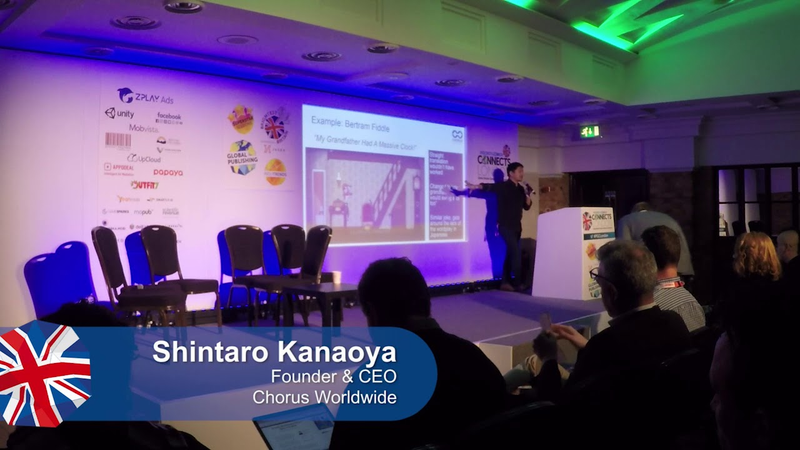
The indies’ path to getting out into Asia
Expanding into Asian gaming markets presents a significant opportunity for independent developers, provided they move beyond the misconception that Asia functions as a single, monolithic territory.
- Asia is not a monolithic market; China, Japan, and South Korea have distinct top-grossing titles with almost no overlap, requiring a highly localized strategy for each territory.
- Successful market entry requires professional culturalization beyond simple translation, as poor localization or failure to adapt visual assets to local aesthetic preferences can alienate players.
- Indie developers should prioritize partnering with local publishers who possess established relationships and expertise in navigating diverse, region-specific distribution channels.
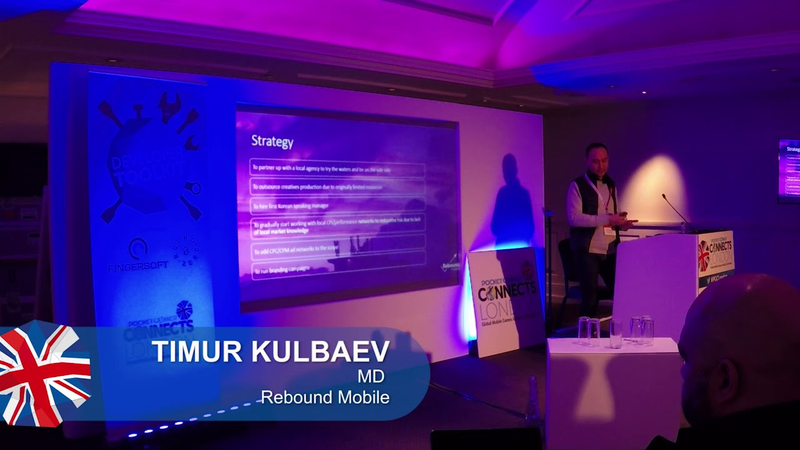
The journey of a mobile marketing agency to the Korean gamers
Rebound Mobile, a Helsinki-based marketing agency established in 2016, provides a strategic framework for Western mobile app and game companies seeking to penetrate the South Korean market.
- South Korea is a more accessible market for Western mobile content than Japan or China, offering lower competition and a higher receptivity to foreign gaming products.
- Direct partnership with local Korean ad networks is more effective than using intermediary local marketing agencies, which often suffer from communication barriers and a lack of trust.
- Hiring a native Korean-speaking manager is essential for navigating the market, as it facilitates direct communication and allows for the necessary cultural localization of creative assets.
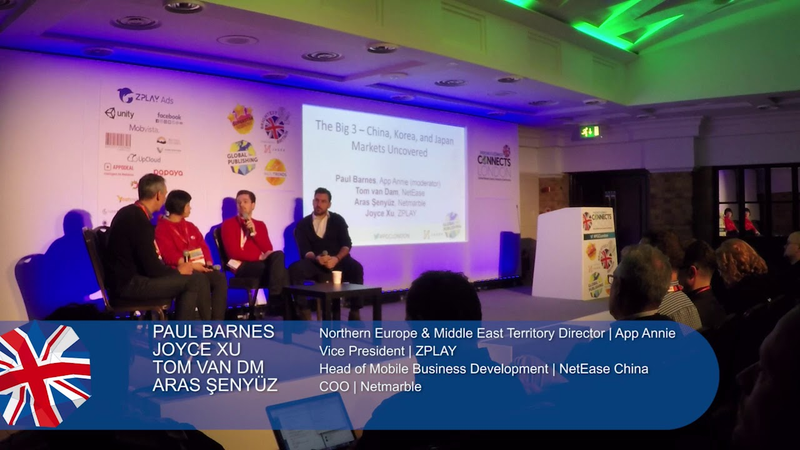
The big three – China, Korea, and Japan Markets Uncovered
The mobile gaming markets in China, South Korea, and Japan represent the most significant revenue drivers in the global industry, accounting for every mobile game that generated over $1 billion in revenue during 2017.
- The Chinese mobile gaming market is the world's largest, with over 550 million users and annual revenue exceeding $100 billion as of 2017.
- Asian gaming markets exhibit significantly higher engagement, with average daily play times reaching six hours compared to 1.5 hours in Western markets.
- Successful entry into Asian markets requires high content intensity; developers should have at least three months of content ready at launch to support rapid updates every two weeks.
Same dream, new inspiration
Alibaba Cloud serves as the technical foundation and primary growth driver for the Alibaba Group, an expansive global ecosystem that integrates e-commerce, logistics, financial services, and digital media.
- Alibaba Cloud is the fourth-largest public cloud provider globally and maintains a dominant market share in China and Asia.
- The company functions as a strategic gateway for international businesses entering Asian markets and for Asian enterprises expanding globally.
- Beyond infrastructure, the platform provides value-added services including marketing, legal, financial support, and publishing channels for gaming and digital media.
Lessons from Asia for mobile games developers
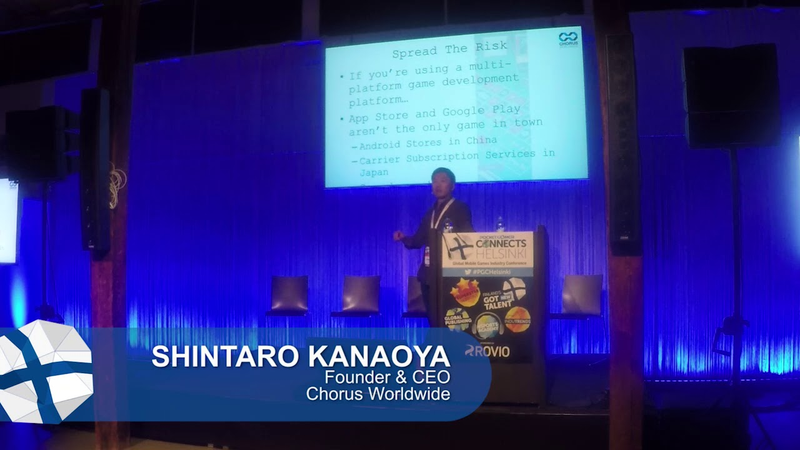
The mobile gaming market in Asia, particularly in Japan, China, and South Korea, represents a critical growth opportunity for independent developers.
- Asia represents a massive, high-growth opportunity for mobile developers, with Japan having been identified as the world's largest app store by revenue as early as 2013.
- Avoid 'over-localization' by using native-language game experts rather than literal translation, as direct translation can result in incorrect terminology, such as using outdated phrasing or failing to use established genre-specific terms.
- Developers should budget an additional 5–10% of their total development costs upfront to account for Asian market requirements, such as text display adjustments and cultural content considerations, to avoid costly post-development fixes.

Rebound's tips for launching your mobile game in Eastern markets
Successfully launching mobile games in Eastern markets, particularly South Korea and Japan, requires a fundamental shift in strategy for Western developers.
- Success in Eastern markets like Korea and Japan requires a heavy focus on brand advertising, including TV commercials and offline subway ads, rather than relying solely on Western-style digital performance marketing.
- Western developers often mistakenly believe that simply translating a game into the native language is sufficient for an Eastern launch, failing to account for the need for localized marketing strategies.
- Communication with players in Eastern markets occurs at a much faster pace than in the West, requiring more frequent in-game events to maintain engagement.

Localization Shenanigans in the Chinese Speaking World
High-quality localization is a fundamental requirement for successfully entering the Chinese-speaking gaming market, which stands as a massive and rapidly expanding segment of the global industry.
- Localization must be integrated into the core development process rather than treated as a secondary task to prevent narrative degradation and cultural alienation in the Chinese market.
- Automated conversion between simplified and traditional Chinese is unreliable due to many-to-many character mappings, necessitating the use of professional, dedicated translators for each specific regional variant.
- Developers must navigate a complex regulatory landscape by securing local partnerships to manage mandatory approvals for game titles, music, and credits.

A look at Asian game mechanics like gachas and how you could use them
The integration of Asian game mechanics, particularly gacha systems, offers Western developers a robust framework for enhancing player retention and long-term monetization.
- RPGs utilizing gacha mechanics consistently outperform other genres in per-user revenue on the North American App Store, helping to offset rising user acquisition costs.
- Live events are the primary driver for revenue spikes in the gacha model, frequently generating tenfold increases in daily earnings.
- Successful mobile titles require a dual-layer structure: a simple, engaging core loop paired with a complex, rewarding metagame that facilitates long-term progression.
Best practices in finding a partner for your mobile game in the West and Asia
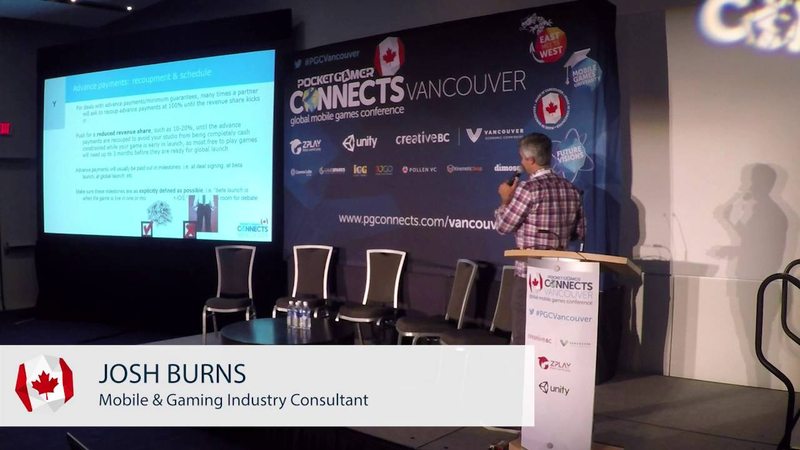
Securing a publishing partner for mobile games requires a strategic, professional approach to development, documentation, and contract negotiation.
- Prioritize contract clauses that define specific geographic and platform rights, particularly for the third-party Android ecosystem in China, to prevent loss of market control.
- Include performance-based termination clauses in all contracts to ensure developers can reclaim intellectual property if a publisher fails to meet agreed-upon benchmarks.
- Secure your position by ensuring all verbal agreements are codified in writing to mitigate risks associated with high personnel turnover at publishing firms.
Optimize your F2P monetization using these Asian techniques
The primary thesis of this analysis is that Western mobile game developers can significantly enhance their monetization and lifetime value (LTV) by adopting established free-to-play (F2P) methodologies pioneered in Asian markets.
- Western developers can increase revenue and lifetime value (LTV) by integrating proven F2P monetization methodologies pioneered in Asian PC and mobile markets.
- Successful F2P monetization relies on the principle of arbitrage, where developers must ensure user LTV consistently exceeds the cost of acquisition.
- To maximize revenue, developers should implement advanced systems including aggressive PvP competition, complex progression loops, and calibrated gacha mechanics.
Trends in Asian mobile game market
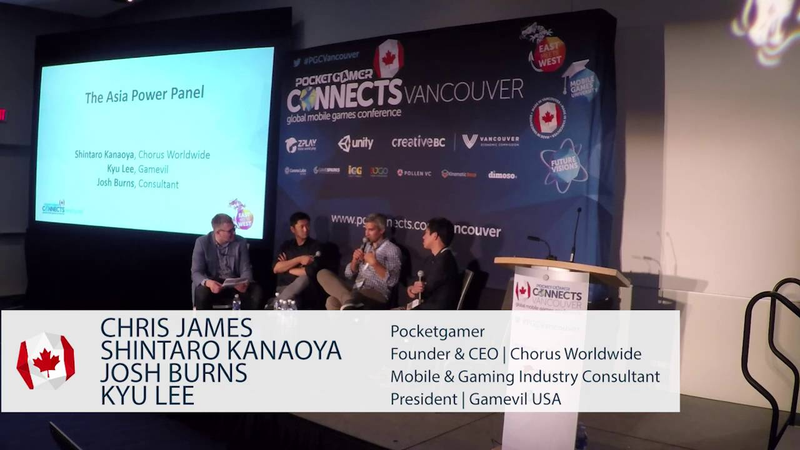
The Asian mobile gaming landscape is defined by intense competition, sophisticated monetization models, and deeply ingrained cultural preferences that vary significantly across regions.
- The Asian mobile gaming market is highly competitive and distinct, with top-tier games in Korea generating up to $1 million in daily revenue and companies like Netmarble exceeding $1 billion in annual revenue.
- Market scale in China is massive; a game outside the top 100 in China can generate download volumes equivalent to a top 5 or 10 title in the US or Europe.
- Western developers should avoid attempting to create 'global' games that cater to all regions simultaneously, as this often results in products that fail to appeal to any specific market; instead, developers should stay true to their own cultural identity.

FTUE: Light: Fellowship of Loux
The mobile action RPG Light: Fellowship of Loux, developed by Polygon Games and published by Com2uS, serves as a case study for the challenges Asian developers face when localizing complex RPG titles for Western markets.
- Excessive, unskippable narrative exposition and confusing nomenclature in 'Light: Fellowship of Loux' create significant friction that threatens day-one player retention.
- The game’s onboarding process is hindered by intrusive event notifications, which delay the player's transition into the core gameplay loop.
- While the game features high-fidelity 3D models and fluid animations, the density of its meta-game systems can overwhelm Western audiences accustomed to more streamlined experiences.