1 free read left. Create a free account for unlimited reading + AI research.
Create free account
The indies’ path to getting out into Asia
Key insights
5 takeaways- 01Asia is not a monolithic market; China, Japan, and South Korea have distinct top-grossing titles with almost no overlap, requiring a highly localized strategy for each territory.
- 02Beyond standard platforms like the Apple App Store and Google Play, developers should leverage secondary channels such as Japanese mobile carrier subscription services and the fragmented Chinese Android store landscape.
- 03Indie developers should prioritize partnering with local publishers who possess established relationships and expertise in navigating diverse, region-specific distribution channels.
- 04To compete effectively, indie studios should avoid generic free-to-play titles and massive local RPGs, instead focusing on high-quality, culturally distinct experiences that offer creative differentiation.
- 05Successful market entry requires professional culturalization beyond simple translation, as poor localization or failure to adapt visual assets to local aesthetic preferences can alienate players.
Ask AI about this video
Transcript
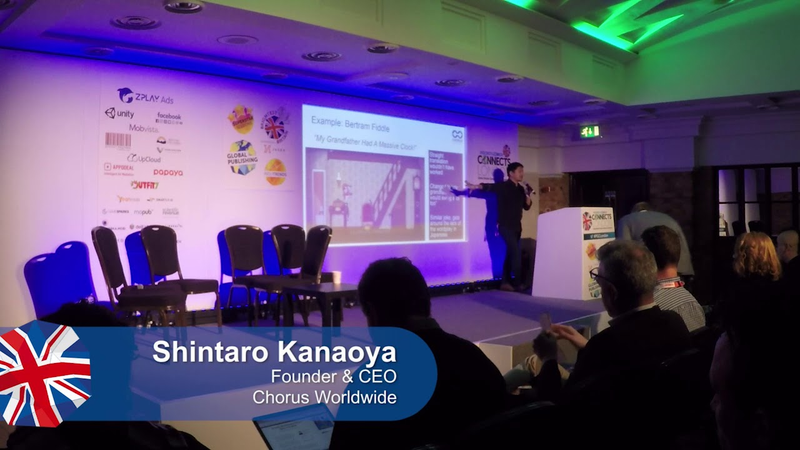
[Music] [Music] hi my name is antar Acharya I'm doing a talk about Indies getting into Asia apparently so this is primarily directed towards indie developers so if you're not an indie developer or you're not interested in this talk is gonna be very boring it might be boring anyway but that's you're here so anyway um oh do I have a clicker is this a clicker what's this is that a clip is a clicker oh yeah back in that's very difficult right I guess I'm gonna move this out the way sorry Chris now you sit there don't trouble yourself Jesus Christ so I have a small company called chorus worldwide we're a three person company I'm for reasons of
passing understanding I'm based in Vancouver but have a company that primarily does Western games - Asia it's very complicated and then two guys worked with me in Japan for zukie who's our CEO who handles mostly production stuff from Yuji who's up PR guy the the the key thing about this we're all really old we're all men that have been working in games for far too long and it kind of colors this kind of stuff we do the games we look for and what everything that we do basically so I founded in 2014 published I think 16 games to date 15 on my mobile yeah basically what it says there so this is some of our some of the games that we've done over the last few years probably the biggest one that you may or may not have heard of is the room in the room to work with a Russian publisher called alla Worf goblin defenders Calypso on Crown takers and then a bunch of kind of indie titles down here and this is our first switch game that we
did last year and we're publishing more console stars and PC stuff this year so we're yeah we're I guess we're now officially multi-platform II whatever so what we look the reason I mentioned this is just because we're focused is broad on Asia shallow broad so we don't focus on Japan or Korea or China we kind of go we try to give a pathway or phenomenally in these to reach those markets in in a relevant and meaningful way into those areas but it's it's not like we can say we're gonna spend a huge amount in one particular territory so we're more kind of broad and shallow rather than narrow and deep I guess so in terms of kind of what we look for we're kind of we first must look for Western games that are unique so if there's another match three or another arts yes that's otherwise pretty generic we tend not to do those and then part of the reason for that is we want
things that kind of stand out on their own and games that an Asian developer Japanese developer Korean developer would not make or would not be able to make because they're culturally different part of the reason for that is we like those kinds of games but the other reason is it stands out so if we wouldn't take a Japanese develop a go here we go Japan it's like well there's thousands of them what we look for in so like the room no Japanese developer I would I would say but ever be able to develop that game just because of how it worked culturally I mean so we look for stuff that can stand out on its own I'm not a game thing so we're not we're not really about huge amounts or I guess grinding like we like like I said the part of the reason for the foot fellow part of the reason can you hear me now could you not hear me until now I've been doing that for the last 10 minutes so yeah so with primarily gameplay I'm
really conscious about this now hello I'm good a mic do you say inappropriate on stage Chris thank you hello so we primarily look at the gameplay driven things again because just that's what we're what we want to do we want to get games that are out there we and find ways to say mobile games especially aren't just about another free-to-play grind mechanic nothing wrong with that and obviously there's a place for that that's just not what we're about and we're trying to create our own niche for that and like I say multi-platform is something that we're starting to do at the moment so one of the things I guess I wanted to kind of impart is just a little bit about Asia so you guys will obviously know this and from the
previous talk China China China three of the top five grossing markets in the world are in Asia so to ignore to say okay we don't really know what we're gonna do in Asia we don't really have we haven't thought about it it's worse than ignoring the US or Europe it's that that big but what we're finding is that there's kind of less and less crossover between the three markets so the idea of Asia as a whole as a market is not the case I guess so to kind of illustrate that this is you can't see this at all can you but anyway this US UK and France went top 20 top grossing from I think a week ago and I just have a look at this to see how how the modulus is the market and so if you this 30 of these 60 slots there are 32 unique games right so all of these appear in one or more 19 games appear in one or more of those three markets and I'm sure you're familiar with most of them if you look at Asia so
China Japan and Korea of these 60 slots there are 58 unique titles so there's almost zero crossover there's only two titles that appear in more than one App Store and kind of the point of this is just to say that if you if you think about Asia then that's there's no such thing is that in terms of app stores and certainly the top area there's three very distinct markets and so if you want to tailor a game for a particular market then choose a market because you're going to be doing very different thing depending which one you want to go for so like there's obviously unique store of apart from the Apple App Store and Google Play there's things like Japanese mobile carrier subscriptions which if any of you know Amazon underground it's like a Netflix for games things you put them on those channels if they accept you then you get paid as a developer depending on installs or time played
subscribers pay about twenty twenty five dollars a month to get a range of games and apps that they can use and that's quite a good secondary channel that we found recently and obviously China Android stores is just far too many dimension but it's just a quick kind of idea about it's not just about the App Store it's not just about Google Play there are a lot of other channels out there in Asia so what does this all mean this is silly really but if you want to go into agent have big success you need to create a massive F to free-to-play RPG battle kata license puzzle game sign a massive deal with each of either ten cent or a Netflix that's not supposed to air Plex mixi or next song and then cultural eyes with deep deep understanding of each specific market because we're very different and then just sit back and count all your money it's not possible because your Indies so this is all about well okay so if you're an indie you've got a two person three person five person studio how the hell do you even think about Asia so excuse
me it's a couple of things so we're on the my companies on the Left this is kind of what what we try and do is think about if for a small company what's the best way commercially creatively as a partner we can work with people that are often cash-strapped or resource strapped but just really have a great game that they want to make they want to get out into Asia in some manner but they don't have the ability to sit down with a ten-cent they don't have the ability to create a massive live ops team so someone like us you know I guess the advantages are that we can get you out into more than one market place at the same time we have knowledge enough knowledge of those local markets to get you into there so as well as the App Store and Google Play which anyone can get onto by yourselves we've managed to get games onto some of the Chinese Android stores we've got
games onto the Japanese telco subscription channels high quality localization which I'll come onto later things like customer support and PR and it's everything publishers do disadvantage is people like ours have less reach going back to the earlier point if you want to go to China then go to China with a particular massive Chinese partner if you want to go to Japan do that if you want to if you want to just reach all of them in some way then someone like us will work but we don't have the reach of someone like $0.10 it would be lovely maybe one day the go it alone route obviously devices are you don't have to pay anyone they don't there's no rev-share involved you can learn about each of those regions as you go into that and you control your own costs you just treat it like any other territory you would you would launch into disadvantages obviously it's hard to localize effectively if you don't know what you're doing it can cause it can cost you time and resource
and having not having local relationships with partners or stores is going to miss you opportunities free opportunities that are invaluable to especially Indies I don't know if you remember this guy Donald Rumsfeld from a few years ago back when things were more sane even this guy was better but he had this great quote about known unknowns and known knowns and stuff like that do you know does anyone know this okay so the key point I wanted to illustrate was he came up with he didn't come up with it I guess I'm sure Trump came up with it but the idea of not unknown unknowns things you don't know that you don't know and a lot of times with say something doing something as simple as localization people think that they've localized something and they don't even know that they've made a mistake because they think they've done it right and there's a there's a couple of funny examples that I will go through so localization first of all that's called Google Translate and not Google localize and that's really key if you just put it into Google Translate and you
you've got a Japanese version or a Chinese version tree you don't you have something very basic that probably doesn't even make sense so some of the common mistakes we see are non-native translators just using wrong language it's not the right language for a game over translation so something like in in Japan especially you'll see people translate player 1 already or start leave those in English but you wouldn't know that if you're not a native Japanese gamer so things like that are kind of important cultural faux pas probably the worst one we've ever seen is a company asked us to look at a fantasy role-playing game and one of the translators they use had translated the word dwarf it's any one Japanese speaker here anyone mmm so they translated is kobito and so basically that's of you it's not a word that's used anymore it's it's a derogatory term and also for a fantasy role-playing game dwarf is just dwarf
it's that's the name of that character so but obviously the original developer didn't know that that was wrong how would they they don't speak the language so stuff like that common mistakes like that are really important to try and avoid because otherwise you're going to go into a market and you're going to be creating all sorts of problems for yourself and you're going to have customer support issues you can't read about a problem you don't understand so one of the issues with I guess bad localization yeah so don't unknowns unknown so this is one of my favorite examples from one of our own games this is game called The Adventures of Bertram fiddle it was a this clock appears and you click on it and the character says in English my grandfather had a massive clock now for most native English speakers you understand that's a joke if you just translated that into any language it would read my grandfather has had a massive clock and as a player you're thinking does that mean I need to
find my grandfather where is what do I need a key for his clock is it's a point-and-click adventure so not just translating is one thing but making sure that there's a joke in there making sure that players understand this isn't important click on it laugh at it move on don't spend the next hour looking for a grandfather clock key we managed to get a translator who translated into this just for you I guess Julian on one biloba like you did the day off so I thought you'd like that Chris so we managed to make a penis joke in Japanese which I'm quite proud of I can die happy but again it's an important one because you want to humors a big part of this game or if it's in a big part of your game then you want to make sure that that translates and you want to make sure that you're not sending players up the wrong road culturalization so usually refers to arts and this is this is probably the
hardest ones for Indies because you might think okay well we're gonna change and everything to anime that's probably not the right idea because probably probably don't know what you're doing and even then it's different between countries so if you don't have that skill set don't do it it doesn't make any sense for you to do that but characters are the biggest one so another example from one of our games we had this game called kitty powers matchmaker which loved the game as a dating game we showed it to a few people that Tokyo Game Show a few years ago and everyone enjoyed the game hated the characters apps despised this kind of this.look and multiple reasons but they because of that they just couldn't get into the idea of it so we hired we were lucky enough to get the artist from a game called Hutta full boyfriend and she she liked the game and she redid the characters for us and I'm not saying this is amazing but what this achieved was people didn't have that initial reaction was oh I
don't want to play this game they at least gave it a chance so that kind of a cultural barrier you don't you might not even know you might think what's wrong with this this is colorful it's fun its kind of anime what's wrong with that there's got a very bad reaction from from fans so again it's one of those things if you're there if you're in local muggy and this wasn't funnily enough we weren't even showing the game at the Tokyo Game Show we were showing another game and we had this in development we just asked a few people what do you think of this one and that's where we got that reaction from so it's useful just if you're there just to figure out okay maybe this is gonna work maybe it's not I'm not gonna talk about this very much but it's well interestingly based on what David I guess and Peter was saying the premium stuff is getting more interesting I think especially in China in Japan it's still pretty tough to have a paid game so if there's if you're making a premium game think about ways that you can make it just convert that little thing in the iTunes Store from a number to the word
get what can you do to that so we've done for the room which is a premium game we turned it into a free to download game so it's free after chapter one you monetize and you buy the rest of the game and that's worked quite well for us so it's just I guess people don't want to pay a cover charge to get into a nightclub anymore you want to at least go in to figure out whether you like the place and then buy a drink that's what we found over there is people aren't that they're not taking the time to understand whether they want to make a purchase decision they'd rather just download and this isn't that different from the West so think about opportunities outside the app store like numerous third but there's a screen just there I just noticed that for the first time numerous third-party Android stores in China subscription offerings there are more than just the App Store and Google Play obviously all of that stuff takes time to build those relationships but they are very very valuable and it funnily enough having David helgerson on
here before if you're making a game on unity think about can you get the game out onto other platforms maybe there is a way even if you're making a hardcore mobile game if we're making a console game is there a way that you can convert that somehow into a mobile game or other platforms so I guess there's only one really surefire way that I've seen that as an indie you can make you can make a game that you don't really have to worry about culturally where it's targeting you don't have to wear a premium or free to play the only thing that I've seen that works is make something unique make something genuinely interesting indifferent and this is the the barrier the financial barrier is pretty though the creative barrier is massively high for all these games to come up with something so bizarre and so unique that people just have to look at it is it hard ask but at the same time if you're an indie in your app they're making a game and you're not aspiring to
make something that you wanna make a statement about or something different what are you in the business for it's because I don't think we need another match three or whatever so this each of these games localization might be a little rough or they might not be doing much promotion in different countries but they all succeed because they are something that is so different that people can't help but look at them I mean this is my current favorite they're getting over it one on mobile it's doing phenomenally well in Japan and it makes no sense but it's a it's a wonderful wonderful game so if you can think push yourself creatively and that is something I think that's less risky now than trying to be conservative in your game design than push yourself and then at least there's a chance maybe of both getting out there I think that's it thank you I don't know how to thank you slide [Applause]
[Music] [Music]
Summary
Expanding into Asian gaming markets presents a significant opportunity for independent developers, provided they move beyond the misconception that Asia functions as a single, monolithic territory. The primary challenge for indie studios is navigating the distinct cultural, linguistic, and platform-specific requirements of China, Japan, and South Korea. Data indicates that these three markets share almost no overlap in their top-grossing titles, necessitating a highly localized strategy rather than a broad, one-size-fits-all approach.
Successful entry into these regions requires more than simple translation; it demands professional localization and culturalization. Poor localization—such as using automated tools or failing to account for cultural nuances—can lead to derogatory misinterpretations or the loss of intended humor, which alienates local players. Furthermore, visual assets often require adjustments to resonate with local aesthetic preferences, as seen in cases where character designs that perform well in Western markets are rejected by Asian audiences.
For indie developers with limited resources, the most effective path involves partnering with publishers who possess established local relationships and expertise in navigating diverse distribution channels. While major platforms like the Apple App Store and Google Play are standard, secondary channels—such as Japanese mobile carrier subscription services and the fragmented landscape of Chinese Android stores—offer valuable, often overlooked opportunities.
Ultimately, the most viable strategy for indie success in Asia is to prioritize creative differentiation. Rather than attempting to compete with generic free-to-play titles or massive local RPGs, developers should focus on creating unique, high-quality experiences that stand out precisely because they offer something culturally distinct. By balancing creative ambition with a rigorous, market-specific approach to localization and distribution, independent studios can successfully penetrate these high-value markets.
















Comments