1 free read left. Create a free account for unlimited reading + AI research.
Create free account
Best practices in finding a partner for your mobile game in the West and Asia
Key insights
7 takeaways- 01Present a prototype or beta build that includes monetization features and initial soft-launch data, as paper concepts are generally insufficient for securing funding.
- 02Limit initial outreach materials to a concise two-page presentation and a high-quality gameplay video that clearly demonstrates the game's core mechanics and commercial potential.
- 03Approach potential partners with a target list of 30 to 50 companies, filtering them strictly by genre alignment and proven market performance.
- 04Prioritize contract clauses that define specific geographic and platform rights, particularly for the third-party Android ecosystem in China, to prevent loss of market control.
- 05Negotiate for quantified marketing commitments, milestone-based advance payments, and revenue-sharing structures that maintain developer cash flow during the recoupment period.
- 06Include performance-based termination clauses in all contracts to ensure developers can reclaim intellectual property if a publisher fails to meet agreed-upon benchmarks.
- 07Secure your position by ensuring all verbal agreements are codified in writing to mitigate risks associated with high personnel turnover at publishing firms.
Ask AI about this video
Transcript
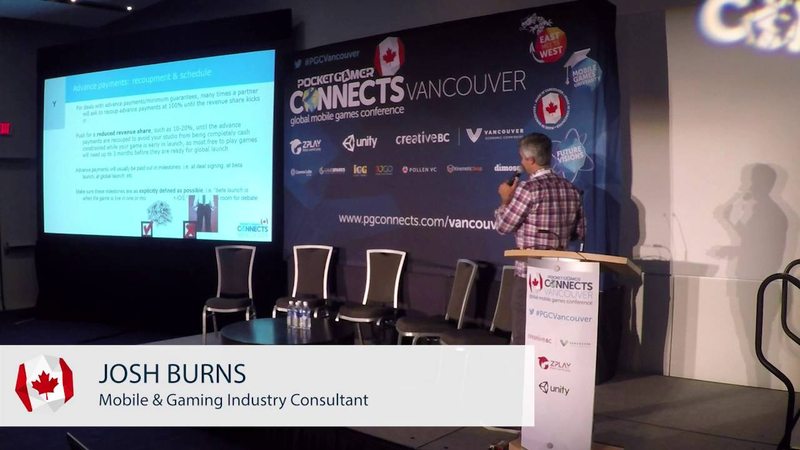
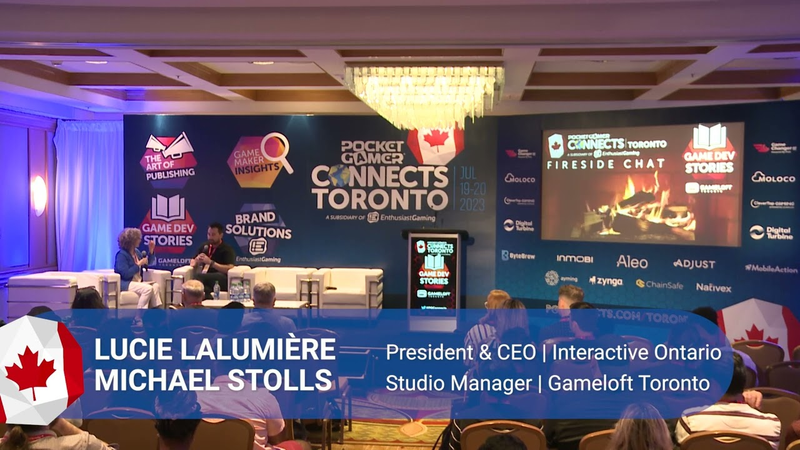
so this is a topic that is something that's hop of mining for a lot of smaller developers it's unfortunately not the sexiest topic 2% about but hopefully people will find it very useful so this is something I presented about for an hour but we're getting kind of the abbreviated 15 minute version so yeah I mean myself I'm a consultant I work with companies of all sizes and gaming space around business topics including partnerships if you want to learn more about that come find me later so basically the the impetus for this session I've given talked on this before in other conferences is traditionally like when we have this sort of like developer publisher discussion it turns into you know these usually it's like three sort of types it's like developers tirade or ranting about why they hate
publishers you know publishers talking about how like you have to work with you know them or you have a panel with both and then it just becomes like an argument sort of back and forth so the goal of this is actually provides sort of like a very specific actionable insights that I've learned from basically working on behalf of smaller developers to find them partners for their mobile games you know for 20-plus studios talking to literally way too many different companies looking to publish content so basically we'll kind of just touch on sort of the nth end process from deciding like window I talk to a publisher you know what I do before I talk to them what I need to provide how do I engage them and then some tips around like once you've sort of moved along to the contract stage agreement stage like what are some things that you need to really be thinking about from that sort of business term perspective so the sort of initial kind of thinking is basically like around thinking about the contacts for like partnerships in
terms of development stages so if you think about basically sort of a different sort of phases of this sort of development you have like phase one which is like paper concept you have phase two which is a kind of like prototype alpha build in phase three which is basically a you know beta build maybe some kpi's something that someone can actually play so the reality is with a basically sort of paper concepts pictage documents like unless you have you're basically pitching at these to secure funding for your project the reality is like most partners in the market don't really offer funding / mobile game at any stage especially if you don't have a working prototype so basically like I think for most of the folks in the audience that are smaller you need to be thinking about definitely moving to at least the prototype stage exceptions obviously if you're a top
grossing developer that you have significant success in the market you know essentially you you know might have a chance of securing funding if you have comfortable larger studio etc stuff like that so in terms of prototype basically just realizing this is actually not the right version of my presentation but we will just work with it so in terms of so in terms of prototype basically for right time developers basically folks need you know people who have some experience in mobile segment like this is your first game have strong team experience in the industry in general the beauty of the prototype is like basically allow developers to see the concept coming to life understand your vision for the game the reality is you also need to have like a pretty detailed
documentation to provide more insight around the missing features the monetization strategy that's going to be you know really important to have accompanying your prototype in terms of like the third phase beta build I mean at this phase basically is where sort of i think the reality of the market that stands right now you are going to have to get to this point which is becoming more more difficult so again I beta build has nearly all the key features including monetization ideally you have potentially may be tested it in the market you have some users you can show some data again this is from the perspective of like free to play experience so I think most teams with minimal sort of mobile experience will definitely need to reach these stage before you really have any chance of getting interest from potential partner just because of the competitiveness in the market the pure reality is like the probability of any gaming successful financially these days is very very low so again partners are looking to de-risk
these situations so yeah in terms of like this phase I think ideally you want to have some soft launch kpi's you might go to a partner and be like hey here's my prototype here's my beta build and they're going to say cool looks great come back to me when you have some data this is something that you'll see if you have a lot of discussions in the market right now this is especially true in like crowded genres where you have super saturated games super saturation like match three strategy social strategy game run or stuff like that you know basically partners are going to see like why is this differentiate in the market why does this have a chance to stand out in the market so in terms of like you've sort of thinking about when to start learning the phase the next type is like what I need to have to actually go and engage the different companies so in terms of like my sort of essential checklist and materials and I think something really create critical is like
this sort of short and clutch catchy blurb that about your game so highlighting likewise your game differentiated why would delight users but also why will it make money right because the reality is this is a business at the bottom line and if your product doesn't have a chance commercially in the market you can have a lot of challenges so this is just an example of a game that I worked on conveying like a lot of information in a very short amount of space and this is something that I'll touch on a bit in this section so in terms of like materials that you I think are essential you have to have these when you reach out to a partner company presentation information on your previous projects ideally specific commercial performance metrics information about your team and their experience and then terms of the game presentation key differentiating game features well thought-out monetization strategy screenshots and any early
metrics I'll talk about the gameplay video later on I believe that's in this version of presentation but you basically the video to me is like actually one of the most important things because one of the things you'll note you'll find out quickly is that folks reviewing games are looking at so many things so quickly that if you can have a video that's probably the first and only thing they look at so in terms of materials you want to keep it short brevity is incredibly important I realize you're you know very creatively focused very passionate but the reality is I see all the time these like 50 page you know presentations on a game like nobody's ever no partners ever going to look at that until they're you know at the latest stages of discussion so I advise like these smaller studios condense this thing down you know I have my format down to like two pages and that's where you need to be this is something again very tactical but you
need to like manage that file sizes keep things very small maybe you're working with companies in other countries I sometimes see these like really like oh check out the game video and it's like 500 megabyte you know download from from somewhere and it takes forever and basically you start download you forget about it you never come back use the cloud services be cognizant of especially international stuff you know hosting some things on google and sending it to somebody in china they'll never be able to see it because it's blocked but leverage the cloud because people will ford things along internally and so if you kind of have one link to everything on your studio in your game it's much more efficient because if someone doesn't if someone's like I'm going to look at this and they're not there they're not going to probably come back keeping it relevant so in terms of the gameplay video this isn't a trailer this is actual gameplay footage keep it short show the most sort of compelling parts of gameplay edit it compress it
time compress it so it may be its accelerated in terms of speed get it down to a minute I find that a lot of times this is the first and only thing that folks are looking at so in terms of potential partners basically you know this is pretty straightforward in terms of like different sourcing options but you you know again industry blogs publications conferences and events you can get names of companies again look at apps power rankings who's a public companies whose a publisher and then leverage your network so I think as a starting point I recommend starting from like 30 to 50 companies which seems insane but the reality is you're going to start filtering them down you look at something like yours onra you know I have an RPG game you know is this company only doing casual games then there's probably not super relevant for you know a discussion it's not a very good fit you don't want to force a fit in these discussions obviously previous
performance you can use free stuff like a panty to see the rankings and see kind of like you know what previous performance these companies have had you know this might say one thing but this is reality and this is sort of the past performance so it's something that you can definitely look at so in terms of like next steps that you basically in put your you know figured out if you're ready to talk to a publisher put together your materials now you're engaging and hopefully there's some interest now you're starting to think about business terms again something a lot of developers have no interest and sort of spend any time on but is critically important again just like the sort of topic legal topic as well you want to set yourself up for success so operating system rights so when you sign a deal you want to be very careful about what rights you give away so we'll talk about operating system rights so you know again the partner doesn't have
a plan to release your game on a specific platform you know that's a sort of a red flag if they're like oh I want you know rights for all platforms what what are you going to do on steam what are you going to do on you know Android you know what are you gonna do on you know some other platforms this is important if you look at situations like China where you basically have the third party ecosystem if you just give some of the rights for Android that somebody controls those and you decide effectively given away that opportunity again Geographic rights same thing if someone doesn't have a specific strategy to execute a release your game in Asia or in certain specific markets you definitely don't want to just be like sure global rights no problem like you want to make sure they have an actual plan because if your game is successful in the Western market you want to have the ability to look at opportunities and international markets which are quite significant these days so in other
important terms is like marketing and promotional guarantee basically you know you want to push for basically some type of marketing commitment either based on installs or marketing spend you want to make sure to folks have as a specific terms as possible you know you're going to do this many installs by like this many days after launch you want to leave no room for discussion be able to have it be as quantified as possible so there's no issues there and in terms of like marketing recruitment this is it can be a huge issue for a smaller studio because in mobile these days especially for you too obviously free-to-play you know the budgets are heavily front-loaded and so what happens is you know you they spend a ton of money and if they recoup all that marketing dollars you're never going to see a dollar for you know two three four months so push to have some type of men that's may be really small maybe
it's like you get ten percent or twenty percent until they recoup their marketing because otherwise your cash flow you're gonna be doing a lot of operations for the games and you're not gonna have any money coming in yikes so advance payments again you want to push for like a reduce revenue share where you at least getting ten to twenty percent so in a project financing situation where someone's fully funding your project you want to make sure that you getting advanced payments or you want to getting some like small revenue share to keep your cash flow going you also want to make sure your advance payments are structured into very specific milestones like we're going to get one-third when the song we signed the agreement we're not to get one-third when the game launches for beta what does that mean it basically means that it is live in the app store in at least one country or something again very specifics there's no room for debate
another important topic is like IP ownership so again the previous motive touched on the importance of this too is I see a deals were like someone's like blah blah blah and then like the last clauses like you know we you know control the IP for your game for like all possible things you could ever imagine effectively so you know you can imagine in a situation where you know Angry Birds was actually a game that was published by chillingo if they had a deal their clauses like oh yeah we also own you know some perpetual who LT on this IP I mean that we huge financial impact to the company also never give away you know IP ownership unless again there's a specific plan to execute on it from your partner I'm just skipping around a little bit because again so the reality is like sometimes things don't work out and I think this is something that folks you know need to be cognitive
so developers worst nightmare and this happens unfortunately quite often is someone signs a game a partner signs iam they launch the game they do some promotion there's sort of no traction and they move on to some other project so in this scenario you want to basically set yourself up to have like kind of like a you know some type of escape hatch so I think you know usually my recommendation is adding some type of minimum ongoing sort of clause in terms of like the requirements like hey if the game doesn't have at least X you know daily active users over like three months we can terminate the agreement we can get the rights to the game back you know if you if we're the game is feature complete and you take X months to launch the game and you don't you know we can get the game back etc etc so again you just want to have the ability to terminate and not be locked into something especially these days where it's focusing on fewer projects you
don't want them tied up so yeah I think this is something that seems pretty obvious but I see this all the time is like you talk to somebody at these publisher and they're like oh yeah like you know we're gonna do a million installs or whatever we've done that for these other games you get the agreement it says you know you know there's your likewise there any marketing commitment in here and your they say oh you know well we've done a lot of you know publish all these games and this is you can see all the installs don't worry about it no problem so and then the game actually comes out and they don't do what has been discussed previously and so again you want to basically get everything in writing the other reality is that you know in the industry is like people come and go right so you might have had a very trusted contact at your publisher and they leave to go somewhere else and then you know suddenly you
don't have a very good advocate internally in terms of you know internal sort of jockeying for promotion and things like that all right so the last couple of things again I think I've talked about this already a little bit but you definitely want to quantify everything as much as possible in your agreements you end up with kind of some of these like legalese if you will that's like you know what is reasonable there's you know say some generic language like you know reasonable promotion you know reasonable effort you know again like what I think when publishers are sending these agreements to developers they're actually expecting them to make a lot of changes but a lot of people don't for whatever reason so again it's worth investing the time it's a worse and worth investing getting professional feedback because again you want to set yourself up for a long-term success and some of these really minor details that
are incredibly dull and boring can sort of cross your business in the long term and there's plenty of people that you can talk to you that this has happened to so it's definitely worth you know even if you can't afford like formal like legal advice you know talk to other developers that you know you know have them review your agreement get their feedback etc etc so that's actually it apologize to the presentation this is definitely the early beta version but I've covered many of the topics and we actually have a couple minutes so i'll be around answer questions I'm happy to answer any questions that folks might have right now as well though missions for josh is running through lots of about publishing there and partners know okay well you can call those a question there it's question that you pass them out of Mike please publisher side from the publishers side um we're just
getting started with that what would you recommend for us to be looking out for when either attracting some really good client it developers yeah so in just in terms of gaining interest in working with you yeah so okay so yeah I mean I think offering like some great specific business terms as sort of like a consuming you can very much commit to especially early on if you don't have a strong reputation is something that will attract a lot of interest you coming out and saying like hey we're publishing games you know so is like many other people so saying I think you can offer like some specific marketing commitment or you know resources plus some financial Committee their marketing or you know offset funding that's a good way to get a lot of inbound interest there's other more complicated ways to get a lot of inbound interest is actually not that hard but that's just some very high-level pots
thanks boy all right thanks everyone
Summary
Securing a publishing partner for mobile games requires a strategic, professional approach to development, documentation, and contract negotiation. Developers must recognize that the mobile market is highly competitive and saturated, necessitating a de-risked product before approaching potential partners. While paper concepts are rarely sufficient for securing funding, developers should aim to present at least a prototype that demonstrates vision and core mechanics, ideally accompanied by a beta build that includes monetization features and initial soft-launch data.
When engaging potential partners, brevity and clarity are essential. Developers should maintain a concise, two-page presentation that highlights the game’s unique value proposition, commercial potential, team experience, and monetization strategy. A short, high-quality gameplay video is often the most critical asset, as it serves as the primary tool for initial evaluation. When sourcing partners, developers should build a target list of 30 to 50 companies, filtering them based on genre alignment and proven market performance, while leveraging industry networks to facilitate introductions.
Contractual negotiations represent a vital phase where developers must protect their long-term interests. Key areas of focus include clearly defining geographic and platform-specific rights to avoid losing control over potential markets, such as the third-party Android ecosystem in China. Furthermore, developers should push for quantified marketing commitments, structured milestone-based advance payments, and provisions for revenue sharing that ensure cash flow during the recoupment period. Protecting intellectual property ownership is paramount, as is including clear termination clauses that allow developers to reclaim their rights if a publisher fails to meet performance benchmarks. Ultimately, all verbal promises must be codified in writing, as personnel turnover within publishing firms can otherwise jeopardize the developer’s standing and the game’s success.














Comments