Asia reports and market data
Documents
Boosting Your On-stream and In-game Engagement and Retention
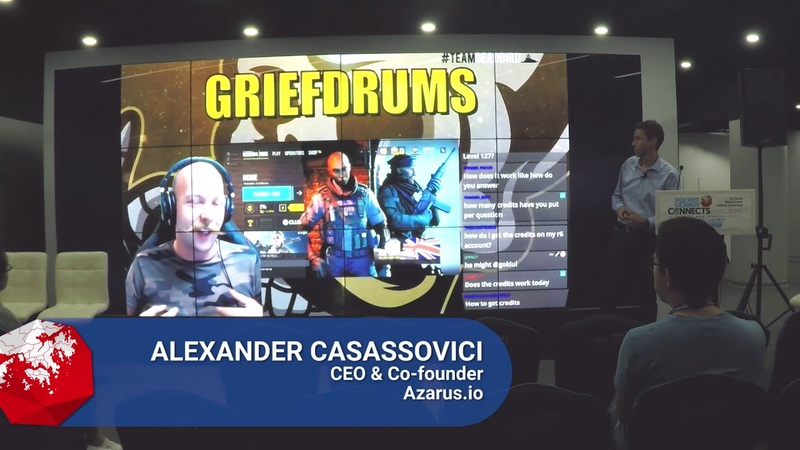
The presentation explores strategies for enhancing player engagement and retention in live-service games by leveraging streaming platforms and data-driven incentive loops.
- Integrating real-time game data with streaming platforms can increase player retention by transforming passive viewers into active participants through interactive overlays.
- Watch time serves as a strong proxy for play time, with data showing a correlation between the two ranging from 40% to 90% depending on the implementation of interactive elements.
- Deploying overlays that track in-game events—such as kills or objective completions—to issue challenges and rewards directly to viewers significantly increases session lengths.

Putting players first in Live Ops
Live operations (LiveOps) in the gaming industry function as a service-oriented model designed to prioritize the player experience through continuous engagement and content delivery.
- LiveOps transforms games into service-oriented models that replace the traditional post-launch revenue decline with a virtuous cycle of continuous engagement and gradual growth.
- Successful LiveOps pipelines require a balanced resource allocation strategy divided into three core areas: new feature development, retention-focused improvements, and the systematic reduction of technical debt.
- Developers should implement a predictable cadence of daily, weekly, and monthly content updates to maintain game freshness while carefully managing player fatigue.
Future opportunities for games developers
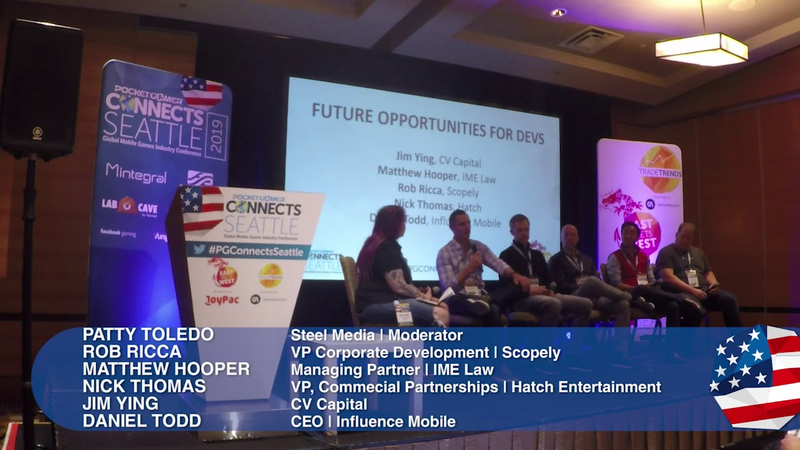
The gaming industry is currently undergoing a strategic shift as developers navigate market saturation and the diminishing returns of traditional mobile free-to-play models.
- Studios must shift from traditional mobile free-to-play models toward deep, community-driven social experiences to counter market saturation and diminishing returns.
- Developers can reduce high mobile marketing costs by targeting niche audiences and utilizing subscription-based streaming services that provide built-in platform support.
- Foundational business operations require securing clear intellectual property ownership and establishing long-term alignment with publishing partners regarding LiveOps and revenue transparency.
Publishing in Asian Markets
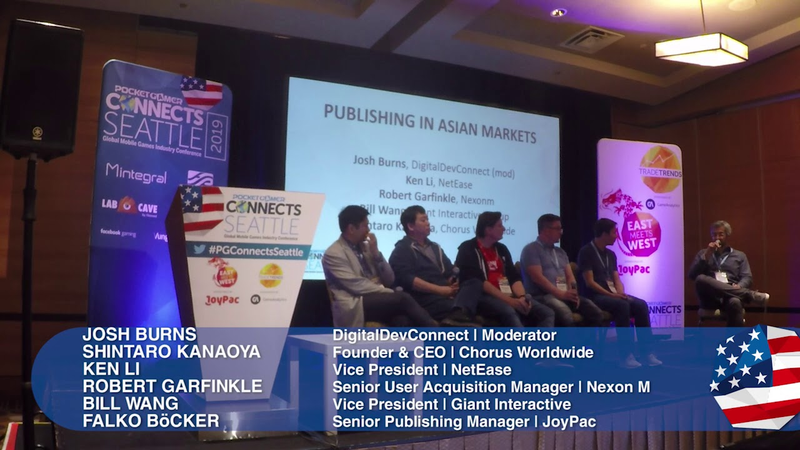
The Asian gaming landscape represents a high-stakes environment defined by intense competition, rigorous regulatory frameworks, and a shift toward premium, high-fidelity experiences.
- The Chinese gaming market is undergoing significant regulatory restructuring, resulting in a reduced number of official game approvals and increased scrutiny from an ethics committee focused on social value, violence, and blood content.
- Successful entry into the Chinese market requires high-quality production, and for mobile developers, leveraging established IP is a critical strategy to secure free traffic.
- Bringing Asian titles to Western markets requires extensive due diligence, with a localization and user experience vetting process that can take six months to a year to complete.

Tips on how to make creative ads for the Asian market
Successful entry into the Chinese mobile gaming market requires a sophisticated approach to creative advertising that prioritizes deep localization, high-quality video production, and interactive formats.
- Localization in China requires more than translation; it necessitates adapting font designs, layout, and character aesthetics to match local preferences, such as the strong demand for fine art styles among female users.
- Cultural nuances significantly impact conversion rates; for example, adjusting game visuals to align with local preferences for cleanliness and specific character aesthetics in Japan resulted in a 70% increase in click-through rates.
- Standard gameplay recordings are no longer sufficient to capture attention in China's information-overloaded market; advertisers should instead use creative storytelling, real-life integration, and local trends like popular BGM and memes.
Digital marketing in Asia (China, Japan and South Korea)
The digital marketing landscape in Asia—specifically China, Japan, and South Korea—requires a multifaceted strategy that balances paid performance-based advertising with organic engagement.
- In the Chinese market, companies should prioritize organic search and social strategies alongside paid media, specifically leveraging Baidu SEO and WeChat subscription accounts to build community engagement.
- WeChat is the dominant platform for interactive marketing in China, offering superior functionality compared to Western social media for gathering user feedback and managing direct communication through subscription accounts.
- For successful market entry in Japan, utilize pre-order platforms one month before product launch to capture feedback from the country's highly penetrated gamer demographic.
Meet the Dragon's neighbours – South Korea and Japan
The gaming landscapes of South Korea and Japan, while geographically proximate and technologically advanced, exhibit distinct cultural behaviors and consumer preferences that dictate market entry strategies.
- South Korean gamers exhibit a fast-paced lifestyle, leading to short game life cycles and a high demand for constant updates, whereas Japanese gamers are more patient and often retain a single game for months or years.
- Cultural differences in social pressure significantly impact user behavior; South Korean consumers feel intense pressure to follow trends and maintain 'proper' age-appropriate activities, while Japanese consumers experience less social pressure and demonstrate greater patience.
- The gaming landscape in East Asia has shifted from a Japan-centric market in the 1990s to a tripartite industry involving China, South Korea, and Japan, driven by the emergence of internet cafes and mobile gaming.

Oriental versus occidental monetisation
The gaming industry exhibits significant structural and cultural differences in monetization strategies between Eastern markets, particularly Japan, and Western markets like the United States.
- Japanese markets consistently generate higher average revenue per user (ARPU) than Western markets, driven by deeper player engagement and sustained long-term loyalty.
- Eastern monetization strategies rely on four core pillars: retention, engagement, virality, and aggressive in-app purchasing structures designed to maximize lifetime value.
- Eastern game design favors expansive in-game stores with vast arrays of personalization items, whereas Western titles typically prioritize minimalist interfaces and streamlined user experiences.

Publishing in Asian markets – The ‘how to’ discussion
Asian mobile gaming markets represent a complex, high-stakes landscape that demands a departure from Western-centric strategies.
- Success in Asian markets requires abandoning a monolithic strategy in favor of localized approaches that address the distinct cultural, monetization, and regulatory ecosystems of China, Japan, and South Korea.
- Developers must move away from generic global releases toward a 'zero-to-one' development strategy that prioritizes content tailored to regional social integration and specific genre preferences.
- In China, navigating the complex licensing landscape and protecting intellectual property necessitates the use of strategic local partnerships.
The Asian games market and G-STAR
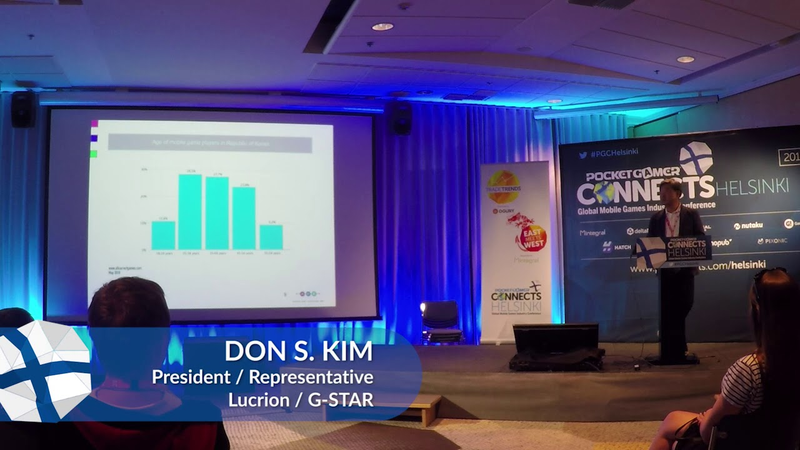
The South Korean gaming market represents a significant segment of the broader Asia-Pacific region, which accounts for nearly half of the global $108 billion gaming industry.
- South Korea generates $1.3 billion in annual gaming revenue from 15.5 million gamers, achieving a high average revenue per user (ARPU) of approximately $87.
- Mobile gaming has overtaken traditional PC titles in market share, with Android holding an 80% market dominance and Samsung serving as the primary hardware provider.
- The South Korean gaming demographic is mature, with 57% of users falling between the ages of 25 and 44.
Why Western games struggle in Asia (and vice versa)
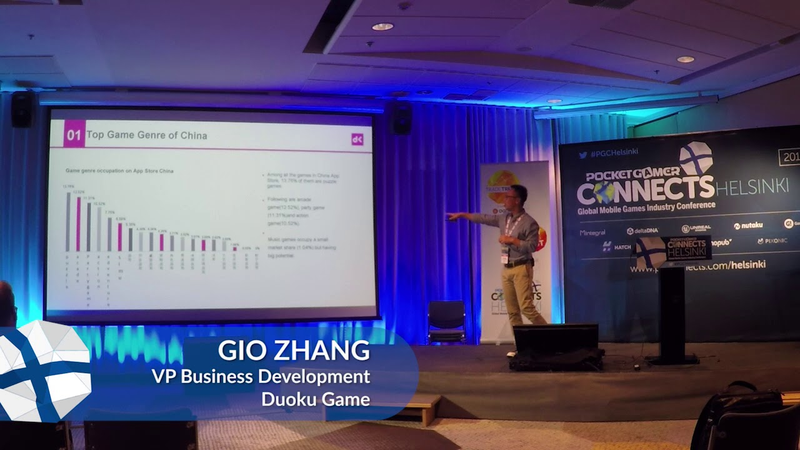
The Chinese mobile gaming market presents a significant opportunity for Western developers, provided they navigate the complex landscape of local distribution and cultural preferences.
- China’s mobile gaming market serves a user base of approximately 700 million people, representing half of the country's 1.4 billion population.
- The Chinese Android market is highly fragmented, requiring developers to navigate numerous third-party app stores rather than relying on global platforms like Google Play.
- Successful market entry typically requires a local partner to manage complex logistical hurdles, including device compatibility testing, regulatory licensing, and local store algorithms.

How we can leverage games to help people learn
The integration of education into gaming, often termed edutainment, succeeds when the core gameplay experience remains primary and the educational content is seamlessly embedded rather than forced.
- Effective educational games succeed by prioritizing core gameplay mechanics, ensuring that learning objectives emerge as a natural byproduct rather than a forced academic exercise.
- Users frequently reject products that merely wrap traditional schoolwork in superficial entertainment layers, necessitating a design approach where education is seamlessly embedded into the play experience.
- Successful educational titles often repurpose proven game genres, such as replacing standard monetization mechanics with math problems in endless runners or using logic-based commands to teach coding.