1 free read left. Create a free account for unlimited reading + AI research.
Create free account
Optimize your F2P monetization using these Asian techniques
Key insights
6 takeaways- 01Successful F2P monetization relies on the principle of arbitrage, where developers must ensure user LTV consistently exceeds the cost of acquisition.
- 02Companies such as GREE have validated this approach by applying Eastern monetization frameworks to Western acquisitions and partnerships, resulting in significant increases in revenue run rates.
- 03A hybrid development model—pairing culturally localized gameplay with Asian-style monetization frameworks—is more effective than attempting to export Western content directly to Asian markets.
- 04Titles like Game of War demonstrated the efficacy of this strategy by successfully adopting Chinese MMO-inspired systems to achieve top-tier monetization performance.
- 05Western developers can increase revenue and lifetime value (LTV) by integrating proven F2P monetization methodologies pioneered in Asian PC and mobile markets.
- 06To maximize revenue, developers should implement advanced systems including aggressive PvP competition, complex progression loops, and calibrated gacha mechanics.
Ask AI about this video
Transcript
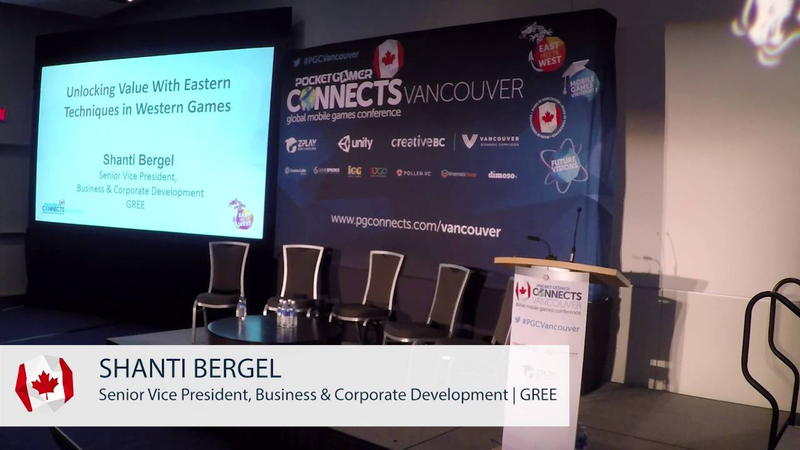
so Wow I'm gonna stand up here it's really bright out there because there's not that many people I'm gonna do this a little bit different I don't have any slides so we're gonna have a little more you know I don't know more of a town hall type of discussion I suppose so my background just to give you a brief introduction is I've been games about 20 years the last ten of which have been in free to play across a number of different form factors so I've done downloadable free to play MMOs I did social games at a company called playfish and now mobile games at a degree and so the topic that I came to talk to you about i think is deceptively obvious and really important all at the same time it'll kind of get into why that is and i'm walking out in the middle of you because i want to encourage you to like interrupt me ask
questions whatever like i said on how many slides so we can do whatever we want but what i mean by this is um so there's a really basic aspect of free-to-play that it's kind of inherent to the business model at the core of it i think anybody who's spent a day here probably understands that it's really organized around arbitrage so you know the lifetime value of a customer should be more than the cost of getting that customer and that's a really core and bedrock principle or free to play that affects pretty much the entire value chain all the way up and down and so the idea of unlocking value with Eastern techniques in western games simply comes from the idea that age has been at this a lot longer than those of us in the West so if you look back at the history of free-to-play like the very first free plugging that I'm aware of was done in Korea by nexon what's it called something about the western winds does anybody know mark no no no lifelong
students are free to play and so anyway the the point is that the it's a very iterative and recursive business in that you know the more cycles you have on the ball the bigger advantage you have in time it's in terms of applying that forward so you think about techniques like a bee testing and accreting a knowledge base it's fair very much a function of all that in our experience anyway and this topic came in a lot of ways from a like an inversion of a very old very old idea that actually came from Japan there's a phrase in Japanese walk on yo sigh which Tomoko means what walk on you'll side that's pretty good talk is actually Japanese so I shouldn't criticize her translation anyway so it's a it's a kind
of a it was a rallying cry in the Meiji era in Japan where they were bringing all kinds of Japanese technology and the kind of knowledge from outside the country and applying it to really a like a resurgence and it translates in you know a lot of textbooks anyway as Japanese sensibility Western technology or Western knowledge so agree when I first got there about four years ago we inverted that we kind of did you know yo con las I which would be basically the opposite Japanese you know methodology and western gameplay and that's really what I mean by you know by this topic we started doing that about four years ago we breathed through our company we breathed through our products we breathed through a relationship here in Vancouver actually with a company called I you go which we have a publishing relationship with and we're an equity investor in and what it was was basically this concept that like we have more cycles on the ball in Japan agree
for those of you who don't know is a public company in Japan we've been doing mobile games for about the last ten years and it had a platform of our own on mobile web and so there's a history of free to play on mobile web that then translated to to native game products and so we took a lot of the methodology that I think is becoming more and more standard people are more and more familiar with it now things that have to do with you know mechanics like gotcha liveops somebody mentioned so you know events what are the but the the detail of this stuff really matters in our experience you get down into the detail of you know what is the right cadence for an event in what territory you know like you know given the you know the user base that you're targeting like what is the curve that you need to have in a gotcha system in terms in order for you to like hit the right notes for you know like drops power up you know etc and so all of that stuff you know from our perspective is that that knowledge
that the technology that we then used in our I you go relationship we did some knowledge transfer to those guys in the early days which we now see still paying dividends in their second game actually with another partner and that game is doing quite well and in addition to the first game that they did with us which did quite well on the basis of that that idea we had an acquisition that we did this with on my team I do corporate development so investments and acquisitions we acquired a company in San Francisco called Fonzie oh and we 5x the run rate of that company from acquisition to basically the the height and it was really this was at the center of it the whole idea that there was a body of knowledge that we could transfer from Asia that needed to be harnessed inside western gameplay and so we continue to do that to this day we look for western development partners who are exceptional with regard to the games that they make and the willingness to adopt some of the methodology from from
Asia that we think is kind of primary and it's really you know a driving force in everything we do in fact and so the idea that you know like that we have single purpose you know like kind of portfolios we've never really been able to make that work for us so we're not super cell we've never been able to like do one game and just pump it out globally and we find that with the exception of a very rare group of content you're like neither does anybody else so what we do do is we try and work with folks who we can you know standardized around this methodology which we consider to be you know kind of more advanced in Asia but basically true everywhere but gameplay is super regional like people's tastes around artwork and people's tastes around the type of pacing that they enjoy and the type of games that they want to play is pretty local you know I've spent years in another kind of in a job trying to get games into Japan console games in
that case and it was really hard because I think as a previous speaker has said you're like that's very distinct market very regional tastes and so for us in like this idea is super powerful in it harnesses an idea that is essentially regional gameplay first and then you know kind of best practice you know free-to-play tactics which happen to come from Asia throughout and that's you know like as I said like it's a very you know bedrock principle for us and we've seen you know huge success for us and our partners you know you know in terms of its made millions of dollars for us made millions of dollars for them and so when we interact with new folks we tend to have you know a conversation that Orient's around this type of a thought process and some people just get it naturally they're like why are you bothering to have a talk about that that seems feel like super obvious everybody knows that then some people find it you like fairly alien and you know like they they want to hear more and so I don't know which group you guys are but I'm totally happy to answer questions or
talk this through or make this into a better talk if it is sucked so far so you know like tell me what you think like is there something about this that you have that sparked your curiosity or is this kind of obvious super obvious okay so the interesting thing about this is I've seen it applied by other companies in different ways so I talked to somebody recently from Warner who said that they had done a lot of a lot of partnerships with western developers making western product and then trying to export that to Asia and they found that their brands actually weren't that powerful in those territories if you're like yeah these are things like I would assume I didn't get the details but I assume it's things like you know the the DC Universe and other characters that are built off movies that may or may not have done well in various Asian
territories super interestingly now they're actually making an effort to partner with Eastern developers first primarily develop games based on their properties in Asia and is the same basic principle at work where it's like the techniques used to make high monetizing games which is important if you want arbitrage LTV and CPI are you know very well practiced in in those places so you have like in Korea for example the very first games that were built for in free-to-play were done there there are teams that are you know like kind of 5th 8th generation free to play teams vs you know like in San Francisco where I'm from you know like we were probably on i would say gen 3 i would say the you know the the inception point in san francisco was social games and kind of zynga was the the face of all that and that set of techniques and that history informs a lot of you know like the follow-on generations there's a different school i would argue that has kind of grown up in in korea and china japan to some degree and then there's a
whole different history and in Europe where they had the kind of the browser game particularly in Germany the free-to-play browser games where you know these like big point in gameforge but each of these distinct regional interpretations basically follows the same business logic it's really only the the form factor that in the gameplay that you know it really makes a difference in terms of what you see but behind the scenes the business aspect of it is super consistent which I've been fascinating because like it's it's a new model in a lot of ways to like outside of outside of Korea in particular and it's tough to know like what aspects of it are variable and what aspects of it are kind of permanent and I would argue that a lot of the techniques the really kind of nitty gritty baseline techniques are fairly consistent you like you see them successful so you look at game of war for example which is a pit game from a Western developer I would argue it's a Chinese game I mean a lot of the like
the techniques that you see in that game came directly from Chinese MMOs I remember actually when they were developing that game the the CEO and I had long chat about about Chinese MMOs he was probably one of the most astute students of Chinese MMOs that I've ever met you can see it in their games they have really kind of dissected games from you know MMO developers like giant for example and tried to learn best practice and put them into their games and it has yielded like probably the highest LTV western game that there is and then married it with these super aggressive marketing techniques so very powerful very brute force interpretation of this idea happens to work very well and there are other examples but it's also why I think that you see more asian content breakthrough in the West versus the other way around so games like summoners war puzzles of dragons they have really strong kind of Eastern LTV mechanics and
ethic at their core and so there's an inherent you know kind of business advantage that they think they they're tapping into and then the they can learn you know a little bit about the the game the gameplay aspect and you know not all these are successes of course you know sometimes war for example you know super fresh for you know when it was introduced and but it is at its core super advanced in terms of the individual systems that it's employing and the way that it's you know taking advantage of all of this eastern knowledge any questions yet that's awesome yeah somebody's gonna be really short time so you know what if I can paraphrase I'm not imperfectly obviously you're saying that the which is kind of what I suggesting before and I Nell a panel that the asian business models are an advance of the West abysmal because they've been playing they be doing free to play for longer yeah that's the basis so my question is what do you need to change then because obviously you can't I would one thing I our challenge is
whether those asian games have hit in the West my my understanding i'm not as i'm observing the business rather than being at the sharp end of it is that they've struggled and so that the moment it seems your wave of asian businesses investing in western studios because it's been quite hard to just separate repeat and not that it's easier the way either but know that there's there's a lot of truth to that i think it's it's it's both depending on kind of how deeply you measure what so you know i think it's it's it's quite fair to say that that some others were as a success i think it's quite fair to say puzzles & Dragons is a success but on a smaller scale than it was in its native market in Japan so there are you know brave frontier was a strong success for a time even in like a variety of western markets but there you know for every one of those there are like just as many kind of also ran games that didn't make it and I think that's kind of the the truth of your point is that there is only so much truly Eastern
content that can kind of kind of penetrate so your business model having an advantage there that's great but the reason that you see you know Eastern companies part partnering with with Western developers is as I say the same reason that we did so as a Japanese company we have a lot of knowledge around what makes a game high LTV yeah and what are the techniques necessary to do that what are the systems necessary to do that how do you kind of orchestrate in like a five-year kind of growth curve for a game which is what we kind of expect and mobile these days and then you know making that a really enjoyable experience on a day-to-day basis for you know like a Western player base that's the that's the chocolate and peanut butter yeah so it's it's the combination that is kind of magical and it is i think useful for you know folks who are not you know kind of deeply you know kind of steeped in free-to-play methodology to you know play games that are uncomfortable for them yeah play games that like kind of violate their
sensibilities right it's like I can hold this game is in my pocket it's trying to like steal money from me I can just feel it you should play that game yeah you should understand that game you should really get I mean if you're a game designer in particular you should understand why that works even though it kind of violates your basic sensibilities about what a game is what would you say game of what I mean like the obviously machines opening phenomenally successful it's really interesting I hadn't really thought yeah but it is quite different games a lot of westerns really so what are they changed what what is about is it is it that if they've put swatch sniggering okay who knows well i mean i think it's a it's a case study if you want to like kind of dig into that but I mean I love this can just kind of throw some stuff out I mean I crowdsource some stuff I think you in particular would probably have some ideas so don't leave me hangin but I think at a high level of the you know the overwhelming driver in that game is that it is a very very very heavily oriented around like around competition and if you are not a
competitive person you pretty much burn off immediately so they're not interested in you know the the puzzle player they're not interested in you know kind of the player who is not going to very quickly want to spend money on competing with other people so it ramps incredibly steep and again this is what I'm saying like that violates a lot of the key principles that you like as a console kind of game developer I used to think we're normal you know I mean I used to aspire to the Nintendo ramp which is a lot more gradual a lot more fun or you know just it meets what I think a game is on the other hand that games number one in the app store so now ya know tonight so is its success it's just I'm just trying interesting what what they change that's that's been pro we all knew that that i will see you i'm sure you yeah so i mean it's it's it's it's a lot of detail to go on to go in and understand but I'm like at its core it's heavy PvP and then there's like a lot of systems that underlie it um and I think that's the key thing that you know you realize if you play these games kind
of aggressively in place as a committed player is that the the system's interlock and they kind of continue to encourage you to progress so like competition and progression or at the core of a lot of like kind of high LTV games they're not the only way to do it anyway I mean like I think the great you know kind of alternate pole is biz supercell so supercell you know has finished game sensibilities and very light monetization those are not techniques that they have adopted from you know kind of that they're not following this man we're following something else and that's awesome that there are more than one success pattern but i think the the success pattern that gets missed particularly by folks who are less familiar with free to play is that you know like it is a very specific kind of set of kind of techniques and circumstances that you can employ and a lot of them have been honed over 20 years we're free to play in korea and china and so it is an old body of work
in a lot of ways and it is very knowable if you kind of commit to playing games that make you very uncomfortable yeah it was once there is a certain agent a free-to-play that they detect I we just playing the catch up here was a cultural um no I think there's less resistance primarily because there's less of a console business there's no more resistance in Japan because it has a very long console kind of history but Korea and China in particular didn't have a console history and in China I mean I'm not an expert in China by any stretch but my personal experience is that entertainment there was you know kind of consumed in such a way that made this a more natural step and so you know I think where we have to unclimbed mountain xin order to get there you know like in the United States in Europe and Canada I think there's fewer mountains to that particular leap in like certain Asian territories Japan interestingly has very deep you know kind of console
history a lot of the console manufacturers back home from Japan that said as you know kind of free-to-play came on PC you know like it didn't take off that that quickly but primarily because Japan is in a PC country as it made the morph to mobile it took off like wildfire as it did here arguably I mean there are generations now of game players who think that that's how games are played so like you know like my generation grew up thinking that games were played in an arcade that you pay you know quarter by quarter and then we got console and we thought that was great because we didn't have to like bother with quarters anymore but it it it describes a curve of how you think a game is supposed to be consumed and what's fair to you and what's enjoyable to you and I think it has an effect so like understanding the core economics and understanding the business case is tightly coupled in my opinion anyway with the design and like how you think about fun and it's a very i would say
hotly discussed topic in certain western circles i don't think it's an all discussed in a lot of asian game design circles it's kind of of course and I'm running out of time are there any other questions yeah fine when you're in employing this methodology to say when the funds EO acquisition completed was there either a conscious or subconscious resistance to kind of accept it and if there if there was do you think that over time now you develop that kind of a delivery methodology understand and that there there was not and the reason there was not it was one of the primary kind of very clear drivers of the deal so that the founders of that company understood that you like there was this you know kind of opportunity they were missing in fact we myself and one other person you know kind of in our early conversations with them shared a couple like kind of very tactical tidbits and we're like you know if this is real here try this they came
back about I think three weeks later saying like hey that added a million dollars worth of revenue or a run rate on that game you guys clearly are not you know kind of you know kind of blown smoke at us and then as the the deal went through and we began to work more closely together it took i would say six months before it really caught a gear but once it did you know the results were pretty dramatic so and those were old games that were never designed to do that so like in the case of other partnerships that we've had we have been more proactive I mean none of this is as clean as I'm making it sound to be to be transparent I mean there's a lot of stuff left on the cutting room floor but in the end I mean if you kind of keep the you know the your eye on the ball you know like there is in a very clear correlation between certain kind of key systems and certain you know business outcomes and then it just becomes a matter of like trying those ideas in this game and seeing if they actually fit what results they produce in that
particular case you know like we had the right idea going in I think we got lucky and you look a couple things clicked into place and you're like we had great results as a kind of a function of that but it wasn't you no it wasn't like oh yeah this is clearly going to know dine you know the founder of a machine zone and talking to him about it I understood exactly what his plan was it was super brute force super obvious very clear in a kind of extension of all of these ideas and you know like I had trouble convincing other people in my you know kind of direct you know kind of you know circle of friends / business colleagues that that was going to produce any results everybody was like that's you know that's that's gonna produce a terrible game and you know like my opinion at the time was like I don't know it's gonna be binary it's gonna be a huge smoking crater or it's going to be in the top of the charts turned out to be top of the charts but I don't think it's always you know I cut and dry but I would say like you know there's power in there and you know
there are lots of examples of it now I mean at the time we weren't so sure but now we're super confident of it
Summary
The primary thesis of this analysis is that Western mobile game developers can significantly enhance their monetization and lifetime value (LTV) by adopting established free-to-play (F2P) methodologies pioneered in Asian markets. Because Asian developers have a longer history with F2P models—dating back to early PC-based MMOs in Korea and mobile-web games in Japan—they have developed a sophisticated, iterative body of knowledge regarding game systems, event cadences, and monetization mechanics that often surpass Western standards in terms of revenue efficiency.
The core argument posits that while gameplay preferences remain highly regional and culturally specific, the underlying business logic of F2P is universal. Successful monetization relies on the principle of arbitrage, where the LTV of a user must exceed the cost of acquisition. To achieve this, developers should integrate advanced systems such as aggressive player-versus-player (PvP) competition, complex progression loops, and carefully calibrated gacha mechanics. These techniques are often viewed as "uncomfortable" by Western designers accustomed to traditional console-gaming sensibilities, yet they are essential for driving high-revenue performance in the mobile sector.
Evidence for this approach is found in the success of titles like Game of War, which utilized Chinese MMO-inspired systems to achieve top-tier monetization, and the performance of companies like GREE, which successfully applied these Eastern methodologies to Western acquisitions and partnerships. By transferring this knowledge, firms have seen dramatic increases in revenue run rates. The analysis concludes that while Western developers often struggle to export their own content to Asia, the reverse—applying Asian monetization expertise to Western-developed, culturally localized gameplay—creates a powerful synergy. This hybrid approach allows developers to maintain regional appeal while leveraging a proven, data-driven framework for long-term financial success.






















Comments