Rise
Company
Documents about Rise
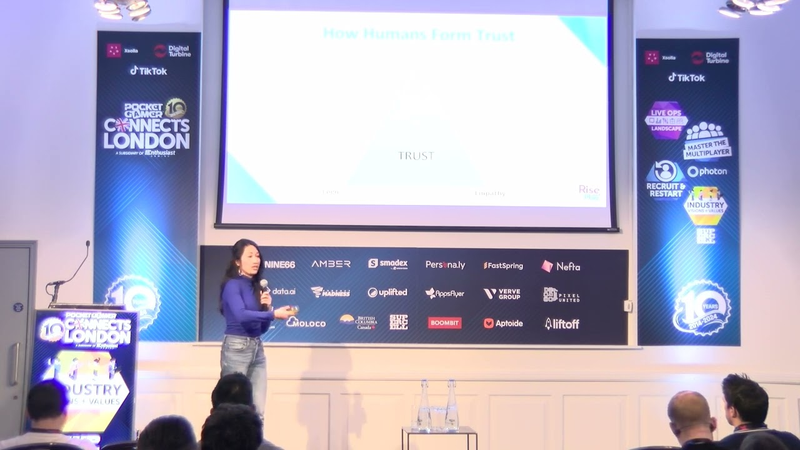
Unleash Your Team's Potential Through The 4 Stages Of Psychological Safety - Sophie Vo, Rise & Play.
Psychological safety serves as a critical foundation for high-performing teams within the creative gaming industry, where innovation and rapid market evolution necessitate the effective distribution of knowledge and creativity.
- Psychological safety is a critical performance driver for gaming teams, defined as an environment where members can take risks, admit mistakes, and share ideas without fear of punishment.
- The concept gained prominence following 2016 research by Google, which identified psychological safety as a foundational element of high-performing teams.
- Building a safe culture begins with the leader’s internal work, specifically their ability to model vulnerability, self-awareness, and emotional regulation.

How to Deal With Negative Feedback, a conversation with Sophie Vo of Rise and Play
Managing professional visibility requires a systematic approach to negative feedback, as increased public exposure makes criticism an inevitable component of leadership.
- Leaders must manage negative feedback by first identifying internal emotional triggers to prevent defensive reactions and neutralize hostility through curiosity.
- Professional resilience is built by ensuring leadership alignment with personal values, which prevents the organizational failure often caused by conflicting motivations among founding teams.
- Organizations should proactively invest in external coaching or facilitation to serve as a neutral mirror for team dynamics and surface hidden power structures early.
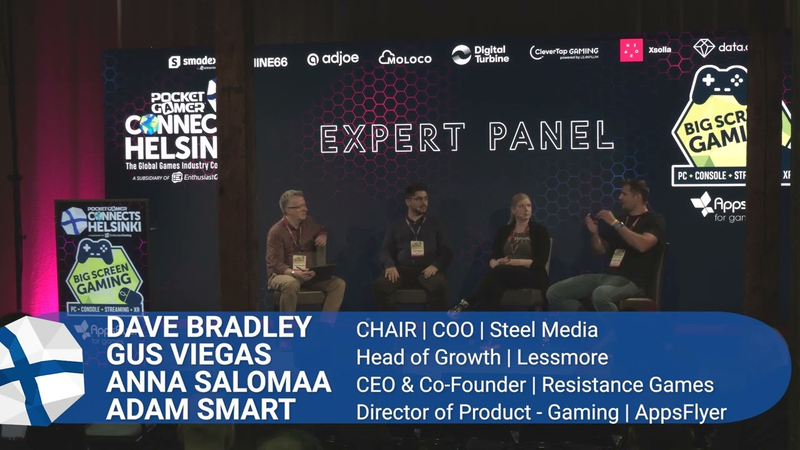
Panel: The Rise of Real Attribution in PC & Console Gaming.
The PC and console gaming sectors are undergoing a fundamental transformation, moving away from traditional brand-centric marketing toward data-driven performance strategies long utilized in the mobile industry.
- PC and console developers are shifting from brand-centric marketing to mobile-style performance strategies to combat market saturation and declining organic discoverability on platforms like Steam.
- Developers are adopting granular attribution tactics, including IP-based analysis and cross-platform tracking, to accurately forecast lifetime value and optimize return on ad spend.
- The industry is pivoting toward privacy-compliant advertising models, replacing traditional cookie-based tracking with aggregated, anonymized data and contextual targeting.

Rise of the White Tiger | Life Entrepreneurship and Rise of India & Opportunity ft. Mukul Deora
A life well-lived is defined by the continuous process of testing personal boundaries and escaping the societal cages that limit human potential.
- India is at a critical economic juncture where its demographic advantage and digital connectivity are enabling it to challenge traditional global power structures.
- The democratization of venture capital and the modernization of payment systems in India have created an unprecedented environment for innovation, despite persistent educational and infrastructure gaps.
- Entrepreneurial success requires a synthesis of high ambition, rigorous attention to detail, and the courage to shape the world to fit a personal vision rather than following rigid career paths.
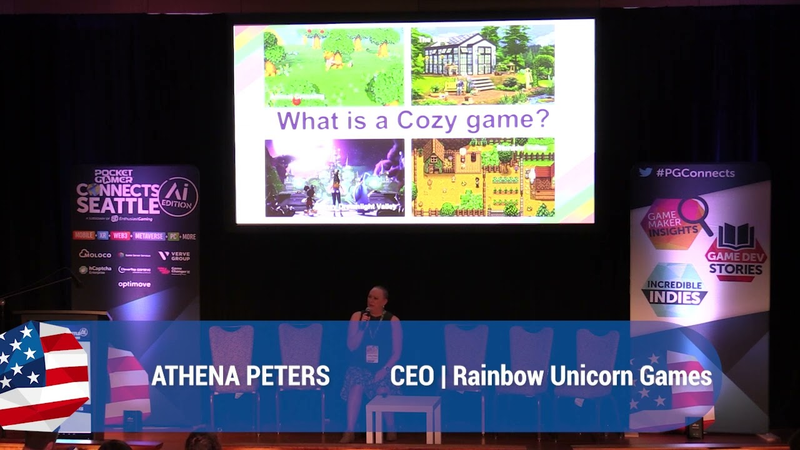
Session: The Rise Of The Non Combat Or 'Cozy' Game Genre - Athena Peters, Rainbow Unicorn Games
The cozy game genre, characterized by non-combat mechanics, relaxation, and low-pressure environments, has experienced significant growth as a response to global stressors and a desire for meditative digital experiences.
- The cozy game genre has seen a 155% increase in search volume over the last year, signaling significant market growth and consumer interest.
- The commercial viability of the genre is underscored by the success of Animal Crossing: New Horizons, which became the second-best-selling game on the Nintendo Switch.
- Mobile titles centered on decoration, narrative, and customization, such as Gardenscapes and Life Makeover, consistently generate tens of millions of dollars in monthly revenue.

The Rise of China: Dominant western game developers may fall to Asian competitors like HoYoverse
The global gaming landscape is undergoing a structural shift as established Western incumbents face increasing pressure from highly efficient, capital-intensive competitors based in China.
- Western gaming incumbents face a structural threat over the next 5–10 years from Chinese competitors like HoYoverse, Lilith, and Game Science that utilize superior operational efficiency and aggressive capital deployment.
- Chinese firms are successfully challenging traditional powerhouses like Blizzard and Rockstar by applying their mastery of mobile-centric live-service operations to high-definition console and PC gaming.
- The industry is shifting away from an era of excess and zero-interest-rate policies, favoring companies that can maintain high-revenue titles like Genshin Impact and Honkai: Star Rail through massive annual development budgets.
The Rise of UGC: Uri Marchand, Founder of Overwolf
The gaming industry is undergoing a fundamental shift as user-generated content (UGC) transitions from a peripheral hobby to a core pillar of sustainable game development.
- User-generated content (UGC) is shifting from a peripheral hobby to a core pillar of sustainable game development, allowing studios to offload content updates to third-party creators.
- Overwolf has scaled its platform to support 98,000 creators and 33 million monthly active users across more than 1,000 game titles.
- The integration of legacy modding communities, such as CurseForge, combined with custom programmatic advertising for desktop overlays, serves as a proven model for monetizing creator ecosystems.
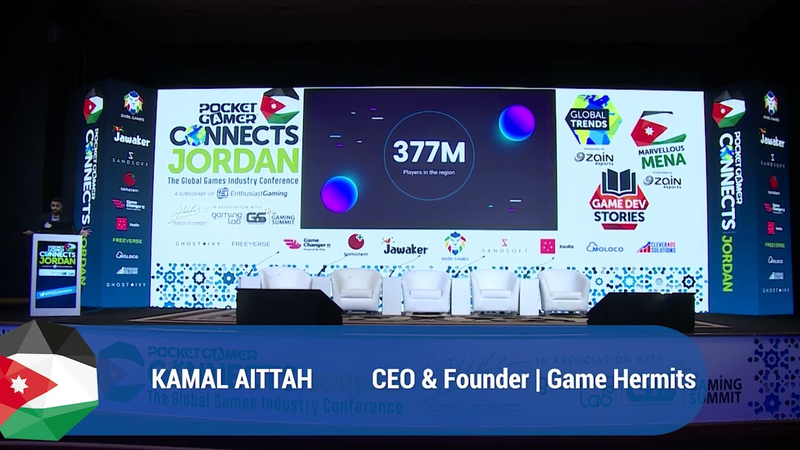
The Rise of the Game Industry in the MENA Region - Kamal Aittah, CEO & Founder at Game Hermits.
The Middle East and North Africa (MENA) region is currently experiencing a significant transformation in its gaming industry, evolving from a landscape of hobbyist developers to a burgeoning hub for original intellectual property and professional studio development.
- The MENA gaming market is projected to grow from $1.78 billion in 2021 to $5 billion by 2025, representing a 15.1% compound annual growth rate.
- The region remains significantly underserved with fewer than 50 established local studios, creating a high-potential investment gap compared to Western markets with thousands of studios.
- Government initiatives in Saudi Arabia, Jordan, and the UAE are providing critical infrastructure and funding to transition the region from a hobbyist landscape to a professional studio hub.

Rise of The Mega-Investors: Tencent & Savvy Gaming Group - The Metacast by Naavik
The global gaming industry is currently undergoing a period of intense consolidation and strategic realignment, driven by the emergence of mega-investors such as Saudi Arabia’s Savvy Gaming Group and the international expansion efforts of Tencent.
- The gaming industry is shifting toward a centralized model driven by mega-investors like Tencent and Saudi Arabia’s Savvy Gaming Group, which prioritize large-scale asset accumulation over traditional competitive dynamics.
- The failure of Google Stadia demonstrates that massive financial backing cannot overcome a fundamental lack of alignment with gaming-specific consumer behaviors and technical ecosystem requirements.
- Supercell maintains a high-threshold development culture that prioritizes multi-billion dollar hit potential, strictly abandoning projects that fail to meet extreme user retention standards.

Open Economies, Social Connectivity & Play - The Metacast by Naavik
Pocket Worlds is actively reshaping the landscape of mobile-first social metaverses by transitioning its flagship platforms, Highrise and Everskies, into a decentralized, community-driven ecosystem.
- Pocket Worlds is decentralizing its flagship platforms, Highrise and Everskies, which currently serve over 24 million users.
- Highrise generates $30 million in annual revenue and supports $100 million in secondary market volume for virtual goods.
- The new Highrise World framework allows third-party brands and communities to build their own branded social spaces, shifting the platform toward a decentralized, Discord-like ecosystem.
The Rise of the Indian Gaming Market
The Indian gaming market has undergone a profound transformation, evolving from a fragmented, arcade-centric landscape into a mobile-first powerhouse.
- The Indian gaming market is projected to grow from a $1.8 billion valuation to $5 billion by 2025, with the player base expanding from 500 million to 700 million.
- The industry is shifting from a high-volume, low-effort development model toward a focus on technical mastery and the production of complex, high-quality content.
- Investment is diversifying as capital flows from global gaming funds, generalist venture capital, and strategic players like Krafton into the local ecosystem.
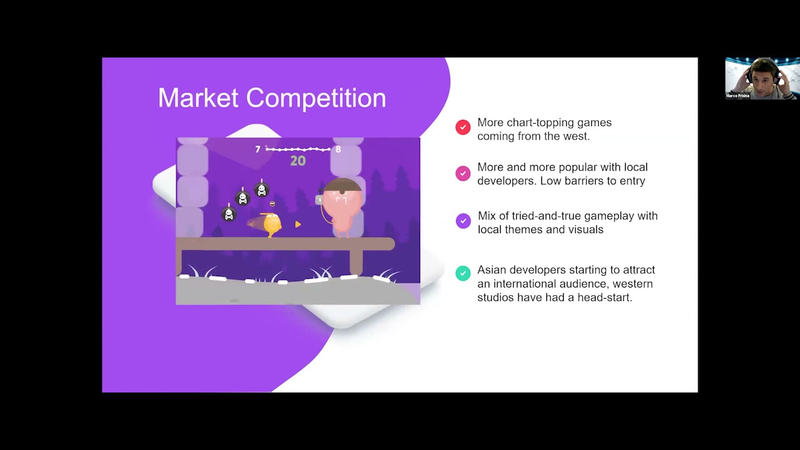
The Continued Rise of Hypercasual in the East & How to Break Your Game into the Chinese Market
China currently stands as the world’s most significant mobile gaming market, valued at $25 billion and representing a quarter of the global industry.
- China's mobile gaming market reached $29 billion in 2020, representing a 30% year-over-year growth and accounting for approximately 25% of the global mobile games market.
- Hypercasual games are the fastest-growing segment in China, leading at least 72% of total game sessions by the end of 2020.
- Foreign developers face significant legal barriers to entry, specifically the requirement for an ISBN certificate, which can take three to six months to obtain and is notably more difficult for non-domestic entities to secure.