1 free read left. Create a free account for unlimited reading + AI research.
Create free account
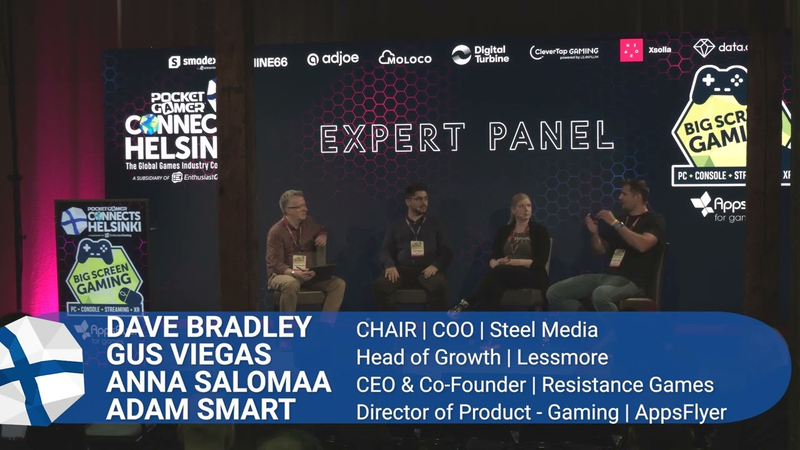
Panel: The Rise of Real Attribution in PC & Console Gaming.
Key insights
6 takeaways- 01Developers are adopting granular attribution tactics, including IP-based analysis and cross-platform tracking, to accurately forecast lifetime value and optimize return on ad spend.
- 02PC and console developers are shifting from brand-centric marketing to mobile-style performance strategies to combat market saturation and declining organic discoverability on platforms like Steam.
- 03The industry is pivoting toward privacy-compliant advertising models, replacing traditional cookie-based tracking with aggregated, anonymized data and contextual targeting.
- 04High-quality, privacy-safe data is being integrated into advertising algorithms to improve storefront visibility and ensure titles reach relevant player segments.
- 05Combining data-driven acquisition with deep community building is essential for reducing customer acquisition costs and increasing the predictability of game launches.
- 06Successful growth strategies now require synthesizing technical performance metrics with community-focused initiatives like early wishlist cultivation and influencer partnerships.
Ask AI about this video
Transcript
[Music] [Applause] [Music] thank you [Music] our last panel of the day I'm going to invite three experts to the stage to join me to talk about um a marketing topic um the the rise of real attribution in PC and console gaming now if you saw at the start of the track um Adam from apps flyer gave us a little introduction to that at about attribution and Performance Marketing in PC we're going to talk a little bit more about that um and I should just a little reminder there were some some apps flyer socks like in every chair but I think maybe if you've if you've come late you might have lost those I'm sure there's some more some more around the place if you want them so why don't we come invite to
the stage my uh my panelists then we'll get going I'd like to welcome Adam smart from apps flyer uh Anna Solomon from resistance games and gas fiegers from less more so please come on up and we'll uh and we'll start talking so yeah please take a seat now my name's Dave Bradley I'm going to be your moderator for this panel those of you who've been with us this morning will have seen me uh comparing the stage as well and I'm from Pocket Gamer but also we publish PC games Insider which people not everyone remembers so as well as [ __ ] gaming published a number of sites also PC in console so we're going to talk about this so the the purpose of this conversation really is um for decades PC and console gaming uh the promotion of games has been about a brand based a brand-based approach to marketing and whereas those of us who work in Mobile are very familiar with the data-driven Performance Marketing attribution nature of of mobile marketing and now we find that a lot of PC uh and console but let's say PC uh Publishers having to turn to uh
Performance Marketing in order to to get users so we're going to talk about these changes about what that means Define some of these terms and hear from our experts from across the field of mobile and PC and console gaming about what marketers should be doing now to promote their games and how these uh this different approach works so first of all I'll I'll go down this way I'll start with Gus and I'll ask my panelists to introduce themselves and their business in a few words so go ahead hey cheers so hey I'm Gus uh I'm head of growth at lastmore I've been doing a mobile game marketing for the last 10 years specifically games um been launching and all the different kind of genres within mobile um pleasure to be here thank you very much yes thank you and Anna yeah hello uh my name is I'm the CEO and co-founder of resistance games and we make PC strategy games so quite different from mobile but I think things are also quite the same same so happy to be here and discuss this that's perfect we'll dive into that
and then Adam yes for some people here I've seen you already but please give reintroduce yourself sorry about that okay so I'm Adam I'm director of product gaming over at apps like um and it's actually quite cool because we we can help both of you guys being able to run Performance Marketing on PC and console and on mobile great well that's a perfect introduction so I'll tell you what let me let me start here let's do some definitions let's talk about what let's talk about what we're going to talk about here let's make because the the topic here is about the rise of real attribution and I've thrown in some terms there about Performance Marketing but what do these mean so I'm going to start with with Gus there do you want do you want to lead us in a conversation look what what is attribution you know for those maybe who are coming to this Fresh So the biggest difference I think in the mentality between Mobile gaming marketing and uh PC console marketing has been that approach of PC going more for brand marketing and Mobile going more for Performance Marketing so we we should Define what Performance Marketing
is so it's all about measurability in one word and in more words it's basically uh in normal marketing you're thinking okay I'm going to create this piece of content I'm going to place it in this location and based on the fact that I made this messaging in this certain way certain people will come because I've orchestrated the brand to be like that right in Mobile we kind of skip ahead we have one advantage which is we're not trying to attract necessarily a specific audience we know the audience we're purchasing the audience already in advance we actually measure the audience even before we focus on getting them into our game which means if you don't need to care so much about uh will I put this in the right location with the right messaging at the right time you're just focusing on okay did it work did it not work uh what's the exact percentage of how well it worked the return on on your
investment so we as performance marketeers and mobile we're more like economists rather than marketeers we're just focusing on the numbers day to day and not so much on the psychology of it all right that's interesting there's the old quote isn't there back from before the internet because I used to work in magazine publishing many years ago where they say half of all magazine public magazine advertising doesn't work if only I knew which half and that's the question and that and that's where that's that's the advantage that data does for us today what's your take on this how do you define the challenge of Performance Marketing and and attribution and as coming from a PC side of things yeah yeah I think I'm from an indie company so of course resources are limited so it's hugely important for us to put our effort to exactly the right place and uh kind of seeing the conversion and the effect that's that's super super like vital for us because like sister throwing and throwing things things on the air doesn't doesn't work at all right and also um when we make strategy games we have quite specific
audience uh we we know the audience exactly uh how how they are and what would they like to uh like to see say undo but also we really need to cater everything to them uh and really we've been export on to the right platforms white waste this talk to them because yeah it's it's quite kind of narrow uh notable thing so throwing things out of uh out once again doesn't really work because we need to find the exact right people exactly and that's and not only is it inefficient but also it's expensive and that's another thing that people find particularly if you're on your Indie company you can't afford to just throw money at a problem no uh so yeah Adam you know I don't want to dive in here you spoke a little about this earlier but but talk us through as we've been discussing attribution Performance Marketing what's your understanding of these terms and I think the the biggest thing it provides is forecasting like if you know your return on ad spend or your estimated return on ad spend you're able to then forecast what you can do where you know what your monthly
ad spend can be how you can plan what users you're going to be getting through to looking at the full Revenue that the game is going to produce over the period of time and I think that's the difference between console and PC marketing as it stands and mobile marketing and the way the games are built it fundamentally changes how you build a game when you know the conversion Revenue that you're going to get from that title whereas from the PC and console side historically there's been no extra Revenue that can be generated because it's effectively lifetime value up front yeah yeah exactly am I sitting on the uh it might be um uh so great so that's really important that wasn't the one of the things you spoke about in your talk which was PC games have traditionally been sold a different way you do all that promotion when you buy a PC game and you've got the thing and actually you know you've got your thing whereas mobile with all the data is able to carry on having this lifetime value of its of its users and and you're doing that so let's ask some of these questions like we've obviously chosen
this topic to discuss here apps via you know you've got um you're moving into the PC space um what are the trends here why is this something that we're talking about now why has it come about that we're having this conversation about PC couldn't things just have happily carried on as they were you know indefinitely with the with the spin there um I don't know Gus you want to take us uh take us away there what what is the trend that means we should be having this conversation oh there's a lot of spicy topics at the moment uh I think the one that's very pressing on this week in particular is Google Android privacy sandbox okay I I believe that's a core component of a leveling of the playing field between mobile and uh and PC interesting uh for those not aware it's uh you used to rely a lot on cookies on PC and con well not even console yeah but in PC and now Google for lack of a better term and apologies my friends at Google uh it's they kind of like create of a spyware you know on most browsers for most people but this for us on the gaming space is actually
quite great so the Android privacy sandbox what you can do is Target groups of people with certain interests so this is unlocks a lot of potential for PC to advertise more targeted with more knowledge previous knowledge on their users and then the users also the benefit for them is then then they get more targeted content we get to find the strategy Gamers up in advance so that that in and of itself is already a game changer and uh leveling of the playing field but I could go on and on so I'm sure I'm going to come to Adam next and then I'll come to you Anna because I know you're on the front line of making a game so Adam yeah what what is the trend why now uh apps Fire here talking about this conversation what's changed that means you need to be thinking about this so I think the I mean it's not today this hasn't literally just started today you know we we've been building the platform for the past couple of years so we've predicted that everything is moving in this direction right right and
I think some of those indicators are exactly as as I said you've got uh privacy which is you know with the changes that apple have made and and Google are in the process of making you've got people questioning you know we have potential impact to our business and do we want all our eggs in one basket effectively right so now I think there's there's a lot of conversation about how we can look at different platforms you know where else we can operate and you know I've seen lots of talk about Roku and and sort of streaming games and that sort of stuff and you know Netflix is doing some amazing things with with Hardware coming out soon and it being like an apple arcade of of uh so to speak yeah obviously not Apple but yeah I know what you mean that's a subscription arcade thing but I think fundamentally games companies have an extreme urge for growth and you know being able to move on to a new platform especially for mobile companies who they have a certain model that they need
to operate by being able to fulfill that on other platforms is almost impossible or it has been almost impossible so I think it's a combination of things that have led up to this moment interesting very interesting yeah and Anna like I said you're on the front line so you're making a publishing games you're developing and Publishing games I mean what's your sense of how things are moving your sense of the the trend in this direction and as it comes to promoting games yeah that's a that's a big question I try to start someone somewhere um I think there are a lot of uh things are moving moving at the moment uh we have more and more kind of like variants uh between different kind of segments of Gamers uh we need to be more and more able to to cater to them like uh for example uh for age uh we have older and older Gamers Gamers because the other things are things are moving forward so I think that is something that we really need to ramp up our marketing uh to really know who we are talking to talking to and how and of course the
steam uh is very important for us uh the platform pretty much kind of dictates that what are we going to do because that's how we we reach reach the gamers that's our platform so whatever happens with steam uh that also affects us now with the steam Early Access can I just ask you a question how have you found discoverability on Steam over time has that has that changed for you like it's harder because I see more and more people developing for steam so yeah I'm presuming like apple it's going to get more saturated over time yes absolutely delicious yeah absolutely and and I think uh I've been hearing from uh yeah mobile companies that maybe we could prance to PC maybe it's easier there and I'm like that's your passive because that's something we discussed when we formed the company five years ago that it isn't that saturated but no no it's just getting getting more and more saturated uh harder and harder to to kind of
get yourself out there and of course the big players uh get way more visibility yeah so yeah it's it's very very difficult no absolutely and you know I this isn't the topic of this panel but we should also at some point come back to the conversation about epic getting involved in offering zero which is interesting um so there's the store The Discovery crisis um more and more games absolutely and um let's talk a little bit then I'm going to come back to Gus here as we've said mobile Gaming's been ahead in in how it leverages Performance Marketing for some time is it's been very for as long as I've been involved in this industry which is in Mobile I've been in PC for a lot longer but mobile for sort of seven or eight years always about data so this has been this is always about this so if you had to boil it down and again huge topic what are the first lessons that PC companies like Anna's have to learn from marketing what you know if if you're here to learn from people who already dealt with this in Mobile what do they have to learn so it's I think it's about mentality honestly I think that when you're in PC
you think trailer first oh God we got we have to fill the wish lists even before we release the game on the on the steam uh and for us on mobile we we're highly demanding of data we we don't do anything if it's not measurable if it if it isn't typically leads into disaster because we're not experts in that field like the PC game Market is so I would argue uh nowadays there's a lot of potential to use that mentality combined with the current uh Frets of the PC market so let's give the wish list an example let's imagine that you need to start off minimum like five thousand ten thousand wish lists how do you do it that that could be an amazing way for performance marketers to come in and say unless I have perfect visibility of how each of my ad spends is going into each of those wish lists right why am I even spending so it's about that mentality of
demanding the data up front and not just thinking oh we'll release the game really cool trailer and they'll come right you if you build it they will come it's not the way forward can you um before I move on to Anna that exact pathway that maybe we're used to seeing in Mobile in PC can you trace that line from we did some promotion someone put it on their wish list I unfortunately I'm not uh involved but this is where I think uh another Factor that's been growing over the last few years since 2020 when Apple introduced the Privacy measures it starts coming back in which is uh mobile marketeers we in the last few years we've been struggling because we've had to adapt completely to this lack of visibility and so for the last few years we've been developing methods to to uh go back to that so again mentality we assume we want that data so we're going
uh backwards is we know we can get there we don't know how but we know we can get there so we're going to be hungry developing uh media mix modeling like as a probabilistic attribution and so forth so I think PC if uh people are are listening and wanting a method is just be demanding on how can you measure and look at your mobile uh games partners because they are currently struggling in the same exact way at least on iOS I would argue that's interesting and in fact if the media mixed marketing the mmm there is a talk about that later on I think so that's that's worth connecting with and that's interesting also to your point I I also see with after idfa with mobile marketing getting harder my perception is that people are quite leaning into things like Brands a lot more like people are used to on PC so um yeah so Annie again my same question but flipped around you're here as the PC uh developer what do you see your mobile Pals doing that you really need to learn uh well what I really am impressed by is
that the exact data driven because yeah kind of the attitude that would throw the game and if it's good people will come yeah no no so so I really love that dedication uh for data I'm also kind of kind of interviews that you get so much data that's right this kind of we don't know the wish listed uh I can of course somehow predict that maybe this was the one that sparked it but I don't have that data trail I don't really know no so I wish we also had that kind of uh visibility and we will start really tweaking tweaking things so that is something I really really impressed and also kind of how are we going to tailor-made everything to appeal to the target audience of course great Adam I'm going to bring that question to you and I I obviously you've got Partners in this space I don't want you to give anything away that you shouldn't but what I'd like to do is that question about what do PC developers need to learn from what are the lessons they need to learn but also other examples you can talk about like who's doing this really well obviously your own business
but where where are the good campaigns where are the examples of people we should look into well I mean to start off to start off with it I think they're two different things at the moment um I think PC and console is has been historically brand as we've been saying it's been um it's almost like it's it's back where mobile was seven years ago something like that where everybody's trying to find their feet and it's not just a case of sort of saying like these mobile guys are doing a really good job they've got data they've got this that and the other there's a lot of other factors which enable the mobile marketing side you know so networks being able to Target people who enjoy specific types of genres of games that type of thing and that takes time to build up their databases of users to know who resonates with certain types of games so that hasn't been done on the PC and console
side yet so these learnings have to come into play the industry has to adapt in order for cpis to start coming down and making Performance Marketing on mobile a reality you know at the moment it's a it's a something that would be amazing to put out there but it needs the industry to adapt to it and to actually start utilizing it in order for it to to become more commonplace right interesting um I will come back to you in a second because I want to talk about some of the Technologies and the stuff that apply does will be in that but this seems like a good moment to talk to Anna about your recent launch so you've recently launched the game how did that go and how did you promote that what's as a use case example of everyone tell us about your launch and what you did yeah yeah so uh we launched in Early Access uh which of course I'll change these things uh things a little bit uh but yeah Early Access has changed also also a lot so people are expecting uh quite polished game already on that stage States but yeah it definitely definitely affected
it uh we also have a publisher a partner and that is something that kind of my my piece of advice and find yourself a good publisher yeah find a really good collaborator someone who can really help you with the marketing because the effort is huge and uh we we want to focus on the development and still of course we need to be be be there as well and answering the questions and building the community and that was one of the main points that we want to have a really um kind of a lively discussion on Discord Discord is super important for us uh our players are really dedicated they are quite vocal they want to talk to the Developers so building the the community was absolutely the number one thing and kind of easier said than done and it requires a lot of uh kind of our time and dedication as well that we have to be there all the time targets The Gamers asking like like answering their questions uh yeah so yeah that is that
is like the key point that we get that going that's interesting building the community absolutely I hear that a lot well not only in terms of uh what that does to bring in new users but retention so important as well isn't it which is perhaps a topic for a different panel but bring but keeping your users once you've got them is a whole other challenge yeah that's really interesting well let's talk about where we are now about emerging tools and technologies that are particularly important in this space and actually maybe this is a good opportunity to talk to Adam again like um you know you're the work you've been building over the last couple of years to bring apps flyer who are known from Mobile to PC tell us a little bit about the technology and what it is that you're doing there what else you see yeah I mean it's the attribution process right and you know that's what we've had years of working out for for the mohopal side of the business um and now we're applying a lot of that logic to the PC and console site there are there's problems with that like everything I mean in trying to perform that attribution you're looking at uh things like IP address in order to match on and that sort of stuff which has been
something that's been available in the past for mobile obviously through the Privacy side of stuff that's been taken away but I think there's there's sort of pluses and minuses from from doing the attribution in that way um none of the the the main platforms are are integrating yet and we feel that over a period of time once more of the studios get involved there will be a shift from some of the manufacturers in terms of actually starting integration or providing apis and that kind of thing a lot like happened with mobile you know we're talking we're talking mobile seven years ago and that's taken time to build up those Integrations and that sort of stuff um I think in the way that it is being done though there's some really interesting parts that we're up that we are able to offer whereby if somebody is watching connected TV let's say then they're sat in their living room they're watching Netflix with ads on on Apple TV or whatever it may be
they're able to see the ad come on the TV they're watching a movie so they don't want to they don't want to do anything with it now but in you know an hour later they go and turn on their PC and they they install your game obviously that would then be attributed to the ad that they saw on the TV right because it's IP based and it's household AP based so there are pluses and minuses by doing it this way but at the moment it's the only way that it's possible so yeah exactly let's compote to compared to mobile for instance where there was that whole ad ecosystem that I could be playing a hyper casual game seeing that click on it and immediately I'm playing that game yes and that that looks drawn so clearly which is harder but then there are ways of doing that through you know it depends and this is where it almost needs to be thought out more than mobile because there's lots of parts that don't necessarily connect at the moment right so you have like mobile apps for a lot of the large platforms now like Steam and PlayStation and Xbox and that sort of stuff where you can send users to go to to purchase the game
from there yeah but there's no telling whether somebody who clicks on an ad is then going to go through and purchase on mobile or an hour later they're going to turn on their PlayStation and purchase the game through PlayStation so being able to tie all that together is very very useful right that's that's the challenge absolutely you know what I'm going to skip ahead because we one of the topics about this and I come to Anna first and see what everyone else says you mentioned the community absolutely vital um but what role with all this Performance Marketing and the the Reliance on Performance Marketing and the shift towards that for PC as well what role does sort of traditional uh streamers influencers brand building what kind of what kind of role do they have in this future where we're looking at all this data is that I mean presumably still a huge place but yes you want to talk about that yes yes absolutely I think they they are absolutely vital and especially on our field uh when it's quite Niche uh so the games it's it's a huge Global Niche but still uh choosing the right influencers right streamers
it's so so crucial um of course if we had all the money in the world we could just yeah yeah but everyone played uh but even a really uh kind of a relatively small uh audience with the right streamer it can be the thing that keeps it over and also people people can even get a little bit um like miffed if you have your game just thrown out there like you don't know us you you don't have your game with the right streamer the right person we look up to yeah we really have to also that way uh to tell our players that yeah yeah we we understand you we know exactly people wonder why it is that they're they're famous favorite strategy streamer isn't playing your game so you have to identify them yeah yeah for sure now that's interesting and of course the influence marketing is a is a whole other uh in itself I mean um I won't come to us because I know you're um you know your space is the Performance Marketing but you know brand Library I don't know Adam do you want to speak to this as well I mean what is the
future of organic reach you know how does that work I it's gonna stay I mean like there's no there's no getting away from Brand advertising in fact I think the the mobile world and the PC and console world are actually coming sort of closer and closer together in terms of the Privacy stuff that's come in through mobile and almost forcing to a certain extent more brand advertising to come through yeah so I do think there's there's more of an overlap there than there than there has spin that's for sure I I have done you know influencer marketing yeah well absolutely and even on mobile you know I was the other day talking to somebody who was about Marvel snap and you know that's a mobile game also once Stevens today so we can come talk about cross yes exactly um and of course so they have all the data and you know it's a very finely honed owned up but so much of that the success of that game is about the brand and about the mobile streamers playing it you know there's all that as well um in fact uh you know let's talk about I think you mentioned this earlier on we brought up idfa a few times there's the
stuff about the sandbox how do we balance the need for attribution and um personalized marketing and data with concerns over user privacy um in this area of real attribution how do we do that because you know we've seen um the effect that the um the step away from idfa had on on mobile marketing but also there just seems like there's a general move towards privacy and about those conversations are happening more often I mean how do we balance these things um who wants to leave it on that I don't know what's the what's this so I think that it's a lot about aggregation of groups of users right so from the beginning so we're talking about pre-gdpr times yeah you had access to data in a way that was demonical it was very frightening it was ridiculous there's some stories there but uh we never needed that I mean sure maybe per previous purchases on previous games some of these kind of uh data points
sure they were useful uh but these platform holders so uh not necessarily apps Fire necessarily but a Google Apple uh steam epic Etc they can anonymize these groups of data for us and still give us what we need as marketeers which is hey we want purchasers of previous games we don't need to know where they were how they were what were the exact amounts but give me this group and I will Target and then the user is is happy because their their personal information is not being shared it's just their type of users being shared and I think that's where everyone is gravitating towards both and mobile and PC and I think that's the balance that's good and in fact anecdotally users don't mind that if they're being you know promote if they're seeing games are the kind of games that they buy it's when they feel better I was going to say ironically I've heard complaints of people yeah getting non-contextual ads oh like and
it's changed because they haven't accepted the new terms and conditions and stuff exactly now they're getting ads for Pampers when they don't have children it's funny no exactly I am enraged but I have to watch something and advertise something to me that I'm never going to play wouldn't it be wonderful to be a strategy gamer and suddenly you have uh their game right in your feed on on Facebook or whatever is exactly what you want so we walk in that type rate between having that the relevance and the convenience of it against being afraid that my data is being misused yeah I mean yeah on that topic I mean that that that balance sorry Adam mine I sort of stole your thunder there by bringing that topic but yeah what's yeah is that is that the your point on that yeah I mean it's it's look it's happening it's it's embracing it it's working with it and not fighting against it because there's no point in fighting against it yeah you know it's it's changes that both government and platforms for devices are bringing in to protect the general public which nobody
can argue against that makes complete sense me as a consumer I'm completely behind that I don't want people to know all of my personal information but at the same time we have to find ways of being able to continue advertising yeah uh so people like us still have a job in order to be able to do user acquisition HC unemployed um but it you know it's it's a it's a fundamental thing that we we have to find ways of being able to work with the system right like bringing in more contextual ads instead of focusing on user level trying to do more things that are focused around uh you know likes things that you know that resonate with your your fan base of your game advertising more in those kind of places um I'm sure you're laughing because it's almost impossible to do but yeah but absolutely yeah I'm laughing because this is a topic in the industry usually is like the death of the UA manager but I've been hearing this for my entire
career uh and uh and of course you know Anna you need to be able to sell your game to people who are receptive to the yeah to playing the game yeah absolutely um and I think that that is great great that we we get that kind of targeting uh targeting but uh one thing uh of course is that as a developers we have to be on top of uh all of these these issues and it's quite a race to to kind of always remember what can we do what kind of data we can collect what are the kind of what kind of um um yeah like um permits or or like questions we have to ask uh it's it's quite a quite a thing yeah to stay top on that everyone has to stay on top of it absolutely and the introduction of things like uh what AI means to all of this and as I think they're talking about on another stage and there's a whole other level of complexity you know we've got a few minutes left I've got a couple more questions but you know what the our experts are here does anyone have a question that they'd like to ask about marketing Performance Marketing attribution I can't quite see anyone but there's any are there any hands in the audience please do uh please do say
oh well I'll carry on but if you do want to answer the questions throw your hands up and we'll try and get a mic to you before we uh before we break for break for lunch so um let's let's do some um some specific advice um what advice would you give to let's say someone in the audience who's working on a game right now we know we know that about 70 of attendees here are game makers so let's say we've got some game makers in the audience they're working on a game working on a PC game what advice do you have are you going to give them well if you had to give boil it down to one piece of advice what do they need to know so I believe that we think of games as this enjoyable experience this fun experience and because it's fun they will come but there's more to it so we could talk about AI but I would actually just talk about the networks themselves or or the mmps of the world uh they collect data within the game right right so you have to think about it how the games data
then connects and feeds to these algorithms within the networks and that interaction because it's not just about the game being fun and and the user uh liking the game that's what will cause retention what will cause them to stay playing the game but what causes them to even see it in front of them right because the thing is you can make the best game in the world but if no one sees it it's it's the whole uh of a tree fell in the forest who hears it kind of dilemma right yeah so I think that uh game makers think about the data that you are sending back to App Store in this case uh and how they then connect to the networks because that alone might be the difference between spending uh 50k in an advertising campaign and it reaches no one of relevance or reaching everyone of relevance and suddenly the efficiency went several folds right so the product also affects the algorithms is the point great yeah great great advice there yeah Anna you're you're there on the on the front line what
advice do you have for other people here yeah yeah once again like finding the right partner uh absolutely maybe it's a publisher PR agency uh whatever uh who is your publisher by the way sorry uh fire squid okay cool thanks so because uh it's not a Sprint uh it's a long-term uh commitment and you have to be there for the community so take all the all the help you can get and um maybe something that I don't know if it's really like our genre but for us different kind of online events have been really successful on on driving people to steam and to each listing so a kind of being out there there for the gamers really really like converts uh quite well for us maybe it's because it's rather Niche so they really are following what's going on on that on the genre on that field failed but I would wholeheartedly recommend that go go into online events and steam steam events and put your game out there as early as
possible that's great that really really practical advice and yeah Adam what's your what's your take obviously come to apps Fly for a conversation I mean obviously listen to my podcast yeah yeah I I think the for me the biggest thing is this this misconception that is there of everybody's heard these success stories about some someone in their bedroom that's developing on steam or mobile and has released and is hugely successful and they've had millions and millions of installs that doesn't happen anymore like it just it doesn't there's too many there's too many different apps there now there's the the discoverability is just such a problem I think the biggest advice that you can give somebody is to really understand their audience and like you say understand where your audience hangs out and understand what they what they like what they like about the game and why they play the game and that sort of stuff and if you can really discover what makes the game interesting to people then you can discover the types you know the personas that you're going after and then understand where you need
to show those ads in order for those those personas to see them exactly exactly the same as what you're saying is you know perfect well we're almost at the end um I'll I'll give an opportunity for a question if there's one question from the audience was there one oh wait there is one there we go and then we'll take this question and then we'll we'll break there go for it uh so regarding um uh getting wishlists or UA I think that's really fascinating you're going to take somebody from your creative to this team page and then you get zero data back is there any has anybody gotten this to work effectively and second question I've heard that UA in small quantities can actually go be quite cheap um and is there any guidelines about how much to buy to keep the CPI low and do you want to take this should I uh I can give my uninformed speculative position from talking to my PC industry friends and what I know um targeted uh UA can be very cheap in small quantities with a lot of efficiency it really can so I can
totally imagine a few hundred thousand spent and suddenly you have thousands of wish lists I believe that it's critical to have the the that initial wave of of wish lists because steam will notice all of the fresh installs at the very start of the launch of the game and that will then trigger the discoverability within the steams algorithm which means that yes it's a bit of a dark box that you're feeding money into but it's not that much money in return to what you're getting in terms of discoverability just think of it as uh you do want to have a big juicy launch day right and this is an insurance to make sure that even if only a handful of that wish list converts if it's big enough that's already a lot and you're at least going to get a lot of eyeballs right a lot of uh steam emails notifications saying the game is now available right so it I think it's critical actually and it shouldn't be that expensive depending
on the network yeah and also like wish listings and then followers because followers get even more uh more add more information those are very crucial uh that you have both and uh yeah like I said getting to the eyeballs getting someone to talk to uh even if it doesn't convert like there's been a lot of talk that how wish listings are like more and more um like guessing game how it converts uh but that's that's not even at the end of it because now you have all those people and you can start moving forward especially if it's early access uh you have still plenty of time time to to make changes talk to the the community and the players but yeah that's super super important yeah perfect thanks did you I it's all been said well thank you very much we'll break there this is the end of the the the big screen gaming track so that just leaves me to thank Gus from lesmore Anna from resistance games and uh Adam from apps fly thank you very much for your uh Insight appreciate it and if you want to uh to ask these folks
questions do look them up on me to match uh and tomorrow I have a talk oh you're gonna go even deeper on this topic of uh data in the game versus the marketing team perfect so stick around some more great stuff cheers thanks folks thanks uh and in fact I will just uh wrap up there so you please do grow and grab yourself some uh a lunch break before we start again elsewhere but please do let me just uh thank again our sponsors in this room we really wouldn't be able to do it without thank you
Summary
The PC and console gaming sectors are undergoing a fundamental transformation, moving away from traditional brand-centric marketing toward data-driven performance strategies long utilized in the mobile industry. As market saturation intensifies and organic discoverability on platforms like Steam becomes increasingly difficult, developers must adopt measurable attribution tactics to remain competitive. This shift is driven by the necessity to forecast lifetime value and optimize return on ad spend, ensuring that marketing budgets are allocated with precision rather than relying on speculative outreach.
To achieve this, developers are integrating sophisticated tracking methods, such as IP-based analysis and cross-platform data, to identify and acquire specific player segments. This transition is occurring alongside a broader industry pivot toward privacy-compliant advertising. As traditional cookie-based tracking declines, the focus has shifted toward aggregated, anonymized data and contextual targeting. By feeding high-quality, privacy-safe data back into advertising algorithms, developers can improve their visibility on storefronts and ensure that their titles reach the most relevant audiences.
Ultimately, the most successful growth strategies now synthesize technical precision with community-focused initiatives. Proactive engagement, such as cultivating early wishlists and leveraging influencer partnerships, serves as a critical foundation for algorithmic success. By combining granular performance metrics with deep community building, developers can reduce acquisition costs and improve the predictability of their launches. This holistic approach ensures that marketing efforts are not only measurable but also deeply aligned with the specific personas and behaviors of the target player base in an increasingly crowded global market.
















Comments