1 free read left. Create a free account for unlimited reading + AI research.
Create free account
Rise of The Mega-Investors: Tencent & Savvy Gaming Group - The Metacast by Naavik
Key insights
5 takeaways- 01The gaming industry is shifting toward a centralized model driven by mega-investors like Tencent and Saudi Arabia’s Savvy Gaming Group, which prioritize large-scale asset accumulation over traditional competitive dynamics.
- 02The industry faces a structural tension between the stability provided by massive capital influxes and the risk that a planned-economy approach will stifle the creative innovation essential for long-term growth.
- 03Supercell maintains a high-threshold development culture that prioritizes multi-billion dollar hit potential, strictly abandoning projects that fail to meet extreme user retention standards.
- 04The failure of Google Stadia demonstrates that massive financial backing cannot overcome a fundamental lack of alignment with gaming-specific consumer behaviors and technical ecosystem requirements.
- 05Apple’s policy allowing NFT transactions within iOS apps while enforcing a 30 percent commission highlights the ongoing friction between platform monopolies and the decentralized goals of web3 developers.
Ask AI about this video
Transcript
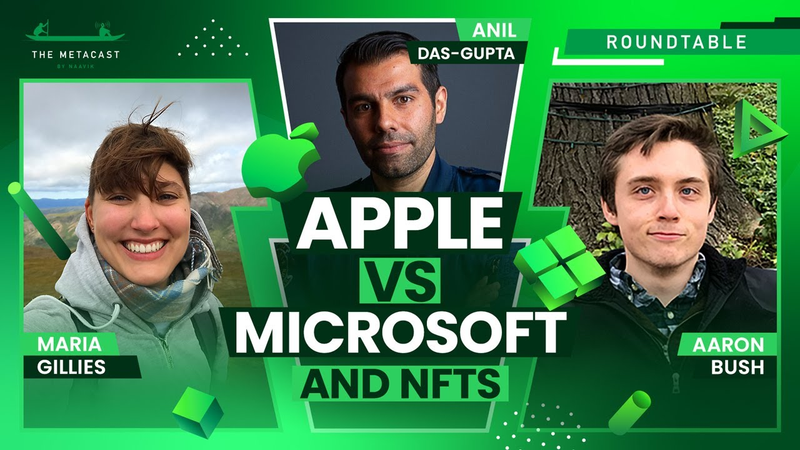
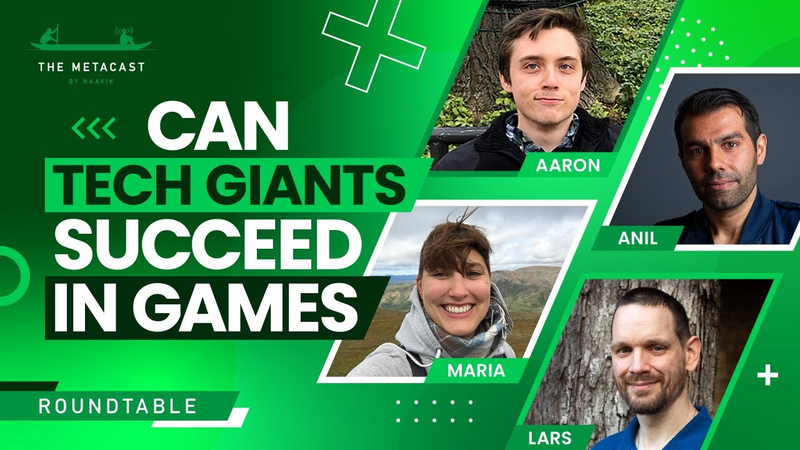
[Music] you're gonna pay us money for the subscription it's like oh so you're doing a subscription service no you gotta re-buy all your games on top of that and so it's like oh so I get to pay you for the privilege of paying you again at full price [Music] hi friends welcome to the metacast Roundtable by navic today I'm joined by Aaron Bush co-founder of navic and Neil Des Gupta co-founder and CPO at FirstLight games sitting in his nice office with blast Royale imagery and Lars Desai co-founder of level up labs and recent book author the new book is lend is a big deal thanks very much for the shout out and find that at landisbigdeal.com pre-order
now comes out on October 15th is it a physical book it is a physical book it is an e-book and it is an audio book so oh wow so for those of you in Europe where shipping costs kind of suck right now you have two digital options to save some money until we figure out how to bring that down in about a month I just have to ask this is the name of the book a play on words because it's a big deal because it's expensive also a big deal because it's important it is both of those things yes that's very intentional and it's also kind of a nod to both Thomas picketty and Karl Marx they wrote books starting with capital and capital in 21st century and so I'm kind of positioning myself on the other side of land is something we should be thinking about more that's all three of those things I love puns I love stacking them many layers deep and then translating them is the localizer's problem yeah yeah I've worked on a game with puns that's quite hard well although it's not quite a pun yeah well
congratulations that's amazing thank you very much it's been talked about a lot your um your article about learning games so yeah it will be a really interesting read yeah thanks so we're going to dive straight into the topics because there's a lot to get through that's interesting so everyone will be talking about the rise of Mega investors and then supercell and their brutal killing of games we have an Empire theme going on here we're also saying goodbye to stadia um potentially looking into Netflix a little bit we'll see how that conversation dives into and also touching upon Apple's 30 cut of nft sales which we didn't get to the last episode there's a bit more information this week yeah Aaron yeah so what's happening with the rise of the May investors yeah so lots of good topics this week but I'll start with um some news around just you know where
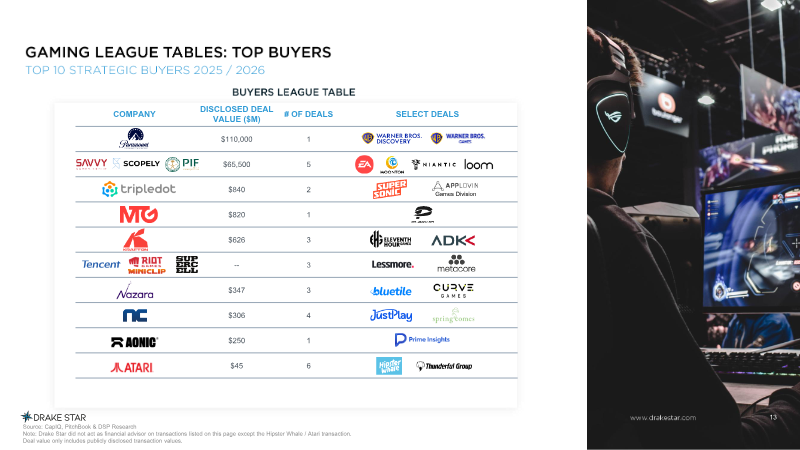
there's a lot of money being thrown around so uh I think on the podcast maybe three months or so ago um it was discussed that Saudi Arabia is undergoing an enormous process of reinvesting its oil money essentially and like through its Sovereign wealth fund and part of this is reinvesting back into Saudi Arabia a lot of it is global um there are many different investment pillars but games and Esports is is one of them and Savvy games group is the vehicle by which Saudi Arabia is tackling the games industry and it's a you know a state-owned company but it's already made a few moves it acquired ESL face it to get into to Esports it launched 966 which is a publishing division has uh you know a company called V which does the infrastructure has a small game Studio business games fund Etc but the larger news of this past week is that Savvy is looking to invest 38 billion dollars into the games
industry most of which is through just like M A and buying minority Holdings of companies um but you know the the sub component of that which is most interesting is the 13 billion dollars that is earmarked for acquiring a large publisher and you know the immediate and correct reaction is damn that's a lot of money um which you know for context savvy you know if they essentially build a 40 billion dollar games business via Acquisitions and Investments then the only gaming companies in the world that are larger than them are 10 cent Sony Microsoft Nintendo Netties and I think that's it and four-fifths of those companies do more than gaming so this genuinely is a potentially a massive development if it actually happens um of course the devil is in the details of who it would acquire who would say
yes whether Regulators around the world get in the way or not and we'll talk about that in a second but the second thing I just wanted to quickly mention before opening it up for conversation is that also tencent is looking to to get more aggressive again with games m a um potentially with a European band at least this is what is being reported so I'm not a hundred percent sure um but you know still worth still worth mentioning in the context of lots of money flowing around um and the game Space and obviously in the past decade or so tencent has been one of the top Partners acquires shareholders in the games industry but right now its largest threat is its own home Market China which via various new rules and approval processes has led um to much of the company's growth being stifled and its potential being stifled too and when I looked a couple weeks ago the only the only one single game approval tencent has received in over a year at this point with some educational
Health game that no one is going to play so so the business definitely feels the the need to diversify its business again so really bottom line these are two notable entities with enormous Financial backing that are going to try and build their Global gaming Empires and ecosystems up further um perhaps with a renewed fervor so I'm curious what what you all think about this and so so maybe it's to start um you know what do you make of some of the largest gaming entities in the world being a result of Acquisitions and not actually Creations like what like what impact does that have on the industry uh as a fun anecdote I'd like to share that as a kind of sign of the times a Chinese liquor company is now valued more than uh tencent as of like today so some people were thinking that was kind of symbolic um my my kind of take I'm not sure if this is a contrary intake or not is that
I'm generally kind of always getting nervous when I see a lot of consolidation in the industry um and this will tie in a little bit with my comments on stadia today is that it's like I'm not I'm not like universally against Acquisitions or anything like that but I think when they get to a certain scale I think as a company reaches a certain size um you get less of the benefits of free market competition and you get more towards kind of a planned economy and um planned economies are always less efficient than free market economies and so like I get worried about basically companies acquiring IPS to collect them like Pokemon and so we see less um efficient use of those than we would otherwise if things were at like kind of a little bit more right scaled um and then I also worry a little bit about just um way way way more vertical integration of things where it's not just that a bunch of ips are being bought up in a lot of studios are being bought up but you also see other properties
um such as platforms and distribution and things getting bought up to kind of remove some of those competitive pressures but basically I I get I I get I'm just general really kind of just nervous about massive consolidation especially on unprecedented scales right there's the embracer group is I believe tied into the Savvy game somewhere they've already locked up like the entire board gaming industry like I think they own like the vast majority of board game IPS at this point I see a lot of board games there in the background Aaron I would not be surprised if the majority of those are owned by asthma day who is now owned by embracer who is very aptly named anyway I'll throw it back to you all in case you all want to push back on that I'm actually going to essenceville a nice well this week so I'll let you know how the board game scene is is going um my my personal thoughts about the consolidation in your question Aaron I personally am not too concerned about the increase in consolidation because I think it could also be with the times
where just generally as a society we're changing in what we want and I think before when we first founded companies especially you know with a past generation or so it was with the intent if it's a family business and you look at this in Ubisoft you want a long-running business that grows and I think nowadays even with a lot of new Founders their goal is that they don't want to build a company and stay there for 10 years 10 15 20 years they want to build a new company grow it and then exit and so potentially the state of the consolidation will buy into that cycle that maybe new Founders are expecting and you'll still have the creativity you'll still have the new games being developed um and there's also a healthy environment in terms of venture capital so even perhaps building these new companies over and over again is becoming easier than it was before to take these risks maybe I I mean there is a lot of venture money and I think now's probably a great
time to be an entrepreneur I guess I would I would just say that not all consolidation is equal like when you see what like Sony or like Xbox is doing like they really are building out like a methodically well integrated ecosystem that that makes their their business model something like Game Pass you know with it or you know just that Xbox ecosystem with its multiple prongs um be better than it would be otherwise the difference between that and something like Savvy games group coming in or even what tencent does in a lot of ways is that they're just buying things like they have more of the mindset of like being an investor that is just collecting assets than actually being company builders that care about Innovation or you know pioneering new business models and you know just coming from the mindset of creating new value from scratch versus just you know having an overflowing amount of money that you just need to figure out what to do with
and I I don't know how big of an impact that will have on the games industry but that's sort of the the thing that I'm I'm actually a bit more worried about like I actually like um you know what Xbox is up to they're innovating perhaps as much as like almost anyone out there and you know having scale actually helps them in some ways be able to to create better solutions for consumers and be able to invest more effectively how are they innovating if you don't want to ask I agree with your statement but I'm not sure I'd agree with with Sony and Microsoft being Innovative in terms of what they they add to their portfolio I mean Xbox for sure I mean they're pioneering the whole subscription model which I think is the best value for gamers and console PC that we've seen in a really long time um they're they're you know I think we'll talk about it more when we talk about stadia but they're pioneering you know cloud gaming and like an actually pretty effective way I think and not
just from like a business model standpoint but you know you can look at games like flight simulator that they own and see like how they're they're pushing forward you know technical innovations and some of their their games they're investing in like accessibility tools to like expand gaming to more people making games more cross-play friendly Etc so um you know there there could be more Innovative companies out there um but I actually think like they are still doing good and pushing forward in ways versus just collecting um and you know from my investor days there's always this concept that we referred to especially you know because we're always trying to beat the money and versus like ETFs which a lot of people you know you know if you look at ETS which are just collections of assets it's big dumb money and still big dub money beats a lot of um people who try uh to pick and choose and like have unique strategies but but at the end of the day when you have overflowing amounts of money sometimes
it leads to worse deals sometimes it actually leads to a worse environment that actually is more counter to Innovation um Etc and you know that's before even getting to like the potential geopolitical elements of of any of this but anyways yeah long-winded way to say I don't think all consolidation is equal but this one is actually different than a lot of what we've seen and perhaps not as value additive to Gamers and innovation in the industry at large but the other thing I'm curious if anyone has anything else to say about that but the other thing I just wanted to throw out is like they have 13 billion dollars like who makes sense to to go after like what like what is like what should be their strategy here electronic cards surely it's the one that comes up every time yeah we talk about who with the choir I mean I just want to push back on one thing that just before we run to that point okay I I kind of put it like you know the consolidation thing you know it's um there's nothing really to be scared of in my opinion I don't think Innovations really but why from the games industry for a long time even the
examples that you mentioned they're sure on the technical level there's something to be said there but it was noticeable that nothing was set on like the gameplay side it's like games are just the same so genres and IPs over and over again it's GTA 6 has leaked on the Internet it's another Call of Duty it's another Assassin's Creed that we spoke about last time I think that's kind of the irony that as a gamer you might think oh I'm scared that if the industry becomes heavily Consolidated it will lead to the lack of original Ip and ideas and gaming but I mean you could argue we've been creatively bankrupt on the triple a scale for about 10 or 15 years certainly through the PS4 and 5 generation so given that that's the case already I don't really think it is too much of a problem maybe actually having this done money will make some big studios try a bigger bet because they can afford to lose one or two cases which might be a good thing um that's my own personal style say I I do see obviously the point from an attack point of view um yeah who what does it really change if you've got some of these companies that own massive amounts of the gaming
IP I'm not sure really changes too much I mean the people that I know that with like the the Chinese companies especially 107 days what's interesting is their remarkably hands off so it allows the developers just to sort of get on with making their games whereas sometimes I've seen in the past the one that really comes to mind was um Platinum games which was brought at one point by Microsoft and they were like really fed up by being told how to make their own game so when they kind of got out of it and worked with Sony was like a Nintendo they're like oh thank God we're back to making games the way that we want so actually I think if you're controlled by a fun like that again as a developer maybe a good thing not a bad thing um but I'll pass a question on I've uh rounded them for long enough that's true uh I just want a caveat by big dumb money I'm not saying like Savvy or attention is being dumb with their money um it's just you know sometimes when you have overflowing money you just have to do something with it and so you're willing to pay more you're willing to just not you know only settle for the very best deals Etc I mean I'd be curious like maybe we could get someone from
Savvy on the podcast it would be an interesting conversation to think about how they're you know building what is going to be a behemoth in the industry but anyways yeah any thoughts on what they're gonna do with I mean they have 38 billion in general but 13 billion um set for a large publisher acquisition um and so yeah for context I think take two is like 18 billion EA is like 30 something billion um so they can't go for the biggest but they could go for some of the the more medium-sized ones yeah I mean I kind of Wonder like are there any mobile Publishers out there that have a market cap in that range I don't have the figures in front of me or I don't know I don't think so yeah because I wonder like how much growth there's really left in the AAA conventional console PC Space versus these kind of Emerging Markets I mean like Facebook made their big bet on the whole metaverse we've been through a year of web 3 stuff you know but like
things like I mean I'd be surprised if Roblox was affordable at that level but like we've seen you know the real New Growth areas in games has kind of been something other like to anil's point of like well we've seen all the FIFA 2020 billion and you know Call of Duty and stuff but like one of the biggest like surprises of the past like couple I mean I don't giving away my age here but like past bunch of years was like Battle Royale came out of nowhere and that gave us Pub G and then fortnite you know and that came up from the mod in community before someone big like each like epic was able to be like well we'll make one of those right and like so I would imagine that if I'm an investor and I want more than just like okay I'm gonna buy this publisher for the dividends at a rate that's completely priced into today like I want to see some growth I would want to kind of make I mean maybe this is to Aaron's Baron's point of like kind of the big dumb money
thing is like well maybe I am just trying to make an ETF bet but like if if I was I was trying to put some chips on the table I would look for something that like looked like it was growing and looked like it was had the potential to like take over a new market or expand or something like that and so I would ex I would be shocked if they only went for like your like some like Electronic Arts and nothing else I don't know what else they would get into you know I don't I I think the geopolitics of Saudi Arabia will also come into play especially if it's a big acquisition there's a lot of politics at the moment oh for sure I won't I won't go into it on the on the episode yeah the the last thing I'll say I think oh go ahead Maria sorry to cut you off no no you you go ahead okay I was just gonna say like yeah they could try to acquire something that is more Innovative and such and the probably the reality is though they'll look to do lots and lots of deals instead of maybe just one one big one and they're gonna make tons of minority Investments as their their goal um but I
yeah I almost wonder if they should go for something like embracer and that's not to say I'm like the biggest embracer fan from like an investor point of view but if you know their their way of operating is just going to be deal making essentially might as well bring in like an infrastructure and team that already does that at a pretty effective effective level and provide more Capital maybe some some direction on the kinds of deals that you know they're interested in doing and you know all of a sudden you have you know a pretty effective team at doing that and embracer is maybe like a I think it's like a seven billion dollar U.S US dollar company today so they could probably you know buy it eight nine billion or something if they wanted to I have no idea if anything like this is even remotely possible but that was the one that kind of came to my mind it's like ah you know it might actually fit what they do it's not exactly the most Innovative Etc but could maybe there's some kind of fit
that's a really interesting Viewpoint yeah and the relationship is already there yeah my my main concern in terms of consolidation is reading through tencent I believe they're also looking to buy companies in the metaverse space and that's when I become a bit concerned with the consolidation it because at least the game a game is an isolated experience it can be a a live game but it's still isolated there's a lot of options out there too many options to play and when it comes to the metaverse we're talking about deep worlds connection there are not going to be that many out there there's going to be ads there's going to be regulation who knows what the next step could be within that that industry and that segment and like massive conglomerates like that to get their hands dirty surely oh definitely is what I'm I'm speaking as a consumer rather than yeah it is Savvy in terms of uh an investment right yeah
it's like the platform play is the obvious one for better and for worse so I think this ties in nicely because you know supercell's uh majority stake is 10 cent owns so yeah we'll dive into a Nails topic next yeah so actually this is quite fresh came in just this morning changed our running order of what we were going to talk about today but supercell killed yet another game this is actually the 10th official game they've killed although internally I'm pretty sure that number is probably 3x higher if not more um so let me run through the timeline and we can kind of talk about it because I think it's important to keep context so supercell before they were kind of big famous and cool they canceled a game called gunshine in 2011. uh supercell actually originally started off trying to make cross-platform games so this was a game that you could play on your PC and your iPad at the same time and they realize that like the PC web browser version was awful and the mobile version was great and that they should pivot into that and turns out that was quite a good decision for them to make second game they made was a game called pets
versus Orcs which was canceled which was kind of like the predecessor to Clash of Clans if you look at it you can kind of spiritually see it's quite similar it didn't work out but of course Clash of Clans and hey they came out and did pretty well so then there's a few more years they canceled a game called battle buddies also in 2012. it was kind of it's like a isometric Team Fortress type game they had a game called spooky pop trying to get into the Casual genre which they they canceled in 2014. a game called smash land which was a Monster Strike book of the West that was canceled in 2015 but the team behind that I believe went on to make Clash Royale So Not a Bad sequel to follow that up with then they had like a few years of not canceling anything a whole four years of not canceling anything or making any new games by the sounds of it because then the next one they canceled was Rush Wars in 2019 which was a kind of sort of a pretty derivative Clash of Clans but horizontal rather than it was on Clash of reality slash Clans to hard to describe they went to Casual again with hey they pop in 2020 also canceled Clash Quest that was canceled in 2021
Clash minis also canceled the same year so now they're starting to get a bit more aggressive and then finally we've got everdale which was canceled this year we're starting the development last year so that's the 10th hole games so there's a lot of things we can kind of talk about which is why I think it's an interesting topic so I'll cover some of them before sort of passing it up so firstly this game specifically was rather interesting in that it was what I would call the chillax genre um I'd like to past Maria's credit for giving me that so other sort of chillax games I would describe as kind of stardew Valley power washer simulator Animal Crossing you know games that put you into sort of zen-like moment where maybe you're not even too concerned about what you're playing but you're just enjoyed by very therapeutic so very interesting idea it was portrait too um but they canceled it so is that a genre that is maybe not as big as we think or is it um because recently on the podcast we spoke about a company called netspeed games who raised 12 million for their game Sunshine days which is also a very sort of chillaxi type game uh sort of very Animal Crossing so some people are definitely
Believers in it the next thing that's kind of interesting to talk about is I guess from a company standpoint like it's interesting that supercell are definitely brave enough to keep making games but these games when they kill them a lot of the time their kpis are pretty incredible like 99.9 of studios in the world I'm pretty sure would run with these games and would make money off them and if they're not going to do it in the main Studio because of like you know uh opportunity cost why not Farm them out to other Studios there's plenty of other people in the world that could take them on to make them remotely maybe they could do them in a sub label but they choose not to do this which I find interesting and that's despite the fact that many of the companies that they've invested in EG space day Patrol winter there's many others in the world some have succeeded some haven't none of them have yet been passed again to kind of work on and they could afford to do that too and you know that kind of leads me to sort of like you know is quality really worth killing for which is like supercella sort of big Mantra and it seems like they've got a pretty good point here because the games that they do tend to be successful with are like
Mega behemoths right they're like 500 million a year minimum of the sometimes exceeding three to four billion and they've done that multiple times perhaps they've never been Clash of Clans but I certainly would be unhappy with Clash Royale revenues or even broad star remedies it's incredibly impressive and it kind of speaks about how we've seen this time and time again in the industry like I'm liking back to Blue Hole when they release pubg they previously had a game that they thought were successful and they stated after pubg came out this has made us reconsider the Hallmarks of what a successful game means because the revenues are a completely different level so that's interesting Emma finally just before I pass it off I think what's really interesting about this game specifically and this I think was found out in one of the previous Maverick podcasts is that the game was actually originally launched under a subsidiary label called osmium interactive and was originally called valleys and Villages before it transferred over to the supercell brand so you know again coming back to my point as to why they don't bomb these games out I've often thought
that big depths rather than taking the risk and seeing your IP tarnish experimental game you could always fun these games in secret and work with sub labels and then if the game starts taking off then you bring it into the main Strand and then you start putting money behind it and what's interesting with this game is they did that they announced it was like a supercell stopwatch and then they've still canceled it so something doesn't quite add up there but curious I thought this was going to be a strategy we might see a lot more of them and they might have a lot more games so wow loads that unpacked there whoever wants to take some of that I mean just some dumb thoughts off the top of my head I'm not like I don't file supercell super closely um but like I wonder if there's kind of like when they put out these games like they've got their own internal promotion machine they've got to be able to do cross promotion between their games and I wonder if they're just like thinking of a brand illusion kind of thing if they spread Their audience over multiple games like yeah we could release a new game but like maybe our retention is so good on the games we've already got that
we're not in a hurry to replace them and like if Their audience is somewhat fungible like why dilute that with something that's not as strong you know maybe that eventually kind of just like weakens them over time now that would just be like my dumb uninformed hot take just right off the cuff to kind of try and make sense of that strategy they're definitely possible but I think we're super so you've got to remember that their games are like Bonkers like at one point they had Clash of Clans had like a day 720 of 10 or something absolutely ridiculous like that like most stickiest games ever made so I think to be fair for them they often talk about if this isn't a game that players are going to play for 10 years and some of them have gone past the 10-year Mark by the way right now um and make x amount of revenues that it's not worth their time because the talent they have in the studio is such that that's what they want to work on having I suppose well maybe that's your answer right there is that they're like okay it is really hard even with like the best people in the world because there's some degree of luck involved to
surface another Diamond hit and you're only going to get one every five six years so the only way to get there is like so if we follow a game that's doing really well by any other standards but it's not the next Clash of Clans throw it away because maintaining it is time we're not spending mining for the next Clash of Clans ends and the goal is in the next 10 years to discover the next Clash of Clans right like it seems like it's the opportunity cost of their own developers that they're doing there I mean that does like then raise the questions like well why not have a bunch of other developers like kind of mining away in the minds to like find support maybe they've gotten used to this one pattern I mean I'm not enough of an expert to really opine strongly but those are like the initial questions I'm starting to ask if there's anyone that doesn't have dumb thoughts to see Lawrence so even a quick thought you have it's not a dumb fault it's very impactful um I think also at least looking at a level of polish that ever Dale had it doesn't mean that it's profitable so
that could also be a reason to not form it out you know I I at least looked at the kpis I could find on Sansa Tower and they were not particularly impressive yeah so it could could also be that cost of production versus the the opportunity but all of the other games that you mentioned that that were killed um I don't know if that's if that's a similar case and I think Lars makes a really good point about um protecting the cross promotion and if even if because supercell has a history of killing games if it were another Studio they still pursue it it could also be that essentially they don't want the competition out there because it would still be a good game and the thing is I guess is that what I think is maybe a bit controversial to say if supercell is that despite them being so successful have they actually slightly underperformed in the sense that if you look at the Heyday of sort of 2013 to 2016 when they had Clash of Clans Boom Beach Heyday they were the number one
mobile games publisher period no no one came close since the rise of Chinese Studios and games in the last five to seven years that is no longer the case and even Clash of Clans is not the same sort of all conquering Beast that it was before you know the the Battle Royale games are overtaking it so if you were to judge them pure on a business point of view and they have these other games that they can potentially make Revenue spot is it not something that they should be looking to optimize by finding a way to take these games as well as I said why not get other people to mind so are you suggesting they've over learned their strategy and it works but maybe it comes at the cost of some sort of flexibility and adaptation if if I was the guy that was in charge of supercell IE 10 cent and I looked down on them I mean I guess this is what I mentioned the previous thing that it's headsets are pretty hands off to be fair but it's like for the amount that you've paid for them and what you're getting you could clearly get more value out of that studio than what's been given if they're making these kind of like good starters for 10 that could be then given
to other teams to take on and improve over time um but they choose not to do that and just you know using your own cost is fine but like we've seen it happen many times just like a few weeks ago we talked about the the stumble guys where the game was bought but the team wasn't so that's even a real thing that you can do in a games industry where you just sell the game not the team so you can have your cake and eat it you can continue to develop using your All-Star team and still make profit and revenues whereas somewhere else and I just find it a bit curious that they haven't explored such models given that it's quite popular throughout the industry yeah they definitely are victims of their own success and I also think they've done you know a good a good job taking more shots you know both internally but also like pretty effectively through their Investments I think so far um they're doing a pretty good job but yeah uh for this yeah maybe they could do something to to save more games but I I don't know how many of them are really worth like saving too much like
um I think like the last one they killed was like Clash Quest I think and I know that one had some pretty bad feedback just around like the core of the game didn't work um and if anything they probably kept that one alive too long um and with with everdale like you know obviously as Maria sort of had a lot of Polish to it but you know they they kind of with that specific game we did a deconstruction of them um at novik Pro several months ago and they they basically took like a unique approach like made a bet on um like time engaged not being the core like driver of the success of the game and instead the number of check-ins and I don't think they ever crack the code on how to make that actually translate to money effectively yeah and they might have just you know you know recognize that it was a failed experiment and that that model in and of itself isn't worth saving maybe they could have hand it to someone else who would completely like redone so much of the game but
um yeah I don't know I don't know how much of these you probably could save probably more than zero and maybe they could try handing it to some of their platforms or the teams they've invested in or something but I don't know I I don't know how how often that really needs to be the case that that ties into Coming to Terms uh you can really only find the next disruption hit game maybe every five five years or so and compared to other game studios supercell is trying something that's Innovative so like every Adele was different to the the core like the meta and the check-ins and the mechanics they're exploring new things you also mentioned that was the issue with Clash Quest so they're probably embracing that they have to almost find the new the new sub-genre uh like Clash Clash is a thing now there's so many games that that try to clone the The Clash The Clash meta
um and another curious I don't have I don't know if this is related or not um tencent acquired a majority stake in 2019 and I know that tencent I don't know if they do this for all their Studios but I know that tencent has a green light process so we see from 2019 that they kill a lot of games it could potentially also be related to that I'm not sure but there's a timeline that links up I have to say I do still find them quite aspirational because I think you guys have put the name of my head that still compared to many studios they seem to take way more risk than others I think if supercell are kind of like the blizzard of mobile or blizzard doesn't make too many games too often taking punts whereas I feel like supercell has really tried I think you know 10 is a lot I would say and each of those 10 games was extremely well polished and pretty fun to play so it wasn't like they didn't give those games like a good attempt to sort of stand out from the crowd so I think that's good and I think
that is something to be mine I think it's also true across their portfolio like space league for the longest time can't really add anything to their you know their portfolio then bam beatstar comes out of nowhere completely original and now it's again it's like a new disruptive game Making Waves um loving pies by trail mix another bet that they made okay it's in the merge genre but they didn't really have a casual game in their portfolio well now they've got a studio that does that I know that he's back like a racing studio in Australia I think the guys that made Real Racing there's like a few other ones so they're definitely quite um yeah they're willing to take shots all over and you know see them through executions I think that's really good and I think obviously you know just being overly critical from itself a sense of God but at the same time from a business world I could see the reason like you know why you may think that they could do better and going on from talking about killing games we'll talk about killing hardware and services so yeah goodbye stadia yeah let the the side music commence yeah so
last last cast before um my connection dropped out we were talking about rumors of stadia being killed but now it's official stadia has been killed um I don't know if it's technically still like available for like the next couple weeks or whatever but like Google has either already showed it down it plans to shut it down as pretty much everybody predicted um well not everybody at least not back in the beginning but I've been calling this from the start and my thesis on stadia kind of bears out this kind of question of when you have a large well-resourced powerful tech company come into a new space specifically games right can they disrupt it or not can you just buy your way in with money and allegedly Talent right or can you not and we have at least one case where we know that that is possible Right which is the iPhone is the is the canonical example of Steve Jobs as Waltz on the
stage you know just like puts his chips on the table and it's like I own the cell phone market now and like people are like how are you going to compete against Nokia and blackberry dude you know and then he's just like watch me right you know well and then it completely transforms the world I mean I I shouldn't give credit to Steve Jobs that's how his Distortion Field Works like it's the whole Apple team it's the whole ecosystem but right like apple just came in and they just like took it right they ate everyone's lunch for breakfast um and so with why can't Google do that and the answer is well why can't Google do that because they seem to not this seems to be a consistent problem for them you know when this ties into the whole acquisition thing like our acquisition is actually efficient like a lot of these large lumbering tech companies have gotten into a place where they can't actually innovate anymore like all they can do is just like give a Founder an exit and hope to indirectly incentivize them to create something new that way right and so to dig into the particulars of stadia just like right from the beginning they were making all
these like really bizarre moves right and I think the thing that symbolizes it most is that they had a business model that made no sense and their showcase games were fighting games which is the last thing you should lead with for a cloud platform because the controversy over fighting games forever has been does it have rollback net code or not you know does it have extremely low latency and like just regular sh like games you're playing locally already have like too much latency to make fighting games you know acceptable and so the fact that you would it's one of those you don't know what you don't know kind of things and so when an Insight it's like when you read a Wikipedia page about a topic you know a lot about and you just see some really dumb stuff on there you're like okay this was written by some idiot who doesn't know that what's going on here and so that was kind of the feeling I got with stadia was it's like it's not that you're not smart people it's not that you're not well resourced
but you're coming into foreign territory and you're gonna eat some mushrooms that look just like the ones you have in England except these are horribly poisonous and they're going to kill you you know and um and that's kind of how I felt what happened you know you had like the the talk about negative latency does everyone remember that how they were going to have some like massive prediction on their servers so like you would actually have like less latency um and then but like the real just nail in the coffin was the whole aspect of okay you're gonna pay us money for the subscription it's like oh so you're doing a subscription service no you gotta re-buy all your games on top of that and so it's like oh so I get to pay you for the privilege of paying you again at full price and I don't think Google probably necessarily like I would be even more shocked if some studio executive thought this was a brilliant idea I think it's more evidence of the weakness of their negotiating position that their Partners
were like no dude like Microsoft has enough clout that I'll agree to a Game Pass deal but not you like I'm not no I'm not I'm not cannibalizing my sales for you you're gonna your customers are gonna pay full price for this and by the way you're gonna subsidize me with millions of dollars to get me to be on your platform at all and like stuff's come out now about like the figures stadia has paid and I knew a lot of friends who got stadia deals and they were shoveling out money left and right because that is just how you get a new platform off the ground is because it's like even if it was like even when epic was doing that they had to shove money around because it's like okay well I'm gonna do a lot of work to integrate with your platform and then it's gonna die and then I'm gonna be left holding the bag so you need to pay me to do this extra work and then stadia also made it so like you needed to make specific stadia versions of the game with epic it was like you could mostly take your steam builds and just reship it it you know but here it's like you needed to like re-engineer your game get it to run on their Hardware you know it was like they made every single mistake in the
book and then the consequence is what you expected from that um the really interesting part to me was a lot of people early on was like but Google they're like Mr Cloud they own the cloud obviously they're going to do this and what people don't realize is that Google is not actually the leader in cloud like Microsoft is right you know and Microsoft by contrast comes out with xcloud and it's like hey y'all you want to play your games on the go well first of all um XBox game pass y'all so great value for your money oh play on any device not just like like when it first started it was like one specific device and you had to like go out and buy it it was like a special new Chromecast or something I forget like they've later expanded but early on was extremely restricted you know so you got to buy the hardware then you got to buy the service then you got to buy your games whereas Xbox is like hey that device you've already got already plays xcloud like you can play it on your phone you can play it on your whatever you know what I mean and then additionally it's like all the games you really want like Sadie had a hard time
doing content acquisition you know they didn't have very many exclusives um and then additionally like um I think if you've got a system it's just a misunderstanding of understanding what your natural strengths are and your natural weaknesses are you want to lean away from your weaknesses and lean into your strengths like people were like Oh They'll always be latency it's like that's true but for some games it can be good enough so lean into those games don't lean into the exact opposite ones like fighting games which are the last thing that you'll be able to conquer and so I feel like Microsoft just ate their lunch for breakfast made all the right choices with Cloud showed how to actually make a really compelling Cloud thing and now they kind of own that market and that's kind of my whole take on stadia and so any any thoughts on on that whole subject yeah I think that was well said I mean I think it was doomed to fail from the beginning just because it was a mismatch for Google um I mean there were a lot of reasons why it failed but you know it it was you know such a Google product effort in the
sense that they put all the attention on doing something cool and new and groundbreaking with tech and then they you know completely underthink the business model and the like the real job to be done for consumers in a lot of ways and you see this you know you saw it with like Google in and of itself like they just made Cool Tech and then we're fortunate that advertising was a natural fit for that and hence you know the cash machine flowed same same with YouTube Etc uh but with this they can't just repeat that same that same process where just make cool Tech and then slap advertising on it and and it'll work um and so yeah really under thinking the business model here like it yeah attaching like the Legacy Way of buying games to like a new distribution method made no sense from the beginning and you know they tried to change but not effectively um and I the other thing here is just
like I think they were they just made like a fundamentally bad assumption about this being a standalone product which is that you know console gamers you know people who want to play console games but not play them on consoles is Tiny right like like like people who like really want to play these games will like they all buy the hardware to play them and the ones who don't it's very small No One's Gonna like re-buy games or pay for extra subscriptions right and so that kind of ties into your point with Xbox like you know they're not pushing xcloud as just like this Standalone product it's part of a broader ecosystem where it makes sense and even if it really takes 10 years for for cloud to get to the point where it actually is mainstream in some way like it's okay because it's not the main thing they're pushing they can work and iterate on it on the side so yeah between that the the content failures and also I just think like it was very clear early on that this product might not survive so why would you as a
consumer like go all in on a platform that is that you question whether it'll even exist and isn't even as good as the other ones it doesn't even have the the best library and if any anything like if this were at another company I bet it would have been shut down you know two years earlier but just because you know it's Google with a lot of cash it lasted longer and now we're finally getting to the point where these kinds of companies are realizing hey you know actually with when it comes to hiring we kind of need to slow our role and think about getting more efficient when it comes to all the other bets we're making hey it needs to like get more streamlined and like focusing on what we're best at Etc and stydia is just a casualty of that so yeah those are those are my my thoughts and we've seen Mata and snap do this and I think we're going to keep company seeing big tech companies um keep on it and talking about I think what you said about the consumers is true for the same same the same for the game developers you you don't believe in the product and you know that it's going
to be canceled at some point so why develop a game that then you have to port or then you have to handle refunds and that's exactly what the developers at the games on Stadium are having to to deal with right now um IO interactive Bungie or the two and I think there's been more just announcing that they didn't know until the announcement came came through that studio was going to shut down and now they're trying to handle you know someone bought something on stadia how can you still bring it onto the the game on another platform so it comes with costs of going live on um an unproven product let's put it that way so so large I think the really interesting thing about this is like your point about how an existing sort of Powerhouse that's proven themselves in one other area is trying to conquer new territory so just before we came on this kind of led into us talking about Netflix so I I want to get your take on that so yeah as you said Apple's kind of like the only proven one Netflix was something we're going to talk about they
have just decided to start their own game Studio after borrowing a few so maybe you want to speak about that a little bit that'd be interesting one I would love to and what's what's really interesting is that um you know I think it proves that like large well-resourced companies with a lot of talent are not immortal Invincible Olympian gods right they're just people like sometimes like I've worked for some of these big companies right and then like I'll get a sign on a project I've like looked up to them my whole life and then it's like okay um well Lars we hired you to work on this thing how are we gonna do I'm like oh crap I have to solve the problem I'm just like a guy I'm just like some schlub right and so like that's how it is I like all these big companies it's like it's just some person yeah probably like a brilliant person or whatever but like you prick them they bleed just like you or me you know what I mean and um and so the deal is like in these board rooms like we imagine that there's just these like just like unfathomably like perfect people who can just do anything because these companies seem so powerful at the
end of the day it's just like people like you and me you know smart people talented people but like just just going to work trying to get stuff done and they can make mistakes and um especially when it's outside of their company's core DNA right the hardest thing for a company to do is to change its stripes and like learn something that it's not good at that's Aaron's whole thesis with like Google trying to do something that doesn't monetize their advertising what like how does that even work so like let's bring it back to Netflix right so there is some precedent here of some companies getting into games and actually being like kind of successful for a while you know and the way this is traditionally done is you just become a publisher and you play it safe right uh Annapurna I think was like movies first and then like I mean it was that time where um Adults Swim got into like publishing games for a while I think that went away eventually but like they were pretty successful for a while and um Netflix I think is kind of taking that model at first on a larger scale like what you would what everyone expected was like every Netflix device
was going to become some weird kind of cloud streaming console for bizarre Choose Your Own Adventure games and some other kind of like big brain Galaxy brain take of like how is Netflix going to make the Netflix of games you know um and then it turns out that they're going like yeah we're gonna we're gonna publish mobile games and everyone's just like oh oh okay you know um I don't think that's their only plan I think they probably got other stuff up their sleeve but they're they're playing it pretty safe to start with you know if you want to think about it like what is Netflix's you know natural strength and actual weakness right and they want to lean into their strength and away from their weakness so like right now they're gaming division is non-integrated to their core experience it's kind of just like Netflix the company now has another vertical that's over there that doesn't interact with like it's not like you log in through your Netflix subscription or maybe I haven't paid super attention but like I assume they're just like Standalone games right um if you open your Netflix app on mobile if you scroll down enough you see
uh a carousel of the games I'd be interested to see how they got that past Apple that that's cool well when you tap on the game it takes you to the app store and then you download the game but it doesn't even have a it doesn't even have a sub tab in the app to see all the games listed you have to scroll through the the some of the gameplay you can't play them unless you enter your Netflix credentials okay so I think you have to you have to and they even have uh they implemented a username recently as well so that your username doesn't have to be the same as your personal account so this could also be a prediction that we might see multiplayer games so they are they are doing some of that Synergy yeah so I've been super studied Netflix but um yeah so that's interesting but at the same time it's like it's not like you're playing Netflix games on your Roku box right you know what I mean or on your Chromecast you're a what sir you're not playing your Netflix published games on your Roku box or your Chromecast right
okay I don't know what I wrote keyboard it's just like a little set-top box that like you connect to your TV and like watch Netflix or whatever on yeah I mean I think what Netflix was doing is pretty interesting we don't need to rehash it all from the beginning because we've done that in other episodes but um just to play like and I honestly don't know how it'll play out but just to like lay some parallel um I mean Netflix in the past it just like DVDs it was a shipping company it wasn't even really a Content company and I think a lot of the patterns that we're seeing today with games is actually with Netflix is pretty similar to what we saw how they enter streaming in the past and so for example you know they start small uh you know they start with you know you know basic simple infrastructure and build out from there they start licensing some content grow it out from there they they start getting exclusives but they don't make
them then they start you know they launch like their first like internal Studio to make their own exclusive um content and then you know Zoom forward today and the majority of the content that is on Netflix is exclusively like produced and made by Netflix and I think um and it took you know like 10 15 years to get to that point and I think with games we'll probably see something similar it's less clear like if again like the job to be done like for consumers like do they really want games on Netflix I think that's like a fundamental question but um seeing them start again really small basic games make like small like Acquisitions hiring to start you know getting their their their Library uh started doing some licensing which they announced like even the past couple weeks tilting point is making um like three games exclusively for Netflix Ubisoft is making three games exclusively for Netflix um but you know pairing that with like
okay they just announced that they're now building their own first Studio similar to when they got their first you know like like video like TV show studio in the past and it's kind of following some of those same parallels where they're you know kind of following this method and one surprise video in five ten years the majority of content that's on Netflix um is you know made by Netflix and you know it'll be a little different from the free to play business model it'll tie into a broader subscription Etc but um yeah I mean that's more or less what I think is going on and I I don't think it actually is as clashing with the like Netflix business model it's just more content under the same subscription as much as it is some of these other um businesses that try to force fit things that don't fit the same subscription right I think you're right the flying the ointment is Apple because um Netflix is kind of allowed like like Netflix had that big struggle where they weren't even allowed to like let you subscribe to Netflix like they had to be
like hey you can subscribe to Netflix somehow we're not allowed to tell you on the app but if you figure it out then you could do it because they didn't want to like give that to Apple that was a big part of like epic brought that up in the lawsuit right and so like um there you know Roblox is kind of been grandfathered in Roblox is allowed to ship experiences you know through this one Master app but I would be shocked if Apple would allow anyone else through that gate and so like you know we've got the clunky interface right now with Netflix if they would be allowed to just like here is a carousel of games you can play them all through your Netflix account stuff like that or whatever you know when they roll that into the subscription service or or whatever you know or you pay from separately but there's perks if you use login with your Netflix account that would be one thing but like I feel like apple kind of stands in the way as a toll keeper to kind of prevent that from happening and um so I wonder how that affects the dynamic because um that is I think is a kind of unappreciated part of this of trying to build new platform businesses like I
think what's interesting about Netflix like leaning into their strengths and weaknesses I should have established this up front their weakness is that they've kind of saturated the subscriber Mark you know they've like kind of you know like we've had subscribe prescriptions go down for the first time in a while there's all these other competing subscription Services now finally and they're now like really needing to juice retention and value and and revenue per customer for the first time and try and figure out how that goes and they flag that they're top competitors they don't really think of as Hulu but as like fortnite right you you know and so I think that's why they're moving into games but I think kind of apple structurally stands in the way of them being able to do that at least on iPhone with their kind of mobile first kind of publishing strategy and I wonder how they solve for that you know yeah and just being able to play on multiple devices and you know be more cross-platform that way that's like what made Netflix so great you can watch anything anywhere at any time and with games you can't do exactly that but yeah so yeah definitely still issues to sort out but
it's it's interesting nonetheless not as bad of the fit as many think but um yeah not not perfect either right to kind of round out the whole stadia block I will like throw in I know you guys have covered meta before on a previous cast I won't go into huge detail but I think meta kind of met his pivot and now that they're losing all this money kind of Rhymes a little bit with stadia I won't I'm not confident enough to be like it is just stadia 2.0 but like it's really clear that that was driven by Mark Zuckerberg's just real frustration that he didn't own a hardware platform and really trying to wish cast one into existence that he could own and um I think you know from what I've seen like the actual successful metaverses are very clear right now it's Roblox it's fortnite it's Minecraft it's VR chat it's rec room those five and second life second life is still doing pretty good um hundreds of thousands of like daily active users they're still there so those six are the actual successful metaverses and I don't think Horizon
you know I mean maybe you can keep shoveling money at it but now like with them like laying off and like having to do higher hiring freezes at Facebook meta you know I'm a little skeptical of that I think it's a similar case of like someone coming in with just raw powers like I've got John Carmack I've got the best hardware surely I can do that and it's like well even with that those Tailwinds you're still facing the fact that you're Mark Zuckerberg and you don't understand what you're doing is kind of my take on that and that's how it kind of rhymes with stadia and kind of gives me hope even in the face of consolidation to kind of tie back to earlier things that you can still see Innovation like springing up from these other pockets of people who do understand what they're doing provided they can get funding and I think there's a major difference between Netflix and and Google because if we look at Google and meta they have multiple verticals in their business there's already such a degree of separation between leadership and all the decisions being made and the strategies but if we look at Netflix they have a core business and they're taking a side step into another another vertical that's still integrate data so
there's less degree of separation and they can still run a tighter boat when compared to a Google trying to get into games and I think yeah like you said we're seeing all of the small steps all the small experiments between making the next big decision and personally I've been having a lot of fun playing Netflix games they're good I just think and they have a good they have a good marketing strategy they talk about making mobile games without pesky ads and well predatory and not purchases so again they're trying to disrupt the market as they did with the streaming of video content my last thought on that is just I think it's so hilarious that the Netflix of games as a concept is very different like what everyone expects of that is very different than what Netflix actually created when they went into kind of games it's like it took it took a different form than I think a lot of people expected of like you know and I think that's kind of interesting well tail off with a quick topic about the
Apple's 30 cut from in-app purchases so going on from how how did Netflix escape the 30 um why are nfts not going to escape so very quick summary um there was a report from a website called the information and not a an official Apple announcement that apple is now allowing nfts to be bought in nap with the standard commission fee of the 30 percent um the other caveat is that the transactions have to be done in US Dollars and not cryptocurrencies so like you can't use your eth in your wallet to buy this nft um again there hasn't been any formal confirmation or from from Apple but there's been so many people that are in the web 3 Industry or um now I've made comments using very definitive statements about how you can make nft purchases so I'm assuming it's just true even though Apple hasn't formally confirmed it
um so to be published on the App Store you can now outlink your players to go make purchases elsewhere it's like you were saying with the with the Netflix or other other apps you have is somewhere you can go and buy these things you have to go and figure it out so that high friction poor ux we don't have to go through that um and of course the main sentiment from the web 3 Community from blockchain games is very negative because if you look at other marketplaces like open C it's I think a 2.5 percent of their if it's the own company's Marketplace could be I don't know closer to Seven Ten Percent that's still way less than the 30 that apple is going to to take I'll although um I believe there is someone was it from limit break the um the the founder actually said you know what I can just access such a huge Market I'm willing to pay the 30 there's some division of of opinion so I just
want to throw it out there what what do you think what what is your take do you think it's fair do you think this should be expected or if it will change I think it was it's to be expected 100 isn't it well I think um it will probably come down to be honest if you I personally expect even the regular App Store card to come down over time given all the Heat and competition they've been getting you know anti-competition laws but just touching on this subject specifically I think right now for us in web 3 having it being more accessible is still the huge win there's like so few people in the world that understand how to make a crypto purchase that smoothing out that onboarding flow is by far the bigger win it's like once everyone's used to doing it on a daily basis then you fight the next battle that's my personal stance on it but of course it is against everything that's of web 3 and and blockchain stands for which is why they're sort of such a big hullabaloo about it which is also understandable yeah I would agree kind of with Anil there like anyone who didn't see this coming was you know like of course of
course this is what Apple was going to do I mean it's interesting that they allow it at all but it's like that this was what was holding it up is exactly what I would expect right they want their tax they do not want a decentralized payment system that they don't control you know like this is exactly what they fought with epic about you know except now it's cryptocurrency right and I think it does like like I think there's a lot of crypto companies that will welcome this because it's like well before it was not allowed at all so we couldn't ship mobile apps at all now we can but we have to pay a toll okay that's less worse it's still bad but it's less worse so um but my perspective on it is that there's a couple of other things here first of all it really does undermine a lot of web 3 thesis it basically converts your web 3 apps to web 2 apps you know so it's like a big thesis of web3 is like we're gonna have games on board people onto these web3 protocols they're going to get metamask accounts they're going to get addresses it's like really now it's like they're paying in currency in USD for an nft
they're really like I guess maybe they set up a wallet you know um but I feel like that that onboarding is very diluted right so like an app all of your iPhone users are going to be like way way less web 3 native than all your other users and then second you're attaching a huge dead weight cost to your economy right so like if buying these nfts like if that that 30 margin is going to blow out an entire category of apps that um that basically can't afford that friction for their economies to work um and I mean I'm sure other people be excited about it I'm sure we'll see an axi Infinity app on mobile soon and they'll they'll try and write the ship and um other things like that um I do Wonder like what kind of regulatory scrutiny this brings down on Apple which might be why we haven't seen an official announcement yet but just other people you know talking about it behind the scenes um like I think there was recently um we didn't talk about Kim Kardashian getting nailed um for for promoting ethereum Max the
SEC I think just like find her for that um yeah so like we're starting to see like a lot of regulatory movement now so I don't know how that's gonna all cash out especially in the game Space and like these new payment apps I do think this totally informs like Tim Sweeney and the Epic lawsuit like I don't know how Tim personally feels about crypto but I'm sure he would in this case take the side of the web 3 purveyors of being like however you feel about crypto it's like that you you should be able to on an open platform pay for things how you want you know he of course tweeted a controversial statement he said now apple is killing all nft app businesses that can't tax credit crushing another nascent technology yeah that could rival its grotesquely overpriced and not payment service yeah so he went all out I mean riding this wave and you know how skeptical I am of nft stuff in general but like I mean I kind of agree with with Tim there is it's like Apple's not doing this for because there's so nobly anti-crypto they're doing this to protect their their their payment
Monopoly it's just completely transparent everyone knows what's Happening Here yeah and if you were leading Apple would you know do the same look at how much an nft sells for or a base entry price into a game is oh I would 100 USD fft if I was leading Apple yeah maybe I do the same because you have but then I would be a bad person you know it's just my kind of take on it I feel like it's one of these cases where it's the right choice for Apple but it makes the entire ecosystem worse right they're engaging in rent seeking that comes from their ownership of a platform and um you know our legal structure allows these sort of things and so they're not doing anything illegal but I think it I think it's worse for the economy that they they there's all sorts of creativity and Innovation and investment that could happen that's not happening because of the deadweight loss of their private tax essentially yeah it's definitely a mixed result like like obviously like Apple's throwing its weight around to like undermine an entire growing industry in
some way but also at the same time like you know having Clarity around rules is great for like accelerating Mass adoption and so I think we'll see that it'll just happen more on on Apple's terms and I think we might see you know my prediction is like it'll actually like nft adoption through games will probably actually occur more in like a free to play kind of model um where um which I guess like limit break what they're trying to do there like it is free to play like you hand out nfts at least like initial nfts some of them for free and like you know 30 of zero is is zero but then you know maybe you get people deeper into your ecosystem and there are other ways to monetize whales I don't think this is enough um rules like having a rule on just purchasing like you know it's a start but what makes nfts valuable is it's not a one-time purchase it's something that you own that you can sell you can trade is valuable on a Marketplace it might lead to to air drops that might lead to
all you know just the the surface area of what's possible once you have an nft what you can do with it or what you'll receive is much wider and I don't know how equipped apple is to continue making more rules around all of that like what does this mean for um you know marketplaces like teams will still have to have some type of like you know web app or website or something to facilitate deeper engagement with nfts I would guess and maybe there actually is a way to sort of yeah are you gonna be able to advertise that are you gonna be allowed to advertise that in app right I don't know we'll have to see there's there's all these movements in certain countries to regulate where Apple has to allow other payment methods or being able to at least outlink so I think we'll continue to see that bring benefits here um I wonder if they'll see binance like stuff where you have like basically like in Korea you can have a iPhone free for all of nfts you
know like kind of like how binance is available everywhere but the US and stuff like that yeah and if we look at non-blockchain games we've been thriving you know with this 30 cup so it doesn't mean it's going to affect the thriving potential of blockchain games on mobile it won't work well the difference to Emery is there's an additional cut on top of that right so if you as a the developer of the game would really take a five percent take on an nft transaction and now Apple's taking an additional color and it does kill your amazing business as per Tim Sweeney's tweet so that's why people are against it um good point yeah yeah so that that's that that's the key that's why I can see it in some more of a middle ground where I think you know if it the totes are with someone like 10 probably that's still acceptable I've seen some marketplaces operate with as high as a take as that but anything above that is going to be tough but we'll see there are it's going to be an interesting space to
follow yeah the one other thing about this set I kind of like I I don't love all of it but um kind of making nfts sales happen in fiat currency I think is also you know going to do a better job of accelerating adoption and that lens too instead of like only accepting ethereum or only accepting usdc and you know whereas the the thinking in the past was that you would have to get onboarded into crypto to then get onboarded into nfts instead like with this like the logic might flip it's a lot easier to get onboarded into nfts and then once you do something like with it you get onboarded more into the you know crypto ecosystem at large um through then tokens after after that or whatever the case which is an interesting flip but here's to see what that means it also undermines the business model of requiring purchasing all the nfts in your ecosystem with your token to generate demand for your token
yeah yeah and in some ways um so yeah I have no idea how all of that's going to shake out so yeah this this is really just the beginning of of how these rules are going to shape up it's not the best start and so yeah I'm not exactly optimistic that Apple will be super friendly and if it does roll out more rules on giving flexibility to users but also to what extent can they really control a lot of how these you know economies are designed that are off app or whatever the case like the Genies out of the bottle so I'm just curious there's a world we're actually making purchases outside of an app that work in the app becomes the norm to such an extent that people don't do it now you know that might seem a bit crazy but it's kind of like a mobile developer OG I remember that in year One People tried twin sticks on the phone and everyone was like this is the stupidest idea we've ever had you need a d-pad to play action games on a phone and you've got
to make like village games and simulation games and it's never going to happen but then what happened is that as like an entire new audience sort of grew up and their first experience was playing on mobile as their first console they owned twin sticks on mobile became a thing sure it was implemented a bit better and people got used to it so I wonder if it's a thing of like right now it's far more convenient just to tap the button and be your purchases there but if after a while people just won't really care about that and you won't see such a massive split between people spending in up and out I think that'll be a Apple has it I I think that's not just a shift in Norms I think that's a battle because I think Apple explicitly does not want that future and does everything in their power including intentionally crippling the Safari browser engine which all browsers on iOS are required to use to make sure that doesn't happen right like they that that is their nightmare scenario because it allows you to end run their app store it's with untire epic lawsuit is about I think
um it is objectively a worse experience for the customer to have to like know to go somewhere else to like do all your transactions and the fact that there's energy to do that already shows this kind of Market frustration of not being allowed to do that in app at prices that would make these economies viable um I think you could eventually get a significant number of people going off app to do that I think you would just need like the most genius ux and app design people in the world to get that to happen in sufficient numbers with crypto there's kind of a really established Norm of these like these separate Standalone marketplaces but like I guarantee you Apple will fight tooth and nail to like not allow people to advertise that but can some of y'all remind me if in the lawsuit wasn't there what was the term they called it for like not allowing people to I forget there was a specific term of art for like non-referral or something that you weren't allowed to do and I think like epic fought them on that and might have even gotten a ruling in their favor of
like you were allowed you were allowed to like redirect people like allowed to like let them know at all that there's another place they can go to do this even if you don't have a buy button right there on the app and like apple was very against that and I believe epic at least in a preliminary ruling got that and of course it's been appealed or whatever um but I think that's the Battleground this gets fought over that's that's what Netflix has you can cancel your subscription by the if you use their app it opens uh an in-app browser essentially you can cancel your subscription but it has a little snippet of text that says if you want to change your payment details or your subscription you have to go to netflix.com and I think at least that will become more widespread in regulation right yeah but we'll we'll have to see I think there are as long I think people will pay for ease of of use of comfort so even if there's a browser where it's cheaper if you have to take more steps people will still want an option to buy
an app and pay a higher price because you can cancel the subscription in your settings and so on so we'll we'll have to see [Music] um that was a a very packed episode we're going to have to wrap up yeah lots of good stuff yeah good topics well if you want to add anything to the discussion you can find us on the navic Discord if you want to read more about the everdale deconstruction there's a promo code in the show notes to sign up to navic Pro and yeah I was so lovely to have you all here thank you and we'll see you all next week [Music] thank you
Summary
The global gaming industry is currently undergoing a period of intense consolidation and strategic realignment, driven by the emergence of mega-investors such as Saudi Arabia’s Savvy Gaming Group and the international expansion efforts of Tencent. With billions of dollars in capital flowing into major publisher acquisitions, the market is shifting toward a model that prioritizes large-scale asset accumulation. While this influx of capital provides stability, it raises significant concerns regarding the potential for a centralized, planned-economy approach to stifle the competitive dynamics and creative risks essential for long-term industry innovation.
The tension between scale and agility is further exemplified by the divergent strategies of major players. Supercell continues to maintain a rigorous, high-threshold development culture, prioritizing potential multi-billion dollar hits while abandoning projects that fail to meet extreme retention standards. Conversely, the collapse of Google Stadia serves as a stark reminder that massive financial resources cannot compensate for a fundamental misunderstanding of gaming ecosystems and technical requirements. These failures underscore the difficulty tech giants face when attempting to force-fit new verticals into their existing business models without aligning with core consumer behaviors.
Regulatory and platform-level friction remains a defining challenge for the industry, particularly regarding the integration of emerging technologies like blockchain. Apple’s decision to permit NFT transactions within iOS apps, while imposing a 30 percent commission, highlights the ongoing conflict between platform monopolies and the decentralized goals of web3 developers. As legal battles over payment systems continue, the industry remains caught between the convenience of established app store ecosystems and the desire for more open, developer-friendly economic structures. Ultimately, success in this landscape requires a delicate balance between leveraging existing infrastructure and maintaining the creative independence necessary to foster genuine innovation.