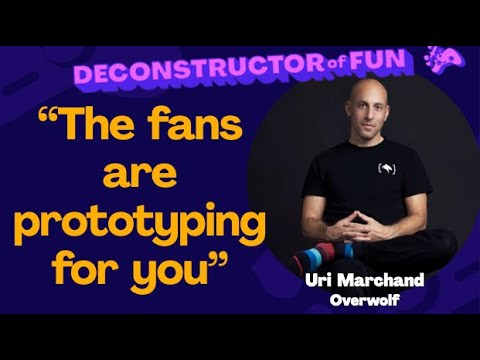
The Rise of UGC: Uri Marchand, Founder of Overwolf
26 Apr 202345 min video
Transcript
we decided that we're going to focus on doing one thing and one thing only which is building platform and do this in the best way possible we can to be like the best in the world in building a platform for third-party creators around games and through that we'd be able to like really live up to our mission which is to empower gaming to empower creativity and gaming until about basically adding or solving problems for gamers and in content solving problem for games and all that so we talked with pretty much every investor we could speak with back then and we uh we we got endless amount of no's and I can understand why because we really did not have traction apart from basic attack and these realizations that I've just shared but there was one VC that thought you know what I kind of like the journey I kind of like the fact that you guys bled a lot over the past three and a half years I like the fact that you at least have a thesis on why things fell apart so we're going to invest five million dollars and that was our a round in the VCS marker and this kind of started the Journey of us
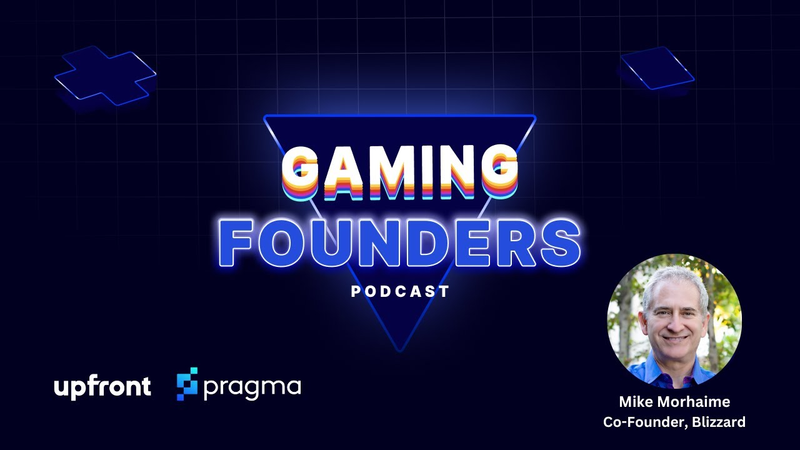
building tough now welcome to the gaming Founders podcast a show where we interview the founders that have shaped the gaming industry I'm Eden Chen the CEO of pragma a back-end game engine founded by engineering leaders that built the platforms for some of the largest live service games like League Legends fortnite Destiny 2 and plants for zombies 2. pragma power services like accounts matchmaking and player data for the world's most ambitious live service games and I'm Kevin Zane partner at upfront Ventures we're a venture capital firm based in LA and San Francisco I lead game Investments both in studios as well as the pick and shovel tools that power game developers and content creators to do their best work including pragma we interview Founders on their origin Stories the tactics that help them survive and thrive and key lessons for anyone interested in building the next generation of leading gaming companies learn more And subscribe today at pragma.gg gaming founders
[Music] today's episode is With Yuri marshan co-founder and CEO of overwolf overall is one of the biggest platforms for creators to build share and monetize mods user generated content and companion apps for their favorite games 13 years in overwolf now supports 98 000 creators building products used by 33 million players a month across all over a thousand supported games however as was most startups the journey was anything but a straight shot we talked with Zuri about the multiple pivots the company went through getting countless no's from investors becoming default Alive by generating Revenue early on and buying other startups to expand the product suite for creators this is a particularly informative episode for creators and Founders alike we hope you enjoy it now on to our conversation with Zuri well welcome to the gaming Founders podcast series really excited to have you here it's actually been a while
since you and I have chatted I think you and Eden have chatted more recently and maybe that's a that's a good place to start because I started Adventure 10 years ago and you started your company a little bit before that so love to hear a little bit how you guys got into starting overwolf how did you find your co-founders give us the origin story so basically I've been playing games ever since I was uh very young probably around about six which is late nowadays but back then it was quite young to start playing games at some point I got really obsessed with Dune 2 and then Starcraft and then I spent about seven years in the Air Force have done this study computer science and basically open overwolf with uh two University buddies right after we finished studying I think what got us to start the company is this a passion for gaming B understanding some gaps and problem that we were passionate about solving and see probably a lot of naiveness on you know
our capability to with very little funding back then be able to build an interesting company so I think uh that naiveness slash uh you know not really knowing how hard it's going to be with our passion and with the fact that we have with the fact that we thought we had some great ideas is kind of what got us started so you mentioned you have some problems that you wanted to solve as a gamer what were sort of first and foremost in your mind so back then we used for voice of RP we used uh Skype and yeah I know there was Ventrilo and Mumble and TeamSpeak was getting going but we'll Skype and for us it kind of worked but just the experience was bad because like if you're playing a game back then you don't have your mobile phone we're talking 2010 and someone texts you on Skype because you know they will say something relevant you need to tap out from the game games back then would either freeze or crash trash and those kind of things and if you're talking to someone there's no ability to
play with volume to know who's currently talking like all those basic problems for communication that we experienced back then we thought that it would be a great idea to basically take Skype and bring it into the game experience and this is kind of how we started but back then we wanted to solve a bunch of problems we also wanted the ability to capture gameplay and do it nicely from the game versus other solutions that we felt weren't there and we felt like through solving these problems that we experienced and that other players experience playing other games because for us back then it was Starcraft and world Warcraft we thought that we're going to be able to build a big consumer company find a business model probably around either Media or subscriptions and all that and everything's going to be great so um this is kind of how things started for us real quick on your on your co-founders like who are they and how did you guys divvy up the roles between the three co-founders so Gil and Elon both started computer science with me Gill in kind of my computer science
here and along right behind and basically we had some joint courses that we've done like between the years and um I think this is what got us going you know we started math together I still remember studying to you know really difficult math exams with a lawn kind of really insisting that we're going to do every single exercise and I need to explain every single thing you know I was a bit more like you know if we have an exam let's look at the previous tests of that specific professor and kind of understand all the questions I understand what lies behind those questions and this is how we're going to get 100 in the exam and everything and life's gonna be great but he was very like uh passionate about understanding everything to the point that some sometimes I was like oh man but I really appreciate that quality with him and I think it's kind of complementary in that sense so anyways it was basically uh University buddies uh Gil and Elon and and you know we started the company when we had time to focus on it it sounded like you guys started with the the kind
of voice over IP and some other things when did you guys figure out here's what we want to focus on or when did you guys pivot like what were some of those key inflection points we started working full-time and around May of 2010 and back then we felt like we need to have a critical mass of features before we launch so it's not going to be just Skype it's going to be capture as well and it's going to be an in-game browser for tutorials if this is what's interesting for you in a bunch of other use cases so it took us quite a while to be able to execute on these features and because we had I think too much on our plate quality was not there so we really struggle to get something that wasn't crashing all the time or having performance issues and all that and that was hard because back then we were a team of probably around six and um just doing that was too difficult but then we start are running out of money our first fundraise was just as we started the company was uh you'll see vardy he's a big angel investor in Israel and he had
like a deal in which he would invest a hundred thousand dollars in boilerplate investment agreements that are not changeable and we basically thought back then you know it's an amazing deal it's going to be I remember in our former p l it's going to be like 50k to like build a product and everything and then we're going to launch start monetizing and life is going to be good couldn't have been more wrong but anyways you know money started running out and um y'all see did see that you know we're very focused on execution and we had some successes and some good feedback that we received from other companies uh to which we've presented our products the product was still not out there in the market it's just like you know there's traction There's real traction which means that consumers are using your product and there's like strategic traction which is basically you speak with a bunch of managers and big companies and they're saying you're doing something interesting but really nobody knows if it's really interesting you know what I mean so we got a bit more money so something like I think uh
250 000 total but then as we went into 2011 you know that money starts run out so we aimed at launching in July because we just had to get something out there it was not ready but we had to get something out there and at that point I think things uh started to get more interesting because we did get a lot of attention we got an email from blizzard animals from Microsoft people wanted to talk with us they even flew us over their to their offices to have some meetings and conversations and as young entrepreneurs that got us really really confused and your question was when do you guys figure out that this is not the right strategy that was not that point because at that point we were just drunk from drinking all Kool-Aid and from all the feedback that we got right after launch and even though we had zero understanding to the level of complexity it's going to take to actually build a company from this thing and you know I remember we didn't have even have proper engagement analytics we just had download counters back then so we couldn't even say like we don't
even know you know what's really happening for the product and maybe just give us a sense of scale that or that those early days was like how many users are we talking roughly that got all this attention from you know larger companies very early so what we've done back then we thought that a smart go to market strategy is going to be to reach out to Publishers both game developers and web Publishers and to offer them a co-branded version of a wolf that's going to be custom for their needs so that they can kind of distribute it for example there's a website mmorpg.com we used it in the past and we thought that'd be cool to bring news and articles and the kind of things that we were reading on the website to Gamers so we created the MMORPG client or the MMORPG co-branded clients so you know it's an overalls product it's called like the MMORPG companion powered by overwolf and we had like 35 different versions of this that those folks ended
up putting on their websites and distributing which was for us a first experiment in getting like real consumer feedback so the folks from blizzard actually discovered it on MMORPG because they've done an article when we launched ah okay in terms of numbers it was in the tens of thousands were they paying you for the the client like how did you it was just like a free yeah the goal was the thesis back then was if they're going to have a client and you guys have a website they're going to use the website more and you're monetizing with ads so you're gonna potentially make more money real monetize we're not sure exactly how currently but we're not really focused on that we're focused on getting traction and feedback and all that and so that was the value exchange and like that we had a deal with wargaming that we were really excited about also before launch you know back then we're talking early Facebook days right so everyone thought about well you know social gaming was starting and they wanted to have presence in the social world and so through us we were able to
give it to them so you know one of the things that we built was a Facebook app that allows you to share your screenshots highlights give you your news feed like a bunch of ideas that don't sound extremely smart when I think about it in retrospective but back then sounded like it's a good idea and it touched on a need that they had they definitely had to figure out what they're going to do with Facebook so for a game like World of Tanks that was actually you know pretty good idea so um you know we had we had to deal with them that was quite similar as well and I do have like a ton of details I can put on some of the things we've done back then and some of the things that we tried but to your question like what got us to understand that where this is the wrong strategy you know we found ourselves after having raised 940 000 in uh the summer of 2013 with no money in the bank for a third time and I'm not very proud of that but this was the reality back then and basically none of the strategies that we pursued back then resulted in any sort of meaningful traction and meaningful retention uh you
know consumers really coming back day in day out because the products it was just not there so this is when we realized well we really need to stop whatever we're doing we were about 10 people back then and they hard on what's going to be the strategy what we thought worked for us is that a lot of people wanted a bunch of use cases you know even built a touch controller for Windows tablets weather attack at some point that's a whole different story but we felt like there are a bunch of use cases for features around games that game developers are never going to build not just on the mining side but also on the app side which is mostly what we've done back then so that was like one piece of good news the other thing we understood is that as a single company there's no way we're going to be able to solve all these problems ourselves at high quality there are so many different use cases and so many different features and there are so many ideas so there's no way that a single team single company is going to be able to solve all of that and do it at high quality which back
then we thought we can do everything but you know again we could not have been more wrong and so at that point we decided that we're going to focus on doing one thing and one thing only which is building platform and do this in the best way possible we can to be like the best in the world in building a platform for third-party creators around games and through that we'd be able to like really live up to our mission which is to empower gaming to empower creativity in gaming and to allow basically adding or solving problems for gamers and in content solving problems for games and all that so we talked with pretty much every investor we could speak with back then and we uh we we got endless amount of no's and I can understand why because we we really did not have traction apart from basic attacking these realizations that I've just shared but there was one VC that thought you know what I kind of like the journey I kind of liked the fact that you guys bled a lot over the past three and a half years I like the fact that you at least have a thesis on why things fell apart so we're going to
invest five million dollars and that was our a round in the VCS marker and this kind of started the Journey of us building platform so to your question that was a long answer it's a short question but that that was the point in which we like really really stopped and just committed to building tools five million dollars in 2013 was not like a small like it wasn't a small check either I mean Kevin would you have uh would you have done that deal what did they call them back then mango seeds yeah that is a very large I mean I know that right now it's uh yeah actually maybe things change now um but like a year ago that I was like pre-seeing or something but um yeah but I think to your point most companies you know so much of of startups is really wanting to see how the team gels and whether they can iterate quickly and you guys you guys certainly did that was I mean three and a half years on a million dollars that's it might get you guys for building Israel it's a little bit lower cost to build there versus let's say in the US
but still that's an incredible amount of resilience which um that counts for a lot in entrepreneurship Journey yeah I mean we're very committed there was no way we were going to fail and and so you know if we didn't have money we took minimum wage and had a very humble hot fists we for which we've done the cleaning um I still show this for when we're doing onboarding to new team members uh we have this presentation which we're kind of going through company history and core values and all those things so I'm sharing the we had like a checklist and who's responsible for cleaning and which day and you had to like check a bunch of boxes to make sure the office doesn't kind of turn into a mess but yeah I mean those were really fun days on one hand like very scary because nothing was certain but on the other hand like we were constantly working and creating and collaborating so those were interesting times so I guess you raised the five million dollar check and then it's there's a pretty major pivot to sort of this this platform like how long did it take
before you went from where you were to launching the I guess where you are today in a lot of ways so first third third party apps on the platform period in 2015. so it took us about a year to even develop something that is worthy of other people using because there's a huge difference between having everything internal to externalizing you know the different capabilities that we have back then it was natural reveal that webtech is going to be performant enough on the desktop so we've done a gazillion experience experiments and we've switched from having native code do the overlay stuff to working with webtech there were a lot of unknowns and we basically had to kind of carve that path to where we are today so 2015 is when we started having apps and back then it was very difficult bringing on third-party developers because they were like you know why would we even work with you who are you guys you don't even have traction so only in cases in which our texts all the major issue for the
Creator this is kind of how we got initial attraction we started helping third party creators monetize in 2016 back then it's like maybe half a million dollars and then from that point we continuously iterated on more greater tools uh more ways for creators to build the content that they want monetize the content that they want so they have a good reason to stay and this has been pretty much a strategy up until today and this is what we're going to also you know do in the future how did you pinpoint the problems that those creators have because the product development process was really interesting for me and I think for a lot of people um did you have a group of people you were interviewing how did you figure I'd like identify there's still probably lots of problems that you could have solved even for them like how did you decide like these are the top problems that we're gonna tackle yeah and it differs by game too and platform right oh yeah I think we started with um making smart assumptions based on the history of the track record that we've had as creators because we started as Creator so we knew what the problems
were like you know you need to have an installer obviously you want that installer to be customized to your app specifically uh you want your app to be performant you want to build it fast you won't be able to deploy it in phases not you know from zero to 100 on a single patch but you want to just test it on five percent of your players so a lot of that was uh just us making assumptions based on our experience and then it was uh getting requests uh prioritizing them based on impact and uh getting them done back then it was mostly conversations I was doing all of them so you know back then it was just me doing developer relations and Business Development both to kind of bring the accounts in but also to speak with them every once in a while uh learn about what we're doing that is that they're not happy with this is also how it's very easy for us to understand that monetization is really really critical because you know we because of our background and how we thought about for example apps and mods and all those things and Steam Workshop
people back then created a lot of content and um that was all free so our assumption back then is that they're just going to create because they love building and we'd be able to find some other ways to monetize it's like thinking about twitch as a streaming platform for which people just stream and don't make a dime just for the fun of streaming and then twitch can monetize without or subscriptions whatever else they want to monetize with but because I was doing double back then I understood that for some creators if they're not going to make money they're not going to continue Twitter rate or they may not even come and join the platform or team up with us right so I think to your question it's mostly being very kind of attentive to their needs and prioritizing based on that what was maybe it'd be useful for the audience just set the landscape a little bit you know how many of these passionate app creators were there at the time if they wanted to get something out to their audience for you know for that game they loved how would they have done it before before working with overwolf so back
then there weren't a lot of options to build an app you had to kind of build it natively I can't remember the name of the framework but there was a this UI framework that TeamSpeak was built on and this was one framework right today everyone's building on an electron but that electron wasn't even a thing so it was you know you you had to build it your own with either native code it was called QT the the frame was called QT so QT was one of the Frameworks there were others but this was kind of the other option one of our kind of innovation points back then is that a lot of gaming websites for example Hearth Arena Hearth arena is like for Hearthstone players and it helps you draft your Arena and not so relevant these days but was very relevant in the past and one of the first successful apps on overwolf the user experience for Hearth Arena was quite broken because as you're drafting you see which cards you're getting and you need to pick the right card for your deck so you had to manually enter the name of the card in their deck builder so like you know tab about many random
name the cards tab back in after you get the recommendation pick the right card so on and so forth for 30 times really boring and not fun but with overwolf we were able to identify which cards are on the screen with uh OCR image recognition those kind of things and then do an overlay that gives you a recommendation so that whole deck building experience is way faster and for the developer he was able to build this in webtech so he's you know a website owner single developer full stock developer he was able to do this because we provided a framework that was based on chromium that allowed him to to do that so I think this is one good example when did you guys know that you had I guess something like in terms of it was it a user account or was it one app that like did really really well and all of a sudden there were lots of end players that were using overwolf because of that one user like what what would that inflection point look like so I think um 2015 the launch of Lawless it's enough for League of Legends yep that was
basically the first step for uh League of Legends and it helped with uh like scouting so you know you know you're up against which runes they had like a bunch of things that were relevant for back in days for folks playing League you know it was either that or all these websites like lulking back then OPG first stats but nobody really had a client and I remember telling my wife that it was launch day and um I told her look if this works and we'll see good numbers and good retention numbers specifically then things are going to be all right it doesn't mean that things are going to fall apart if this doesn't work because we've been in this path so long and things didn't work for us so many times but I really want this thing to work now because you know it took us like five years to kind of get to this point so it better work because like it should work and and we're playing League now so there's only you know I think uh I retired from Starcraft 2 when was that at some point I moved to league so that that is maybe also the reason why our
first sort of successful app you know was for league and so like I think that this is when we saw the user numbers and when we saw uh players coming back and we saw like really really good retention numbers we understood that you know there's something here and uh you know right on that's it right away by user you mean end user or do you mean uh like the creators or the creators of the mods oh I I mean sorry the third party creators were able to build a high quality app I wanted to see that retention is going to be there for their app and I knew that if you know this use case would work really well here I felt like you know it could be replicated for additional games for League other games uh and then we'd be able to move on to mods and some of the things that we've done later and so you had that really successful League app was advertising sort of the plan to monetize all along or did that come about because hey now we have a big enough user base that we can actually advertise to try to make money I think advertising was always somewhere in there at uh one way that we
thought we're going to be able to monetize back then since uh we didn't know much about the advertising world and we didn't have any programmatic support So scaling was a challenge we actually thought about creating alliances between apps and Esports teams so that they can use these apps as real estate for brand exposure that they can then measure with Impressions and those kind of things and we thought that you know that strategy is going to scale and it did work for us with some teams but it wasn't very scalable once we saw how impactful the revenue is for creators we understood that we need a scalable strategy so we kind of started exploring the programmatic world for a lot of folks it sounds trivial but you know a lot of websites so if they want to monetize they'll probably work with a a Google product to monetize their website I mean right now the ecosystem is so big so they may use other products but back then that was the default the problem we had back then is that Google edx was not allowed on desktop apps so you had to build a parallel stack outside of the
Google ads ecosystem I mean you can use their tools but you cannot serve their ads so we had to work really really hard on integrating with right now probably like 60 different exchange Partners in different parts of the world to be able to serve ads at scale and we're still by the way trying to figure out figure this thing out with Google like I know it might be a journey but right now you know their ads are allowed on traditional websites or mobile apps I think desktop should come you know there are companies like Spotify that wanted to do this like us there are others you know Google released the Google Play for desktop recently so maybe at some point there's a way for us to also serve Google ads at some point but right now we we can and we don't Switching gears a tiny bit you've made some some Acquisitions uh in the past I guess maybe let's start with the the curse Forge one or how how did that come about I mean obviously the it sounds like you guys had a vision for mods already to
some extent but how did those conversations start give us some of that background we wanted to integrate mods in overwolf right after our pivot and when we've done our a round so you know mid-2013 when we understand that you know it's not gonna be us building all those things and we want to serve all greater categories Etc and um you know I even remember writing a piece for games industry that Biz back in 2014 that talks about how I think or how we think in overwolf the games industry should look at creators by the way fast forward 2022 a lot of game developers are now thinking in a much more embracing way towards creators for example what we've recently done with the Sims and you know back then it was arm's length kind of thing the folks at ride games were amazing on how they thought about creators and the ecosystem building content but you know a lot of game developers were like uh you know stay out of my game I don't want you to develop anything related to my game so we're pleased that now this has changed because it can be done in a safe
way that adds value to to game developers and so this is kind of when things originated however because of our bleeding around uh you know defocusing and and you know those kind of things we've done nothing mod related probably until end of 2018 or 2019 I can't remember exactly which date then we started building our modding strategy and after we started this journey of building a remodeling strategy and started doing actual development uh hired a bunch of people that person that we back then hired to kind of lead that effort um had a conversations with the twitch folks I think he reached out just for like uh exploration kind of conversation around you know what's currently happening with curse Forge and where do they want to take the product and and you know for them it's like oh interesting we're looking for a new home for her Sports and uh you know one thing that's another they've done this bidding process across a couple companies we end up winning I think because back then the twitch folks felt that we have a good
kind of comprehensive Vision to our words what we want to do with it and a strong commitment that is aligned with their values and so this way they decided to let us have curse words back then was there ever uh announced price for that or was that Under Wraps no it's under NDA like I sure wish I could share with you the price public thing but you know Amazon ndas I don't wanna yeah I'm not supposed to yeah I don't want anyone coming after us I I I can definitely like share the um they've been amazing in the sense that their goal was to find a new home and to make sure that new home serves the community the way it should and so they weren't just trying to optimize the price right they were trying to optimize the sustainability of of course Forge maybe you can share a little bit you know at that time kind of what was the size and scale of overwolf versus curse Forge I mean with venture-backed startups it's you know unlike in private Equity where a lot of times the strategy can be go roll up and
buy a bunch of related companies very quickly and try to sell the whole thing or hopefully you get you know one plus one equals three inventure a lot more of the emphasis is about you know building organically you having sort of the right vision and the right team to really execute and outpace other people so it's not a not a trivial decision to buy something else kind of what was the setup at that time and what made you guys feel comfortable that when you should do that and two you can you know absorb Chris Forge and and turn that into something much more meaningful so I think curse words back then had the biggest uh it still does Minecraft and World of Warcraft modern communities and a bunch of Longfield communities that weren't really active and we've been focused on building the tech that now operates curse Forge in the background and so our decision was between taking kind of the asset migrating the tech or using some of it still went and migrating some of it you know to kind of
the things that we built anyway so we felt like it's so aligned with what we're where we want to get to it's really a shortcut for go to market compared to you know adding something completely new to the business it's like going back to the perspective that you mentioned of you know build versus buying organic growth versus Acquisitions in this case we kind of already had that strategy in place we already started development and had you know development related that was completed to be able to serve bonds and those kind of things so it was like a natural move by the way we wanted to kind of start everything from subscribe revamp you know new website and all that and just like two weeks ago probably I think we're almost like like a year and a half since the announcement or something like that probably more than that I need to round about two years it took us about two years to develop a new website it's ridiculous like uh it had so much uh Legacy and spaghetti code and a bunch of things that we had to uh you know at some point I can tell you like we had a massive downtime in cursed Forge like 10 hours I think and it was like all hands
on deck trying to figure this out the reason was we've added a new game to the feature there's like a list of like featured mods or games on Chris Forge we added like a new slot over there and this function got into an endless loop so whenever we would turn on the website everything kind of crashed and froze so this is how difficult it is sometimes getting an asset and understanding how everything works there I remember those first days is like brutal were there team members like joined from curse or was it mostly the technology then no it was mostly the technology and really the like the creators in the community as well as the domains and the trademarks and all those things but it was mostly the technology yeah they did not want the team to leave they wanted the team to stay on Twitch okay yeah that makes sense I guess one question I had is that there was I guess five-year or so Gap at least from just looking at it from the series a which would what 2013 you said right until what was it five years until until you raised the next round yeah I
can tell you about that and uh Kevin can tell you about that as well I was looking at our email exchange from 2016 where I was like begging for people to invest a little bit more because it's going really well so yeah um back then the 5 million we've grown the team to about 30 raise our salaries from minimum wage to something a little bit more reasonable and um before doing our B round which is the round that um Intel LED we've done like a bridge and uh for that bridge we found a strategic investor that wanted to invest a million and a half we had to find a financial investor to match that and this is I think where I met Kevin for the first time and we ended up not finding that Financial investor so you know it was uh our previous font so marker that ended up putting an additional million half as well as a strategic investor that was kind of new on the cad table and this is what got us to the position of being able to actually raise the B around so this probably explains again yeah okay that
makes that makes sense so so effectively you guys were sort of like how did you guys decide I guess how fast to grow the team and I mean I think the triangulation for me as a Founder is always like I have money in the bank I have my burn and then I have like growth and I can hire more people and take on more burn and and then I can grow the company faster but I have to also take into account like how much money I have in the bank and how much burned and and it's always like a trade-off right how did you even decide what to do there considering experience and the fact that we did get to a point where we didn't have any money and those were bad days we were like sort of thinking about this as a bootstrap startup would think about recruiting and I don't know maybe it's the wrong way to think about this as a founder or an entrepreneur but this is back then how we felt about things we we wanted to have a very concrete plan to not be in a position where we'd ever
need to raise any more funding and this is true starting the a round so when we've done this additional funding round in terms of uh headcount and all those things it was basically p l driven and trying to understand where uh you know revenue is going to meet expenses you know and then kind of go from there we ended up reaching uh like cash flow break-even point for the first time before covet like a year or two before covid that got us to kind of this place of all right you know this could actually be very sustainable and you know we're comfortable at that point we've raised our our B around sorry to allow us to scale faster but at that point we've also done it very responsive way and then we've done our most recent rounds CND that we're done you know right after covet basically we basically still haven't spent that cash so because the company is where it is right now and it's generating Revenue we didn't have to spend that cash we're looking to spend and we're looking to invest but we didn't really need to touch it was there
pressure I guess though because I feel like it's sort of non-traditional from a venture standpoint to sort of like go for that break even and I've where they're outside investors for example like maybe you're the people on your cap table saying you guys need to you know grow faster whereas you as a Founder were saying like I'm more interested and obviously like the sustainability or or just making sure that there's viability to the company Long Term yeah I know I'm happy to grow fast and as fast as you know I just want it to be good fast growth and not bad and toxic fast growth and we're talking at a period of time where a lot of companies need to let a lot of folks go and specifically in our neighborhood in in Tel Aviv there were a lot of companies that raised a bunch of money in the past two years they're letting hundreds of people go and I think this is a because the economical environment and things that's changed but also because I guess some of that growth was maybe premature for where the company was it's it's really hard to
scale businesses we're seeing it we've basically doubled from 70 to 140 probably in the past like year or so and you know we're still trying to make everything work and our processes and like all those things it's like it's very difficult so you can imagine how difficult it is to grow the company from say I don't know 100 to 500 over a year sounds like super challenging to me and unless it's like a huge sales team and a huge support team which I I can understand how you can scale massively you know you know how hard it is to scale product teams you know R B Teams like this is hard so did we get pressure I think we we set expectations the right way with our investor we said look this is a long-term play as a comparison if you look at epic games you know they've been building unreal for almost three decades I think and if you looked at their P L's from the Apple versus epic uh trial that happened you know you can see that the unreal business kind of reaches some sort of a glass ceiling at like 100 million error which you know growth VCS would say oh this is not such
an interesting business but look at what it turned into with diversification what they're doing now building epic online services Etc and so I think some companies especially platform companies if you look at ROBLOX right at the beginning nobody wanted to invest in Roblox now they're about 18 years in but they started getting Mass attraction like 12 years in because platforms are hard and I told them look we're a platform business so you know things are going to take time so did we get pressure um I mean we definitely like um folks you know constantly encourage us to look at opportunities and to make smart you know decisions on how we can grow faster and but we need to be very kind of thoughtful uh you know before doing things and you know most recently because of everything that happened people actually were like oh you know maybe we shouldn't be doing that many Investments and you know it's good to have a lot of cash in these periods and nobody knows how long it's going to be before uh the environment is going to change so a year ago yeah we got a bit of pressure but we we have set expectations right away I think most recently it's like folks are more calm maybe going back to kind of you and your co-founders and and you know having
three four more employees versus now you're 140 people plus obviously it's a very different type of company different type of team I'm sure your role and your co-founders roles have changed over time I'm curious kind of what are some of the biggest lessons you know you guys learn as as leaders of the company and sort of where to push and grow yourselves where to sort of bring out other people I think that's at each stage of growth that's something that every founder you know has to go through and it's not easy so any lessons you're willing to share on that front would be super helpful to the audience so I think you know building new products uh teams of like 10 15 for me that's a perfect size maybe I'm wrong but for me that's the perfect size because there are no communication issues we all sit pretty much in the same room and we constantly talk and ideate and we can move fast and innovate and all those things and for me building new products that's that's perfect but once you you kind of reach product Market fit and you go through this uh stage of try and figure out unit economics and you kind of need to scale you need to have some that kind of
understands marketing and go to market uh someone that kind of understands modernization and then communication is still relatively easy when you're about like 30 but it's sort of starting to get complicated and then when you get to the 60 70 range you just have to have clear culture clear core values and clear simple processes or how you're running the business you know scorecard you know ideally have a number for pretty much every single person company have a North star which is the number that we're all trying to push up together have Clarity on what we're going in next 90 days and in contact from there um one of the things that I learned having spent you know a little bit over seven years I was an officer in the Air Force and all those things I kind of thought that you can plan long term in startups so I was kind of passionate about having a one-year plan so you know we know how the next year is going to look like but I think for Innovative companies and for dynamic environments this proved to be a sort of a waste of time because you know you start with one thing and then
something happened in April that turns the whole thing upside down and you've really wasted time presenting the plan debating the plan making changes getting feedback from everybody I recently had one of our team members reach out to me and say hey let's do a one-year plan and um and I said well we're not going to do that exactly we have this thing called the VTO Vision traction organizer by the way tracks an amazing book would recommend it for everybody it's like the operating system that helped me run the business so we have our 10-year Target we have our three-year picture whether we want to see the company at the end of 25 we have our high level one-year plan but it's a very high level it's not like a detailed execution plan like we had back in the Air Force and then we have very detailed plans for our next 90 days and and now we work in 90 day cycles so I would say you know first stage it's great to have a small team we don't really need to have a lot of process and all those things just focus Innovation and that needs to switch to Union economics and scale this is where you kind of you need to set your culture core values focus on uh Mills management
otherwise you just bring in a bunch of new people you dilute the culture and then you're busy with people problems instead of busy being busy building products and things like uh EOS uh you know the video that I mentioned and everything that traction the book talks about just helps keep the organization in line and people focused on with their eyes and ball and you know you work like a like a machine with with a single goal in mind and no you know communication issues and this is this is exactly the process that I'm investing my time in so I think to a question about where I'm spending my time back in the day I've done Business Development developer relations and product that was most of what I did now I think I I do a bit of that so I still have an account that I'm the devrel for I still do this Dev but I do a lot of communication and things around processes and trying to simplify simplify simplify with film that we do I mean Yuri maybe to wrap up you know you mentioned the three year ago for 25 to 10 year ago like what what's next for for overwolf the way we think about the
future is that we're tools and services company for third-party creators around games so if Unity is an engine that helps you build a game or unreal then we're an engine in a service that help you the game developer have a successful Creator Community around your game so that you don't have to constantly worry about building the new content and you know releasing the new season and the new patch there was actually an army of passion creators that is working with you creating content for your players and maybe even making a living both for themselves and for you the game developer so this is what we're extremely passionate about or doing and you know this is what I want to do until I retire so if we made someone in the future and you ask me you know what's next for you guys you know this is probably going to be it we're just going to continuously iterate on adding more tools and services to empower Union creators thanks again Yuri wonderful to have you on our show and and thank you for sharing all those lessons thanks a lot Kevin thanks Eden foreign
foreign
Auto-generated captions from YouTube — names and numbers may be misheard.
Key insights
Distilling the key insights…
Ask AI about this video
Cite this video
Citation
Generating citation…







Comments