1 free read left. Create a free account for unlimited reading + AI research.
Create free account
The Continued Rise of Hypercasual in the East & How to Break Your Game into the Chinese Market
Key insights
6 takeaways- 01Hypercasual games are the fastest-growing segment in China, leading at least 72% of total game sessions by the end of 2020.
- 02China's mobile gaming market reached $29 billion in 2020, representing a 30% year-over-year growth and accounting for approximately 25% of the global mobile games market.
- 03Ad network inventory in China is expanding rapidly, with one leading platform, Integral, reporting a 30% increase in advertiser growth and a 15% increase in publisher app usage in Q2 2021 compared to Q1.
- 04The Chinese market is highly fragmented compared to the West, requiring navigation of numerous local app stores rather than relying on a dominant duopoly like the Apple App Store and Google Play.
- 05Foreign developers face significant legal barriers to entry, specifically the requirement for an ISBN certificate, which can take three to six months to obtain and is notably more difficult for non-domestic entities to secure.
- 06Successful entry into the Chinese market requires deep localization beyond language, such as adding layered mechanics, haptic effects, and progression systems like the 'rocket and shield' tools or challenge modes used to boost engagement in the game Tofu.
Ask AI about this video
Transcript
now we are transitioning over into our east meets west part of the talks in this track i told you this would be a hybrid of looking at britain but also looking at east meets west and we are joined now by marco from joypack who's going to be talking about the hyper casual phenomenon in china hi marco how are you on mute which is a normal for zoom there we go how are you very well thank you very good morning to you you too where are you coming at us is it morning where you are it is morning where i am it's i'm in london at the moment oh you're in london as well oh well yeah thank you for joining us this morning and uh yeah we're looking forward to this talk i won't take up too much of your time i'll let you get started now though obviously we'll love the full time but while you get yourself set up sharing slides all that sort of stuff i do want to remind everyone i hear that yes like you can see in the picture that katie's changed we're now onto the east meets west so as i said this is going to be looking at
china the hyper casual phenomenon and how to break into that market um but also you're probably going to have some questions for marco so make sure to i'll clear the q a in a moment make sure to throw your questions into the q a um and i'll come back at the end and go through some questions with marco and also make use of the chat and make use of the uh live captioning the uh subtitles anyway marco over screen i'll let you get on i'll drift off into the background but i'll be back at the end and we'll go through some questions from the audience cool thanks sophia good morning everyone uh great to be here um so what i thought i'd do today is um talk a little bit about some of the market trains that have been happening in china as of late particularly surrounding the hyper casual sector i think there's been a number of different talks about how to enter the market some of the constraints and entering the market which is all very interesting but there's been a few kind of interesting trends that have happened in the past year um that's made it a lot more interesting
for anybody who's looking to maybe break a hyper-casual game in this market um so i'm going to be covering a little bit about the market and also how a little bit out hyper casual divis out there i'll discuss briefly about the the the dynamics of the app stores which is very different out in the west also some market constraints and also as a final pro emphasis uh maybe why you should maybe consider joypack to help you if you have a potential game that you'd like to pour out into china um so a little bit about me my name is marco i'm one of the senior publisher managers in the western publisher team at joy pack i yeah this is my seventh year in the gaming industry i'm a gamer for and through i grew up playing a lot of console games particularly the n64 and the playstation 2. probably showing my age but um if you've also been around in the industry you may may have seen me working for some of these companies that have surfaced on this slide here i used to be a part of the um the facebook instant games team back in the
day and prior to joypack i was uh working on building out the game distribution product in something a little bit different in gaming i was in the html5 space but i joined joypack about four months ago and yeah very happy to be there and this is the company i work for joypack we're a hyper casual publisher we just publish uh hyper casual games that's our specialty that's our niche um we actually originally started out um just in the chinese market but now we're we're pretty much global we have offices in in beijing and copenhagen and we have a um a remote team throughout asia and europe i might buy myself a base in london and we have colleagues based in turkey the netherlands uh also in germany um and we do we've been doing we've been having some um some sex some successes for sure i mean my mandate as a publisher is essentially to cast
developer ideas into into market hits we have a fairly different approach on working with hyper casual developers rather than working on a game by game basis we have a program called hyper fuel where we actually work quite closely with studios so we try and work on building out studio hits as opposed to game heads and we've had some some really good successes down the past year so we're now topping just over 150 million downloads we've had over 10 games in the top 50 charts um and yeah i hit bases as we expect it's going to continue to grow through through this year as well but back to the um the chinese market uh generally it's um it's massive uh in short and and to put that into perspective um it's a 25 billion dollar mobile gaming market and china is now worth about 25 of the world's mobile games market and has continued to rising
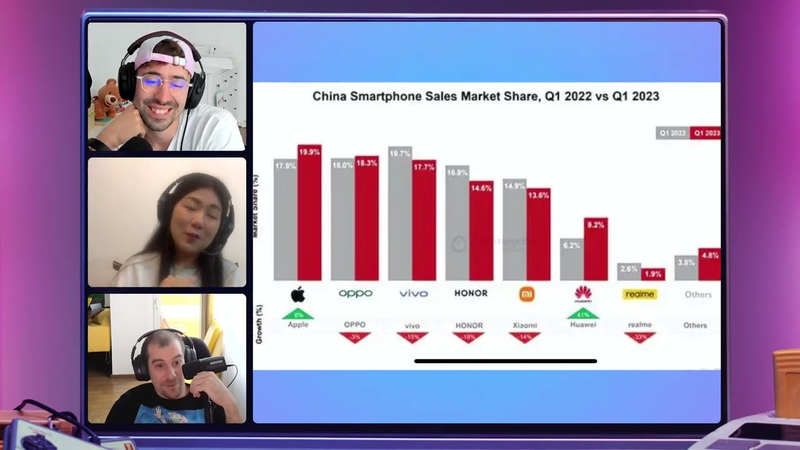
and to put that into a contextual um understanding in the u.s mobile games amounted to about 18 billion um after experiencing a growth of um just under 20 during the the pandemic stricken year of 2020 and in 2021 revenue from mobile games is projected to increase a further 12 in the us and and almost double in china and so it's by far the number one uh biggest mobile gaming market in the world um there's over there's close to now of uh 200 million ios users that's approximately just over 20 of the market share in china um there are yeah like to put that also into perspective that's about double of the number of ios users that are currently in the us um of the remaining is is android and there's over a half a billion of them um and the two leading uh um handset providers for for those is um huawei and samsung which cover about
just over fifty percent of that market and uh hyper casual games is by far the fast has been the fastest growing segment uh in the past year um they weren't that popular in china compared with the the us market um but the chinese top charts um were essentially mostly filled with mid-core and role-playing games but lately we've seen a lot more hyper-casual games climbing to the top charts and and it's the fastest growing game category in the mobile gaming market today by far and if we talk about some of the factors that contributed to that growth um you know there isn't one kind of nodal point um that stimulated uh the hyper casual interest uh in china there's been a number of different factors i mean first and foremost there was um i don't know if you guys remember i mean it wasn't quite a while back but there was a great the great kind of licensing freeze that kind of slowed down the overall chinese game market in 2018 and then starting in march of that year games could not be approved for release in china and to make things even more difficult
um you know the ministry of education issued a lot of recommendations to reduce playtime teenagers and things like that there was a lot of kind of concerns about game addictions and things of that nature but that had been lifted about just over 18 months ago and more games were starting to uh to come into the fray in the chinese market and what we actually saw initially was um a big kind of growth in the mid core gaming category was much of the rapid growth of the chinese market in previous years was driven by overseas publishers we started to see domestic developers um taking a share of that success and the most notable um highlight of this is uh genshin impact um which launched on i believe was september 2020 and became the world's most profitable mobile game in the space of about just just under a month um by a developer called mohi ho so um we started to see um
yeah a lot of big domestic developer successes and what that meant is actually quite close parallel to how things went in the west with the hyper casual group what mid core games um allows the hyper catcher or johnny do it gives a more kind of availability and space for these games to advertise with these games there's a lot more inventory now from from games um for these games to to surface on i mean uh the other thing was the the kofit 19 uh you know the state home measures in china and also throughout the world um which began in january 2020 um i mean this is a trend that we've seen um pretty much in every market uh globally but in china in china consumers were spending about 30 more time on their mobile phones daily compared to the daily average in 2019 um and yeah and that's that's a very substantial amount so and just to snowball through all this there's been um a number of kind of east to west
investments um you know we've seen kind of investments from 10 cent making moves into the capital space we've seen also other hyper casual publishers opening offices out in out in china as well so we've seen the significant kind of actual corporate uh financial investments into the market from from players in the west and these so with the causes come the effects so um china's domestic mobile game revenue was up just over 30 year and year it was 29 billion dollars in 2020 and that was an increase of 30 which is massive it was actually the highest annual growth rate for china's domestic mobile game revenue since 2017. and towards the end of 2020 it was reported that hyper casual games were leading at least 72 percent of total sessions
played globally and a lot of that was coming from china in fact china was the biggest contributor of that growth um followed by the us and what does it mean for viber casual well hyper casual has grown really fast in china and the appetite for hybrid casual games have surged and probably the number one biggest benefit from the cascade that's come from these uh these massive kind of stimuluses of demand for games uh in the market at this time approximately 25 percent of games in the top 20 and 30 ios in china are hyper casual games and that's doubled year in year if you look on the android side the share is much much higher so people more people are playing hyper casual games than any time uh in history um and the highest increase in downloads viper casual games come from came from china growing nearly four times during the pandemic which is uh which is massive um and the interesting thing is again this kind of parallel with how
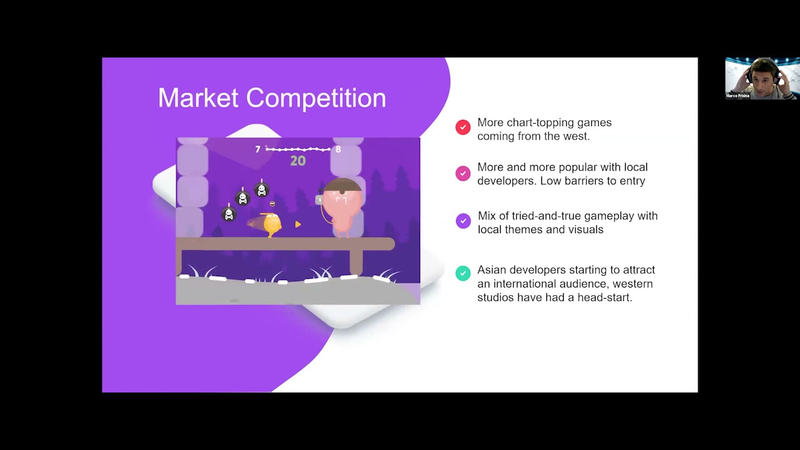
hyper casual kind of springboarded in the west a few years ago there's been a big emergence of midgar games in the market which is really helping the genre to continue its growth trajectory um as i say there's a lot more inventory now available for players to advertise their games across you know the leading ad networks in the market um in fact just off the press one of our sister companies integral which is a leading ad platform based in china uh reported an advertiser growth by just under 30 percent in quarter two compared to q1 and also an increase in fifteen percent in publisher apps utilizing probably utilizing the platforms there's a lot more um demand and supply on the ad networks in the chinese market but with any big stimulus and growth um competitive forces um now come into play so yeah there's more topping games now coming from the west in the china market and um and also it's attracting a lot more local development um it's
starting to come through um in the region of you know some of the low barriers entry of building a hyper hyper casual game you know the low cost quick production times and and now more available outlets of publishing funding in the market as well so it's attracting a lot of local development um within the market um so despite the growth we're now starting to see more players in the space which we will probably see a lot more kind of competitive angles as this year plays out i thought i'd um now segue into some of the game differences it's what we see in some of the kind of um traditional hyper casual games um with some of the domestic partners in in china and one of the questions i always ask our china team is like fundamentally how does uh games uh differ out there um in the east very in the west and the conventional ones i get back is oh marco you know usually we have
games that's a bit more polished and a bit more um a bit more layered mechanics to it and it's a very very vague answer i get back most of the time but to give some a bit of pragmatism to that answer i've kind of showcased here three examples of what that actually means um and i definitely recommend to go away and have a look at these three games because it does show some some it does give um some some signs of how how these games differ out there in comparison to the west and the starting from the left the first is a really interesting game called master of sword which was published by zed play and what you have this is a really satisfying um kind of sword grinding game which has got these lovely visual kind of haptic effects and immersive sound effects um and what i would what i would kind of speculate is that if this game was out in the west it would just be that it would just be this kind of grinding game where you just kind of tasked molding together these swords but it's actually got a few layers on top of it on top of the
grinding you have um you're then tasked to actually cut cut certain segments of of of items and you actually have a lot of item unlocking which adds kind of like a number of different kind of components of the game as well um the one in the middle there that you see is a game called violent speed it's from a developer called games lion and it's kind of like a car themed infinite runner game with and it's got like a kind of stampede rodeo undertone to it and what you notice by this game is that there's a lot of visual feedback um as you kind of progressing down the runway and avoiding cars and um clashing with with enemies as you as you run down the highway um and it's quite striking the other one is um beatblader3d uh published by ammonites uh january this year it's a runner game and what you'll see with this running game is that there's a lot of kind of neon effects and bright kind of contrasting colors um which is actually quite um quite a permanent prominent feature for
games um out there in the east it's a very kind of um attractive art style and if we were to have a look at some of the the games that we're seeing are quite popular from other developers um from the west you'll see that they've incorporated some of these themes so if you look at on the left queen b by by rollick games which i think that time of writing it's about i think it's positioned at 27th in the china ios app store you'll see that um it's kind of like one of those from from just looking from the vigil it's um it looks like a classic kind of beauty war game um that we see out in the west but it's got a few layers to it it's got this really interesting kind of social media mechanic to it which you're then tasked with taking selfies and things of that nature to kind of increase reputation and things like that um in the middle you have um voodoo the translation for that name by voodoo and interestingly they've chosen the
bear there um as the protagonist of that game and i don't think um that is something you would necessarily see in the west and it's an interesting choice there and the last one is hair challenge by rollick games which i believe is currently 43rd in the top 50 in the ios at the moment and you can see there's a very striking prominent kind of neon glow which augments uh kind of the art style to that game as well so we're starting to see um western developers kind of picking up some of the nuances that you see um that are more kind of um to taste in the eastern market so in terms of um entering the market um you know the three kind of um main things you need to consider before you tackle a market like china are these kind of top three buckets like firstly it's channel channel management it's very different landscape to how things are in the west um we can eventually have two app stores that share maybe over 90 of the market in google play and
and the apple app store um but as you look into china the the android landscapes but in particular it's extremely uh fragmented there's over between eight to ten different leading android um app stores um in that market today the second thing to think about is localization um so the previous examples are given you can see that localization is much more than just translation and if you think you're going to walk into china with your existing title and not make any changes um i i'd advise to think again i mean the real key to success there is the ability to adapt your product to local tastes um and that's something that we we do really well at joypack as well and and lastly not least is the regulatory requirements there's quite a few um kind of policy considerations that uh need to be had um not only with um publishing your game in the market but also working with partners certain partners to distribute your game with where some partners only working
with kind of chinese corporate businesses and that's a real constraint as well so starting from the bottom is the the legal challenges so in our in china to publish a game with um with ieps you need a an ispn certificate and this applies to both ios and android um and applying for isp ispn certificate can take anywhere between three to six months it's much harder if you're a foreign developer to apply for a ispn certificate and there's also other local licenses as well for other regions within the market that need to be considered so it really helps working with a partner who's out there in the market and understands that framework and it'll save you a lot of time and hassle um in doing so the other thing is localization so yeah so i mean it's it's everything having a local partner to guide you on how to create advertising um materials is very important so it's not only the
game itself it's also how you advertise the game to the player and tell your story about the game um and also the ad crates have been that mechanism that teaches the players uh how to play the game um but also thinking things like local holidays having the right creative sets for regional holidays like chinese new year those things can be really really effective and and even like small things like changing the characters to match these holidays or modifying content colors or even the apps icons um all these things uh need to be considered and have proven to be um really effective um from the work that we we have seen and done importing games from the west to the east and this is a one of our leading examples of a game we worked with from a studio called osaya the game in question was a tofu girl they had a a hyper casual mobile game that was already a big hit in japan and they wanted to publish the game in
china too and we worked really close with them too to make that happen um it's interesting because despite the geographical proximity the chinese and and japanese gaming markets are very different um and tofu was a very high performing but quintessential japanese game so we worked really really really really closely with with this developer and there was a couple of really two key things that we did to to make to make the the game more kind of applicable for the chinese market one was adding this kind of rocket and shield items mechanics of the game so players had access to extra gameplay tools once they reached the high score and we also had a challenge mode as well where we could have unlocked new kind of tofu gold outfits and game skins by keep completing enough levels in the game and they're two really strong appeals um for chinese players so this was a really big hit for us i mean we managed to generate over
20 million downloads within china for tofu girl back to the channels so as per the west everything is channeled through the app store and that's becoming more consolidated in the ice in in the app store there were we had experienced some issues within china with regards to kind of like jailbroken devices and hacky things like that and these are becoming less and less common these days and pretty much if you want to get the game out on ios and china you need to work with with ios as well um the other side of the coin is the android mica and that's a really really fragmented space there's well over eight stores that cover about 90 of the market and they all have their own nuances with variant sdks that you need to integrate to to have the game published on there so it's a very very busy place and yeah and last but not least um
as a final parenthesis is our sales joypack we are a west east partner and we work with a number of different um developers um for the course of the year um not only developers are also publishers as well in helping to get their games out into china and all we've all lived great great success as well and um yeah if you have a game that you're interested in getting out to market um or would like some advice as to what some of the kind of adjustments or modifications that we would um recommend to your game to get them to get your game to be more suitable for the chinese market don't hesitate to reach out we'll be very happy to help and entertain your your game idea or your current game to get out there and that's a wrap
if you have any questions feel free to to fire away these are all my contact details so if you have any questions on any things i surface on the material or if you would like to maybe even get a copy of some of the some of the article references to some of the data which i surface on there don't hesitate to to reach out to me i'd be more than happy to share it with you ab thank you marco we do have some questions and in the interest of time i'm going to dive in because it was a really fascinating talk and i think people want to try and you know eke out a few more details so um yeah the first question we've got is several hyper-casual publishers are focusing now in building an early relationship with developers how does joypack differentiate themselves from the others in this aspect well we do we do the same thing we work very closely with um with a number of different developers at joypack um as i mentioned earlier in the presentation we have a program called hyper fuel which is a program um
which is where we work very closely uh with developers and not only just building out a hit game but building out a series of hit games and working on games on a prototype basis um but um i think when we're looking at market differentiation i mean we have been we started out in the chinese market um and we've been in that market for a long period of time so we know the market very very well and all the nuances that there are there are associated with that market so i would say that um partnering with someone like joypack you're you're essentially partnering with a depository of knowledge of of a team that really understands what it takes to get a game out there um and to get a success out of that fantastic i'm going to just jump to one of the other questions here because i think it's a really interesting question in your opinion which is easier to adapt a western game to the chinese market or to work with developers who have a chinese market in mind from the start
oh um yeah good question um i don't think there is a preference there because what we're starting to see particularly if you look at the top 50 games three games in china you're starting to see more kind of western themed games uh come in um maybe with a few kind of nuanced uh modifications or adjustments um to make it more kind of palpable for for the eastern market um and that's a trend that's going to continue um through the course of this year um and i think you know when you always think about with hyper casual you're always thinking about the base idea the base idea has to be strong um and then the other kind of layers to it come after so kind of like market about adaptability all those nuances you can consider at least later stage um so my advice would always be to always think about your your core idea of the game first and then think about uh market adaptability uh later when it
comes from china okay great and and and in the spirit of that so anthro if a developer wants to work with hyper casual games in china what are the main trends and design aspects they should keep in mind is there i mean i know that's kind of like the topic of a whole talk but is there any like quick things that you would say like you've just got to think about this for example like one touch control or something like that yeah i mean the the the same kind of um parallels of of how you approach hyper casual as a design in the west it certainly applies to the east um the only considerations i would um highlight of the stages the nuances uh kind of the nuances to the market and making sure you think about those and and it's very difficult for you to anticipate what they are unless you work with a publisher that kind of understands on the ground what those nuances are and what those trends are because those trends also change a very fast pace as it does in the west as it does globally um so what
you know working with a publisher is really key to that so you understand some of the trends in that market as well fantastic we've got two questions left that i think i can i can squeeze in just about um so the penultimate one i've got is is it easier in china for hyper casual games compared to other genres like is it easier if you're wanting to break into china to make a hyper casual game or are there still equal opportunities in other genres do you believe yeah that's it there's two sides of that coin i think um we're seeing a lot more uh room to to distribute your your hyper casual game uh in china um there's a lot more domestic uh developer interest in building hyper casual games um out there in that market um so there's a lot more um angles now to distribute your games uh your hyper casual like game out there particularly what we're seeing in the midcourse stuff because the nickel games are really growing at fast pace out there so
that gives a lot more ad inventory to to advertise your games um and it's probably the the biggest opportunity we've seen on that front um for quite some time um so but in that respect there's always a very kind of dark shadow to that because that essentially lends itself to more kind of competitive thoughts as with um any opportunity that's available you're going to start getting more players in the market which we're going to see through the course of this year so um competition is going to apply and it's going to take into effect so just be mindful that yeah it's going to be a lot more competitive in the next 12 months fantastic and the final question uh which thinks a nice way to end is someone's put how can developers join your program how can they get involved with joypack yeah just um apply on on our website we have um an application form that you can fill out and um yeah just fill that out and one of one of the members members of our team will pick it up and we'll be we'll be in touch and conventionally we
we usually just like to know a little bit about the studio what games projects you've got currently ongoing um also to get a good idea as to what kind of ideas you have in hyper casual um and we kind of ass entertain and entertain whether there's a good fit for you to join the program fantastic well yeah that brings us nice uh night and nice and neatly as i said nicely nice and neat to time so thank you so much marco thank you for sharing that i know it's really hot topic at the moment and you know everyone's obviously considering china as someone who's been there numerous times you know you can see the potential in the market but also how very very different it is to the uh to the rest of the markets in the world so thank you for those insights no worries it's been my pleasure um yeah it's a just a final um parenthesis yeah my schedule's pretty much open this week um um so feel free to to anybody on who's watching this uh talk just to send a meeting request in my schedule and if they have any more
questions i'd be happy to to talk directly with anybody fantastic well there you go everyone you've all got access to the meet to match so uh go find marco and get a meeting booked in cool nice one guys fantastic thank you marco take care sophia ciao you
Summary
China currently stands as the world’s most significant mobile gaming market, valued at $25 billion and representing a quarter of the global industry. Within this landscape, the hypercasual sector has emerged as the fastest-growing segment, fueled by a fourfold increase in downloads during the pandemic and a dominant presence on top iOS charts. This rapid expansion is supported by rising consumer screen time, increased advertising inventory from mid-core titles, and a surge in both domestic development and international investment.
Successfully capturing this audience requires a sophisticated approach that transcends basic translation. Developers must prioritize deep cultural localization, which involves adjusting character aesthetics, color palettes, and thematic elements to align with local preferences. Furthermore, the market demands a strategic navigation of a complex regulatory framework, specifically the acquisition of an ISBN certificate, alongside the technical challenge of distributing content across a highly fragmented ecosystem of eight to ten major Android app stores.
To thrive in this competitive environment, studios should focus on refining a robust core gameplay loop before integrating social features and progression mechanics that resonate with local player expectations. Given the unique barriers to entry, forming partnerships with local experts is essential for managing technical requirements and staying ahead of evolving market trends. While the Chinese market offers unparalleled growth potential, its complexity necessitates a tailored strategy, often requiring specialized publishing support and direct consultation to ensure that game concepts are effectively adapted for regional success.














Comments