1 free read left. Create a free account for unlimited reading + AI research.
Create free account
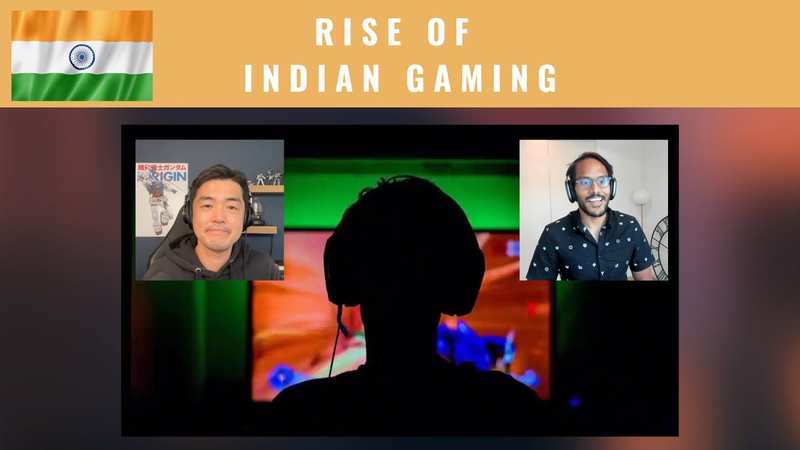
The Rise of the Indian Gaming Market
Key insights
6 takeaways- 01While action and shooter games remain popular, the market maintains a distinct cultural preference for casual, board, and card games, as well as fantasy sports.
- 02The Indian gaming market is projected to grow from a $1.8 billion valuation to $5 billion by 2025, with the player base expanding from 500 million to 700 million.
- 03Investment is diversifying as capital flows from global gaming funds, generalist venture capital, and strategic players like Krafton into the local ecosystem.
- 04To overcome persistent challenges like low average revenue per user and a deficit in specialized expertise, the sector is prioritizing mentorship and deep, genre-specific knowledge.
- 05The industry is shifting from a high-volume, low-effort development model toward a focus on technical mastery and the production of complex, high-quality content.
- 06Indian developers are aiming to mirror the growth trajectories of markets like China, Turkey, and South Korea to evolve from live-ops support roles into a global hub for original game production.
Ask AI about this video
Transcript
hello everyone and welcome today i have with me akash gupta who is the product growth guy that is that right oh gosh yes sir i've been working with a lot of growth now and uh we recently wrote a post uh co-wrote a post we collaborated together on the rise of indian gaming and that will be the focus of today's discussion but before jumping into that i thought we could go a little bit over your background as well akash if you can tell us a little bit more about your history and career sure yeah like many product people started out in engineering and then made the shift over first to a small company in ann arbor michigan and uh then transplanted over to the bay area spent a decade in the bay area and product at places like thredup and
google and most recently um entered the gaming world by working on fortnite at epic games and that's when i got exposed to you and your content i think we traded some tweets at some point and as one of my hobbies just my entire life has been writing and i've had different outlets but recently you've been writing more online and so the rise of the indian gaming market was just a topic that begged to be written about i think and really excited to have written it with you yeah and i know that you are indian american but is there was there anything in particular about the indian gaming industry and i can go into why i'm interested interested in it as well but was there anything specifically that kind of interested you about covering that topic in particular yeah the just tremendous amount of news that's been coming out of the market whether it's you know sponse virat kohli easily like
the most recognizable person to a lot of people who don't follow india even that closely but are just part of the diaspora signing on to a gaming company or so many unicorns being minted it seems like a hotbed for innovation and if you think about the news and then you think about what it was like as a practitioner in the gaming industry right like does epic games prioritize india not yet of course because of the average revenue per user and so that reality of what it's like to be in the gaming industry and then seeing like okay maybe free fire is making like 10 million dollars a month does that cover their cost to service those users because they have a pretty high cost and thinking through some of those elements just beg to be written about and i didn't see anybody having actually covered it from that historical angle and so uh that was kind of where um we thought i thought we could add some unique value
yeah absolutely and i think from my perspective you know our company is basically headquartered essentially in bangalore the almost all of our employees are from bangalore i'll be spending most of my time there as well and so i i really did want to have better context and and to think more critically about it i know you know as a product manager you as a product manager me having a history of product management as well one of the things that i i do think is is not done enough uh kind of popularized by jeff bezos and amazon is to really like write down your thoughts to really clarify your thinking and understanding of a topic and so i'm glad we were able to kind of do that so but yeah i mean i i thought we could then kind of just talk about maybe we can kick it off with like the history of the indian gaming industry you know why has it been a little bit slower to develop than other places and kind of a little bit of the context of that and that this is a section that you
wrote about so it'd be great for you to kind of talk a little bit about where the the history and where you think the indian gaming market is today yeah the most notable thing you'll realize when you dive into the indian gaming workout is that it seems like it's in the past like you go to india today and parlors and arcades are almost like to the level where they were in the 80s in the united states and that has to do with two big drivers one is the money and access to the game if you think about it like the cost to entry to gaming had historically been fairly high to be able to buy like the nintendo system for 300 plus the hundred percent import tax so 600 us dollars friend indian was very much out of reach if you think about the gdp per capita in india being about two thousand dollars you're not going to spend a third of your income on a gaming console so the arcade cost to entry has been low and because of
india's still per capita gdp being so low relative to a console that had been a big entry point so in america we actually saw this huge decline in gaming and gaming parlors in the 80s and 90s and 2000s and 2010s as we saw this rise in home gaming and in india that happened later so in the 80s we saw the gaming parlor and what was really cool is that we're all used to like these classic machines like these boxes that come from companies but in india it was actually those 600 nintendo systems they would build a box around that system so i thought that was really cool how that's what they started from and we estimate when we looked at the numbers that there were only roughly like a million video gamers at a time so there are roughly about 2 000 of these video game parlors and the types of people who are coming to these mainly lived in urban centers so it really wasn't until the late 80s and 90s when india was electrified and
specifically the rural areas were electrified that people started to get pcs and that's when gaming really started to go into the double digit millions 10 million plus type user and so that was pretty interesting that happened in the 90s and it just continued this idea of where they were in the past so we were all buying playstation threes i believe playstation 3 was something like 2004 and they were actually really excited about playstation 2's when we look at the early 20th 2000's in india and the reason was this history of piracy kind of helping grow the indian gaming market so ps2 disks as all of us old school gamers know are pretty easy to copy like i personally had like a hard drive in my playstation 2 where you just could download like hundreds of games and the ps3 changed everything because people wanted a game online and people wanted game updates and it was harder to
copy so the ps3 never actually took off but in india sony released some numbers like they sold a million ps2s that year that the ps3 was released uh worldwide so it's pretty interesting and in fact even today like if you go to like a hardcore playstation console gamer in india it's more likely to throw on a ps4 than they are a ps5 still um so it's pretty interesting how the market has played out in consoles and then the final wave that came about that has helped bring india kind of like more in line now with the rest of the world has been mobile and covered so mobile what we've seen is that the cost for data in india is significantly lower than the rest of the world and this is enabling that lower income population to come online almost at similar rates to the rest of the world and as they come online they're finding that they have free-to-play games now um and so that has really been a humongous
catalyst so we released some numbers in our article but we're estimating like roughly a half a billion gamers in india today so this just become a gigantic market um and now it's finally kind of caught up so that's that's kind of our take yeah and i can definitely agree in terms of like the sure volume from an installs perspective like some of the top games especially shooters and for whatever reason i think there india is definitely a market where shooters are very popular but the percentage of installs from india relative to other geographies is tremendous and i also think that the if you look at whether it's sensor tower or data.ai that the actual revenue being generated my understanding it's not being reported accurately where it's actually potentially significantly higher than is being reported so um i definitely think that it's a quickly
growing market i also think that you know one of the other things to note is that on the on the mobile side i think it was like geo had released i think two years ago an unlimited data plan for a ridiculously low price which just really like exploded the market and i think this is a good example of when uh government or private industry invests in infrastructure and by enabling that infrastructure it will enable new markets to really really flourish but i definitely felt like that had a pretty significant impact in terms of the mobile gaming uptake in india as well yeah what do you think um the role of the government's banning of pubg and free fire has had on that shooter market in india well i mean it's really kind of shifted right so like we saw pub g and if you believe like let's say some of the you know some of the data providers numbers um which i think are actually too too too low that you know pubg was getting up to like eight ten a million eight to ten
million in iap revenue per month but um then what happened is that after they got banned then garena free fire started to basically just ramp to to that level and so it essentially was just a shift over and now that that greenhouse free fire is now banned as of january february i assume that that those numbers flow back to uh now battlegrounds uh mobile india bgmi which is the the game from crafton rather than the one that was developed from tencent in china so it does seem like the audience is just shifting to the available product in the country yeah it seems like that core shooter market exists it's kind of like we've seen in the rest of the world and those players might shift what game you know there might be a battle between fortnite and war zone for those players or different games that come up but it seems like a huge base and maybe one of
the biggest genres like what's your job what's the genre take in india we obviously see a huge success of gaming platforms and then like traditional indian games like ludo and then how do you think about like the dominant genres i think you're you're right these do seem to be like hyper casual casual games and specific to the indian market are things like ludo and i think it's called karam or something like that but we see those typically hit the top of the charts at least on the mobile free-to-play side but you know i do think that as the market grows and expands and as the per player revenue increases that we should see the uptake of other games in india as you know when the economics makes sense i do think other types of game genres that are typically heavier on the spin side will probably start to target india more i mean india has players just like anywhere else that
loves rpgs that loves mech games that loves like these deeper games but you know i i do think with the growth rate and that's the thing that i think that people should not sleep on is you know it's like kind of like the early days of the internet you know you look at the crazy growth numbers and you're like oh yeah i guess the internet will be something in a while and then it just really you know catches up to you really fast and so that's kind of what we're seeing with india is that the growth numbers especially since the data infrastructure on mobile has been made so accessible it's skyrocketing and i do think that even i was sleeping on the indian market even working in india and being there it's just like oh wait these you know these are the actual revenue numbers that are possible it's it's definitely moving very very fast and i will also say just like you know anecdotally for me a number of folks have been reaching out to me personally just asking about india you know some pretty big gaming publishers and developers it seems like
they're starting to wake up to wait a minute um maybe we should think about not only the indian market but the indian you know game development ecosystem as well and i i think that's something to highlight when we think about the opportunity in india is those two components right the one is the indian market for for product distribution but also as a development ecosystem and is a place where we can potentially like build great new products coming from india yeah it has such a high fraction of the world software engineers um that that would only make sense that the developer ecosystem would grow i thought that the numbers from bcg sequoia were pretty interesting so what they did is they broke down like by genre like slightly different than some of us in the industry talk about it but like board sports card casino casual strategy action adventure and two of the interesting trends that play out to me and i think are really
relevant are that action adventure is about 15 of the market so if we think about like that huge numbers that everybody knows about for pubg and free fire those numbers are just one portion of the overall indian gaming market and actually like you mentioned like strategy is huge in india where people play like lords mobile mobile legends clash of clans rise of empire last shelter survival casual of course like anywhere is a bucket uh but then that carton casino bucket with the teen patty in these unique games and then the board game bucket with ludo king and karim cool are two really unique segments i think in india so as a game developer you know there's a little bit higher prominence of board sport card and casino in the country and part of that is also due to the success of some of these mobile betting platforms right so in in india games like golf clash the u.s that's where most people are known know about it is like you put up a dollar and you
might win two or you might make one dollar eighty cents right so these small bet type games succeed a lot in india and so that causes the success of these board and sport and card and casino games where people put up one rupee which is equivalent to like three or four cents so very little amounts of money and they're able to create a little bit of excitement or people are playing the fantasy cricket because everybody's crazy about cricket over there so gaming in india is just a really diverse set of players now that it's almost half a billion people right and i i think the other other thing to take note of and and just to add a little bit of nuance to like the the distribution of genres and types of games to the indian market is to not only think to to think about the distribution from a genre perspective with respect to audience in them in other words the number of players where there may be a greater distribution towards these casual games as well as revenue which today is generally tracked just by iap
but then also when you would you know and i'm sure some of the data providers will soon unlock advertising revenue as well but then you know when you look at the opportunities in terms of like distribution in terms of audience distribution in terms of iap revenue and distribution in terms of overall revenue and as advertising in india grows and is different you know is i think you want to watch how india grows and then that the three different splits that you can look at in terms of the distribution of genre is is a better way of understanding the specific nuance of what's happening in the indian gaming market yeah would you say that the revenue is a little bit more i would guess it's a little bit more concentrated in action adventure and strategy because if we look at the time plane that's like another vector to understand that is really concentrated in these shooters right and akash i know you had looked at
some of the key players as well but maybe for our audience maybe you could talk about who some of these big players are and some of the uh bigger games i think you did have a section somewhere where you talked about some of them right yeah yeah so to summarize everything we just said about genres in the market like this is a market that's growing at 37 right this is already a 1.8 billion dollar market this is gonna be a five billion dollar market just by 2025 so it's like growing at a tremendous rate like if we think about it it's growing in all of those segments we went through it's going faster than tv books newspaper social and media ott videos cinnamon home entertainment literally any market in audio so it's the it's the fastest growing entertainment market which means that there's an insane number of players so the way to think about the players in the indian gaming market um there are like independent developers there's gaming platforms there's like studios and publishers
um so these are like maybe like three of the most important to talk through so okay within the independent developers you see like uh lucid labs frostwood interactive underdog studios sigma games they've been producing different things ludoking is an example that came out of that uh within the gaming platforms you have like mpl winzo paytm first games um and then within the studios and publishers you have all sorts of people we mentioned like craft on as a big one moon frog game nation is an interesting one that i'll talk about in a little bit more detail dream 11 um nazara so let's double click on two of three of those game nation nazar and dream 11. gameation is actually they created ludoking ludoking is a game that is really popular in india so that's an example where they didn't necessarily what we'll talk about next is like create insane depth and said they took like a cultural thing and kind of like
followed and there's been a lot of fast followers of them who have then copied them um nazara is that same example where they produce a lot of high breadth games and they distributed them through telecom publishers and actually since then they've just had so much success that they've started to add a lot of depth into their games they've been acquiring a lot of companies and esports and gamified learning and dream 11 is that fantasy cricket that i earlier alluded to so you can kind of see from that that india has a lot of bias at least in the homegrown space to these like slightly more casual uh board game or uh sports games right yeah i think um i think it's you know three years ago i would say or two two to three years ago when i looked at the top grossing charts for mobile i'd have to scroll way down to be able to get like literally to the 300 400s 500s to get to see
a game from a indian development studio i think gamesham's ludoking has since kind of come up to be in like the top 150 200 or something like that but i do think that that's kind of you know speaking to how the market is growing and you mentioned a lot of the growth certainly when we look at just at the pulling all the way back to the the on a macro level the like kind of gdp per capita it's you know india's the fastest growing economy in the world um and then to these specific players i i definitely think that you know you named a lot of the the key companies out there and the you know maybe the other thing we could talk about is like the investment environment things like that because certainly what we're also seeing is we're seeing a lot of new companies starting to get funded and starting to develop in india as well yeah how do you think about i love the classification we had in here like the four types of investors like you've been on the ground you uh
have investors like bitcraft and different people so you've actually been out there raising it and how has that been playing out and how did you come with up with these classifications of these four types right yeah so in terms of like the investors basically classified them into the four types as you mentioned so first are global gaming funds meaning uh funds that invest on a global basis you know good examples of these are like bitcraft galaxy interactive hero capital makers fund companies like that and i think that one of the things that's been happening is that you know it's there's no longer a specific geographical focus in terms of investment i think what we're seeing is with you know companies like dream in turkey and a lot of these other companies all around the world sprouting up and becoming very successful these kind of global gaming funds realize that they need to be able to invest anywhere to be able to tap into you know the the gaming market um the second thing that we we have seen is
that the generalist venture capital funds and in particular when we look at india so let's say you're you know sequoia lightspeed benchmark or whoever i think what's happened since the pandemic has been that during the pandemic you know a lot of these vc funds saw their portfolios basically on fire and like a lot of like a lot of the companies were in trouble but the the one investment that that was actually not only doing well but really exploding was gaming and so i think a lot of the the generalist venture capital funds are now starting to redeploy redistribute their capital towards gaming because they understand you know with the next covid pandemic or with with whatever happens in the future through a recession through a pandemic gaming survives it even thrives through that kind of environment so what we've been seeing in terms of the second type is like this reallocation redistribution of capital
the third type would be india specific funds and i think lumekai and you know uh salone segal over there and um and uh justin keeling and and i i think that they were kind of lumikai was i believe the first fund to really focus on gaming in india i think they did come in a little early but betting on the market longer term which i think was great and i think we will see more of this as what we find is that the the growth that we talked about really starts to accelerate and the companies that whether it's investing in the indian gaming development ecosystem or just for the indian market as well i believe there are going to be a number of companies that become very successful and i do expect to see more of these india specific gaming funds with the specific focus and specialization on india start to sprout up as well and the last one are the global strategics and
meaning some of these some of these you know big global game companies that take a strategic interest in india and i think crafton was the first of these companies to really kind of bet heavily into india and what we saw with them is you know they committed to investing at least 100 million and at the rate that they're going i think they'll probably deploy even more but the understanding to strategically be able to you know invest in india early to kind of lock up the market you know and and i i can kind of understand that from their perspective when you look at like what tencent is doing they're going around investing all over the world and i think what you know and i i don't know because i haven't talked to them about this and you know although crafton is one of our investors so maybe i'll ask them later but like you know i i pr my guess because this is what i would actually do as well is if i saw tencent going around the world you know throwing massive dollars at a bunch of these game companies globally and i understand that
india is the fastest growing economy you've got an early market in india that's developing but with incredible growth rates then i would probably do exactly what crafton has done which is to basically get into india early lock up a lot of the game companies build relationships you know kind of invest into those companies before the 10th cent and the neteases and the bike dances and like all these other companies wake up and they're like oh damn you know india is growing really fast let's try and get over there so that's kind of my suspicion on on global strategics craft on clearly the first in the market but don't be surprised if we get more jumping in soon yeah i think that the excitement generated and publicity from lumekai and crafton portend pretty well for those final two categories right have we seen any are there any big players outside of that has ted cent invested
i think tencent has invested in more of the platform companies and some of these like whether it's um you know whether it's more more web3 or whether it's it's more in the real money gaming side but more on the platform side i think crafton is the first to really invest more heavily on the content side but yeah i fully expect um more more of this to to occur yeah it seems like so far the sequoias and the 10 cents they seem to be like de-risking from kind of like the hits driven nature by focusing on these platforms and those platforms have just been doing tremendously so we didn't touch on them that much earlier on just for the audience like some of the names of these platforms um are like mpl uh so mpl is the team that actually sponsors india's cricket teams uniforms and kits uh they've been doing extremely
well so it seems like those types of companies have been doing well what do you think why do you think the indian market has seen more success with those types of gaming platforms well i actually think it has to do with and we can talk about this in a bit as well is is the maturity of the indian gaming development ecosystem so we mentioned breadth versus depth currently the indian market is largely characterized on a on the general basis in terms of being more casual more lighter and not really having the experience yet in terms of building really deep highly monetizing you know like new game development hasn't been the strength yet for india whereas it's been more about like you know because a lot of the market was developed by like let's say zynga ea you know sumo companies like that where it's been more about content cadence live ops and things of that nature and so
right now platform you don't need a lot of game understanding and you can take a lot of different games and so i think that platform certainly makes sense to invest in in terms of india right now as the as the indian game development ecosystem begins to mature and gains more depth gains more expertise and understanding in that ecosystem of companies that become closer to world-class and then world class develop it to me makes a lot of sense yeah absolutely it seems like uh as the developer ecosystem matures we should expect more depth to come out of it not just from you guys but from everybody getting funded by all these venture capitals and venture capitalists and maybe that transition us then into some of the trends that are driving the future for india so we are forecasting that
over 700 million gamers will exist in india by the end of 2025 and this is because mobile is just beginning to grow in india so if we think about it the internet connected population in the united states is 89 versus india is still only at 46 so we still have this huge growth to happen then we have the adoption of gaming of those people if we think about the us it's at 52 india 22 so these two drivers mean that we're gonna hit like in huge player numbers do you expect the platform shift the like the types of games to change as we add these new players or do you think that'll be roughly the same mix you mean in terms of genre do i think the general mix will i i do think okay so like one thing that we do know about the app store ecosystem is that it's an auction-based market so meaning that
as monetization changes then you can also see the distribution in terms of what what gets surface to play or shift so i do think like that it does have some dependencies on let's say like ads like mobile ads start to monetize much more heavily than before then we should expect to see like more hyper casual or other types of games be able to monetize better and we should probably see a shift in terms of those genres and if like to the extent that um per capita gdp increases and we're seeing more spend on different genres that have higher spend like rpgs and games like that then i do think that related to the increase in spend in the games we should see the money that's that's generated by these games begin to then be able to capture additional audience in india as they advertise against those games
yeah absolutely that sounds like the same evolution that we saw here in the u.s right where at first you might be able to get some organic downloads but ultimately like to hit that next level of growth to capture those new users it's all about being able to pay for those slots and so the games of the highest ltvs the games where people are spending a lot like those rpgs and action adventures might actually take a higher share from a genre perspective and if we think about the numbers right the raw numbers so the numbers that bcg reported were ppp adjusted so that's like purchasing power parity so basically what that ends up doing is it like triples the indian amount because india is a really cheap country so if you think about it purchasing power parity adjusted indians spend three to ten dollars just raw numbers they spend like one to three dollars on average per year but if we look at like the us or china it's like 50 to 70 or even 80 dollars per year so i think that
that fast per capita growth rate is gonna allow that disposable income and that monetization and soon once more games are monetizing and they're capturing higher ltvs it'll follow the same path of the us market which is whoever has the highest ltv is going to be able to drive those downloads yeah and to some degree i would say just kind of a little bit of a of a detour but supporting this thesis is the fact that one of the things that did happen during covid is that so many companies then start to think about remote work and distributed teams and then that led to just like a huge amount of focus on indian developers and so now you're starting to see wages increase dramatically so that has effect as we become a more global world and in which you know we start to increasingly see remote distributed work i do think that that will only further accelerate the increase in per capita
gdp for india yeah it seems like we're seeing that equalization of the pay scale where it there was like these insane tech salaries concentrated in the bay area london and some of these expensive cities those are diffusing out i would live in durham north carolina the salaries are doing the same here and that's obviously going to happen in any place where that tech talent exists like india one of the other interesting trends that i find in india is that here in america it's really you seem smart if you pooh-pooh like cloud gaming right it's like oh as gamers like we know that our gamers care about frame rate and latency in their games so they're certainly not going to be able to crank a 90 on google stadia but in india the attitude is completely different both in terms of the gaming press and the players um do you feel like cloud gaming india might be the market where it could actually
have a future i mean i actually think i i for me cloud gaming isn't isn't a matter of what of if it's like when to me and so i i do think that um you know it's not not only in india but but everywhere i do think cloud gaming is a future in terms of like the infrastructure in india i do think that definitely on mobile with you know unlimited data and things like that that only helps so uh you know not having looked a lot into cloud gaming in india but my suspicion is that you know places like whether it's korea or india i i think there's really a really great chance for that to occur and you know it's like one of these things like you know dropbox existed many years ago as xdrive almost the i same identical product to dropbox but the timing wasn't right so i i do suspect that cloud gaming at some point
makes it yeah i think that the attitude shift is going to be the biggest thing so once people get a taste of gaming and realize that you know it's not really like corrupting the youth right like as they see their kids are playing these games we've seen this tremendous shift like even in my own cousins if i just reflect like okay so i was playing like the game boy and i had that as an american but they didn't have that because oh it might distract from their studies but nowadays like they have the same roblox i do they have the same shooters that i do all the things are the exact same and so that attitude shift has driven that acceptance but with the lower cost to entry you know for cloud gaming i think that that's really gonna drive continued growth so shifting a little bit from the consumer now um we've been i think maybe we shift over now to the developer ecosystem which is just the hottest thing i think in india as you mentioned like we're already seeing wage growth we're seeing venture capital
growth as we talked about and we're also just seeing the raw company group uh we actually see like bcg measured the number of gaming studios and it's just growing tremendously there are over 200 uh and that number was like 20 just like 10 years ago so if we think about that 10x thing in the number of unique gaming companies there uh in india it's certainly driven by the success of some of those western developers right we see the zynga studio seating so many future companies um how do you how do you expect that to affect your company and like the overall quality of talent in india and game development yeah i mean the way that i think about the indian game development ecosystem overall is just that it's early and it has certain type of orientation and so
i i think that has several different impacts which we we wrote about in in our report but i mean one of the key characteristics is just around the current orientation towards breath versus depth and i i believe like likely the reason why this has occurred is because what during the earlier market in mobile if you just put something out it kind of got a lot of installs attention and you know that was the way to make a business you had a lot of folks who maybe didn't have a lot of experience in terms of game development who kind of entered and so like you know they made what they understood and like investing a lot into a single product versus if you're not that familiar with the gaming industry you don't know exactly or you don't have a strong conviction against a specific uh product then you'd probably what we have seen in practice in india is these studios that are working on five games 10 games sometimes even you
know 15 or more games and they're the teams are not that big right so so basically the i think the the prevailing legacy of the indian game developer strategy has been okay we're not quite sure what's going to hit let's make a bunch of different games and see what hits and then we'll invest into whatever hits and so what's happened is like this philosophy and this orientation around small development cycles putting something out there and seeing what happens but in the current market now that the mobile gaming ecosystem has matured now that there is incredible depth and mastery and like a lot of nuance that's required to have a successful game we're kind of shifting now to a market in in in basically a marketplace where instead of breath you know the pendulum has swung over to
depth where you really have to be deep and really understand your game at a very very deep level because the competition now is global you're competing against everyone in the world and i do think that's one of the things that the indian gaming development ecosystem is going to have to adapt to okay let's not just like make a oh hey battle royale seems to be doing well let's just make a shittier battle royale and see what happens it's going to have to shift towards more depth and then more specific innovation i think the second thing that has happened is that the because of the history and legacy of the indian gaming development market which has been that you know it was initially a large part of the mobile game development ecosystem was built up by companies like zynga blue ea that kind of started like more of a focus on live ops and more on content cadence and then there were often times you know these companies would have like a western counterpart that kind of told them what
to do and so right now um and that's not every company but you know a lot of companies have had this legacy and history of being focused more on live ops which you know i would argue and others in the industry would argue requires a very different mindset from new game development kind of like the zero to one versus one to n and so that's something where i think there needs to be a little bit more training and a little bit more of a shift in focus from shifting from content cadence and liveops to you know how do you make a successful new game i think i think the third part has to is is really around learning fundamentals like understanding things that are very fundamental first principles kind of level and so right now because of again that history in terms of how a lot of the western companies would just say hey do this do it fast do it cheap to now then understanding a lot of the situational context with respect to if i'm making my own game
why would i do it this way instead of that way why for so many different fundamental practices whether it's your you know your your development your scrum practice how you design a sprint you know how you do things in different ways there's been a fundamental lack of understanding of like the whys why is it this way versus that way and that that sort of thing and i think that once there does seem to be hell i don't know if i can say that the shift is already occurring but i do think that's a shift that needs to occur where more people in the indian gaming development industry just really start to really understand the real fundamentals behind design development all these different best practices um and yeah and i i think that the maybe the uh two other things um one would be something that i'm calling mastery over management which is i and and i don't know if this is i can only speak anecdotally but i've now conducted
hundreds of interviews with different game industry people in india and i think the common theme again this isn't everybody but i do notice this pretty common trend where a lot of the folks who actually have 10 plus years of experience in a role are oftentimes worse than the people with five years or less of experience and kind of like what i've seen is that it seems like the career trajectory for a lot of these folks in india has been okay i'm gonna be a whatever producer pm developer or whatever for let's say five five so years and then i wanna become a manager and then i want to manage one per two people then three people and the bigger and bigger teams and then they focus on hey what did you do what did you do what did you do and then they stop learning their own skills they don't continue to like if you're an engineer continue to code continue to develop mastery
because i think the emphasis emphasis has been like how do i view my self-worth in terms of like prestige title the number of direct reports that i have because i want to be a manager and that the value or the perception of that self-worth and value seems to be more focused on being a manager instead of like really having mastery over your craft i'm the best in the world at game design or you know being a unity developer or unreal developer or something like that and just i guess the final point that that and again if for for more context on the stuff you know feel free to read the the article that that we wrote but uh the few would just be the view on innovation i do still see a lot of focus on okay i see some games that are kind of successful so i'm going to try and you know do another battle royale or among us or whatever so um so i do hope that
one of the other things is like in terms of how you view innovation how do you like think about product market fit and the validation of different new ideas is a discipline is an art and is something that i think needs to be developed in india over time yeah it seems like the mastery component has been complained about even from a broader than video game industry perspective right okay uh there was a study done that india has the third highest representation on github yet just four percent of engineers can write high quality code and when employers judge the employability of engineers it's like roughly 50 of the graduating engineers so it seems like there's data to support this kind of lack of mastery how do you see that changing over time
and have you noticed that as well like does that mean that the average indian developer you know is less productive than the average abroad i mean i really think it comes down to mindset and it comes down to just like shifting the attitudes towards towards this like there's no doubt that i mean you know i i understand the the statistics but you know clearly like you know i'm here in silicon valley right now but like the ceos are the best companies in the world are indian we clearly know that indians are incredibly intelligent so i think it's really just fundamentally and it sounds maybe it sounds too flippant or trivial but like just having a focus on instead of like hey i just want to get this done i just want to finish this task i want to understand how i'm doing the task why am i doing it this way and how can i do it better
and really like focusing more on the mastery over the management and really i think you know re-evaluating or you know how i don't and again i i can't read into the incentive systems in a lot of these companies or how people are valued but if if more companies adopted compensation or you know recognition for mastery oh you know this person is great because they're a super developer versus that person manages 10 people and you know you know she gets the parking spot and you know like things like that then i think that uh you know as simple as that sounds that's my current perspective on that i don't i don't know if you have any other perspectives yeah three points so the first is that what we find really interesting what i find really interesting is
this difference in literally like how it feels to be when you talk to game developers in india versus in the us in the us you know when you walk around epic games like almost half the company is like lifelong people from the video game industry right they just live and breathe like i am a game designer i've worked on uh gears of war i worked on unreal tournament like now i'm here building fortnite that's like how they feel like passionate about their craft over years and years and so that lack of sort of recognition and kind of like passionate community i think just wasn't there because there weren't that many developers so i really expect just like we've seen with the growth of product product management in india we're going to see the growth of video game designer a video game developer there's going to become these communities where people realize like i really want to become passionate because as you said like obviously the intrinsic intelligence level is there it's more about like why
hasn't this existed in the first place and next thing is why do people even get into it so in india there's this tremendous pressure to either become like an engineer or a doctor most parents are exerting this pressure on their children and a lot of people who become software engineers in india actually didn't have that core passion that we saw that we see in europe or north america and so it's like how do we then as an employer in the game industry develop this passion develop this community and like develop this craftsmanship around gaming and i think that as the attitudes change where parents even allow a kid to dream of becoming a game designer because they see that hey like this creator in roblox is making a ton of money or this guy working for lila games is doing really well for himself then i think we'll naturally see that that employability rate is going to go way up and we're going to see way more people finding themselves into this industry like for the same reasons that they do abroad
yeah and slightly off topic but i think you raise a good point about the parent influence in in india relative to other countries like one thing i wasn't aware of but i i learned just spending time in india is that sometimes when you make an offer to someone it's not necessarily their decision because like the whole family lives together it's like it's their decision plus their parents decision for them to like jump jobs so so yeah one of the things we're doing to address that is we're actually making a deck specifically for parents this is who we are this is the gaming industry this is why your son or daughter should work with us you know but um yeah i definitely thought that was an interesting aspect of india that's slightly different from you know what we may be ex used to in the west or other places yeah so i think we both are obviously super bullish on gaming in india you so far as like dedicate your life to it
your career choice to it so i think maybe we can kind of end on like we've seen this tremendous path from china turkey south korea some of these countries how does india kind of follow in their footsteps yeah i mean i think those countries in particular are great models so china in particular when you look at where they are today in certain genres like mobile free-to-play shooters number one right they are the developers behind that mobas mobile mobas number one uh forex number one and you know i i had the opportunity to actually experience that firsthand at phone plus and um i think that uh you know it action adventure on console gentian impact i mean they've like really targeted specific genres and then developed deep expertise and from my own experience working at fun plus like one of the ways that we did that was you know we had our team in beijing
and then we would just hire key talent from wherever in the world had it against our genre and we would hire and bring those people in and so i think that's one lesson that indian can learn india can learn is that as we build out additional development teams in india like pick specific genres to target and then develop extreme depth against those genres and then where it makes sense to like bring in key experts from around the world that have worked on and have launched successful titles in in those genres and then over time as you build expertise and experience then i think that is what's going to lead to success not by spreading your chips all across the board but really just making very deep focused strategic bets and then i think in terms of turkey very similar you know i have been so impressed by
dream games match 3 i consider to be the you know the most competitive the hardest kind of genre to crack and yet that team you know from peak they knew that janna so well they took all of the small nuance and expertise that they had and they are now competing with the very best against you know king and all the other companies based upon their superior insight and knowledge against that genre and so again speaking to depth speaking to like really focusing on specific genres and then i think the lesson that we can learn from korea for example when we look at their entertainment industry and how they've become so great at whether it's you know music or whether it's like television creating great television shows is that they've kind of created a lot of governmental policies initiatives to help protect and foster and promote
those industries locally and so i do think that i would hope to see from india is like more of that more initiatives and more specific policies to help promote gaming to develop within within india similar to korea similar to canada yeah we're waiting for that modi government to support gaming like they've been supporting bollywood and hollywood so i think that india now has the opportunity to like export its cultural legacy it's already developed amazing games now it's competing on the global stage it's quickly turning into a five billion dollar market with 800 million gamers and exploding as a game development ecosystem so now it's kind of the time to for the government to act instead of like putting a tamper i think we already know that they want to promote it because they've been banning like foreign games so i think uh we will we can expect much
more positive news to come yeah i am 100 there with you and um i think like the the the quote that we put in the end of our report had was the wayne gretz wayne gretzky quote right like try to skate to where the puck is going not where it has been and so that would be like for me like the final message for other folks out there is like you know we're excited by india just because we see where the market is headed and i do think it is like for anyone who's trying to go to india right now is it too early probably but i think you kind of have to go there early because if you get there too late you're not going to be able to reap the benefits well i mean i don't know that that's that's the way i'm i'm viewing it anyway i don't know how you view that in terms of if you had any advice for other folks who are looking at looking at the indian game market yeah i think that there's two types of
folks there's the types of folks who look at the indian game market as consumer so they're building their game and they're wondering like should i localize like india has so many different languages and then they have such a low average revenue per user but my cost per user is already pretty high for most of these liveops games um so that's like one question and then the second question is like should i have like a development office there right like these are the two main questions i've been asked most recently so when i hear people talk about the consumer market i think it's super tough if you have a high cost per user like a game like fortnite has a tremendously high service cost just to have that user even play for you then indian market might almost like be a money pick for you because the average revenue per user is still only like one to three dollars in non-ppp terms so it's super super low so that's one of the big risks that people need to understand and if they look at the games that have succeeded on that per revenue user basis they've either
developed indian culture real money gaming or built one of these platforms so that's like one of the strategies if you want to attack the market that i typically advise and then there's the develop people so these are people who are trying to use indian development talent which is relatively cheap um and then leverage that to build a global game and for those people i think that's where it's most exciting still i think that there's still a pretty high differential if you look at um the cost of talent relative to like the quality you can get back for all the reasons we just described the quality is gonna actually go grow much faster than people realize like faster than people are gonna be able to hire these indian game devs are going to develop just like indian product managers and other functions have developed and they're going to become really high quality and just like they've risen to become ceos of google and microsoft i expect them to develop really high in-depth quality games as entrepreneurs like yourself take the risk to help
transfer that expertise over 100 all right and maybe in closing oh gosh how can people follow your billion followers that you have on the various platforms oh my gosh you're too kind um so my main gig if you want to connect with me and if you want me to chat with you even check out the product growth newsletter every single week i write about one tech topic and one product topic um my product topics also come through twitter and linkedin so if you are a product person or a startup founder who's interested in like how do i build product how do i learn from like how a former google pm thinks about building product try to put that content out on a daily basis but if it's more of the weekly tech stuff then the newsletter is where to find me awesome and i'll put links in the show notes to all that stuff but oh gosh thanks so much for the the collaboration on the report i i enjoyed myself it was really awesome
working with you on that and for this conversation as well likewise thank you all right until next time everybody catch y'all later bye [Music] you
Summary
The Indian gaming market has undergone a profound transformation, evolving from a fragmented, arcade-centric landscape into a mobile-first powerhouse. Driven by the widespread availability of affordable data and improved digital infrastructure, the sector now supports an estimated half-billion gamers. This rapid expansion is projected to continue, with the player base expected to reach 700 million by 2025 and market valuations anticipated to climb from $1.8 billion to $5 billion within the same timeframe. While action-adventure and shooter titles remain popular, the market maintains a unique cultural preference for casual, board, and card games, alongside a burgeoning interest in fantasy sports.
Investment activity is increasingly diverse, drawing capital from global gaming funds, generalist venture capital firms, and strategic players like Krafton. This influx of resources is catalyzing a shift in the local development ecosystem. Developers are moving away from a breadth-first strategy—which previously relied on high-volume, low-effort titles—toward a focus on technical mastery, innovation, and the creation of complex, high-quality content. This transition is supported by a growing pool of experienced talent and a cultural shift that increasingly views game development as a viable and prestigious professional career path.
Despite this momentum, the industry faces persistent challenges, most notably low average revenue per user and a historical deficit in specialized development expertise. To overcome these hurdles, the sector is prioritizing mentorship and the acquisition of deep, genre-specific knowledge. By mirroring the development trajectories observed in established markets like China, Turkey, and South Korea, Indian developers are positioning themselves to transition from legacy live-ops support roles to becoming a global hub for original, high-impact game production. Success in this maturing market will depend on sustained investment in technical depth and early, strategic engagement with the unique demands of the local consumer base.