Playstack
CompanyUnited Kingdom
13 documents in the library are about Playstack, from writers such as Video Games Industry Memo, Deconstructor of Fun and PocketGamer.biz. Each has a summary and key insights with the page they come from.
Connections
The documents about Playstack on the inner ring, the other games and companies they name on the outer one. Select a cover to see it up close and open it in a new tab; drag to move, pinch or Ctrl + scroll to zoom.
Key figures from the reports
Playstack maintains an 85% success rate for its published titles, including hits like Balatro, Abiotic Factor, the Mortal Shell series, and The Case of the Golden Idol.
The Game Business, 2026 · Beyond Balatro and Taking Risks: Why Playstack Doesn’t Want a 100% Hit Rate
Integrated Media Company, the owner of GameSpot and Fandom, has agreed to acquire Balatro publisher Playstack for $151 million.
Game File, 2026 · News Round-up: Colorado DLC Veto, Fable Delay, and Switch 2 Japan Surge
On Steam
Steam estimates as of 9 Oct 2026. Revenue is premium revenue on Steam only: game sales, without DLC.
- Revenue as publisher
- $173.7M
- 17 games
- Units sold
- 11.5M
- as publisher or developer
- Headquarters
- United Kingdom
Playstack’s best-selling games on Steam
| Game | Released | Share of the best seller | Revenue | Units |
|---|---|---|---|---|
| BalatroPublisher | 2024 | $70.1M | 6.1M | |
| Abiotic FactorPublisher | 2024 | $55.8M | 2.6M | |
| Mortal Shell IIPublisher | 2026 | $17.7M | 444K | |
| Raccoin: Coin Pusher RoguelikePublisher | 2026 | $6.5M | 776K | |
| Mortal ShellPublisher | 2021 | $6.4M | 363K | |
| The Case of the Golden IdolPublisher | 2022 | $4.2M | 332K | |
| The Last FaithPublisher | 2023 | $3.4M | 171K | |
| UNBEATABLEPublisher | 2025 | $2.4M | 133K | |
| The Entropy CentrePublisher | 2022 | $2.1M | 134K | |
| VOID/BREAKERPublisher | 2025 | $1.7M | 113K |
Documents about Playstack
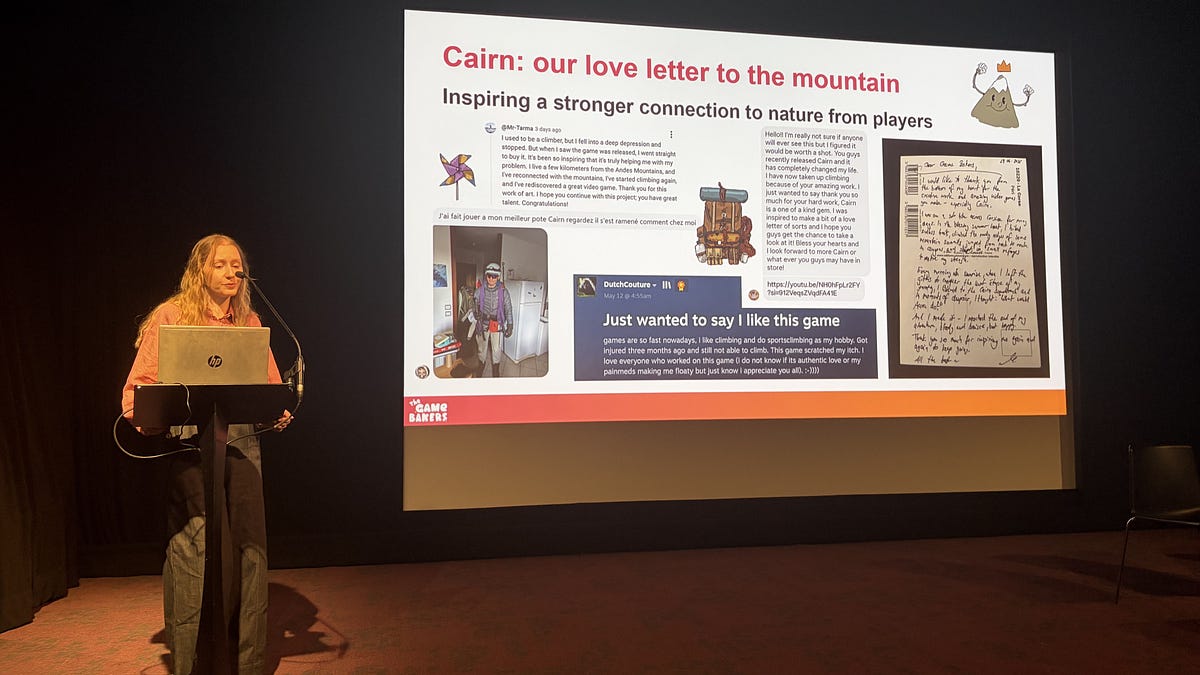
The Better Angels of Nature
The video game industry possesses a unique capacity to influence climate discourse by embedding environmental themes directly into interactive experiences.
- Xbox continues its corporate restructuring, with Ninja Theory set for closure and ongoing consolidation of studios like Playground Games and Turn 10, which Matt Booty notes is only about 75% complete.
- Public support for Net Zero initiatives in the UK has declined significantly, dropping from 70% a few years ago to 40%, largely due to a perceived lack of agency among the public to influence climate outcomes.
- Speakers at the Green Games Summit suggest that developers can improve climate communication by focusing on local nature preservation and realistic representations of energy systems, rather than relying on abstract climate messaging.
Beyond Balatro and Taking Risks: Why Playstack Doesn’t Want a 100% Hit Rate
Playstack, an indie game publisher celebrating its tenth anniversary, maintains a strategic philosophy that prioritizes creative risk-taking over achieving a perfect commercial success rate.
- Playstack maintains an 85% success rate for its published titles, including hits like Balatro, Abiotic Factor, the Mortal Shell series, and The Case of the Golden Idol.
- CEO Harvey Elliott intentionally avoids a 100% hit rate, arguing that such a metric would indicate the company is avoiding necessary creative risks and filtering out potentially innovative projects.
- Following the success of Balatro, Playstack has seen an influx of roguelike deckbuilder pitches, though the company remains committed to a diverse portfolio rather than specializing in a single genre.
Beyond Balatro: Why PlayStack doesn’t want a 100% hit rate
The modern gaming landscape is undergoing a fundamental shift where the traditional distinction between indie and AAA titles is becoming increasingly irrelevant.
- PlayStack strategically avoids a 100% hit rate to ensure resources are available for experimental projects that push genre boundaries.
- Maintaining an 85% profitability rate is the established benchmark for financial health at PlayStack.
- The traditional distinction between indie and AAA titles is becoming irrelevant, with success now driven by authentic, passion-led experiences rather than budget size.
2026 GDC Trends Report: 5 Insights on the Future of Game Development
The 2026 GDC Trends Report provides a comprehensive analysis of the evolving landscape of the global game development industry.
- Studios are increasingly relying on co-development models to manage the resource and staffing demands required for modern game production.
- Mobile game developers are shifting toward dual monetization strategies, prioritizing long-term user retention over new user acquisition, particularly as the Vietnamese hyper-casual market grows.
- Generative AI has reached a level of maturity where assistive tools are easily accessible, shifting the industry focus from technical feasibility to the ethics and implementation strategies of AI in development workflows.
Beating the Content Crush
The video game industry is currently navigating a phenomenon known as the content crush, characterized by an overwhelming volume of new releases that complicates market entry for developers and publishers alike.
- Steam generated a record $11.1 billion in gross revenue during the first half of 2026, representing a 14.5% increase compared to the same period in 2025.
- Publishers are actively seeking new titles for 2027 and 2028, but budgets are tightening, with firms like PQube prioritizing projects under $500,000.
- Publishers do not require developers to have massive pre-existing social media followings or Discord communities to secure a deal, as they prioritize market fit and marketing expertise over vanity metrics.
Global Gaming Report: Q2 2026
The global gaming industry experienced a period of financial divergence during the second quarter of 2026, characterized by robust private capital formation despite broader equity market volatility.
- Private gaming financing reached a one-year high in Q2 2026, with 96 deals generating over $2.5 billion in capital.
- Institutional investors committed over $2 billion to new gaming-focused funds, signaling sustained interest in indie projects and long-term content strategies.
- The gaming market showed significant divergence, as Western gaming stocks rose 4.8% while mobile gaming and Asian markets declined by 11.6% and 6.4% respectively.
Xbox Presses Reset
As of July 2026, Xbox has initiated a significant strategic reset in response to persistent financial underperformance and the failure of its long-term Game Pass subscription model.
- Xbox is undergoing a major strategic reset as of July 2026, involving the layoff of 3,200 staff members and the divestment of five game businesses, including Double Fine, Compulsion Games, Ninja Theory, and Undead Labs.
- The Game Pass subscription model failed to meet its 70-million-subscriber target, stagnating at 30 million, which led to the cannibalization of premium sales and a $300 million loss on the day-one launch of Call of Duty.
- Xbox’s hardware install base of 35 million units significantly trails the PlayStation 5’s 94 million, contributing to the conclusion that the company's high-budget premium model is financially unsustainable.
The Onslaught of Summer Games Fest, Steam Deck price go BRRRR & the Logo Wars! | Games for Breakfast
The modern gaming industry is currently navigating a period of significant structural and ethical turbulence, characterized by the oversaturation of promotional events and the aggressive consolidation of corporate power.
- Summer Game Fest (June 1–8) has been criticized for its cluttered schedule, with organizers grouping diverse showcases into single days rather than spreading them out, which risks sidelining niche and identity-focused game presentations.
- Take-Two Interactive has effectively shut down RageMP, a prominent multiplayer modding platform for Grand Theft Auto V, by asserting that it is the only authorized platform for the game.
- Rising hardware costs, specifically regarding the Steam Deck, are being driven by persistent component shortages that impact even newer iterations of the hardware.

News Round-up: Colorado DLC Veto, Fable Delay, and Switch 2 Japan Surge
The roundup presents a snapshot of recent regulatory, corporate, and market developments across the global gaming industry.
- Microsoft has delayed the release of its flagship RPG 'Fable' to February 2027 to avoid a saturated 2026 release calendar.
- Nintendo’s Switch 2 sales in Japan reached over 200,000 units per week—a fourfold increase over the previous monthly average—ahead of a ¥10,000 price increase.
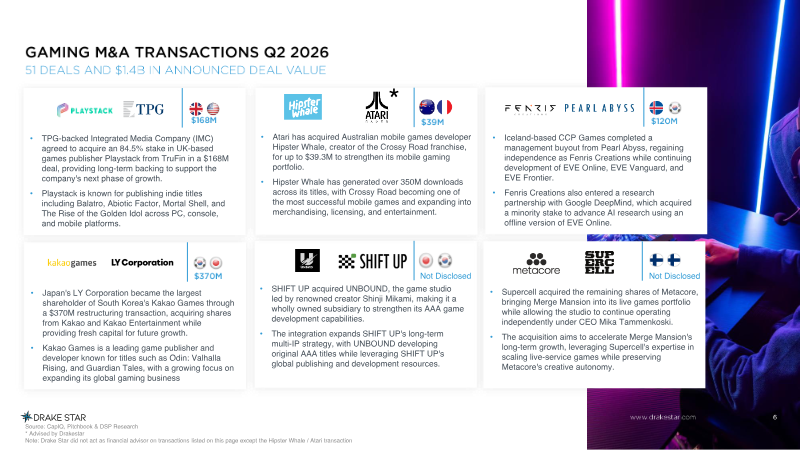
- Integrated Media Company, the owner of GameSpot and Fandom, has agreed to acquire Balatro publisher Playstack for $151 million.
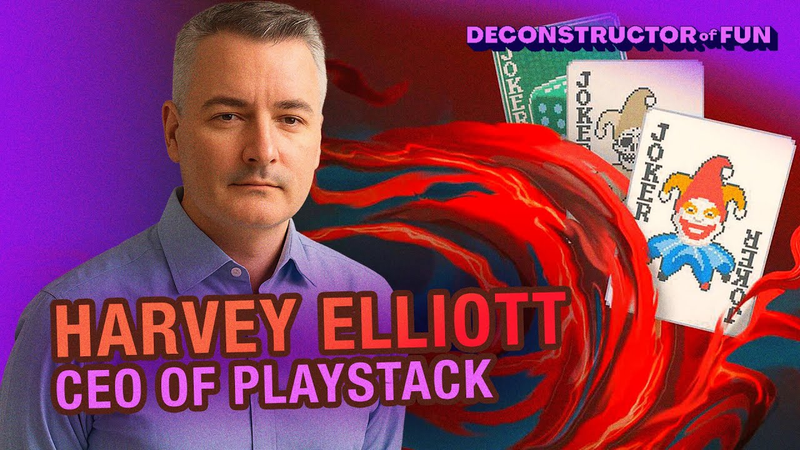
How Balatro Became a 7-Million-Copy Indie Hit | Harvey Elliott, CEO of Playstack
The success of the poker-themed roguelike Balatro, which has surpassed seven million units sold, serves as a primary case study for a publishing model that prioritizes niche community engagement over mainstream marketing.
- Balatro has achieved commercial success with over 7 million units sold by prioritizing niche community engagement over traditional mainstream marketing.
- Publishers can scale resource-constrained indie titles by focusing on games that combine an immediate, compelling core loop with long-term strategic depth.
- The publishing model for Balatro relies on organic discovery through social media and specialized forums to reach target audiences without aggressive, short-term promotional spending.
How Do You Find and Scale an Indie Hit Like Balatro?
The success of the poker roguelike Balatro, which achieved over seven million units sold, serves as a case study for effective indie game publishing.
- The poker roguelike Balatro achieved over seven million units sold by prioritizing an accessible, highly replayable core gameplay loop over cinematic polish or high production values.
- Publisher Playstack maintains a high profitability rate across its portfolio by focusing on developers who possess both technical talent and a clear, authentic creative vision.
- Successful indie publishing in 2025 relies on amplifying reach through strategic messaging and cross-game collaborations rather than dictating the developer's creative direction.
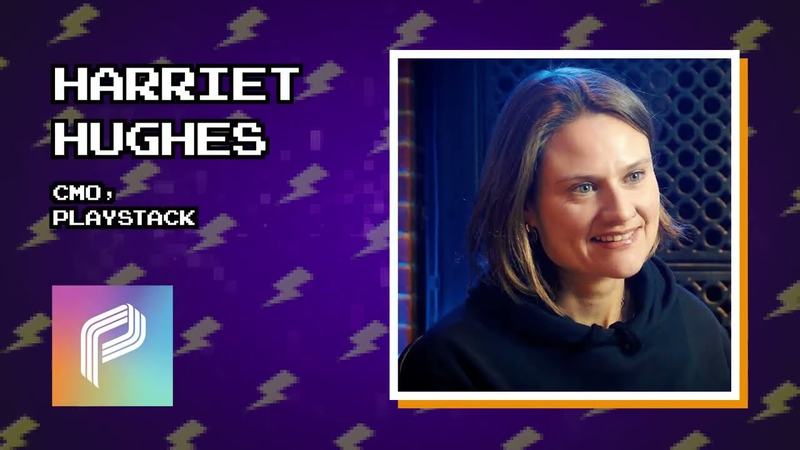
Playstack’s Harriet Hughes On Finding The Right Publisher For Your Game
The primary objective of a game publisher is to act as a strategic partner that complements a developer’s creative vision rather than replacing it.
- The primary role of a publisher is to act as a strategic partner that manages operational gaps like marketing, PR, and user acquisition, allowing developers to focus exclusively on creative production.
- Community-driven marketing is a critical success factor, as evidenced by a 2020 title that built a 80,000-member community on Discord prior to launch without revealing specific game details.
- The gaming industry is shifting away from hyper-casual models toward subscription-based services, such as those provided by Netflix, which prioritize ad-free experiences and deep engagement with intellectual property.
Questions readers asked
Shared AI answers, each figure linked to the page it comes from.
- Compare Playstack and secret mode on Steam performance
Answered 16 Oct 2026
