VideoDeconstructor of Fun
How Balatro Became a 7-Million-Copy Indie Hit | Harvey Elliott, CEO of Playstack
6 Oct 202575 min video
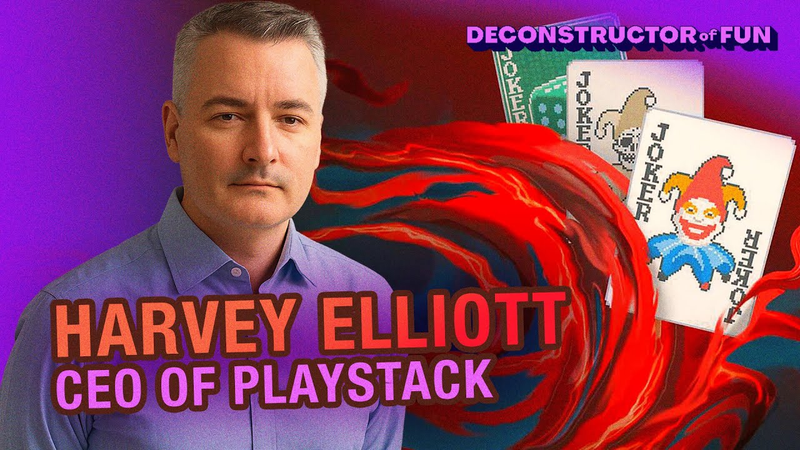
Harvey, how did you find and scale an indie hit like Bolatra?
Well, we have a phenomenal discovery team. Discovery for us is meeting any developer with any game. And that's actually their job description. Can you meet every developer with every game? Um, and their job is to find games in all the usual places, but all the unexpected places. Um, and we managed to find this on um on a couple of places. We found it uh on a uh on a games site where someone had put together an early demo. Uh a developer local thunk put together an early demo and uh we managed to get in touch very very early on but um by looking somewhere unusual I think is the answer.
What are the usual and what are the unexpected places where you find hits? Well, games, you know, the great thing about for a PC title especially, let's say, you know, anyone can create a Steam page, put a publisher or a developer entity up there, you can put a screenshot and a video and and you can soon get interest in your title just by putting up a few screenshots in a video.
So, that's a usual place, right? We all want to troll through the Steam pages, look for any new games that have appeared, um, look for any anything that might be interesting. Um but the unusual places are perhaps the less the less mainstream game sites just where people are sharing you know indie games that they've been developing. Um it might be just on social media where they've just post hey I've been writing a game you know little channels huge channels like X or huge channels like uh Instagram or uh or somewhere but the topic isn't what you would normally find there. So it's sort of picking the the needles out of that. Um similarly in Discord channels for you know game fan player fan groups for games uh Reddit forums. So just starting to get a little bit deeper perhaps not sort of big macro platforms but where people have created little communities and they're people are just chatting about things that they're doing and things that they're making. So our discovery team spend as much time in those forums and places and looking and
just sort of being part of the games community as they do looking at the sort of big platforms and big channels such as Steam. uh for for those who haven't maybe played Bellatro and are somewhat unfamiliar with the game know maybe of the success can you a little bit talk about you know the the size of the game currently and then we'll go back into like how did you realize this is going to be as big of a game as it became
so in terms of the size of the game um it's huge it's successful we've um cleared over 7 million paid units so across all the platforms the game is selling incredibly well which means there are 7 million plus engaged fans in the game. Uh the game in terms of the game scope, it's a really long uh long it's got a really short core loop. You can play it really really quickly, just a couple of minutes. You play a couple of hands. It's a deck builder uh poker rogike. So you're using the basic rules of poker to play a hand, but we've got all these modifiers packed in uh thanks to 150 different jokers that you use to apply to your cards to get these wild
and insane scores. So the depth of the game is actually huge. you could be playing it for hours and hours and hours. I think our average play time is somewhere in the region of 3540 hours per player. Uh which is pretty good across all the platforms and and engagement is high. So those numbers are just going up and up.
And and how does this kind of like 7 million paid units which sounds a lot but for those unfamiliar of what is what does a good look like? Like how does it compare to a typical good game for a publisher? Well, good in indie could be
indie. Indie good. Exactly. For an indie publisher.
Exactly. Indie good could be 100,000 units. We'd be delighted. You're selling really good numbers. 100,000 units would be would be great. Um because for an indie developer, you know, if you look at the investment you're putting into a game from time, effort, energy, you want to know that it's worthwhile. So, um we could do all sorts of crude maths, but let's say we got a game at a a $15 price
point. So, let's say it's $10 net. You sell 100,000 units. Um, you know, it's a million dollars, right? Well, a million dollars should cover the cost of most indie projects and give a good profit to everyone. So, I think a lot of indies would be quite happy with that. The number we've talked about in the games industry for an eternity is a million units. Selling a million units. It's the same as being records, being books, games. It's a million units. And we uh manufacture some kind of trophy or an award when a game hits a million units and make little, you know, statuette or a plaque or something. And that's because it's a really great celebrated milestone. So a really nice hit game, you'd say a million units, that would be a great hit game. And um yeah, we're somewhat over that now.
Damn. Seven times uh a dream come true. Almost not a dream come true, but seven times the most like optimal scenario.
Yeah, I think you know dream come true is a great sort of expression, you know, because the industry is creative industry. So we do dream. We dream of creating something that stands out that people find that captures people. So it
it's a validation to everyone involved when you create something that has that amazing resonance with audiences that captures the imagination of players that they love to talk about in a positive and energetic way. That that's the dream coming to life and the best results of that dream is if the developers who make those games that have those successes can do more, can create more because of that. And it's, you know, the amazing thing about the games industry is people I I don't feel are here to get rich. You know, they'd love to. That's a great benefit, but they're here to make great games. And and the success enables great games to be created. So, you know, we're we're finding with all the developers that we're working with who are successful. They want to make more. They want to do more. They want to do it again. They want to try try for different things. And that that's a great position to be in. And it's an interesting sort of a juxiposition between an indie publisher and an indie developer because an indie developer is somebody who's really all about making the games that they want to make rather
than you know making based on market research or market trends or so forth. And for sure of course they look for financial success but I but it feels like the creativity comes first versus the financial otherwise they would be doing match three games. uh or some other mobile stuff, but um and then you have a publisher that is purely focused on the revenue side of things to making it into a business. So, how do you kind of marry this thing of of being of working with indie developers as a commercial partner?
Well, I think what you've set out is mostly right. You know, the developer comes at it from a creative. Uh the publisher comes at it from, you know, what we what we can do to bring it to market to enable the commercial success. But the commonality is we both want an amazing game. You know, we we want games. The discovery process that we have is as much about head as it is heart. You know, heart is if you fall in love with a game, you fall in with the charm of the experience. Is it what delights you? Um can you see others
exciting them you getting excited about the game in the same way? And the head is saying yeah but games in this category will only achieve this or could achieve that with the right thing. So what per the publisher does it gives that perspective to the game. can say, can that game be successful with more support, effort, endeavor, and the best indie publishers will only work on a game if they're there to make the success of that game bigger because a lot of developers could just release their game. They could just put the game up. It's great. It's fun. People enjoy it. They don't need a publisher just to to let it be out there. What publishers should be doing is earning the growth for that game. you know, building the share to be bigger for everyone, to make that game more successful, help it find its tone of voice, help it find its audience, resonate with that audience, communicate it, get it out there, and that comes from, yes, commercial belief and commercial understanding, but also a passion for the game that should match
the developers passion. We're just doing a different thing to enable the game to be successful. We're marketing and publishing and building the communities and they're creating it, but we're working together to make this a success.
Today's podcast is brought to you by Absly, inviting you to dive into their new firstofits-kind report, the state of creative optimization 2025 edition. It's not about how to make creatives. It's about understanding what makes users actually stop scrolling and what emotional and psychological triggers drive performance. Based on over a million creative variations and nearly $2.5 billion dollars in ad spend, the insights in the report will help you develop a winning creative strategy. Check out the link in the podcast description below or go to appslire.com and search the state of creative optimization. That's absolar.com. Makes makes sense. Uh going back to finding Batro. So my history with Bolatra, I've I played it only once. I remember I was on a on a plane to GDC
from Helsinki. So that's a long plane flight and I happened to be sitting next to a a CTO of um aa company I would say from Finland. Uh there's you know a few console developers but this one is renown and he was slamming bilatro like no nobody else. So he took it as his mission to convert me into a Batro player. you know, I engaged, but I'm not much of a poker player, but it's essentially it's a it's a poker RPG. That's how I would describe it. Um,
yes, but it almost puts you off the web poker. And actually, it's not about poker. Poker is we know poker historically is, you know, it's gambling. It's putting bets down. It's, you know, a dim dusty room where you go all in and you throw your car keys on the top. And there's actually no gambling in this game at all. It's just the mechanics of poker that we've used to build this amazing rogike.
Yeah. Yeah. So, it's it's almost like a poker core with uh with Yeah. RPG rogike progression system.
Exactly.
And and so just going back to my ignorance is I would have played that demo. I'd be like, I don't know this like I wouldn't put this forward. But how do you like walk me through the moments when when your team saw this game and like what did you see that others like myself didn't?
Well, we saw it um probably 9 10 11 months before it was ultimately released. Something in that region. And what we saw was actually the same core loop that we're we're playing today, but a narrower scope. You know, jokers weren't all there. The uh modifier cards, planet cards, tarot cards weren't all there. But that core loop um being able to play few quick rounds and you suddenly, you know, you you just catch it very very quickly. You know, you you have a deck, you you play together, you get some score, you got a number of hands, a number of draws that you're making. Um but that game can be over in sort of 45 seconds to a minute. You go play play.
I'll do it again. Play play.
And then you get the jokers. And the
jokers, even the early version had jokers that worked phenomenally well that just mean, huh, I was only getting 10 from that score and I'm getting 100. I'm getting a thousand. And the scores were going up. Oh, forget two jokers. That 100 and that thousand now's 100,000. There's a 2.4 million. And okay. And then as each of those elements come in, it just it draws you into a depth you didn't know was there. The game is very familiar in terms if you know poker hands, it's very straightforward. If you don't, there's a button to press to see what they all do. Um, but it's the way in which you can access that sort of that depth very quickly from something that should be pseudo familiar to you and it it was just compelling that when you you play it, maybe you play it for five minutes, you stop and someone comes to talk to you and I'm just going to go back on that for a minute and that addiction or that that hook or that stickiness of just I think compulsion is probably a great word. You know, I want to go back and just try can I just do a bit better with that. When we feel that, you know, we're feeling it like a player would
feel it. We're not feeling where are these amazing, you know, games publishing scientists. We love the game. It's really, really, you know, it's really catching me. So, when it's got that core hook, then you start to dig in and go, well, what else is it going to have? Because am I really going to be doing this in three days time, five days time, eight years time? And um that's when we you know you start to get you know get to know the developer. You get to know the the breadth of the vision he has for the game and just how scientifically he's approaching the mathematics and the the the model behind it. You know is the machine that makes that so much fun is is so incredibly well thought out that it's the two coming together. Compulsion of the game what it enables you to do. The feeling you should just go back to it. That's the heart. We all should feel that with any game that we're playing. And then when you realize the depth that that's going to have and you you know our team are very good at understanding which loops can can scale and which loops perhaps have a very limited scope to them. Um so we just started to connect it together.
H makes all sense. So accessible and
replayable core just wrote it to myself. Uh and then that is the most important part which honestly makes sense and it's kind of funny that sometimes especially on mobile people just think about they can add more features more VFXs and maybe they can get their engagement up. Nope. Uh it's uh it's the core that that is yeah the core. Uh and then basically what your team does is starts thinking about the depth of the game like how can we add different type of progression mechanics to move from this loop to something that sustains for days if not weeks. Right.
Yes. Exactly that. And you know there's some other things that are brilliant about indie development. You know this is solo dev based in Canada. Loves being a solo dev. He's got people he's talked to about the game and, you know, loves their opinion, but he's made this loop on his own. But that is an incredibly tight resource restraint, which means you have to be super focused about what goes in and what doesn't go into the game. If you're I'd love this big meta path where we're,
you know, going XY Z and doing these things or different, you know, different games. Let's try uh different things that aren't the core of that poker rogike game. That's all distraction from making that pure game experience work really well. So the res resource constraint you just like one person making it is a brilliant way of really raise a f is this the thing we're going to do raise like yes this no not that um and I think he has held true to that so incredibly well not just from when we signed it to when we released it but since release working out what the game will do next and how the game will evolve
and how do you get the respect or the ear of that indie developer and what they should be doing to improving the game as in this case adding the uh the features depth. Like is it based on like you signed them to a contract and now you do what we say you you have to do or is it more about like is it more about human influence? So the
your team is just such a knowledgeable uh in games as well as you know well spoken that they get the uh the message across and and the developer then makes the decision what elements they want to add in their game and what they don't want to add.
Well I think um we there's many answers to this question so let me let me think quite quickly. So no if we are going to sign a contract and use that to leverage control over the developers the business will be doomed. Um the best contracts are the ones that we sign and we put in the drawer and we don't worry about them and they just set out you know the publishing contract we have it's it's not huge it's clear it sets out what happens if what happens when what happens here and we set out milestones and the milestones are not a stick to hit the developer with. They are us asking them what do you intend to do and by when and so we can then dovetail what we're doing by when to that and the actual end page of the contract is it's developer developer commitments and
publisher commitments. It says what the developer is going to do which is make the game build their vision create that experience make it special and the publisher is going to do and that's bring it to market. It's going to build the community, build the audience, create the websites, create the content, make the store pages, and that sort of just sets out the expectation. The actual working relationship can't come from a piece of paper. It does come from that human interaction. It's from a consistency. So part of the discovery process, a place that we only have a handful of discovery scouts finding games. So they can't work on all the titles all the way through. So what they do is they bring the games back, they share them with the team, the production team, the marketing team. And we we want to find the people that are passionate about a game when it's here. Like we want the discovery team to say, "This is fantastic. You've got to look at it. You got to play it." But we need the people who are going to be working on it day-to-day to be equally passionate, equally excited. And we want those people to meet the developer very early on. So the developer knows it's not just the salesperson they met. We don't have
sales, but you know, the first person who knocked the door. um they're not the ones going to be working all the way through, but they're around, you know, they're available. They're part of the team. They want the success, but it's actually these people are going to be working with you dayto-day. And the main thing that our team do is they say, "How can I help? How can we help? What can we do that will make your life easier to help you make your game successful?" And that's a partnership. So, you know, the contractor says, "We're going to work together, but the reality is it's how we act act is going to decide how we work together." And we do that very early on. And I'm I'm curious, how do publishers like indie publishers stand out from each other? Because there's a lot of them. Uh, you know, Raw Fury, Deolver, like whatever comes to my mind and seems like I've seen pitches for new uh indie publishers being established, some of them being closed down by larger publishers. How do how do you stand out in this market? Like how are you able to win company or indie developers like
like Bolatro? Oh, great question. Well, one of the things we asked did obviously we can only do it based on our reputation and indie developers much like uh indie publishers are individual right they are they have their own sensibilities the own way they like to work the own way they like to work and publishers have their own way their own way they like to work and so when we're meeting a a developer we're telling them who we are and they're telling us who they are and that's either a fit or it's not and it it means that there is variety of choice right we may not be Right. For every developer, we think we're built in a really, you know, the whole uh ethos of the company is that the developer is first, right? What is it they've come up with? What is their creation? What do they want to happen with the game? How do we enable that success? That's not the same as every publisher. Some will have a slightly more market driven here's the exact market the game needs to go over. So, we can see your game is this, but it needs to be here. How do we shape the game to
that opportunity? And that's fine. Some developers like that. They like to hear more direction from a a publisher on this is the audience you should go and why. And and we will give that to developers, but we respect the developer's choice kind of at the center. If the developer doesn't feel that that's the right thing for their game, no matter how passionately we believe in it, we're going to let the developer, you know, win that argument because we've met them and they've made something that we love. So, how can we now tell them to make it something else that we think we might love more? We we can't. So, what you'll actually find in indie publishing is lots of different publishers, lots of different ethos, lots of different um ways of working. They're not, you know, just the same. They're not all the same business. They don't all operate in the same way. Our philosophies is we're developer first. That means if we're meeting a new developer, we say call one of the other developers we work with. So, you know, I don't mind who. If you want their contact details, let us know. But most of them you can find, you know, on Twitter or uh or somewhere else. And and
they do and they call and they take a reference on us. Someone we don't know which one they're calling and usually for a game that they've enjoyed playing for Playstack from Playstack that they've enjoyed. So that's a developer they might want to speak to. And it it seems to work well where we focus on building great games, great success, and they they do well and great reputation and people take up our references. you know, they will call developers or contact developers and say, "Can I just ask you what it's like working with with Playstack?" And um we believe it comes from hard work. We can't build a glitzy, you know, here's our presence and the brochure and you should be signed up to us because we've got this lovely brochure. It comes from what we actually do and how we actually work to support the developer.
Is there how important is audience or genre focus for a publisher? Well, for us less so. Now, a audience is incredibly important for each game, but
we don't necessarily need to have a specialism for that particular audience. Now, there are some categories of games that we're not in, right? We're not in free-to-play mobile. We may talk about this later. We started there. We looked at it. Um,
we found it hard work. And we could talk about that later another time.
I think most of the audience has found it a hard work.
Exactly. So that that's that's fine. Um so audience is really important. We want to know how we're going to grow that audience, how we're going to engage the community of players in it. And we need to know how we're going to reach into their, you know, what else they're looking at, what they're doing. But the exact category of game isn't so crucial to us. You know, we we know there are some categories where insane specialism definitely helps and that becomes the thing you do in a sort of, you know, as a a focal point for the business, but in the most case, most people don't just play one type of game. They play a variety of games. Our team play varieties of games, and so audiences
will play varieties of games. And we're we're good at finding and building audiences. And so the the category isn't so specific. The genre isn't so specific. But what we do care about is when that game is is, you know, finished, what's what else is going to be out there that might be in that same space that's going to be vying for that same attention. And so we think about that and we'll we'll talk to the developer about it and we want to work out why their game's different or special or unique. And we want to make that part of our messaging. But it it isn't only over here or only over there. is, you know, how do we how do we reach the players that this game deserves to reach?
Web stores, you've seen what good looks like, but have you seen great? App charge is the direct to consumer platform backed by the likes of Supercell and built by monization pros from Moonactive, Platika, Huge Games, and others. People who know the difference. App charge powers over half a billion dollars in transaction a year for top studios, optimizing every
detail. Deeply personalized web store offers, custommade design, industry-leading monetization features, in-game payments SDK, and more. 70% of top grossing games already have a web store, but the one scaling fastest, they're doing it with app charge. Learn more at appcharge.com. Got it. I was just asking because I had previously uh Sebastian from Paradox Arc and given that they're Paradox and this is their indie arm, they focus purely on strategy, which kind of makes sense because if you'd be playing Bilatro from Paradox, you'd be like this like why why did they make a poker RPG uh versus you know complicated strategy game that is really all about their their portfolio in a sense? Yeah, I think you know with the genre is indie. The genre is indie. Indie means they're characterful, they're delightful, they're personable,
they have a a crafted feel to them that isn't homogenized u because you've had, you know, when you've had an army of people working on it. You got to get them all working in the same style. There's a sort of a homogy to that that you don't get with indie. So, I think the indie indie is the genre, but of course there are categories within that. You know, the play styles and the types and that comes back to the audience. Hm. Uh well well you said something about you know the characterization of indie and one is that it's very small team and through that the production values are reflecting of the team size. Have you seen something happen in regards of AI that you know the the selling argument for AI has been for a while now that a small team can make quite of an extraordinary results especially on the production quality by using AI. Is that something that you're seeing?
Not to the point we're confident in it. No. And not to the point we think the audience necessarily want that either.
Um, and that's, you know, I think AI obviously is a phenomenon. The the use of it, the evolution of AI, especially over the last few years, has been very impressive in terms of what it's starting to challenge and what it's trying to do. The best uses of AI, in my view, at the moment are where it helps you with your workflow. You can still be the creator, but it's helped you do that work better yourself. Um, it could be helping look at code and code optimizations. It could be running uh testing scenarios for the the things you built. Um, it might be a workflow to help reduce poly counts or to improve um, you know, just the origination of art assets. But I don't think we're at a point where we certainly as an indie publisher feel like AI art can be as genuine for players as something created by human hand. And you know, it can be an enabler, but it can't be the output. Right now, that doesn't feel like where where the indie market and indie
audiences want to be because it's also that same sort of homogeney feel like sometimes we can spot AI quite quickly. You know, you can
sometimes, how about almost all the time?
So, what you know, it just becomes generic and it and that isn't the personality and the character we'd expect to see.
Yeah. Don't tell Google and Meta. They're they're pedalling this hard. But but um but in terms of like uh I I 100% agree with with improving the processes and making individuals more efficient. Do you see AI being positive in terms of more of developers who might have done indie work before or who are considering the indie route are perhaps more inclined because now they can do more with a small team or even alone.
Yes. And I think I think that is true. As I say, if the workflow can be improved and if it can become if it can help you do things that you weren't necessarily completely able to do before
because of that workflow improvement, then yes, I think it's valuable. But you have to be honest about what you've used it for and what you haven't. And that that's important because indie games more than any games are creations from indiv individual people, individual teams. And that that needs to be in your message. It needs to be in your voice, what you've done and why. And it's not underdogs, you know, it's because people are doing things in indie development. It might be because they've had some adversity previously. You know, maybe they were part of a large company that restructured and you, you know, have some time away. Um, it might be because you're just really passionate about what you do. And so, you know, that that comes across in the game and comes across in the experience. So, where it's used and is used for the right reasons in the right way, I think it's great. But if it's creating the output and you're seeing this sort of production attempt from the AI generated content or AI scripting or AI things, you can sniff it, you can see it and that's not what we wanted. Um
yeah I when when talking about indie developers I always imagine it's you know um typically a programmer who has been at a larger company or a larger game team and just been suffocating under endless pivots and redoing and reviews and and then you know something happens as you said maybe the studio gets shut down and he's been enduring this [ __ ] show for 7 years and he's like now I just want to make a [ __ ] game without without 12 monkeys sitting on top of me and then just you know that sort of a chip on their shoulder and that bottled creativity just comes out in something truly amazing.
Yes, exactly. And I think it is that that bottlab pent up. I've just always wanted to make this game.
And I think some of the best games are ones that people have just been sort of really stewing on for a really long time. And that's just the catalyst that you know, oh, they've restructured and I'm now out of work for three months or
oh, that's not a bad time for me to make the thing I've always dreamt of making.
And the tools are a little bit faster to use now. It's more accessible. Uh the ability to even self-publish is there. So, you know, you can get your output out and say, "Well, I'm going to give myself 3 months and I'll put the game out and I'll be done and I'm live and there we go." Um, so yeah, I think I think the opportunity is there from it, but I would hate to see, you know, if AI content was what we're all playing right now, I think we'd be in a lot worse position than we are.
Yeah, they they talked about this on the GameCraft podcast, uh, Mitch Laskkey and, um, [ __ ] I'm I'm I'm blanking. I'm blanking on the, uh, the co-host name. I'm really sorry. I'm now I need to I can't blank on this. Mitch Laskin Blake Robbins. Shout out to Blake Robbins. Sorry, Blake. Uh so they talked about it on on a podcast uh when they discussed the uh the impact of AI on game development. And I think it was over a year ago, so a lot has changed. But they talked about sort of a hyper casualization of the games being a risk
where essentially as you said it's not anymore the individual creators that are using the tools and getting out their creativity but it's the um the people who are looking at the charts kind of shooting 25 versions of an existing game but with a different theme and trying to optimize rather than you know let their creativity speak for them. Yes. I think that's exactly the right way to look at it.
Yeah. Yeah. Well, hopefully we don't get there, but we will because um because people are greedy.
One day there will be a game that's built with an AI pipeline or solution of some description that is different that does something that we couldn't ordinarily create the way we create it. I don't know what that is. I haven't seen it. But that will be okay, right? If it's done something we couldn't have done, then you know it's done something exceptional and it maybe talking 10 years in the future, who knows? That might be okay. But we just don't see it now. Um,
of course, just like we use unre Unreal and Unity now.
Exactly.
You don't have to code your own engine to make your own game.
Absolutely. Exactly.
So, so yeah, again, we're not here anti-AI. We're just being more of a realistic of what the situation is right now versus what is being sold on on you know with with the daily updates like 3 and so forth. It's it's they're painting a quite of a different picture without the actual cases that just like just like demos that Unreal shows of Unreal 5. Look, you can make these worlds like can you really?
Yeah.
And and how and how generic these worlds will be once everybody's making them.
Right. Exactly. Exactly right.
Yeah. So talking about indie publishing like is there something uh that is broken in the ecosystem today?
Well, not for us. Um you know I think we've we're really happy with the way things are. Now it doesn't mean it's not broken for lots of people. I think there
are um there are challenges always challenges of discovery. You know how does not I mean now discovery is when we find games but discovery is when a player finds your game. you know, how do you reach them? That's always a challenge. Um, we've got, you know, we're very close to Gamescom, you know, consumer event, of trade event as well, but you're going to get be there. We'll see hundreds, thousands of games all vying for the attention of players. Um, I find those events quite daunting. I find them quite overwhelming. I think, oh, there's a lot here. And that's a bit like this one, and that's a bit like that one. But when you're away from those events, the market spreads out. We've got millions, billions of people who might play games. And you know, billions of players, and we've sold 7 million copies of Bellatro is still a small thousandth of players that are out there. So, it's about reach. It's about getting to those players. And that's
probably the bit that's hard. You know, so much viney people's attention, not just in games, but entertainment, other medium. um we've got to find a way to cut through. So I think it's a challenge, but I don't think it's necessarily broken uh outside of indie. So looking up at AAA and uh the very large investments, there are some clear breaks in that because companies aren't necessarily investing proportionate to the opportunities they're investing because they they have some reason that they've chosen to build the project to the scale they've built it. But the more you invest in a game, it's kind of what we were talking about earlier, but the more you invest in a game, the bigger the return needs to be. So a AAA game is not going to be very happy if it's only sold 100,000 copies. You know, it's like, oh,
they won't close down the studio. We'll fire everybody.
Studio, you lose everyone. And these big changes would happen. Absolutely. So there is definitely something broken in that model, you know, where those games it it's becoming more and more narrowed in terms of the games that be successful and the the games that people would be
prepared to back which I think can hamper some creativity. But in indie that creativity can come out and people can create great experiences that do something different that revisit styles from before but with a whole new twist or just genuinely innovate something new. So indie market feels more healthy certainly from our perspective as play stack. You know, we're we're seeing a great selection of games every every week, new games coming to us or we're finding that we think would be great for us to be involved in. The hard thing is we can't be involved in all the games we love. We have to be careful and tactical in the ones we think we can help and why. And you know, we we'll pick a very small number of titles to become part of our lineup. H uh and well I assume Batro is outlier in your portfolio. So how how do you kind of create that replayability in a very unpredictable business that is you know paid games essentially head games
wellro has done phenomenally well and we're delighted with it but we have other games that are doing really well and actually our success rate is very high. I think we have one title that we've published a PC console that's still underwater and not by very much. Underwater is just in terms of how much investment do we put into the product, all development, marketing and everything together
and how much came back and it's not quite broken even. I think we could potentially break even on that one and then we'll have a you know perfect hit rate. Every game's made it mean success and then of course it's the proportion of success.
Yeah. What we've found with the model we've taken on is by keeping the investment right for the opportunity. So that's part of what we look at is what does the game need in order to be successful to be able to to deliver the experience it wants and where do we think that fits the market. We match the game to the market it's targeting rather than match we don't uh we don't direct the game to suit a market. We take the game and say where is its market? What will its market be? And if we believe
that's got the scope for success, we'll get behind it and we'll we'll want to be part of the game. And that's part of our strategy and our approach, but we're finding we can find other hit games. Batro is an outlier because it's so successful. But if Balatro wasn't there, we'd be delighted with the portfolio that we've got. So, we're exceptionally delighted we have Balatro, but Abiotic Factor is an example. It's a um survival um survival co-op game. Sort of looks a bit like little bit like HalfLife. Um we launched it in early access on Steam uh May last year and you're scientists in a laboratory and aliens are attacking this sort of retro polygonal look. Um but it's co-op and you play with your friends and all sorts of weird stuff happens as you survive and craft your way out of these messes. And that game had updates for the last 12 months and we released it at version one uh just a few weeks ago and is doing incredibly well. It's actually had more concurrent
users at the V1 release than we had from early access. We've had our best uh concurrent users ever. We've been able to bring it to console at the same time. So, it's on PlayStation and Xbox and also PC. So, we've got all these players uh coming together and loving the game. And it's doing really, really well. We're really happy with it. And then there are more and there are more. And the more important thing for Playstack and our direction was our philosophy is what we consider our IP, our discovery process, how we find and source our games. The um approach we will take with each title to create and craft individual campaigns to enable those games to be successful. They're the IP of Playstack and that's what we've continued to invest in. the result and what people see of play stack are the games that we publish. So you see belatro, you see abiotic factor, you see case of the golden idol or rise of the golden Idol. Those are what people see as IP and they are but they are the developers IP. Ours is how we find and
nurture those games and our IP and what we do is working well. So we feel optimistic about it. We feel like we've taken the right approach and we've not tried to come out brash and loud and say we're placed that we're going to find and publish great games. We said a little bit of that when we started something. But
all of what we're really trying to put out is just show the games. Let the games do the speaking. Not us making big noise, but let the let the games show what's possible.
You've heard of Heroic Labs by now, and we keep talking about them because you need every edge to be successful in today's market. Heroic Labs GameStack is built like a brick house. You got the Nakama, their back-end game server, Hero, their game development framework. Satatori, their live op service, and last but not least, Heroic Cloud to provide massive scalability. Heroic Labs is a battle tested partner and their tech enables you to be flexible,
creative, and scale for success. Focus on your game. Avoid tech risks. Grow your product with scalable live ops and save a big chunk of cheese. All with heroic labs. [Music] In the game of growth, everyone is looking for that power up. Vibes is exactly that. It's built by industry people, so they actually get the challenges you're dealing with. As a result, they become the fastest growing gamified rewards platform out there. And the results are kind of nuts. With their AI powered targeting, you're not just buying installs, you're bringing in the right players. And now they've got this new rorowass optimization engine, so your campaigns basically level up automatically. Vibes is built different. It's designed for growth, and I guess you could say it's powered by good vibes. Check out their DOF exclusive case studies by following the link in the description and go to vybs.co.
That's vybs.co. Share your email and join the weightless list. And and how do you support developers post launch? So, I understand that these are not free-to-play games, but in let's say in a case, Spelatro for example, like once the game is launched, is it just the publishers's job to kind of keep marketing it and keep the sales going or is the developer still continuing to develop it?
Well, um it's different for every game. So, let's take Batro. Um, we've because the game's great, it's delightful, and uh, it's got playing cards in there, we've been able to come up with collaborations with other brilliant gaming IP where we've replaced the face cards, you know, the King, Queen, Jack, with uh, designs based on their great games. So, these collaborations happen in our game and they've done things where Bellatro has had a reference or a
nod from their game referencing our game. And that collaboration means we can announce, hey, some collaborations. And there's no pay in that content. It's just free content comes in the game. And it's just a nice way to keep the game relevant and connected. So, uh, just last week, we dropped a a collaboration of Rusty's Retirement. Really beautiful, uh, PC desktop game, and Bolatro is in it, and Jimbo's in there. And the first time Jimbo has a body, he walks in this game. You can see a Jimbo character. Jimbo's Joker from Balatro that previously just been sort of the head you would print on a card. So there's something for somebody to discover. It's interesting. It's a really nice integration. Um it means Batro has a reference back to Russy's retirement. Russy Retirement has a nice reference back to Bellatro. It keeps the game in people's minds. And we've done a good number of these now and they are brilliant. And some of them are so incredibly creative like the Russy's retirement one. Um, but they keep the game in people's minds. From a developer standpoint, as I said earlier, he likes
making a game. He loves making the game he's made. And we're not done with it. Um, there is an update in the works. It will be uh coming out when it's ready. It'll be good and excellent, and when it's finished, we'll update the game with it. But we're not rushing for that. We want the developer to take the time to get it the way he wants it to be with the same sensibility of everything he put into his original creation of Batro. Um, what we try and do with every title is we work with the developer say, look, what's it going to take to finish your game to make your game to meet your vision? And then we'll look at that as the cost to create it. And we want to make sure that when we put it into our forecasting models that everyone's going to be happy if it achieves the sort of the base case that you know what's the number that we think it would sell, we feel good at. We've got some good comparisons in market. We've got good instinct on where the product might fit. And if that base case means that it's covered back the cost of development and the cost of marketing and it's paying
royalties to the developer based on that success, then we'd feel really good about signing that game. especially if there's a sort of a stretch case. Well, you know, that market could actually catch fire. And there's a high case which is a astronomical and we care about those very much. You know, where could the game go if you have everything about it that works and and it's really humming, but if the base case isn't going to make sense and you're basically assuming where it might hit, it might catch fire. You can't give a developer what they actually need, which is stability and security, especially if you're an indie developer. And what I love in any game that we publish is when we're paying royalties out. I mean, it worked. And the earlier the game is royalty bearing, the happier everyone is. And I'm very pleased with all of the games being royalty bearing. Uh, other than that one I mentioned, um, which I'm not going to name because I don't want to do that. But, um, but it could and it still could. And when we work on a contract with the developer, the only
thing that will sort of recover our cost is the game being successful, right? It's not a ticket I can go and say, "Oh, well, remember all that money we gave you for the game that didn't work." You know, it doesn't come back to us any other way than earning it through the success of the title. So, we're all very aligned that, you know, we earn back and we earn our profit when the game is out there and being successful. Um, so it it sort of works that the developer is supported because the game is royalty bearing and then it's up to them to decide how they want to spend that royalty. They might want to continue to invest in the title. They might have something they want us to invest in for them. Um, or they might want to just go and spin up a brand new idea and do something different. And what we want to do is work with them so they enjoy the process, they enjoy working with us, they enjoy the success. And when they've got their next thing, they come to us and say, "Hey, I've got another thing we'd love to do." And we're a couple of weeks away from Gamescom. We'll be uh launching Void Breaker at Gamescom. Uh Void Breaker is a uh firsterson
um rogike shooter. It's very very cool. It's very high production value. Uh it's a stunning game. is built in Unreal um by a developer who built uh the entry center for us. Entropy center he built two years ago which was a a portalike game where you first person again but you rewind time with a gun and so if a bridge collap you rewind time the bridge reassembled. Two very different games, same developer. The commonality is that he made solo dev as well. you know, so the dev made uh the entropy center, got a little bit of help with void breaker, but he enjoyed making entropy center with us. We had a meeting in a room very not far from where I'm sitting with you right now.
Um he came in and said, "This is what I was thinking of making next." We said, "That's fantastic. We'd love it." And and pretty much in that room, we agreed to be the publisher of a game on him just telling us what he was thinking of doing next and showing us a tiny bit of what he'd done. And we all just wanted to do it again. And so the success of
Entropy Center meant that he could afford to create the next thing he wanted to create. The relationship he built with Playat meant he wanted to talk to us first about that new game. And you know here we are sequeling in the way the experience of the developer with Void Breaker in a couple of weeks time.
Yeah. I mean uh the uh the game looks really interesting. Uh to be honest I I actually have it here running. It's it's being published on on consoles, right? uh console is coming uh the first the release that we have coming uh now will be a PC early access um and then the consoles will follow in due course that's is on all platforms obviously the Unreal Engine gives us a good start to that um but the game has various biomes and there's been a lot of uh work the game actually has to modify you the gun picks up different modifiers so the rogike elements come in where you decide to match different projectiles with different behaviors with different results. And we have a really cool video. Um the developer was just playing
the game and saying, "Here's the game. I didn't know it could do this." And he built this amazing combination weapon that he didn't know it could do, but he built the components. Um and so yeah,
this is single developer that we're watching here.
A little bit of coding support, but it really is a single developer.
Looks better than Marathon.
Very very good. It's uh Yeah,
it's uh he's he's exceptionally talented and I think because he's done a second game with us, loves working with us, too.
Yeah. So, you talked about royalties and uh what is the the typical revenue share when working with a publisher? Now, I understand you're picking up publisher because you assume that with the publisher you get much more than you could get alone and that much and hence you're doing the revenue share. Like that's the calculation in developers head. But what is it typically?
Well, there is no right answer really and there shouldn't be
case by case.
But yeah, it's it's got to be because
what we actually look at when we're looking at is well what are we going to put in and what's going to take for us to do it? What do we need to fund for the developer? Because money has a cost but we want to you know we fund it because we believe in it but we are carrying a risk right? If the game doesn't work we don't get money back. So the more investment that needs to go into a project does mean we're carrying more of the risk and all of the Playstack team that we assign to it will only be paid for from the success of the game. There's no deductibles and no, oh you'll be paying a contribution back to Playstack. So it very much has to be a case by case basis. Um but what we ultimately want and you kind of touched on it, we want to be sure that we're growing the market share. So we should be giving the developer a better return by publishing with Playstack than they could have achieved without Playstack there. So the royalty rate almost I mean obviously it will matter but it almost isn't the most pertinent thing. The thing is what will give them the best opportunity for success and what of the burden of publishing are we taking from them that allows them to focus more on
developing and creating their game and and the bits they're really good at. Everyone in the games industry have a lot of opinions. That's part of what makes us who we are. You know, we have opinions about how a game should be made and we have a developers have an opinion about how a game should be published. And what we engender is respect that we know that you're here for these reasons. We know you're there for these reasons and it should feel like a partnership. So, the royalty should feel like a partnership and no one should feel like the other's getting a better deal uh than the other. So, it does adjust and you can't say this is the answer, but it you should come out of it feeling it's imbalance. You look at the amount of work you're doing, the amount of work the others are doing, who created what when, you know, the developer obviously created the experience, how early on you meet it, so how long you investing in and supporting it. Um, so they're just factors that come in, but we have a fairly good instinct for it when we're we're getting down to the conversation with developers and we explain why it's structured the way it's working. And the main thing is, you know, when Playstack is looking at its success, we we can look at the portfolio of games we've got, the things we've been involved in,
and do they feel like we've we made it work on balance? And and the answer to date has been yes, and we feel good about the terms. And maybe the last bit, just to sort of echo that, the terms are very, very similar between, you know, HP Center and Void Breaker. I think the terms are the same. You know, Case of Golden, Rise of the Golden, they're the same. You know, they're built, they were built that way for a reason. They worked. It delivered the results we wanted. Let's do it again, everyone. And that makes the conversations a lot easier to go around again.
And in those conversation, let's say Void Breaker, so you have somebody who's developed developed a game before for you, now they're developing the second game for you. Is it um do you pay for OPEX or how does it happen or do you sign the deal early on and then um like like what's the uh what's the case here? Well, what we don't want is the developer to be worried about the wrong things. And the wrong things are how am I making payroll this month? You know, how how am I, you know, able to have the things that I need if they have more than either they want their own cost covered or they've
got expenses they're going to incur or people they want to hire or people they want to work with. So, we ask them to tell us what their budget is and we want to make sure that they are fully funded to deliver the project from that budget. So, we might tell them why it needs to be lower for a market opportunity or hit a baseline or what we're seeing from peers, but generally the budget is the budget that they need to deliver the game. What we don't want to be doing is paying them profits before they've released their game
because their incentive should be the success. Yeah. So, I'm less keen in an RPX plus deal. And if it was an Rex Plus deal and they're taking a profit early on that's on our wrist, then I think the terms would reflect that um in our favor. But uh what we have milestones, we set milestones, but the worst feeling in the world for a developer is thinking if I don't make this milestone on the 30th of the month, I'm not going to hit the month's pay, which means I don't get the money, which I have to pay my team with because the money is coming out to pay my team no matter what. So, we use it as a guide, but we are we we want to
track the project with the developer. So the the milestones help us tell us how they're doing and the contract really is setting out here's what's going to happen and when and we can follow that along and if there's a devian we can talk to them about it. We build contingency into our planning so we know there might be opportunities to either invest more in a game or we need more to put into a game to enable it to be successful. Um but if we have a developer worrying about money then they're not worrying about the game that they're making. And so the answer is we want to make sure they've got the cost that they need in order to deliver to deliver their game and we will budget for that and we account for that and our job is to get them the right amount of money to make the game throughout the development process timed when they have their payments to go out. Um and then we'll keep good account of it and at the end game goes on sale recoup whatever cost should be recouped and and your royalty bearing. So the developer should be aligned to it being successful. They should not feel like they've got a
pressure to to deliver it and make a sacrifice to deliver it. You know, cutting corners won't help. Uh compromising on quality will not help. Um so as long as that's dealt with, it works well. And every developer we sign, I meet, you know, I talk to them. I remind them why we're set out the way we are. And I'm always here if they need to talk to me. you know, there's
sometimes you just need a businessy chat. Look, how am I going to do this thing or here's a problem I've got? Um, and that accessibility is really important.
Ideally, I I'm not sure what you think about this, but ideally, you would basically do a game with the developer and that might be at OPEX when they're developing it and you believe in it and it's successful. So, now they're getting royalties. they move on to their next game and at that point they could probably do it OPEX minus because they are getting royalty from their previous one and maybe they get a little bit more favorable terms or earlier getting signed by by publisher.
Well to an extent I would I would say it obviously depends right how much investment how much capital they want to put in. Um and yeah the terms will reflect the investments made but it's like um if a company is acquired right someone goes and buys the company and all the original backers and then there's like the founding team maybe the founding the original backers put the money in the company they'll get the money on the acquisition and that founding team often get locked into oh you'll just earn yours out over the next three years and five years and that feels kind of harsh right they put in time and effort and sweat equity to deliver the the thing that got acquired and the investors put in capital for sure very important. Let them all exit together. The incentive for two, three, four years time should be on what goes on from here, not just sort of a delayed and deferred payment. And the analogy is used for games is the royalty is what they earn for what they've already done. If they choose to invest that in their
next game, that's fine. They can choose to do that and that may affect the terms and it may help. Um, but actually the game should stand on its own feet and you, you know, we're happy to invest in a game again with the same developer and still pay them royalties from their first game and they're not crossc collateralized, they're separate. You know, you did that game, it's done really well, continues to earn royalties, that's great. Let's talk about this game over here. And I think that feels healthier that you're not always, you know, going to a casino, okay, red came up. Fantastic. You get double your money. Go again. Black. Oh crap. You know, it's like why would you tell them to roll their bet? Um yeah, I think you give people success and let you know they should have their success and of course they can choose differently but you know success is there to be enjoyed enjoyed.
Attention app and game developers. Are you ready to unlock the secrets behind the world's top performing apps and games? With Sensor Tower, you get the ultimate competitive edge. Whether it's
breaking into new markets, fine-tuning your UA strategies, or boosting monetization. Dive into data like never before. Track global trends across app stores. Analyze market leading inapp purchase and inapp ad strategies and benchmark your performance with realtime insight. The best part, Sensor Tower doesn't just deliver data. It helps you turn it into action with intuitive tools and expert analysis. It's everything you need to make smarter, faster decisions. Thousands of app and game studios from indie creators to global giants trust Sensor Tower to help them win. So why not you? Start your free trial today at sensortowwer.com. That is sensortow.com. I'm I have to ask this. This is an inside baseball question for indie
publishers. Since I had Paradox Arc, I just remember talking to them. They had Mecha Bellon as a game that they published. It's irrelevant, but I mean not irrelevant. It's a good game. So, congratulations to the developer. But all I remember is that that we actually talked about this game. It was interesting. I played it a little bit and then a less than a year later, the same game is published now by Dream Haven. So my question is not about these two publishers or this game being published but how common it is to snatch essentially developers from one publisher to another.
Not very common. Um it does happen. Usually it'll happen for two reasons. Uh and normally you need both. You need a push and a pull, right? So what's pushing the developer to be away from the publish that they're in? Um it may be that they have a difference of opinion about how the game is developing. It may be that the game needs further investment that the publisher isn't prepared to make and the developer feels needs to have and obviously their contract needs to have a
mechanism to allow them to deal with it or they need to negotiate a resolution. But the push normally is something isn't quite working the way it should be working. And then the pull is well there's a better deal over here, right? So you might not like the way it's working, but no one else is going to want your game, so you stick with it, right? Sometimes you've got, well, I love your game and I've always loved your game and we were talking before and we should be talking again. And so if there's a push from the current relationship and there's a pull to a new relationship, then that sort of transition can happen. But it isn't very common because you don't always get those things at the same time. But normally it's built from either an adversity in the product, so the game has had a challenge which has taken much longer to get done, which needs more money, or there's an opportunity they want to chase. There's a difference of opinion about how that opportunity should be chased. um could be that there's a restructuring in the publisher or the you know one of the partners involved might be um you know maybe they got acquired or maybe they they had a change of change of strategy or they got burnt by something in a similar category. So those those would happen.
But um I think for us when we're working with developers, it's that working together partnership. And we have some games that are doing really well, doing very smoothly. Milestones, bang, every day, bang, perfect. And we've got some that are more challenging because games are a creative endeavor. And maybe that challenging is good, right? But it it's how you deal with those things on a day-to-day basis and the partnership you bring. And if you can keep talking about what's happening and you can keep describing the problems and you can describe the challenges and describing the opportunities, you should be able to ride it out and get to the end and go, "Thank goodness that was amazing or fantastic." And the best endorsement for us is when they let's do it again because we don't have to go and find them. We know we can work with them. We know they can do great things. And so that's a bit of a shortand. Um, but there will be times when that relationship is is tougher and the opinions differ and you have no choice but to to part ways. M understood those are broad indications that but that that that case was just weird to me because
you know I look at the Steam reviews everything looked fine and then to join a publisher that has never published a game before from a publisher that has not only published indie games but also published I would say single double A games was you know my spider sense was going up I'm like what's happening here
and and it was already in the market and I don't know how well it was doing but the reviews look really positive okay it's green on on Steam. Anyway, anybody who's listening, just try Mechabellum. Um, nice looking game, whether it's published by Arc or Dream Haven. Shout out to the the indie developer.
And you know what? That's the bit that matters the most is as long as people can get the game, they can find the thing they're going to be delighted by that,
it doesn't matter what names on the door.
Yeah, exactly. Yeah. Still doing well. Um, talking about the the budgets just a little bit, what is the typical Playstack uh budget for a publisher or more importantly, what is too big?
Uh, well, too big is when it doesn't
meet that base case. So, you know, it's it's maths. We're lucky. We've got good funding, good backing, good support. Um, so we're not typically put off by budget, but it's very hard to justify high budgets if you're not going to hit your base case. And in fact, we would never sign a project we don't believe the base case will fit for. So what that generally means, um, you know, if we're all happy at 100,000 units sold and, you know, net maybe of a million dollars, that maybe a half a million dollars is a good sort of target sort of top end of all the expense. Um but we have games that cost much more and we have to have a higher ambition and a higher belief in that game. So what it actually is is what do we believe the market opportunity for the game will be what's the base case and what does that mean we should be looking at in terms of development budgets. So, as I said, we don't want to dictate the budgets because the developers will be forced to make, you know, I don't mind if they they narrow the scope and they've chosen for that for good reasons. But if you're
forcing a corner cutting and compromise, then that's not necessarily a good thing to do as a, you know, developer or creation, that's not a good idea. But we will tell them if we think the budget's too high for the opportunity it's in and that becomes their challenge to decide whether they want to respond and we'll always assess each game on its own merits. Um, so to answer your question, there isn't a definite that's the right budget. We have got some games that are costing a good amount of money that we've uh chosen.
Are we talking about like a one to two millions or 10 to 20?
We have something we'll go that high and I'm still going to call ourselves indie. Um,
yeah. So there is too expensive.
Yeah, there will there will be an ultimately that's that's too high for us. Um, but yeah, I think if you're into the the low millions, that gonna have to be an exceptional game that has an exceptional market opportunity in front of it that we can see in size and still feel like the base case is successful
for everyone. I think as soon as you get into the, you know, from the sort of the higher millions, so if you went sort of five million plus, 10 million plus, you're in a really rarified air that might be very difficult to get. And and the reason I'd say, you know, let's say you had a 10 million budget for your game, and we do get pitched them, do you want that or do you want 20 games at half a million dollars or would you like 40 games at $250,000? Now, we're not going to publish 40 games, so it's a bit of a moo point, but it's
it's a investment and you've got to be proportionate. Um,
so yeah. So essentially, you're not funding Americans who are paying themselves 400k per developer
in some of the prime US locations. No.
Yeah. Yeah. Yeah. We we we see those salaries and we're like this is this is not going to work. They like like you go.
You know, the sad thing about that is they're living in onebedroom apartments that you know
I know it's not like oh my god your
lifestyle's phenomenal. It's like no it's just really expensive here. It's really expensive.
Yeah. Move to Texas and make games out of there or Arkansas. Don't make them out of West Coast.
Yeah. Get a U-Haul truck and drive east.
Yeah. Yeah. Then call us.
Um Yeah. Probably not the only one. Um I wanted to ask a couple of questions just before I let you go about Playstack and your advice for for indie indie studios looking for a publisher. So just the question about play stack like I remember if my memory serves me correct you had snipers versus thieves game like long time ago. Oh yeah I remembered correctly. So you were uh a free-to-play publisher back in the days for mobile and then you pivoted to indie
sort of. We always were a we always going to be a publisher and we were not and still are not platform focused,
right? We're platform agnostic. What we care about is can we make a difference this game? Can we be successful with this game? Can we find its audience? Um, free-to-play mobile was a very easy place to start in that you can make a game that could be quite narrow and quite small scope and you can release it and if people love it, you'll see that very very quickly and then you can read some analytics and start to understand how behaviors are working and you can expand your core loops and all the things you've talked about with hundreds of other people before. That all exists. And uh Sniper versus Thieves did incredibly well. I can't remember the install volumes offh hand, but they were huge relatively like for a you know 70 million 100 million maybe in installs something that I mean really good volumes of installs something probably in the 70 million I think probably be realistic. Um and it did really well other than it didn't make very much money and the money isn't oh we're profit not that kind of money to make the game money to keep investing in it to make it better. had a great core loop, was really good fun, but how do you make people want to engage with it
financially? And freetoplay is a very difficult space to be in that forces you to design a game to make people to make commercial choices all the time. Might be to watch ads or it might be to make an inapp purchase and they're generally more expensive by the time you get to the end of your play experience. You've invested more in time and money than you ever intended to invest and that skews the game that you make. So, it wasn't we didn't want to make freeto play. We actually, it was the easiest way to start, but we also knew we were going to be publishing on PC and console. And so we spent time finding PC and console games, but they just took longer to realize, longer to get those to come to market. So
yeah,
yeah,
25 million downloads.
We definitely sold more than that. Don't know where you're
Yeah. Um, Sensor Tower is normally correct. Yes, I definitely have uh I definitely have a higher install volume across everything. Uh but we also had
we don't want to test you. Let's take the 25 great number. Um
we also I will probably have in mind the
in reinstall values as we hit new versions and sequentially. So it probably is 25 million unique users. Uh that probably feels about right. And then
and with net revenue according to this less than 2 million I understand perfectly that that the uh the equation is is not quite there.
Yeah. Exactly.
Yeah. Yeah. And it feels like even now if you go into freeto-play publishing you're essentially doing user acquisition financing. That's that's the uh
that that's essentially the uh the model
and it's not just the economics of the financing but it's the creatives you need to have the churn of the creatives the content you've got. But one thing I would say is we're taking that experience. We, you know, I believe in the team of people that we built and I believe in the talented people we've got
and those people are doing some phenomenal PC publishing, console publishing work right now. We're running user acquisition on a premium mobile app. You know, Bellatro is available as a premium app on Apple Arcade
and we run and it's on Apple Arcade and
we run profitable user acquisition for that game. So, um, you know, all the skills are there. They're just being used in a different way.
Um, two more questions. What advice would you give to a studio looking for a publisher, indie studio in 2026?
Well, uh, the advice is always, you know, anyone you're looking first of all, are you sure you need a publisher? Right? So, that's it should be their question. What are the things that you can't get to that you think the game will need in order to be successful? And if you're not sure, talk to some publishers because they'll tell you what they can do and you can decide if you believe them. But um it is a good market. There's a good number of indie publishers out there. So I think you can talk to a few people and get a good sense of who you like and why you like them. I would definitely say if you're going to go with a publisher to take up references on them and the same as you would when you're interviewing someone for a job, u you want to know what do other people have from their experiences with them. So take up references. Talk to other developers that have published with them and say, "Was it okay? Did it
go all right? Any pitfalls I should look out for? Um, don't focus on the royalty rate. That's important. We talked about that. Focus on the return, what the opportunity might be. What are they doing as a publisher to make the game better, to make it find its audience, make it successful, and what's the result of that going to be? Are they aligned to your vision? Do they believe in you and your game? Or are they just thinking, as soon as we've signed this, we're going to stick this IP in here that we had from da da da. we're going to stick that on there and you know is that what they're trying to do or are they believing in you in the game that you've created. Um so you want to find a relationship that works. You want to test that. You know check with other people get references. So relationship references the royalty of the return. You know think about what it's going to be commercially. Understand the business model. Um ask questions and also trust your gut. You know if you're talking to people and you think I like these people and I believe in them then that might be a good sign. If you're hearing and feeling red flags and something's not right, then definitely do your diligence
and definitely do your research. And perhaps the hardest thing to think about is can I work with these people when it starts to go wrong or when it hits difficulty or when we have challenge and understanding how you're going to get through the adversity that game development inevitably has. As long as that feels okay, you're probably going to make a good choice.
H And talking about good choices, what's what's the uh future for PlayStack? Well, we've got a lot. Uh, our 26 lineup is all locked in. We could probably squeeze in one or two games probably. Uh, but we know what we've got coming. Um, we've got Mortal Shell 2 uh coming in 26. It's sequel. Another team returned to us. We did Mortal Shell one uh 2019 2020 I think released in 2020. Um, I should check these things. Um, and it's doing uh it did phenomenally well, but more Shell 2 is bigger and more ambitious and deservedly so. the Cold Symmetry team that made it have uh really just done it's doing something
incredible for us in Mortell 2. Uh it looks spectacular. It plays spectacularly. So very excited about that for next year. Um but uh and there are a number of other games we just haven't announced yet. So I'll be equally effusive on all of those. Still um this year we've got Unbeatable coming out. Obviously Void Breaker about to release. Unbeatable. It's a rhythm action uh beautiful anime style uh game. Uh we have one move away which is a cozy repack your car uh and luggage and move home and add a whole lot of experience in there but basically it's a it's a puzzle. Can you fit all this stuff in this space um game uh we have Lawn Veil which is a baron wasteland game surviving. you start basically in your underwear and you have to build and uh equip yourself with arsenals of of weapons and and survive in this post-apocalyptic world and so on. And I think what the commonality is these are all games made by people who are
passionate and talented and have found something that we think could be really really interesting to see come to market. And so we're putting all of this uh into each of those games. So, um, four or five games coming that are announced and a whole host that are not yet announced, but we can't wait to tell the world about.
Yeah, beautiful looking games. Like, if you're watching this on YouTube or
or Spotify or showing the other trailers,
look less aesthetically uh delightful, but they are charming in completely different ways. So,
yeah,
it's not all about
Yeah, they're not all like Bolatro. Actually, none of them looks like Batro. Like, these are these look high quality. It's amazing to to see, you know, individuals building something like this.
Yes. And these still indie, you know. Yeah. Maybe what defines indie. I think if you know all the names of all the people on your team and what they do and you can talk to them about their life and family, you're probably still indie. And if they're just a, you know, hierarchy down your team and you don't know who they are and you want to find
out what they've been working on, you have to ask HR production. You're not an indie.
Well, Harvey, it was a pleasure. Thank you so much for sharing so so much insight on on the uh the indie publishing and indie development side. Looks like you have a an amazing portfolio for next year as well. And it was pleasure having you on the podcast.
Thank you very much. Very much enjoyed it. Thank you.
And folks can reach out to you directly. There's a LinkedIn link below.
Perfect.
Thank you everybody for listening and thank you Harvey once again for popping in on the podcast. You did it. You made it to the end of the episode. As a fan of the show, it would help us out if you'd subscribe and leave us a review on the podcast service of your choice. Those stars and likes, while a small action on your part, mean a lot to us and help to grow the show. More importantly, are you a member of the Deconstructor of Fun Slack group? If you have 5 years or more of games
industry experience, go to deconstructorofund.com/slack and apply to join. Join the games industry best professional community filled with peers always willing to lend a hand or subscribe to our newsletter to get all the latest insights from the Deconstructor of Fun content creators. Thanks for listening. [Music]
Auto-generated captions from YouTube — names and numbers may be misheard.
The success of the poker-themed roguelike Balatro, which has surpassed seven million units sold, serves as a primary case study for a publishing model that prioritizes niche community engagement over mainstream marketing. By identifying projects that balance an immediate, compelling core loop with long-term strategic depth, publishers can scale resource-constrained indie titles into global hits. This approach relies on organic discovery through social media and specialized forums, ensuring that games reach their intended audiences without the need for aggressive, short-term promotional spending.
A developer-first philosophy underpins this strategy, emphasizing human relationships and creative autonomy over rigid contractual control. By acting as a commercial partner rather than a top-down authority, publishers allow solo creators to focus on their vision while providing the necessary infrastructure to refine market presence. This collaborative model explicitly rejects the homogenization of creative output, maintaining that audiences value the authentic, human-crafted personality of indie games. Consequently, the use of artificial intelligence is relegated to workflow optimization rather than creative generation, preserving the integrity of the developer’s original intent.
The current indie landscape offers a sustainable alternative to the AAA model, which is increasingly characterized by excessive investment requirements and high-risk studio closures. By avoiding cross-collateralization and ensuring developers retain royalties from past successes, publishers can foster long-term loyalty and repeat collaborations. Financial viability is achieved by aligning development budgets with clear market opportunities, ensuring that projects remain profitable even in their base-case scenarios. Ultimately, the indie sector thrives when publishers prioritize sustainable investment and deep alignment with developer goals, defining the industry not by budget caps or platform constraints, but by the personal, close-knit nature of the creative teams involved.

Deconstructor of Fun · 2026

Deconstructor of Fun · 2026

Deconstructor of Fun · 2026

Deconstructor of Fun · 2026

Deconstructor of Fun · 2026

Deconstructor of Fun · 2026

Deconstructor of Fun · 2026

Deconstructor of Fun · 2026

Deconstructor of Fun · 2026

Deconstructor of Fun · 2026

Deconstructor of Fun · 2026

Deconstructor of Fun · 2026
Deconstructor of Fun · 2025

The Game Business · 2026

CD Projekt · 2026

CD Projekt · 2026

The Game Business · 2026

Deconstructor of Fun · 2026
The Game Business · 2026
The Game Business · 2026
Deconstructor of Fun · 2026
The Game Business · 2025

Deconstructor of Fun · 2025
Deconstructor of Fun · 2025
Comments