Balatro
47 documents in the library are about Balatro, from writers such as GameDiscoverCo, Deconstructor of Fun and Two & a Half Gamers, the newest from 2026. Each has a summary and key insights with the page they come from.

Balatro is a deck-building roguelite in which players construct poker hands to earn chips and overcome enemy blinds. The game features mechanics for enhancing a deck of playing cards, purchasing Jokers that modify hand effects, and discovering synergies to progress through increasingly challenging encounters.
- Released
- Feb 20, 2024
- Developer
- LocalThunk
- Publisher
- Playstack
- Genres
- Strategy, Turn-based strategy (TBS), Indie, Card & Board Game
- Platforms
- Xbox Series X|S, PlayStation 4, Nintendo Switch 2, Android, PC (Microsoft Windows), iOS, PlayStation 5, Mac
- Links
- Official site, Wikipedia
Game data from IGDB.com
Key figures
Playstack maintains an 85% success rate for its published titles, including hits like Balatro, Abiotic Factor, the Mortal Shell series, and The Case of the Golden Idol.
The Game Business, 2026 · Beyond Balatro and Taking Risks: Why Playstack Doesn’t Want a 100% Hit Rate
Steam players of 'handcrafted' genres like roguelike deckbuilders, idlers, and boomer shooters show higher resistance to AI, with Balatro players reporting a 51.8% non-acceptance rate compared to only 26.9% acceptance.
GameDiscoverCo, 2026 · Are Steam Players of Particular Genres Less Accepting of AI?
Integrated Media Company, the owner of GameSpot and Fandom, has agreed to acquire Balatro publisher Playstack for $151 million.
Game File, 2026 · News Round-up: Colorado DLC Veto, Fable Delay, and Switch 2 Japan Surge
PlayStack reported a 59% jump in pre-tax profits, driven largely by the success of the game Balatro and its performance on Apple Arcade.
Mobilegamer.biz, 2026 · Scopely talks M&A, new publisher Arcade, yet more Epic news, Moonton, China and more, p. 17
Balatro has achieved commercial success with over 7 million units sold by prioritizing niche community engagement over traditional mainstream marketing.
Deconstructor of Fun, 2025 · How Balatro Became a 7-Million-Copy Indie Hit | Harvey Elliott, CEO of Playstack, p. 9
Documents about Balatro
Beyond Balatro and Taking Risks: Why Playstack Doesn’t Want a 100% Hit Rate
Playstack, an indie game publisher celebrating its tenth anniversary, maintains a strategic philosophy that prioritizes creative risk-taking over achieving a perfect commercial success rate.
- Playstack maintains an 85% success rate for its published titles, including hits like Balatro, Abiotic Factor, the Mortal Shell series, and The Case of the Golden Idol.
- CEO Harvey Elliott intentionally avoids a 100% hit rate, arguing that such a metric would indicate the company is avoiding necessary creative risks and filtering out potentially innovative projects.
- Following the success of Balatro, Playstack has seen an influx of roguelike deckbuilder pitches, though the company remains committed to a diverse portfolio rather than specializing in a single genre.
Beyond Balatro: Why PlayStack doesn’t want a 100% hit rate
The modern gaming landscape is undergoing a fundamental shift where the traditional distinction between indie and AAA titles is becoming increasingly irrelevant.
- PlayStack strategically avoids a 100% hit rate to ensure resources are available for experimental projects that push genre boundaries.
- Maintaining an 85% profitability rate is the established benchmark for financial health at PlayStack.
- The traditional distinction between indie and AAA titles is becoming irrelevant, with success now driven by authentic, passion-led experiences rather than budget size.
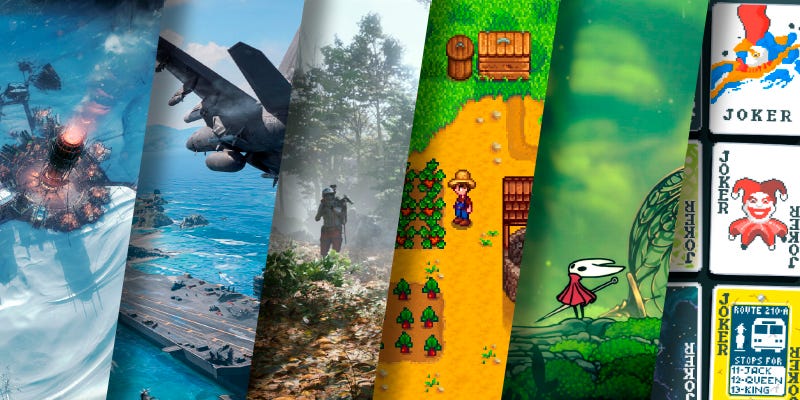
Are Steam Players of Particular Genres Less Accepting of AI?
This analysis examines whether Steam player sentiment regarding the use of artificial intelligence in game development varies by genre, age, or specific game preference.
- Steam players of 'handcrafted' genres like roguelike deckbuilders, idlers, and boomer shooters show higher resistance to AI, with Balatro players reporting a 51.8% non-acceptance rate compared to only 26.9% acceptance.
- Players of gritty, realistic AAA and strategy titles are more open to AI, with 53.9% of Frostpunk players and 41.8% of Battlefield 6 players expressing acceptance of AI inclusion.
- Hardcore strategy genres, including 4X, grand strategy, and base-building games, consistently rank at the high end of AI acceptance among Steam users.
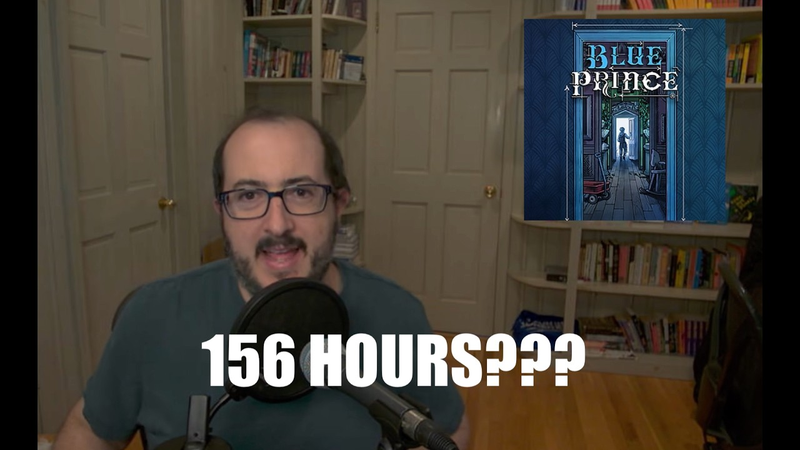
The 10 Games I've Played Most On Steam
This analysis examines the personal gaming habits of a prominent industry commentator, focusing on the ten most-played titles on their Steam account.
- Larian Studios' titles Baldur's Gate 3 and Divinity: Original Sin II are highlighted for their high-quality, non-filler combat systems and their ability to 'say yes to the player' through deep, interlocking mechanics.
- CrossCode, a Zelda-like RPG, is noted for its brilliant concept of an MMO-within-a-game, earning 155.1 hours of playtime across multiple playthroughs.
- Hundred Line Last Defense Academy is described as an extreme example of a slow-burn narrative, where the initial 30-hour playthrough functions primarily as a prologue to the actual game.
Why Big Game Companies Don't Make Small Games
Large game publishers frequently face criticism for prioritizing massive, high-budget projects over smaller, experimental titles.
- Publicly traded publishers prioritize established franchises like Call of Duty and World of Warcraft because they offer the predictable, scalable revenue required to satisfy corporate mandates for high ROI.
- Large companies view smaller, experimental projects as inefficient uses of resources because they lack the potential to become billion-dollar franchises that justify massive marketing and technical infrastructure investments.
- The industry’s shift toward 'engagement-first' design metrics, such as daily active users, penalizes shorter or experimental games that cannot sustain the long-term retention levels of live-service models.

Why Hobbyists Are a Bigger Discovery Disruptor for Games Than AI
The primary thesis posits that hobbyist and semi-professional game developers represent a more significant disruptive force in the modern PC gaming market than artificial intelligence.
- Hobbyist and semi-professional game creators, not AI, are the primary disruptors in the PC game market, exemplified by titles like "Running Train" and "Dinkum" ($23 million LTD Steam gross revenue).
- The rise of hobbyist developers is fueled by accessible, inexpensive engine technology (e.g., Unreal, Unity), readily available asset stores (e.g., Fab.com), and global distribution platforms like Steam that offer equal reach.
- "Dinkum," a solo-developed game, achieved $23 million in lifetime Steam gross revenue and secured a publishing deal with Krafton, demonstrating the commercial viability of hobbyist projects.

News Round-up: Colorado DLC Veto, Fable Delay, and Switch 2 Japan Surge
The roundup presents a snapshot of recent regulatory, corporate, and market developments across the global gaming industry.
- Microsoft has delayed the release of its flagship RPG 'Fable' to February 2027 to avoid a saturated 2026 release calendar.
- Nintendo’s Switch 2 sales in Japan reached over 200,000 units per week—a fourfold increase over the previous monthly average—ahead of a ¥10,000 price increase.
- Integrated Media Company, the owner of GameSpot and Fandom, has agreed to acquire Balatro publisher Playstack for $151 million.
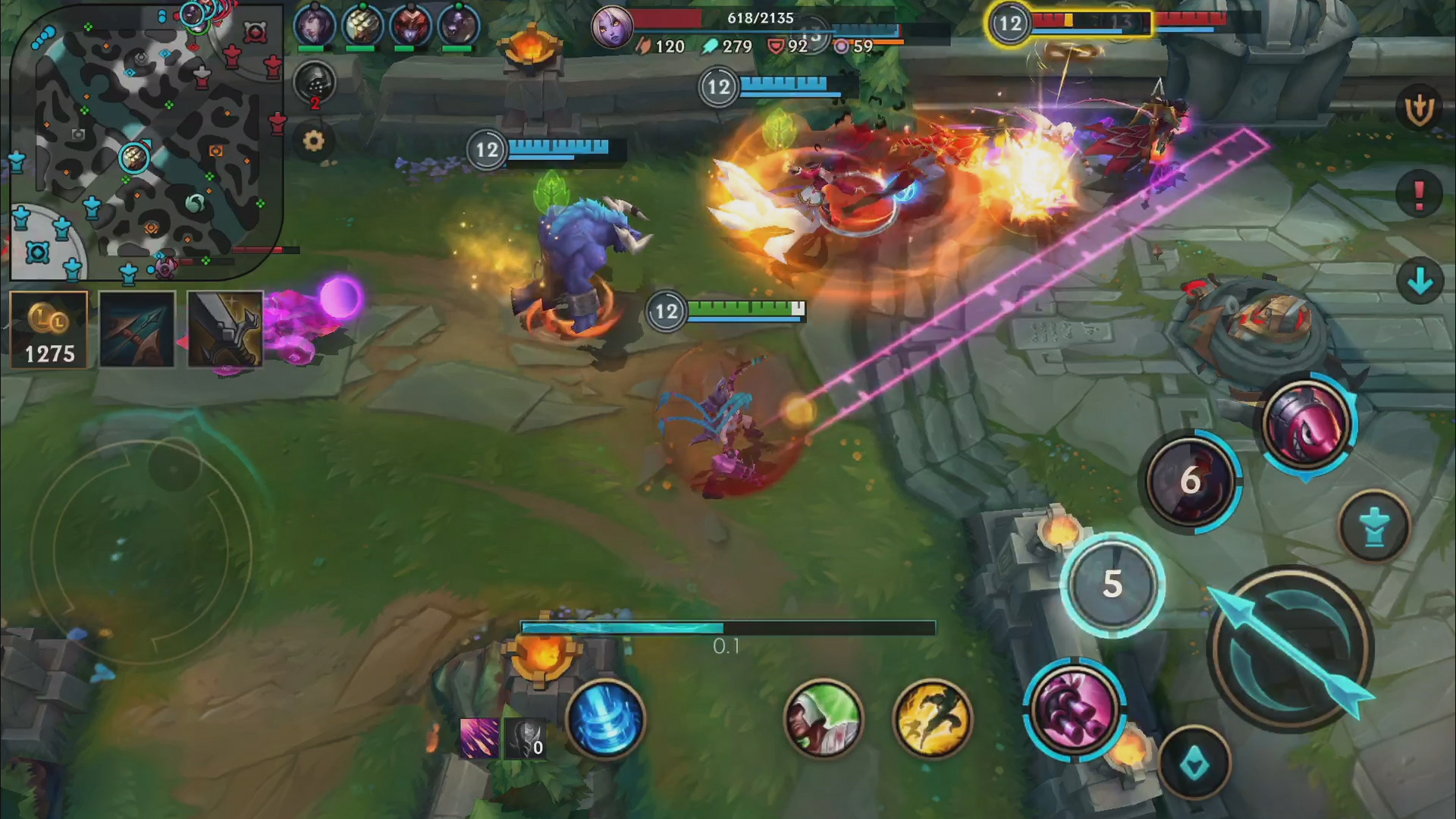
Best Mobile Games on iPhone: Big Hits and Hidden Gems
The article presents a curated list of iPhone mobile games that balance short-session enjoyment with long-term depth, targeting a global audience of iOS users in 2026.
- The 2026 iPhone gaming landscape is characterized by a high volume of low-quality filler titles, necessitating a curated approach to app selection.
- Effective mobile device engagement is achieved by rotating between three distinct categories: large open-world adventures, quick competitive matches, and cozy simulation or puzzle games.
- The recommended selection of ten titles for 2026 includes Genshin Impact, MARVEL SNAP, Call of Duty: Mobile, Stardew Valley, Balatro, League of Legends: Wild Rift, Minecraft, Bloons TD 6, Dead Cells, and Monument Valley 2.
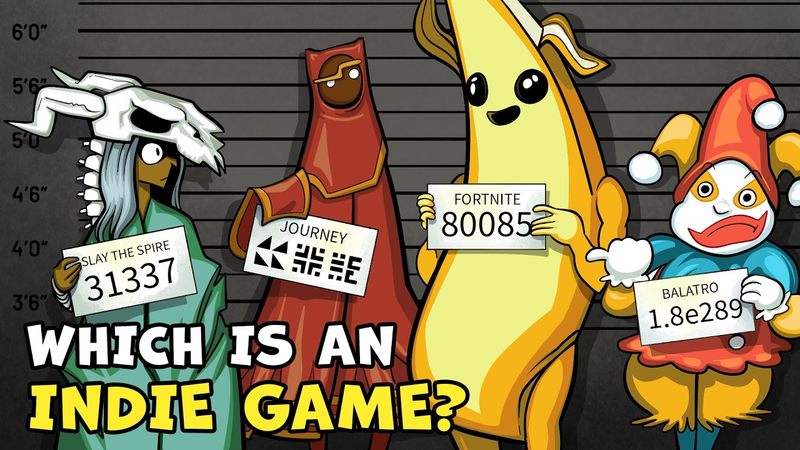
Defining "Indie" in 2026 | Extra Credits Gaming
The term indie in the video game industry has evolved from a clear descriptor of independent production into a complex, contested, and often contradictory label.
- The term 'indie' has evolved from a descriptor of self-funded, hobbyist-led development in the 1980s to a nebulous marketing label that no longer reliably distinguishes between studio size, funding models, or creative independence.
- Modern industry giants like Epic Games, which was founded in 1991 and maintains self-publishing status for Fortnite despite a 40% ownership stake by Tencent, demonstrate that self-publishing does not inherently equate to the 'indie' identity.
- The historical distinction between AAA and indie games—defined by 3D hyperrealism versus unique art styles and corporate versus 'punk rock' culture—has blurred as AAA studios increasingly adopt stylized aesthetics and indie developers rely on external publishers like Devolver Digital or Humble Bundle.
Vampire Survivors' New Spin-Off Has Hooked Me
The article examines the transition from the 2022 indie hit Vampire Survivors to its first spin-off, Vampire Crawlers, and proposes a similar card-based mechanic in the upcoming city-builder Combolands.
- The spin-off Vampire Crawlers evolves the core Vampire Survivors formula by replacing passive progression loops with strategic, card-based mechanics like mana-cost sequencing.
- Vampire Crawlers shifts gameplay from mindless repetition to active decision-making by requiring players to engage in deck building and tactical combo management.
- The industry is seeing a broader trend of 'Balatro-for-X' mechanics, where card-driven systems are being integrated into diverse genres to add depth while maintaining accessible progression.
💀 Review Radar #11: 80% of the games we covered are already dead!
The mobile gaming landscape is currently defined by extreme volatility, with approximately 80% of new titles failing to maintain long-term momentum following their initial release.
- Approximately 80% of new mobile game titles fail to maintain long-term momentum, experiencing sharp declines in downloads and revenue shortly after their initial release.
- The industry is shifting away from brute-force user acquisition strategies, which often mask poor design stability and fail to sustain a consistent player base.
- Niche-focused titles with innovative mechanics, such as Sunday City, are demonstrating superior resilience, with the game currently generating $100,000 in daily revenue.
🎲Dicero: Habby’s biggest bet (And biggest risk?)
Habby is undergoing a fundamental strategic transition, moving away from the hypercasual-adjacent success of titles like Survivor.io toward a more complex, midcore model exemplified by its latest release, Dicero.
- Habby is pivoting from hypercasual-adjacent titles like Survivor.io to a midcore model with Dicero, characterized by complex gacha mechanics, tiered evolution, and a slower-paced merging economy.
- The studio has abandoned rewarded advertisements in favor of a direct-to-consumer web store and high-intent monetization, marking a fundamental shift in its revenue strategy.
- Habby is currently facing its lowest revenue and download figures in recent history, casting doubt on whether its new, more complex gameplay can achieve the same market penetration as previous hits.