Key insights
7 slides
What changed
Xbox initiated a strategic reset in July 2026.
The company announced a reduction of 3,200 staff members. It is also divesting five game businesses.
Divestments
Xbox is divesting five game businesses.
Double Fine and Compulsion Games are spinning out. Ninja Theory and Undead Labs are being sold.
Key number
Game Pass stagnated at 30 million subscribers.
The service failed to reach its 70-million-subscriber target. This shortfall led to the cannibalization of premium sales.
Hardware gap
Xbox's 35 million install base trails the PS5's 94 million.
Margins were significantly lower than industry peers.
Install base. Xbox's hardware install base is 35 million units compared to the PlayStation 5's 94 million.
External factors
Microsoft is shifting focus toward core intellectual properties.
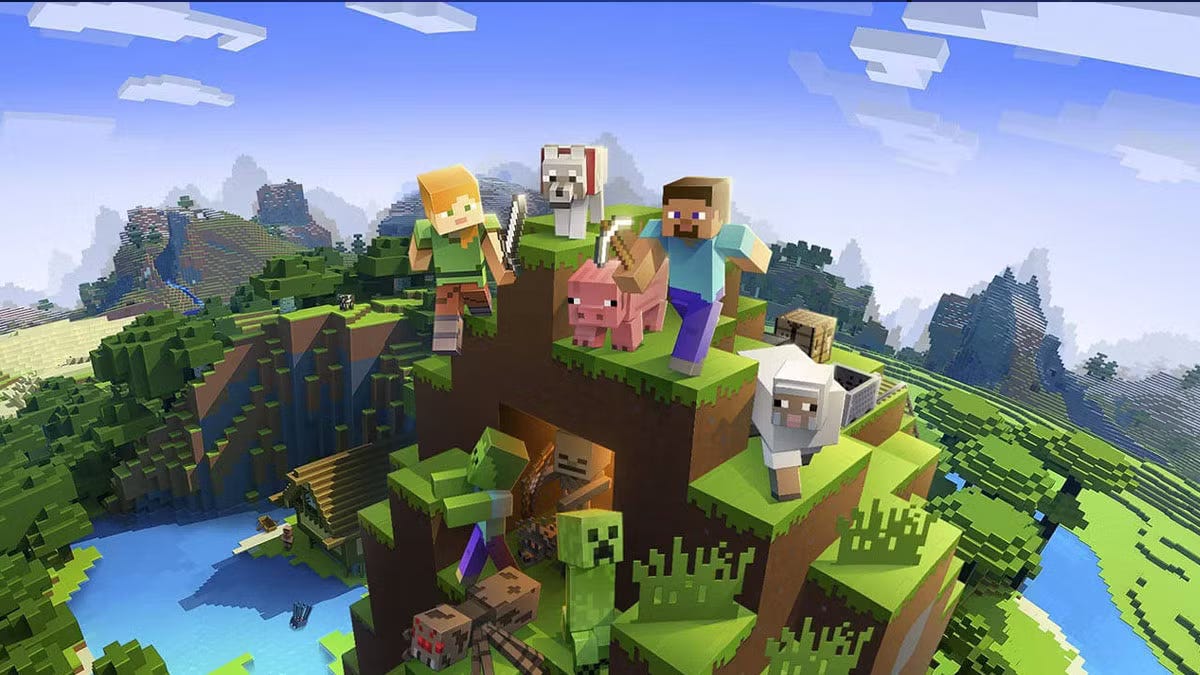
The new leadership aims to consolidate around core IPs like Minecraft and Candy Crush. This aims to mitigate high operational costs and AI infrastructure capital allocation.
Market maturity
The broader console market has reached maturity.
Competition from agile development hubs and the shift toward Asian markets increased vulnerability.
Uncertainty
The feasibility of the transition remains uncertain.
Structural and market-based challenges face the brand. The previous business model was fundamentally unsustainable.
1 / 7
Ask AI about this report