The Russian Video Game Trade Association (VIDO) has unveiled a formal strategy aimed at revitalizing the nation’s interactive entertainment sector following years of industry isolation. The primary objective of this initiative is to elevate the domestic games industry to the seventh-largest market globally by 2035. The strategy focuses on four pillars: maximizing investment, fostering constructive dialogue with the government, establishing video games as a positive cultural asset, and creating specialized educational pathways to cultivate local talent.
The development of this strategy follows a period of significant disruption beginning in 2022, characterized by the withdrawal of international firms, restricted access to development tools, and exclusion from global banking systems. To address these challenges, the industry is lobbying for state-backed funding, tax incentives for investors, and export support. The plan also includes specific operational goals, such as combating in-game cheating, strengthening anti-piracy measures, and promoting national pride through initiatives like a dedicated video game museum and a monument to Tetris.
Despite the industry’s desire for autonomy, the strategy remains deeply intertwined with the objectives of the Russian state. The document advocates for closer ties with non-endemic, state-linked organizations, including energy giants like Gazprom and Rosneft, and relies on funding from entities sanctioned by international bodies for their role in the conflict in Ukraine. While the strategy mirrors professional development frameworks seen in other global markets, its implementation is complicated by the ongoing threat of restrictive, China-style regulatory legislation. Ultimately, the industry faces a precarious balance between seeking state support for growth and maintaining the independence necessary to operate effectively within the global gaming ecosystem.
The September 2026 edition of The Debrief serves as a monthly synthesis of critical developments, financial transactions, and cultural shifts within the global video game industry. The publication aims to provide stakeholders with a high-level overview of the regulatory, economic, and creative trends defining the sector during this period.
Key industry developments highlighted in the update include the introduction of the EU KIDS Act, which mandates new regulatory restrictions for online gaming environments within Europe. On the financial front, the hardware sector saw significant activity with Nex Playground securing $150 million in funding to bolster its family-oriented console business. Additionally, the report notes broader cross-industry trends, specifically the increasing influence of game-literate directors on contemporary film production.
The scope of the coverage is international, with a primary focus on European regulatory policy and global corporate investment. Beyond these primary headlines, the publication contextualizes the month’s events by referencing ongoing industry challenges, including corporate restructuring at Xbox and broader discussions regarding online safety and workplace culture. By aggregating these disparate data points, the summary provides a snapshot of an industry navigating a complex landscape of legislative oversight, capital infusion, and evolving media convergence.
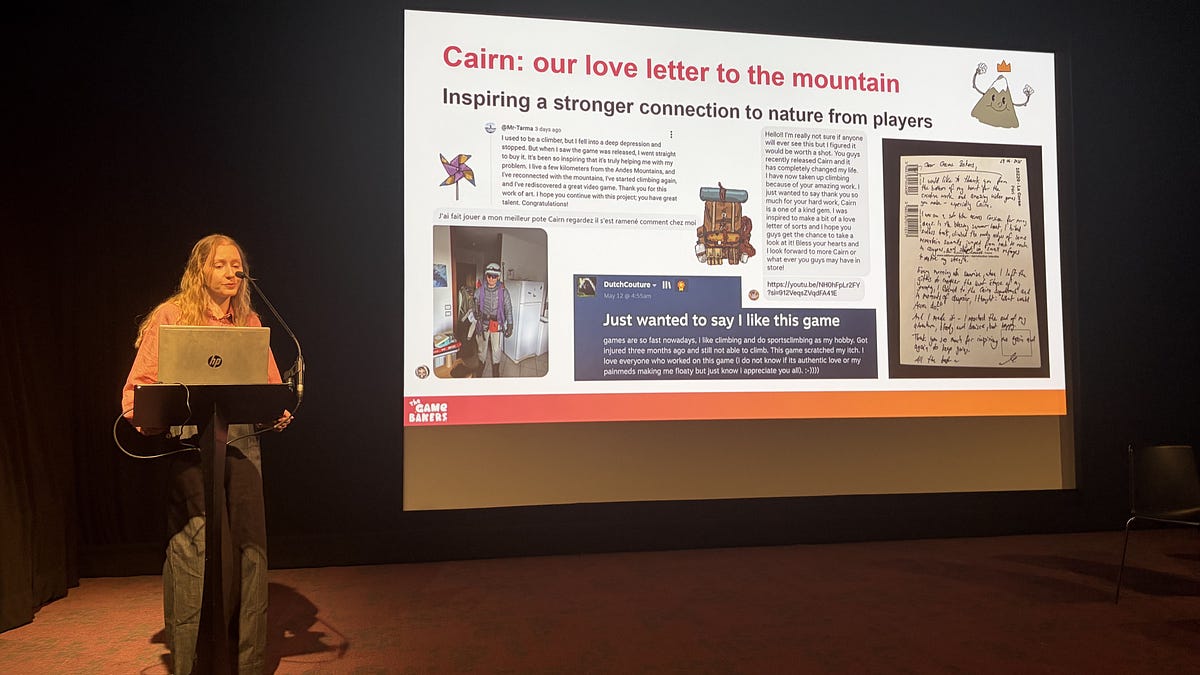
The video game industry possesses a unique capacity to influence climate discourse by embedding environmental themes directly into interactive experiences. By leveraging the universal human appreciation for nature, developers can foster player agency and promote sustainability without relying on the polarizing or didactic messaging that often characterizes traditional climate advocacy. This approach shifts the focus from passive consumption of information to active engagement, allowing studios to shape cultural norms and environmental awareness through immersive storytelling and gameplay mechanics.
This strategic shift occurs against a backdrop of significant industry volatility, marked by widespread layoffs at major entities like Xbox and the closure of prominent studios such as Ninja Theory. Despite these structural disruptions, the imperative for developers to wield their persuasive influence thoughtfully remains a central concern for the sector. The industry is currently navigating the tension between its creative potential to drive social change and the economic pressures threatening its stability, particularly as it addresses the complexities of integrating meaningful social messaging into commercial products.
The scope of these developments encompasses the global video game landscape as of late 2026, reflecting a period of intense transition for both creative output and corporate sustainability. As studios grapple with the dual challenges of economic contraction and the responsibility of their cultural reach, the integration of environmental narratives serves as a critical case study in how interactive media can transcend traditional entertainment boundaries. Ultimately, the industry is positioning itself as a vital, albeit evolving, platform for fostering public discourse on global sustainability.
The Christchurch Call Foundation, an international alliance established to combat online violent extremism, has identified misogyny as a critical driver of radicalization and mass violence. During a recent action forum at Oxford University, leadership emphasized that hatred toward women is a consistent precursor to extremist behavior, noting that gender-based violence appears in at least 40% of extremist manifestos. Data presented at the forum revealed that between 2018 and 2025, there were 32 planned mass attacks motivated by misogyny, with perpetrators showing a median age of 23. Furthermore, research indicates that between August 2018 and August 2026, there were 84 attempted or successful attacks involving gamified or video game-adjacent elements, resulting in 202 deaths and 440 injuries, with a median perpetrator age of 17.5.
The primary objective of the forum was to integrate the video game industry into broader efforts to establish safety guardrails and moderate toxic online environments. While the gaming sector is increasingly recognized as a space where misogynistic norms can foster real-world harm, industry participation remains limited; only two major game companies, Roblox and Discord, are currently members of the Christchurch Call. The forum explored potential technological solutions, such as AI-powered moderation tools designed to identify and flag problematic behavior in real-time, as well as the implementation of reward systems that incentivize inclusive community norms.
The analysis concludes that while the gaming industry has a significant role to play in mitigating these risks, effective change requires deeper collaboration between developers, policymakers, and civil society. The current landscape, characterized by a rise in polarized and aggressive political rhetoric, complicates these efforts. Ultimately, the findings suggest that the industry must move beyond passive moderation and actively address the cultural factors within its communities to prevent the normalization of misogyny and its subsequent escalation into violent extremism.
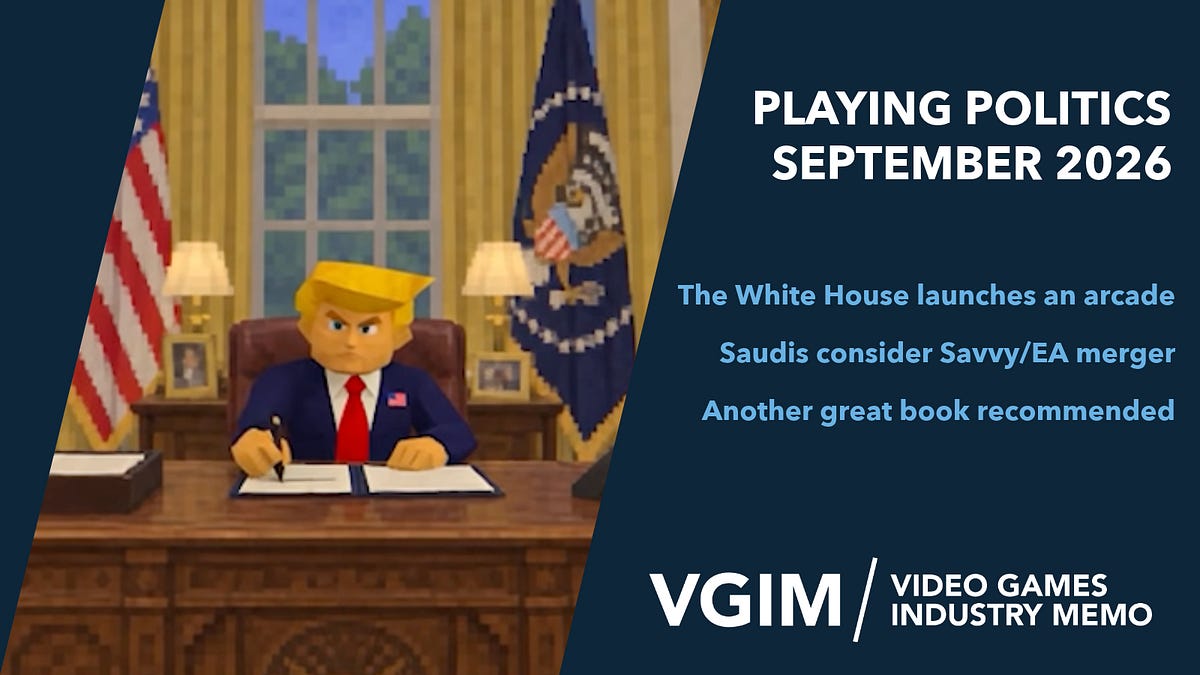
The September 2026 edition of the Video Games Industry Memo addresses the intersection of American political messaging and the gaming sector, specifically focusing on the White House’s recent utilization of video game intellectual property for promotional purposes. The primary thesis argues that the gaming industry’s current strategy of silence regarding the unauthorized use of its assets by political actors is unsustainable and risks damaging the industry's reputation through tacit association with partisan propaganda.
The analysis highlights two specific instances of concern: the launch of a White House-branded arcade featuring modified versions of popular games and the use of copyright-infringing social media content that depicts political figures within established gaming aesthetics. Despite these clear instances of intellectual property infringement, major industry stakeholders, including Nintendo and Sega, have remained notably passive. The author contends that this lack of public pushback is a strategic error, suggesting that companies must proactively and consistently clarify their lack of involvement in political messaging to maintain their neutrality and protect their brand integrity.
Beyond the focus on political propaganda, the publication notes significant industry developments, including reports of potential consolidation efforts involving the Saudi Public Investment Fund, specifically regarding a mooted merger between Savvy Games and Electronic Arts. These observations underscore a broader trend of high-stakes geopolitical and corporate maneuvering within the global gaming market. The content serves as a call to action for industry leaders to adopt a more assertive stance in defending their intellectual property against political appropriation.
The primary objective of this analysis is to explore how comedy podcasting can serve as a vehicle for integrating video games into broader cultural conversations. The central thesis posits that the games industry struggles to achieve mainstream cultural cut-through because it often remains siloed within its own bubble. By leveraging the reach and relatability of established comedians who are genuine gaming enthusiasts, the industry can effectively bridge this gap and engage wider audiences.
The analysis highlights the success of the podcast Button Boys, hosted by comedian Glenn Moore alongside Pierre Novellie and Sarah Keyworth. The show differentiates itself by focusing on informal, content-driven discussions rather than industry-centric news, which often centers on negative topics like layoffs or toxic workplace cultures. This approach has proven successful, resulting in consistent weekly engagement, successful Patreon support, and corporate sponsorships from entities like Team 17 and 2K Games. The findings suggest that as gaming becomes more ubiquitous, comedians are increasingly comfortable incorporating gaming references into their material, signaling a shift in public perception and a growing willingness among "shy gamers" to openly discuss their hobby.
The scope of this discussion is primarily focused on the United Kingdom’s comedy and gaming landscape as of September 2026. The methodology relies on qualitative insights gathered through an interview with Glenn Moore, supplemented by observations of current industry trends, such as the rise of generative AI controversies in titles like NHL 27 and the emergence of institutional support programs like the Nova Games Foundation. Ultimately, the analysis concludes that the industry must move beyond insular reporting and embrace more accessible, personality-driven platforms to foster deeper cultural relevance.
The recent showcase of Grand Theft Auto VI, premiered via a 26-minute gameplay reveal on Netflix, serves as a pivotal moment for the gaming industry, demonstrating the massive commercial and cultural influence of the franchise. The primary objective of the analysis is to evaluate the success of the Netflix partnership, the technical reception of the game, and the broader implications for Rockstar Games and the console market.
The reveal was a significant success for both parties. Netflix reported 31.1 million views within four days, with the content ranking as the most-watched item in 87 of 93 tracked territories. The platform also saw a 125% increase in web traffic and a 60-place jump in iOS download rankings. For Rockstar, the event catalyzed a 436% surge in pre-orders on August 27, 2026, and contributed to hardware shortages for the PlayStation 5 Pro in key markets like the UK and Germany. Critics praised the game’s technical fidelity and mechanical depth, noting significant evolutions in AI interaction, evidence-based wanted systems, and complex protagonist relationship mechanics.
The scope of this analysis covers the global gaming landscape as of September 2026, with specific focus on the intersection of streaming media and interactive entertainment. The findings rely on data from industry analysts including Sensor Tower, Streamcharts, and Digital Foundry, alongside mainstream media reporting. While Rockstar faces ongoing challenges, including a pending employment tribunal regarding union-busting allegations, the company remains in a strong financial position, evidenced by recent real estate acquisitions and a new partnership with nopixel to expand its user-generated content ecosystem. Ultimately, the successful reveal reinforces the status of Grand Theft Auto VI as a critical driver for the broader console industry.
Gamescom 2026 serves as a pivotal indicator of the evolving landscape of the global video game industry. The primary thesis posits that the event has solidified its status as the premier international industry conference, effectively displacing traditional American-centric events like GDC in terms of global influence and strategic importance.
The analysis highlights a broader, structural shift in the gaming sector, characterized by a move away from North American dominance toward a more decentralized, international model. By positioning Gamescom as the central hub for industry discourse and business development, the assessment suggests that the center of gravity for professional gaming gatherings has migrated to Europe. This transition reflects changing priorities for developers, publishers, and industry stakeholders who increasingly view the Cologne-based event as the most significant venue for networking and market engagement.
The scope of this observation covers the 2026 iteration of the conference, contextualizing it within the current state of the global gaming market. While the assessment is qualitative, it draws upon the author’s direct experience at the event to conclude that the conference’s influence has reached a new peak. By framing Gamescom as the new standard-bearer for industry gatherings, the analysis underscores a fundamental realignment in how the global gaming community organizes its professional calendar and prioritizes its business interactions.
The Gaming for Democracy initiative, spearheaded by Germany’s Foundation for Digital Games Culture, aims to strengthen democratic values within digital gaming spaces. By positioning gaming communities as socially relevant "third places," the project seeks to counter the influence of extremist and populist actors who have historically exploited these environments. The initiative, which is supported by partners including the Bertelsmann Foundation and the Federal Agency for Civic Education, focuses on fostering civic engagement and democratic discourse among players and developers.
The project operates as a hub for knowledge exchange and incubator for new ideas, with a strategic focus on the 2029 German general election. A core component of the mission is the Community Support Network, which provides resources and a collaborative space for over 100 community moderators to share best practices. Rather than imposing heavy-handed political messaging, the initiative emphasizes the protection of democratic rights—such as freedom of speech and assembly—and encourages industry professionals to cultivate inclusive, safe environments. Research from the Bertelsmann Foundation supports this effort, indicating that frequent gamers often demonstrate higher levels of political involvement than the general population.
Beyond this primary focus, the industry landscape as of August 2026 includes significant developments such as the trailer reveal for Grand Theft Auto VI and an $18 billion settlement by Meta regarding child safety lawsuits. Other notable industry shifts include Roblox’s expansion into Saudi Arabia and ongoing discussions regarding console affordability and sustainable publishing models. These events reflect a broader, evolving intersection between the gaming industry, global policy, and social responsibility.
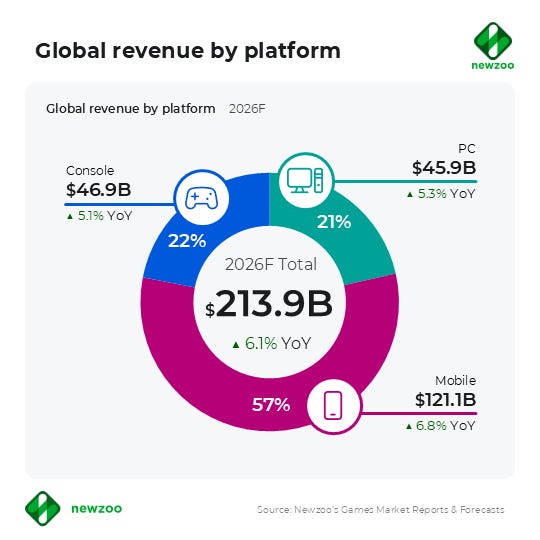
The global video games market is projected to reach $213.9 billion in revenue in 2026, representing a 6.1% increase over the previous year. This growth is supported by a global player base of 3.7 billion people. While the industry is expanding across all major platforms—PC, mobile, and console—the distribution of this growth is uneven. Mature markets in North America and Europe are seeing slower expansion compared to emerging regions like the Middle East and North Africa, which recorded a 10.3% revenue increase to $8.5 billion. Meanwhile, the Asia-Pacific region has solidified its status as the industry's center, surpassing $100 billion in annual revenue.
These findings, based on preliminary data from Newzoo’s 2026 Global Games Market report, highlight a period of structural transition rather than decline. The console sector, in particular, remains heavily reliant on the performance of major titles such as Grand Theft Auto VI to drive year-on-year growth and hardware adoption. Additionally, the industry is navigating rising hardware costs, which threaten to dampen consumer uptake, and a shift in market influence as Asian publishers increasingly capture market share in Western territories.
Beyond market metrics, the industry is experiencing heightened political engagement. The 2026 Gamescom event featured a record-breaking political presence, with 150 policymakers and government representatives in attendance. Discussions centered on the economic value of the sector, the necessity of regulatory frameworks like the Digital Fairness Act, and the potential for a unified European video game strategy. Ultimately, the industry is characterized by a shift in investment and talent toward emerging markets, requiring developers to prioritize innovation and platform optimization to remain competitive in a rapidly evolving global landscape.
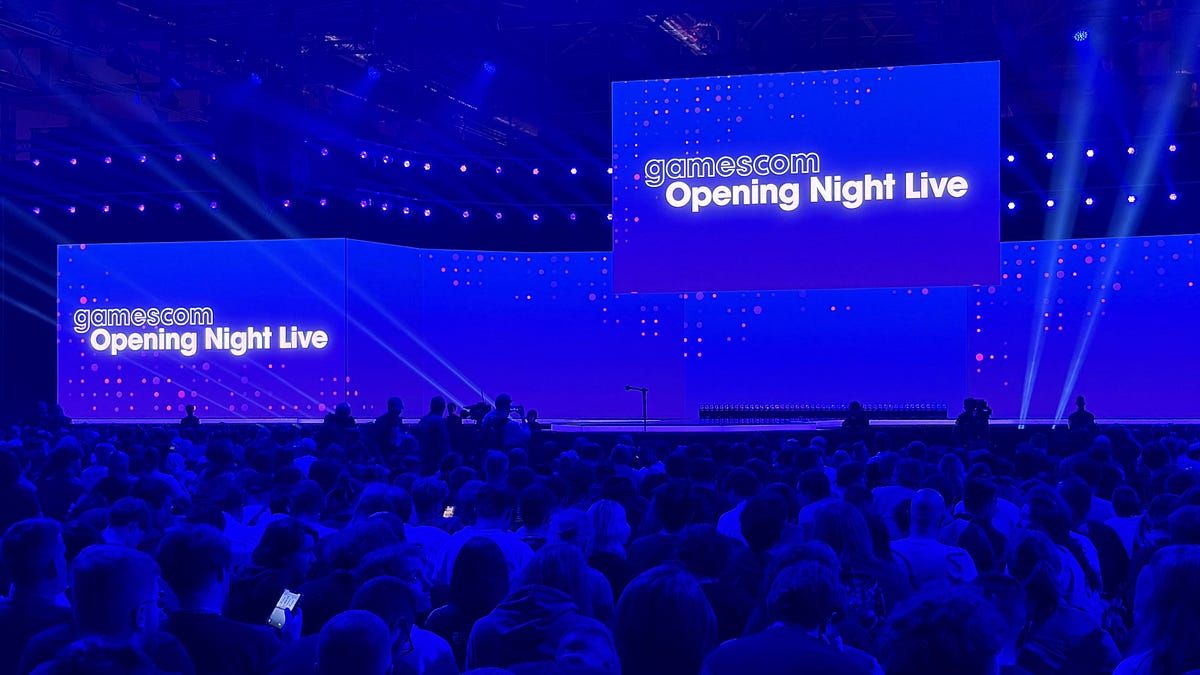
The 2026 Opening Night Live (ONL) showcase at Gamescom in Cologne is characterized as a disappointing experience for attendees, failing to justify the significant time investment required for the event. Despite high anticipation and large crowds, the two-and-a-half-hour presentation suffered from poor pacing, excessive padding, and a lack of impactful, original announcements. The showcase relied heavily on prequels, reboots, and remasters—such as Gears of War: E-Day, Final Fantasy VII: Revelation, and new content for The Witcher 3—rather than delivering fresh, groundbreaking reveals.
While the event featured a diverse range of titles, including Nodusfall, Rainbow Six: Tactics, and various indie projects like Löfsong and Pony Island 2: Panda Circus, the overall quality was undermined by tonal inconsistency and a high volume of generic action games. The inclusion of a disruptive, AI-themed advertisement further alienated the audience, contributing to a sense of fatigue among those in attendance. The analysis suggests that the event struggled to maintain energy, with only a few titles, such as Train Sim World 7, managing to elicit a meaningful positive response from the crowd.
Beyond the critique of the showcase, the analysis highlights the role of The Corkonian pub as a vital, unofficial hub for the UK games industry during Gamescom. Serving as a center for networking and informal business, the venue facilitates serendipitous professional connections that are otherwise difficult to achieve in a distributed industry. The event coverage concludes that while Gamescom remains a significant industry milestone, the Opening Night Live presentation itself failed to meet the expectations of its audience, serving more as a logistical hurdle than a highlight of the conference.
The current landscape of artificial intelligence in the video game industry is defined by a shift from speculative pilot programs to practical, production-level integration. While generative AI remains a contentious topic, the industry is increasingly bifurcating between studios using these tools to accelerate content creation—often in the mobile market—and those focusing on infrastructure and software engineering. Developers are finding the most meaningful utility in automating backend processes, such as build management and boilerplate code, which allows for faster development cycles without compromising the core integrity of the product.
A significant trend in the industry is the move away from large, imprecise language models toward smaller, highly specialized models. Developers are prioritizing quantisation to reduce model size, enabling them to run AI tools locally on neural processing units. This approach addresses both the prohibitive costs of large-scale LLM deployment and the need for robust, maintainable code. Furthermore, there is a growing emphasis on AI literacy and governance, with experts advocating for clear internal communication regarding the risks, legal implications, and ethical use of these technologies to ensure organizational resilience against industry hype.
Geographically, there is a notable divergence in AI adoption strategies. While Western studios grapple with the financial pressures of maintaining expensive, proprietary frontier models, Asian companies in markets like China and Korea are making significant strides by leveraging smaller, open-weight models. This strategic focus on leaner, more adaptable technology may provide these regions with a three- to five-year competitive advantage. Ultimately, the industry remains skeptical regarding the immediate profitability of current AI investments, suggesting that sustained success will require a more disciplined, practical application of AI rather than a reliance on broad, unrefined generative capabilities.