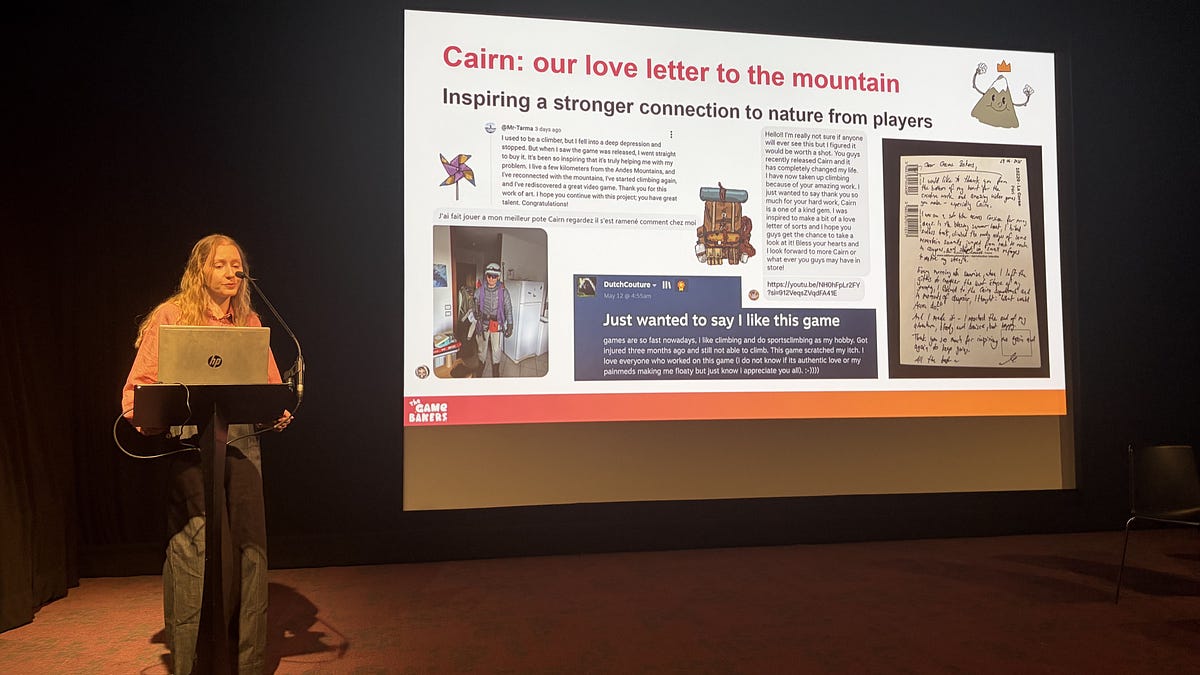
The video game industry possesses a unique capacity to influence climate discourse by embedding environmental themes directly into interactive experiences. By leveraging the universal human appreciation for nature, developers can foster player agency and promote sustainability without relying on the polarizing or didactic messaging that often characterizes traditional climate advocacy. This approach shifts the focus from passive consumption of information to active engagement, allowing studios to shape cultural norms and environmental awareness through immersive storytelling and gameplay mechanics.
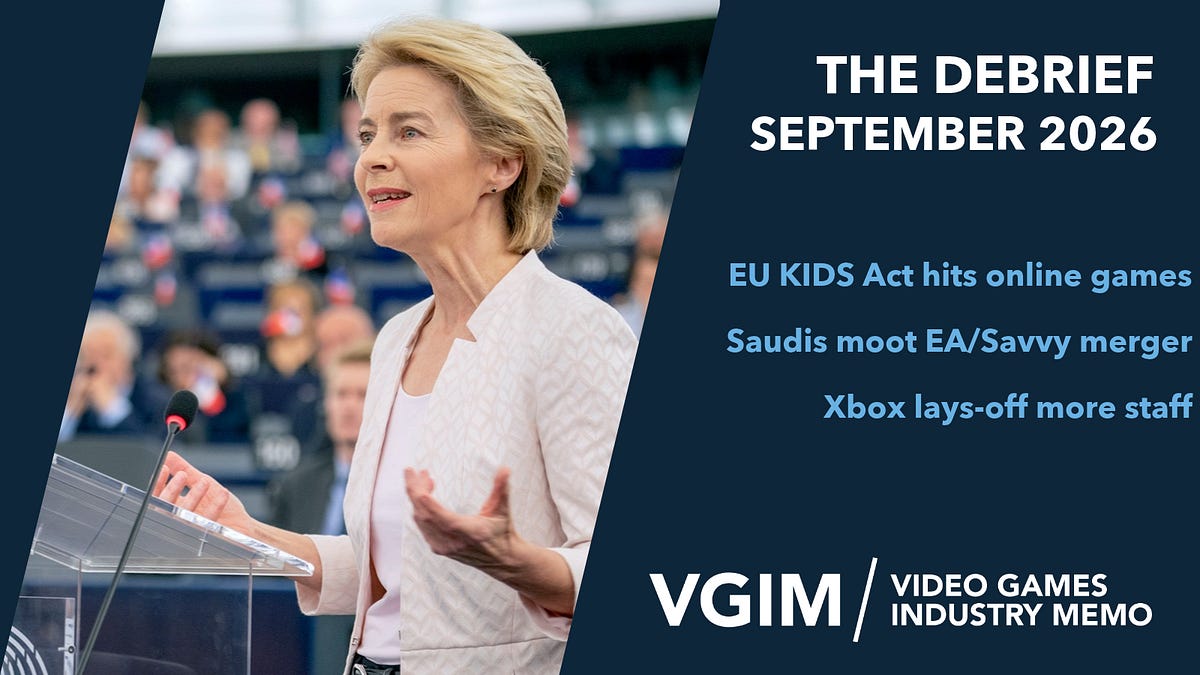
This strategic shift occurs against a backdrop of significant industry volatility, marked by widespread layoffs at major entities like Xbox and the closure of prominent studios such as Ninja Theory. Despite these structural disruptions, the imperative for developers to wield their persuasive influence thoughtfully remains a central concern for the sector. The industry is currently navigating the tension between its creative potential to drive social change and the economic pressures threatening its stability, particularly as it addresses the complexities of integrating meaningful social messaging into commercial products.
The scope of these developments encompasses the global video game landscape as of late 2026, reflecting a period of intense transition for both creative output and corporate sustainability. As studios grapple with the dual challenges of economic contraction and the responsibility of their cultural reach, the integration of environmental narratives serves as a critical case study in how interactive media can transcend traditional entertainment boundaries. Ultimately, the industry is positioning itself as a vital, albeit evolving, platform for fostering public discourse on global sustainability.

Video Games Industry Memo · 2026
Video Games Industry Memo · 2026

Video Games Industry Memo · 2026
Video Games Industry Memo · 2026

Video Games Industry Memo · 2026

Video Games Industry Memo · 2026
Video Games Industry Memo · 2026

Video Games Industry Memo · 2026
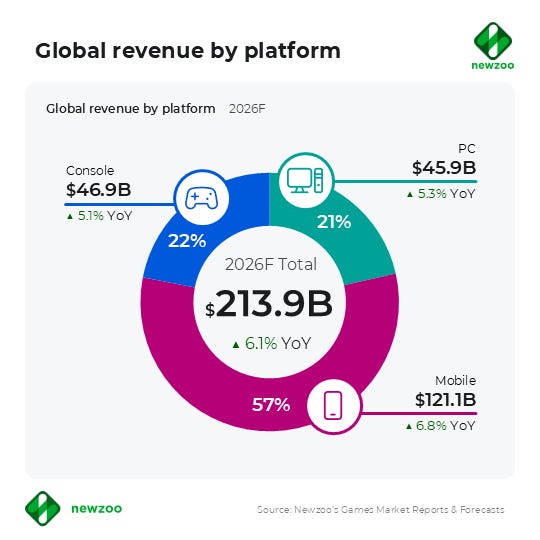
Video Games Industry Memo · 2026
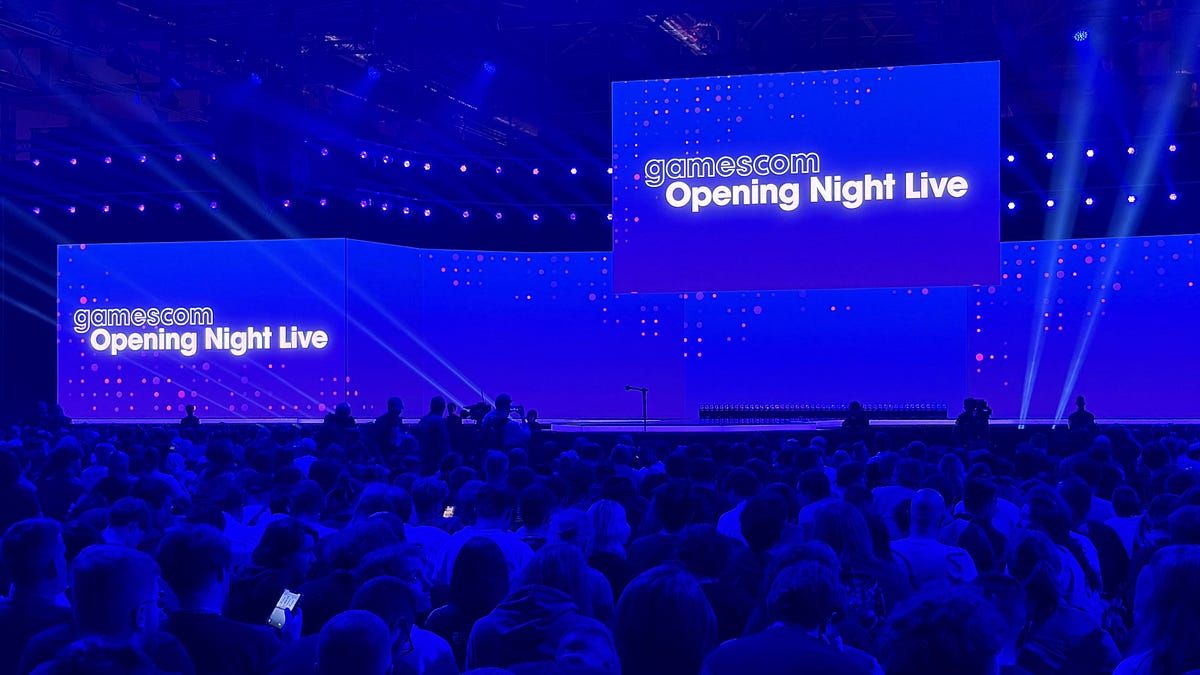
Video Games Industry Memo · 2026

Video Games Industry Memo · 2026

Video Games Industry Memo · 2026

KOCCA – Korea Creative Content Agency · 2025

Virtuos · 2024
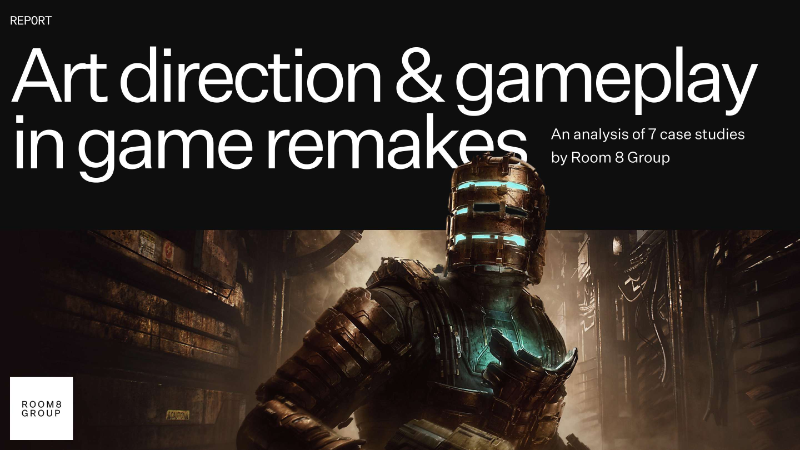
Room 8 Group · 2024

East Side Games
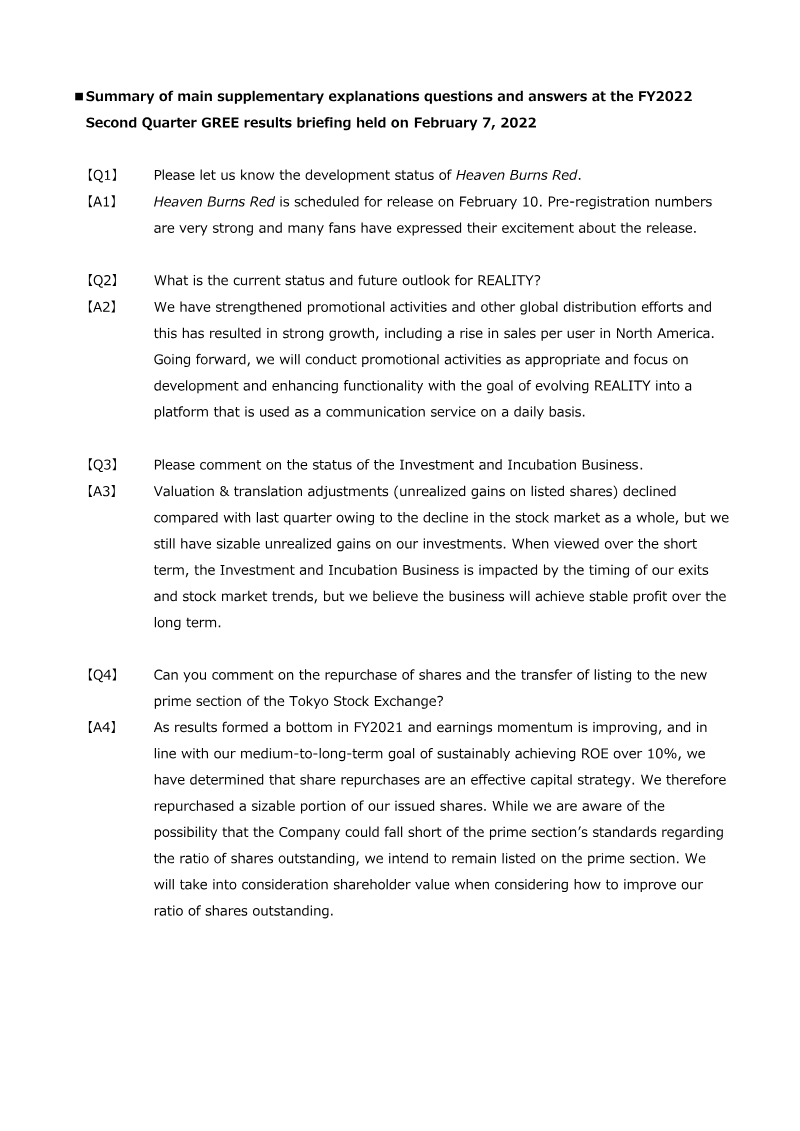
GREE

Adjust

GameAnalytics
GEEIQ · 2026

Almedia · 2026
Poki · 2026
Gamesight · 2026

InvestGame · 2026