Mojang
Documents about Mojang


Examining a Decade of Gaming Startup Exit Paths
The global gaming industry saw forty-two first-time startup exits with valuations exceeding $500 million between 2014 and 2024.
- Mobile gaming dominates the exit landscape, accounting for 75% of all major deals and achieving liquidity approximately 40% faster than PC or console-focused startups.
- Between 2014 and 2024, there were 42 first-time startup exits valued over $500 million, with 45% of these events concentrated in the 2020–2021 pandemic period.
- Exit strategy is highly correlated with valuation: M&A is the primary path for companies under $1 billion, while public offerings are the exclusive route for those valued at $5 billion or more.
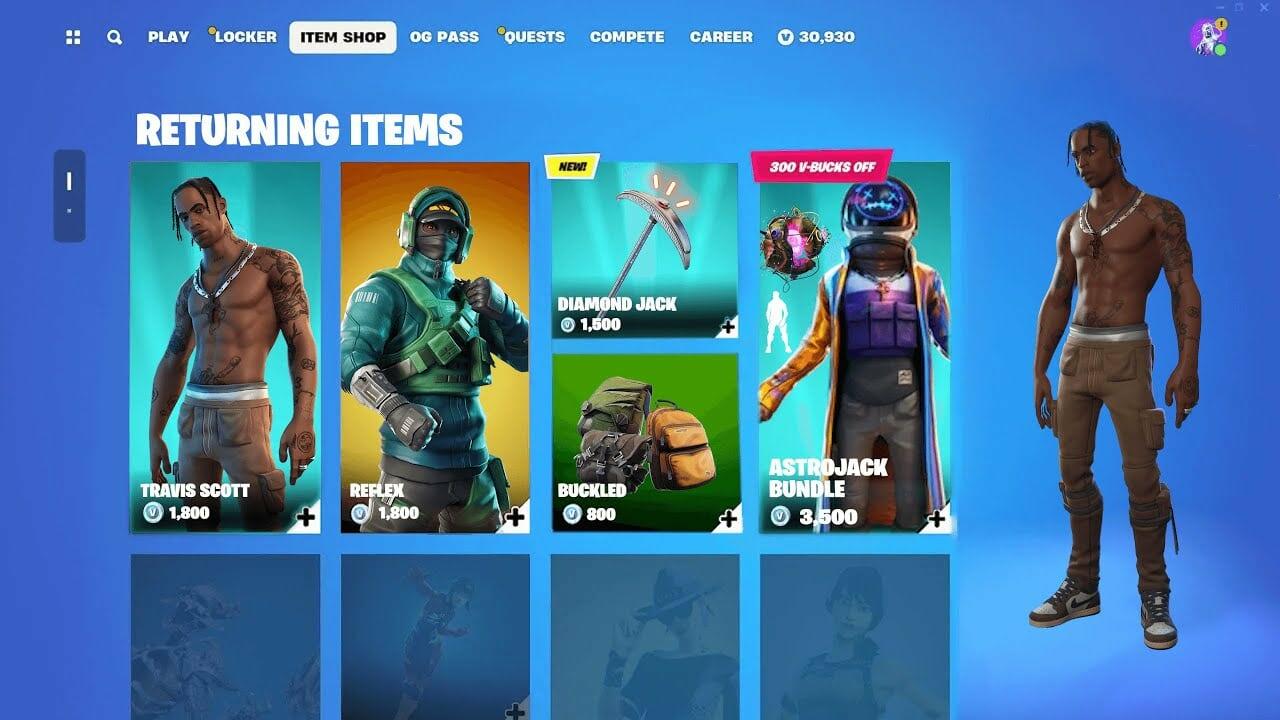
European Watchdog Takes Aim at In-Game Purchases
The European Consumer Organisation (BEUC), supported by 22 member countries, has filed a formal complaint with the European Commission regarding the monetization practices of major video game publishers.
- The European Consumer Organisation (BEUC) and 22 member countries have filed a formal complaint with the European Commission alleging that major game developers use manipulative tactics to encourage in-game spending.
- The complaint targets industry leaders including Epic Games, Electronic Arts, Roblox, Activision Blizzard, Mojang Studios, Supercell, and Ubisoft.
- Regulators are investigating claims that developers use virtual currencies to obscure the real-world cost of items, leading to excessive spending by younger consumers.
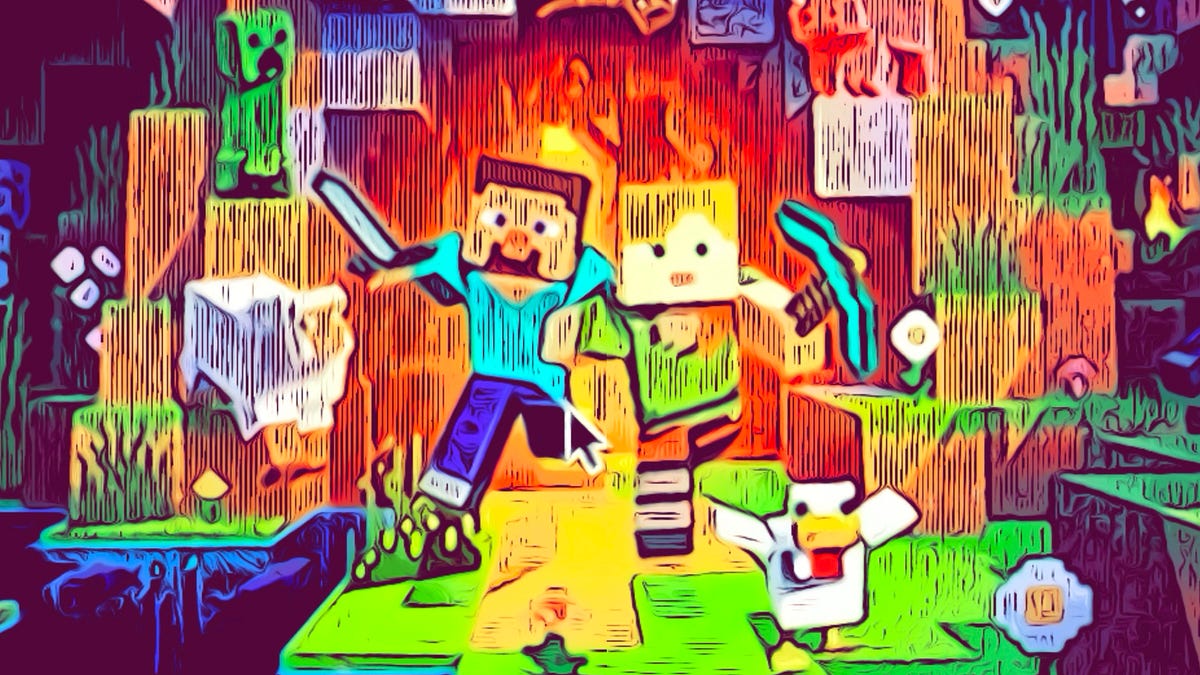
Building the Creator Economy Part 2: Minecraft
The primary focus of this analysis is the evolving landscape of user-generated content (UGC) within the video game industry, specifically through the lens of Minecraft’s creator platform.
- Kayla Kinnunen, Executive Producer of the Minecraft Creator Platform, emphasizes that Mojang’s strategy prioritizes the joy of content creation over incentivizing young users with promises of million-dollar earnings.
- Mojang is actively defining distinct creator cohorts to manage and scale user-generated content within the Minecraft ecosystem.
- The Minecraft Creator Platform is implementing specific strategies to maintain healthy monetization models within the increasingly competitive user-generated content market.


Game Developer Index 2023: Sweden
The Swedish games industry reached a significant financial milestone in 2022, with domestic revenues rising 13% to €3.1 billion and total global revenue, including foreign subsidiaries, surging 40% to €8.1 billion.
- The Swedish games industry saw total global revenue reach €8.1 billion in 2022, a 40% increase driven by aggressive international expansion and large-scale acquisitions like Embracer Group’s purchase of Asmodee.
- Domestic revenue in Sweden rose 13% to €3.1 billion in 2022, supported by a 20% growth in active companies to a total of 939 studios.
- Swedish-owned game companies now operate nearly 400 studios across 59 countries, with the industry employing nearly twice as many people abroad as it does within Sweden.
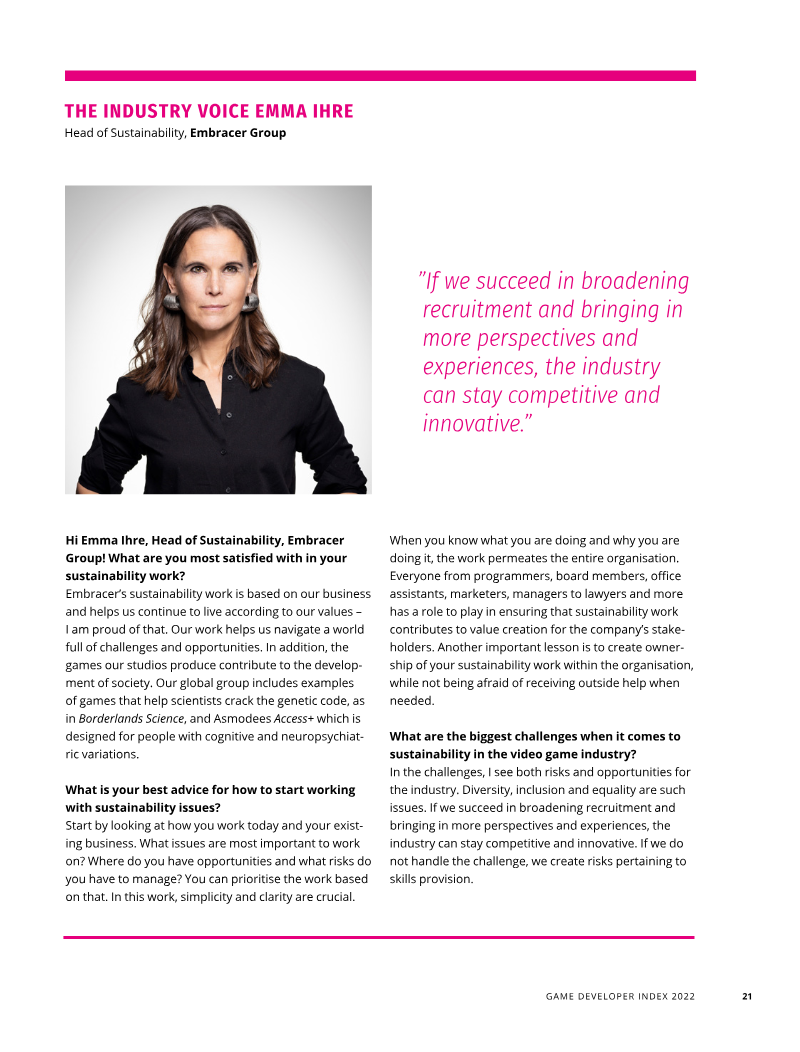
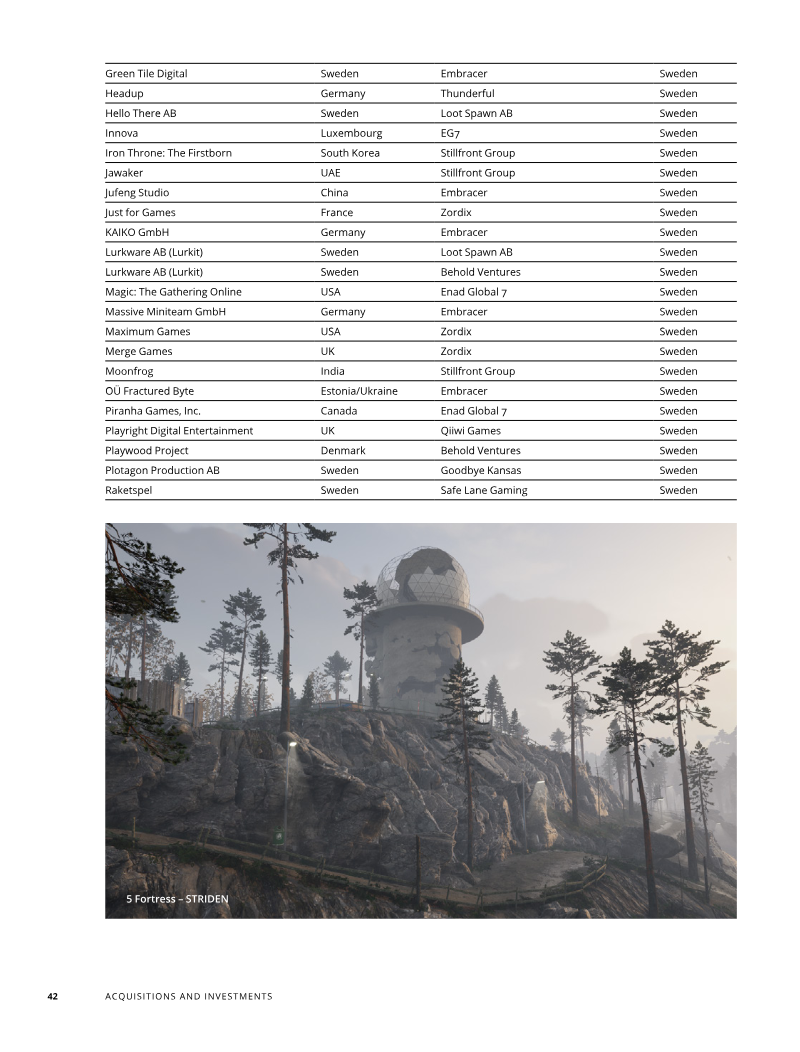
Swedish Games Industry 2022: Game Developer Index
The Swedish games industry serves as a powerhouse of global digital entertainment, characterized by rapid expansion and significant international influence.
- The Swedish games industry generated €5.8 billion in global revenue in 2021, with an estimated one in four people worldwide having played a Swedish-developed game.
- As of 2022, the sector includes 832 domestic companies employing nearly 8,000 people in Sweden, alongside 197 international studios and 11,100 foreign employees.
- Major entities including Embracer Group, King, and Mojang have driven the industry's massive international footprint through aggressive acquisition strategies.
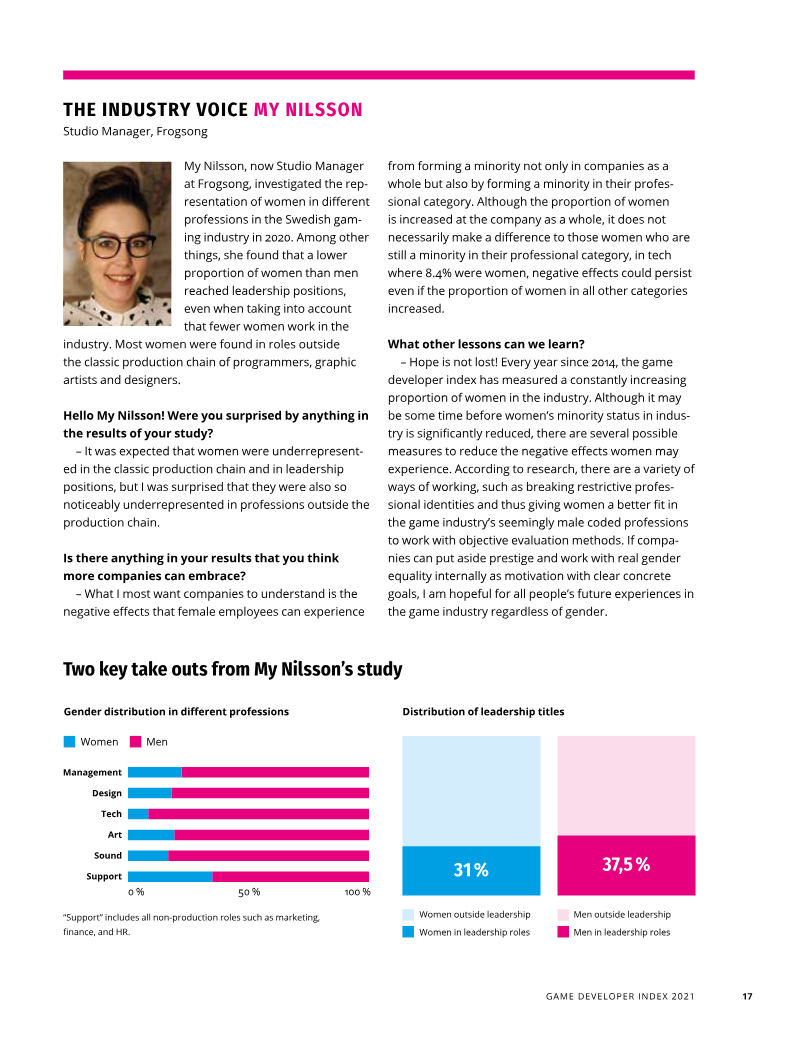
Swedish Games Industry 2021
The Swedish games industry experienced a transformative period of growth in 2020, reaching a record revenue of EUR 3.3 billion.
- The Swedish games industry reached a record revenue of EUR 3.3 billion in 2020, marking a 43% growth rate and the sector's twelfth consecutive year of profitability.
- Sweden has shifted from an acquisition target to a global investor, with 19 listed entities commanding a combined market capitalization of EUR 10.7 billion and Swedish-owned firms operating 126 international studios.
- A severe talent shortage and restrictive work permit processes are critical bottlenecks, despite domestic employment rising to over 6,500 positions.
Venture Capital Discovers a $150bn Industry
The global gaming industry has reached a valuation of approximately $150 billion, surpassing the combined scale of the film and music sectors.
- The global gaming industry has reached a $150 billion valuation, now exceeding the combined scale of the film and music sectors.
- Roblox has achieved a $4 billion valuation from Andreessen Horowitz, marking a significant premium over Microsoft’s $2.5 billion acquisition of Mojang in 2014.
- Roblox’s monthly active user base has tripled to 115 million, with financial projections estimating over $1 billion in revenue for 2020.
Games Accelerators for the Arts, Not for Monetization
The Stugan game accelerator, established in Sweden in 2014, serves as a non-profit initiative designed to foster the artistic development of independent games rather than prioritizing commercial monetization.
- Stugan is a non-profit Swedish game accelerator founded in 2014 that prioritizes artistic innovation over commercial monetization by taking zero equity from participating developers.
- The program hosts 20 to 23 global developers for an eight-week, distraction-free residency in the Swedish wilderness to focus exclusively on creative project development.
- Operational costs for the inaugural year totaled approximately $150,000, funded through a mix of private sponsorships, regional grants, the Swedish Innovation Fund, and in-kind facility donations.
Facts and Figures about Games Industry in Nordic Countries
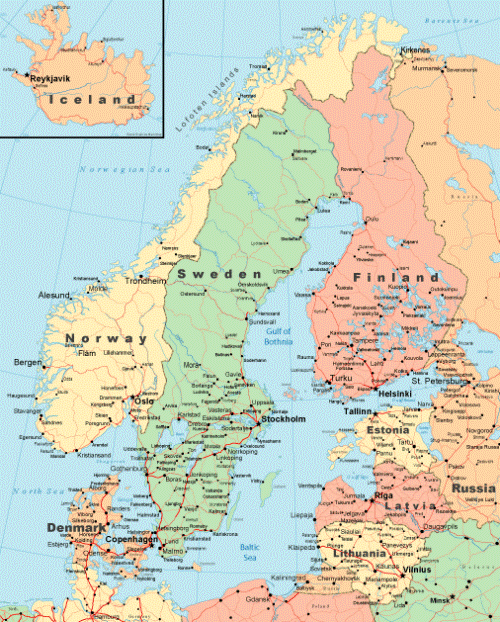
The Nordic games industry serves as a prominent model for international development, characterized by significant economic growth, high-profile acquisitions, and robust government support.
- The Finnish games industry experienced rapid growth between 2009 and 2015, with employment increasing from 1,020 to 2,700 jobs and annual turnover rising from €900 million to €2.4 billion.
- Sweden dominates the Nordic games market, accounting for 36% of the region's total volume and value, followed by Norway at 25%, and Denmark and Finland at approximately 20% each.
- High-profile acquisitions of Nordic firms include Microsoft’s €2.18 billion purchase of Mojang in 2014 and Activision Blizzard’s €5.15 billion acquisition of King.
Game Developer Index 2015: Sweden
The Swedish game industry serves as a primary engine of national economic growth, characterized by a consistent compound annual growth rate of nearly 40% since 2006.
- The Swedish game industry achieved a turnover of €930 million by 2015, driven by a consistent compound annual growth rate of nearly 40% since 2006.
- The sector is almost entirely export-oriented, with 99% of its total earnings generated from international markets.
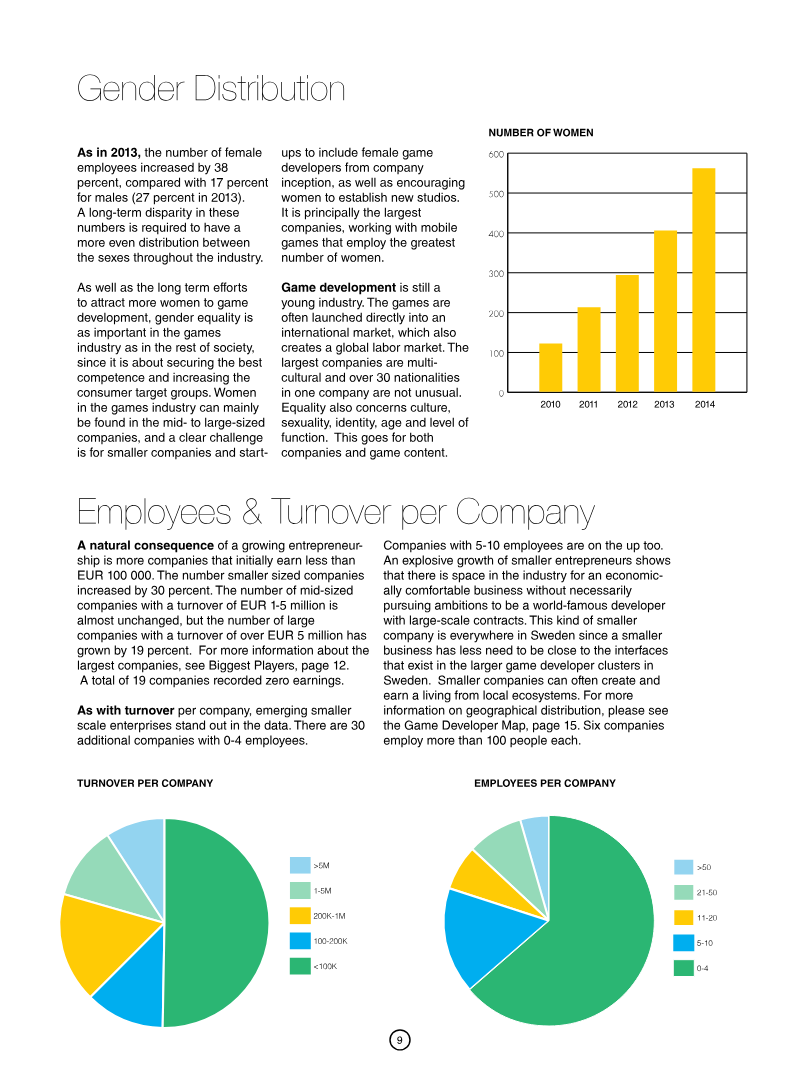
- By 2015, the industry supported over 200 active companies and employed more than 3,100 full-time staff, with female workforce participation increasing by 38%.

Biz Daily: Games industry and mental illness
The public discourse surrounding Markus Persson, the creator of Minecraft, highlights a significant disconnect in how society perceives mental health when wealth and professional success are involved.
- The public discourse following Markus Persson’s $2.5 billion sale of Mojang to Microsoft reveals a systemic bias where mental health struggles are invalidated by high socioeconomic status.
- Media coverage of Persson’s expressions of isolation and lack of purpose frequently dismissed his mental health concerns as superficial or attention-seeking rather than genuine human struggle.
- Societal perceptions of mental health remain inconsistent, as physical illnesses typically garner empathy regardless of wealth, while emotional distress in the wealthy is often met with cynicism.
Microsoft Form 10-Q: Q3 Fiscal Year 2015
For the fiscal quarter ending March 31, 2015, Microsoft navigated a significant strategic pivot toward a mobile-first, cloud-first business model.
- Microsoft reported strong growth in the 'Devices and Consumer' (D&C) segment for the nine months ending March 31, 2015, with revenue increasing 24% ($1.3 billion) driven by gains in search advertising, Office 365 Consumer, and Xbox services.
- First-party video game and Minecraft revenue saw a significant 83% increase ($305 million) over the nine-month period, bolstered by new Xbox title releases and Minecraft sales.
- Xbox Live and other store transaction revenue grew 25% ($315 million) for the nine-month period, reflecting an increase in both the number of active users and revenue per user.