
The global gaming industry saw forty-two first-time startup exits with valuations exceeding $500 million between 2014 and 2024. This decade of activity was heavily influenced by the COVID-19 pandemic, with approximately 45% of all analyzed exits occurring during 2020 and 2021. The data reveals a clear distinction between exit strategies: mergers and acquisitions are the primary path for companies valued below $1 billion, while public offerings are the exclusive route for those reaching valuations of $5 billion or more. Notable examples include Roblox, which achieved a $38.3 billion market cap at listing, and Scopely, which secured a $4.9 billion acquisition.
Mobile gaming dominates the exit landscape, accounting for 75% of all major deals during this period. This prevalence is driven by speed to market, as mobile-focused companies reach an exit approximately 40% faster than their counterparts in the PC and console segments. While more than half of all successful startups exit within ten years of founding, the specific timeline varies by deal type. Mergers and acquisitions typically occur more rapidly, with a median timeframe of eight years, whereas going public requires a median of nine years.
Investment backing also dictates the eventual exit path. Venture capital-backed firms show a stronger preference for public listings to maximize returns on larger capital raises. In contrast, bootstrapped businesses, such as Mojang Studios and SpinX Games, are more inclined toward acquisitions. Geographically and operationally diverse, the analyzed companies span major global players like Krafton, Unity, and Moon Active, illustrating a robust decade for high-value liquidity events across the mobile, PC, and console sectors.

InvestGame · 2026
InvestGame · 2026
InvestGame · 2026
InvestGame · 2026
InvestGame · 2026

InvestGame · 2026

InvestGame · 2026
InvestGame · 2026
InvestGame · 2026

InvestGame · 2025

InvestGame · 2025
InvestGame · 2025
Drake Star Partners · 2026
Aream & Co · 2026
Modern Times Group · 2026
Drake Star Partners · 2025

Drake Star Partners · 2025
DDM · 2025
Drake Star Partners · 2025
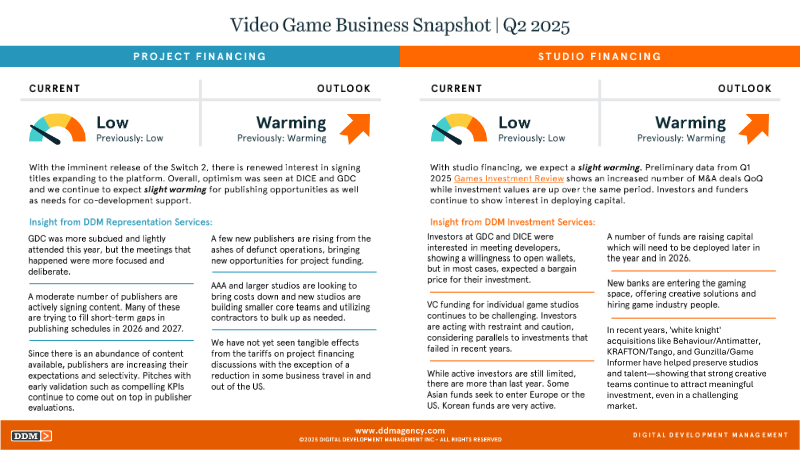
DDM · 2025

Thunderful · 2025
Digital Development Management · 2025
DDM · 2025
Aream & Co · 2025