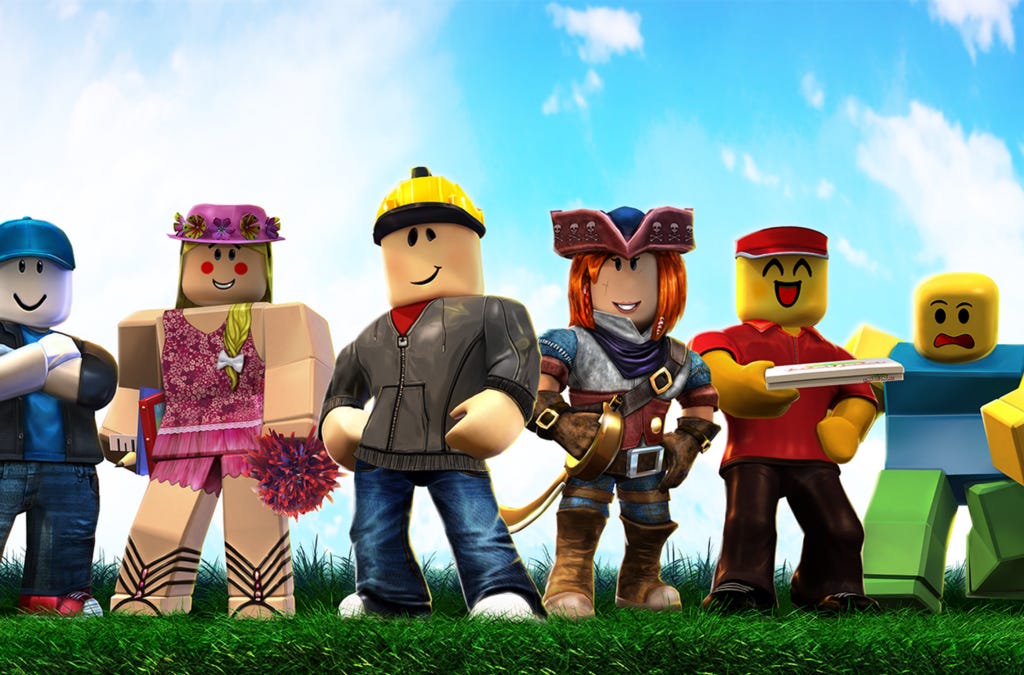
The global gaming industry has reached a valuation of approximately $150 billion, surpassing the combined scale of the film and music sectors. This growth has attracted significant venture capital interest, exemplified by Andreessen Horowitz’s recent $4 billion valuation of Roblox. This figure represents a substantial premium over historical benchmarks, such as Microsoft’s $2.5 billion acquisition of Mojang in 2014. The primary driver behind this valuation is the transition of gaming from a pure entertainment medium into a dominant social network for younger demographics.
Roblox currently maintains a massive user base of 115 million monthly active users, representing a threefold increase over the past several years. Financial projections suggest the platform will exceed $1 billion in revenue for 2020, supported by a diverse presence across digital and physical retail channels. While console engagement remains relatively low, the platform has seen explosive growth on PC and mobile, with the latter increasing fivefold. Its cultural footprint is further evidenced by its performance on YouTube, where it ranked as the sixth most-viewed title in 2019 with 69 billion views.
The strategic trajectory for such platforms likely involves acquisition by major technology conglomerates like Google or Microsoft, or potentially a large-scale toy manufacturer. Google, in particular, could leverage such content to bolster its cloud gaming initiatives. However, the sector faces specific existential risks, including the potential for malicious activity within environments populated by minors, shifting audience trends, and increasing regulatory scrutiny. Despite these challenges, the convergence of gaming and social networking continues to redefine the industry's economic potential.
SuperJoost · 2026

SuperJoost · 2026
SuperJoost · 2026
SuperJoost · 2026
SuperJoost · 2026
SuperJoost · 2026
SuperJoost · 2026

SuperJoost · 2026
SuperJoost · 2026
SuperJoost · 2026
SuperJoost · 2026
SuperJoost · 2026
Ubisoft · 2026
Sony Group Corporation · 2026
Enthusiast Gaming Holdings · 2026
Drake Star Partners · 2026
Aream & Co · 2026
Capcom · 2026
Modern Times Group · 2026
Bandai Namco · 2026
Aream & Co · 2026
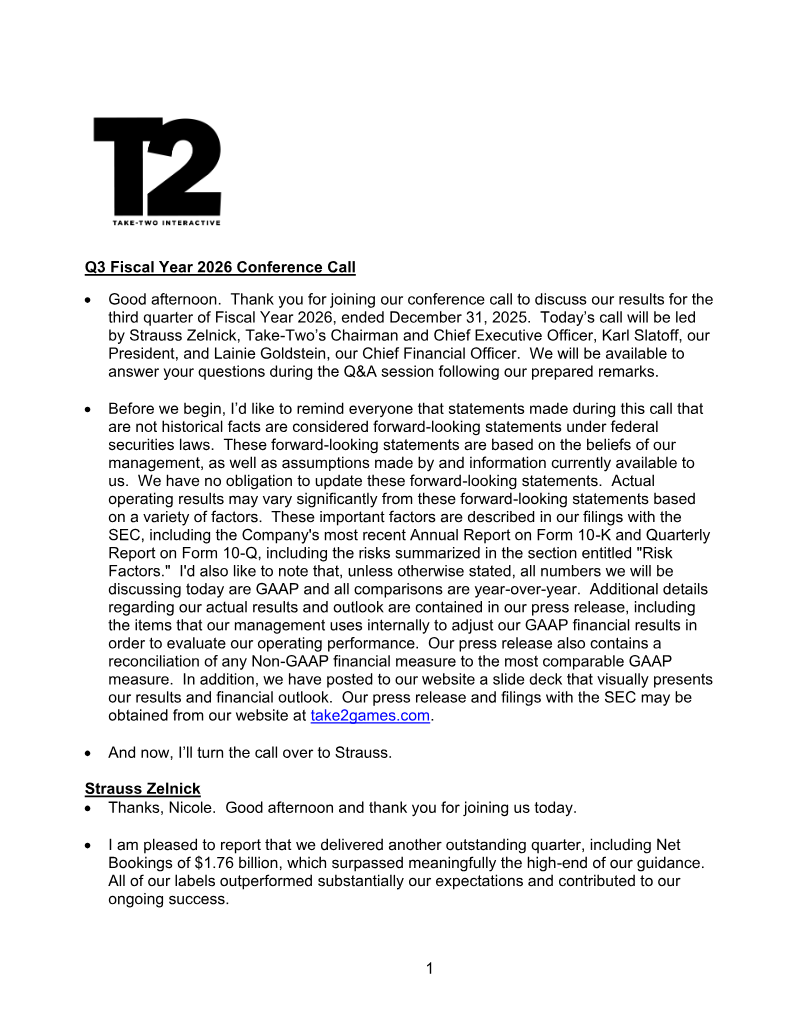
Take-Two Interactive · 2026
Take-Two Interactive · 2026
PCF Group · 2026