Diamond
Company
Documents about Diamond

November Spending Down 10% Compared to 2020: US Monthly Charts
Consumer spending on video games in the United States experienced a 10% year-on-year decline in November 2021, totaling $6.3 billion.
- US consumer spending on gaming in November 2021 decreased by 10% year-on-year to $6.3 billion, though year-to-date spending increased by 9% to $52.9 billion.
- Hardware sales in November 2021 dropped by 38% compared to 2020, reaching $883 million, the lowest November total since 2016 due to console inventory shortages.
- Nintendo Switch was the best-selling console in November 2021, selling 1.13 million units in the US, and has been the top-selling console for 35 out of the last 36 months.

GDC Summer Concert - insaneintherain
This performance, presented as part of the GDC Summer virtual event, showcases the work of multi-instrumentalist and content creator Carlos Eiene, known professionally as insaneintherainmusic.
- Video game music is evolving into a modern equivalent of the traditional jazz songbook, establishing itself as a legitimate genre for serious musical arrangement and academic exploration.
- Multi-instrumentalist Carlos Eiene (insaneintherainmusic) demonstrates that game soundtracks can be successfully reinterpreted through complex stylistic lenses like Latin jazz and contemporary fusion.
- The performance highlights the versatility of game music by arranging tracks from diverse titles including Deltarune, Donkey Kong Country, Hollow Knight, Pokémon Diamond and Pearl, Sonic Mania, and Xenoblade Chronicles 2.
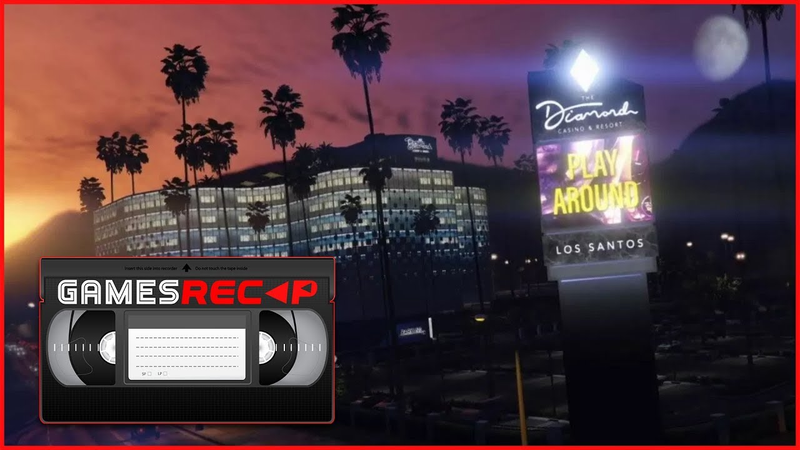
GTA V Casino Update | Games ReCAP Episode 027
The introduction of the Diamond Casino update in Grand Theft Auto Online marks a pivotal evolution in the games-as-a-service model, signaling a transition toward persistent, lifestyle-oriented virtual worlds.
- The Diamond Casino update in GTA Online shifts the games-as-a-service model toward persistent, lifestyle-oriented virtual worlds that prioritize digital identity and social status.
- Rockstar utilizes a closed-loop currency system where players purchase non-redeemable chips, allowing the platform to simulate gambling while bypassing traditional regulatory frameworks.
- The developer strategy favors incremental, drip-fed content updates over resource-heavy story expansions, significantly lowering financial risk while maintaining long-term player engagement.
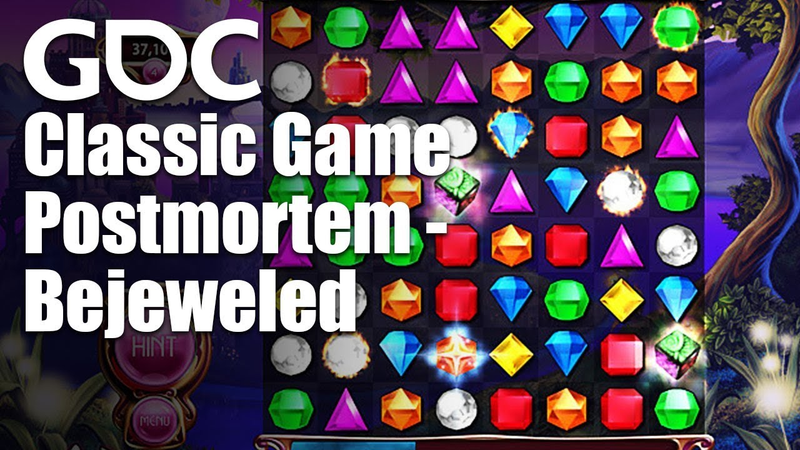
Classic Game Postmortem - Bejeweled
Bejeweled stands as a foundational pillar of the casual gaming industry, having evolved from a modest web-based experiment into a global phenomenon with over 500 million players and 7 billion hours of engagement.
- The original Bejeweled, initially titled Diamond Mine, was developed in under a month and was one of the last games small enough (1.4 MB) to be distributed on floppy disks.
- The game's most iconic feature, the untimed mode, was an accidental discovery; developers added a timer to make it a 'real' arcade game but included an untimed tutorial level that players preferred and played exclusively.
- PopCap initially failed to sell the game to publishers for a flat fee, eventually leasing it to Microsoft for $1,500 per month, which led to the name change from Diamond Mine to Bejeweled.
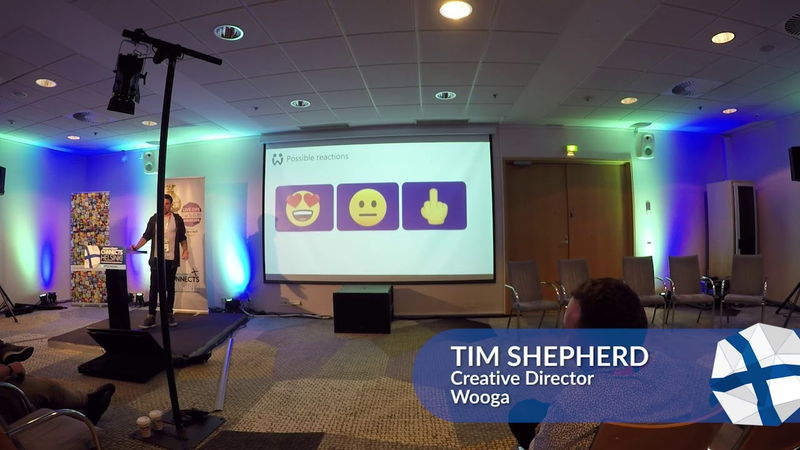
Live operations: Bringing a seven-year-old game back to life
The revitalization of the seven-year-old mobile title Diamond Dash serves as a case study in re-evaluating product positioning and audience psychographics to extend a game's lifecycle.
- The revitalization of the 2011 mobile title Diamond Dash demonstrated that declining performance often stems from a misalignment between developer perception and actual player motivations rather than a lack of inherent product value.
- Research identified a critical shift in the core audience from casual explorers to highly competitive players, necessitating a pivot to a 'casual-competitive' framework to unlock new engagement and monetization opportunities.
- Technical modernization, including a migration to a unified codebase and the integration of rewarded advertising, was essential to validating the game's business model and increasing lifetime value.

Balancing League of Legends for Every Player, from Bronze to Bengi
Balancing a competitive title like League of Legends necessitates navigating a massive skill gap that often exceeds 1,000% between casual participants and professional competitors.
- Riot Games balances League of Legends by targeting the 'sweet spot' of High Platinum to Low Diamond skill tiers, as this range provides the best intersection between the high volume of players and the sensitivity to balance changes.
- Designers must interpret raw data with nuance, such as accounting for 'experience bias' where a champion's high win rate may reflect the player's mastery of that specific character rather than the champion being objectively overpowered.
- Balance changes should be iterative and systemic; when simple tuning fails to resolve an outlier, developers should pivot to broader structural updates, such as the preseason overhaul of assassin items and stealth mechanics.



Prank, Troll, Gross and Gore: Performance Issues in Esport Live-Streaming
Karhulahti's study examines how live-streaming of competitive esports is shaped by spectator interference, using a twelve-month observation of League of Legends streamer Gross Gore.
- Spectator interference in live esports streams, such as pranks, trolling, and mass food orders, disrupts the 'interview frame' of streamer-viewer conversation, and the streamer responds by sustaining a consistent, humorous persona.
- Live-stream viewers actively seek to alter match outcomes and broadcast direction, and the resulting unpredictability creates a distinctive dramatic appeal that drives viewership, differing fundamentally from traditional sport or esport spectatorship.
- The study's single case study, League of Legends streamer Gross Gore, drew over ten million viewers and £106,033 in fan donations in 2015, illustrating the economic scale of such performances.

Cross-promotion in Candy Crush Soda Saga
The launch of Candy Crush Soda Saga in late 2014 served as a critical strategic pivot for King, functioning both as a high-profile attempt to replicate the success of the original Candy Crush franchise and as a vehicle for aggressive user base diversification.
- King is using the high-traffic Candy Crush Soda Saga (CCSS) to aggressively cross-promote its less successful titles, such as Diamond Digger Saga and Papa Pear Saga, to non-paying users.
- Cross-promotional ads in CCSS appear as early as level 12, which can be reached within 30 to 45 minutes of gameplay, indicating a strategy to leverage the franchise's gravitational pull to boost other games' user bases.
- The cross-promotion strategy is specifically targeted at non-payers; testing showed that players who made an in-app purchase early in the game were not presented with these promotional ads.
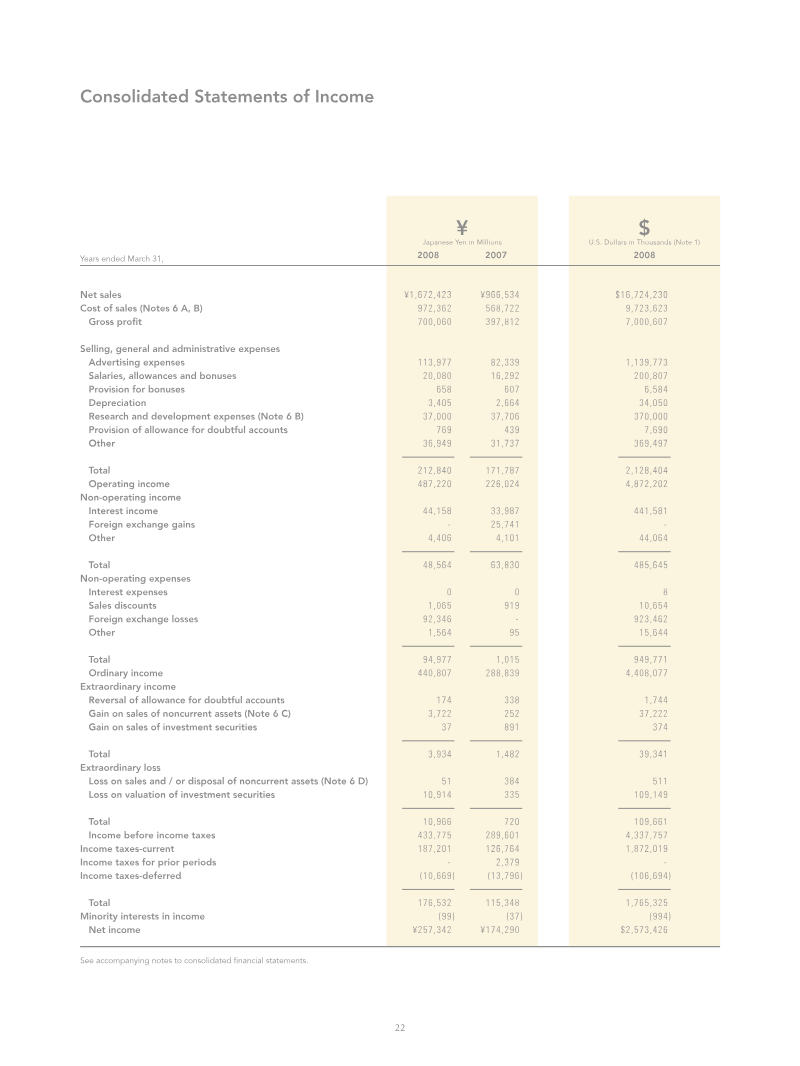
Nintendo Annual Report 2008
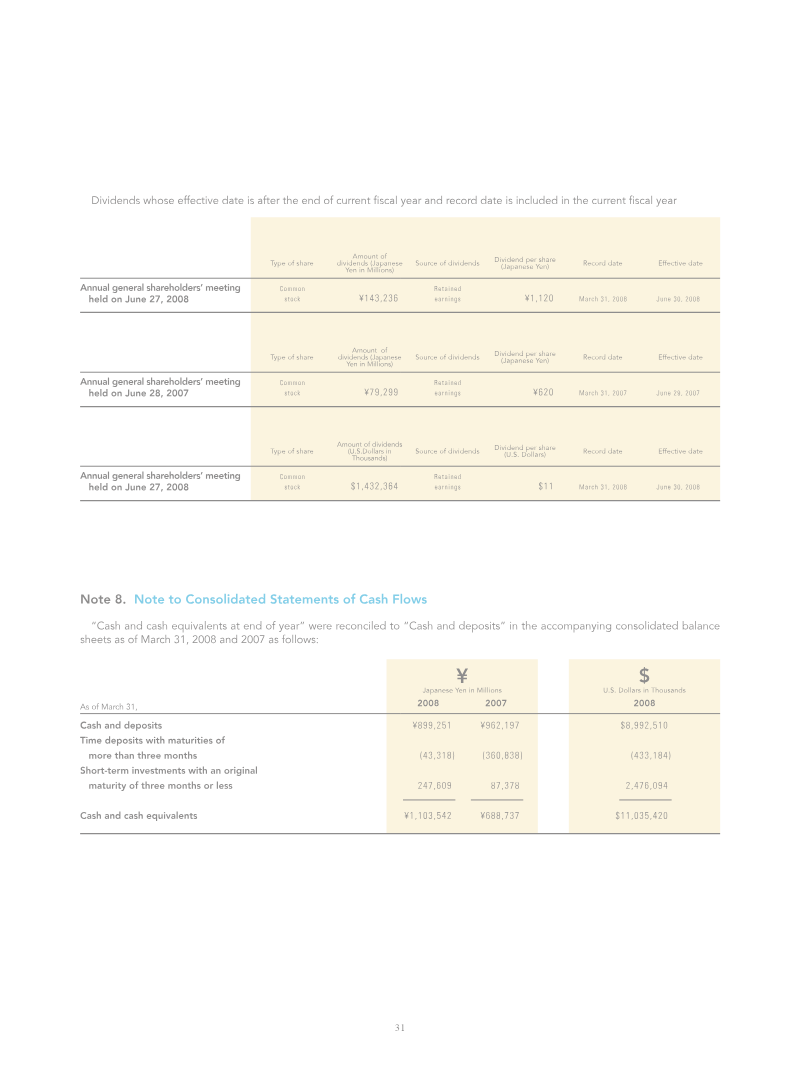
Nintendo achieved unprecedented financial success during the 2008 fiscal year, characterized by a 73% increase in net sales to ¥1,672 billion and a 115.6% surge in operating income.
- Nintendo's net sales rose 73% to ¥1,672 billion in fiscal 2008, while operating income surged 115.6%.
- Growth was driven by global demand for the Nintendo DS and Wii hardware, supported by software such as Pokémon Diamond and Pearl and Wii Fit.
- Overseas markets accounted for 80.6% of total revenue, underscoring the company's heavily international reach.
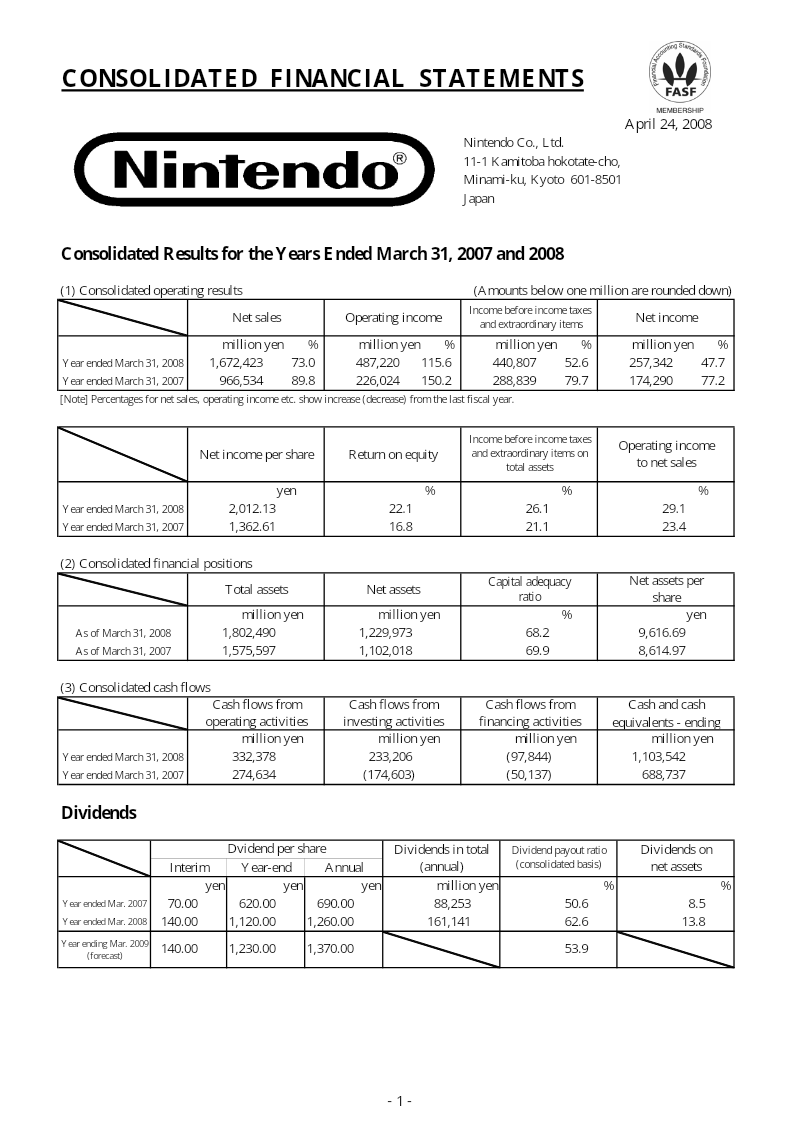
Consolidated Results for the Years Ended March 31, 2007 and 2008: Nintendo
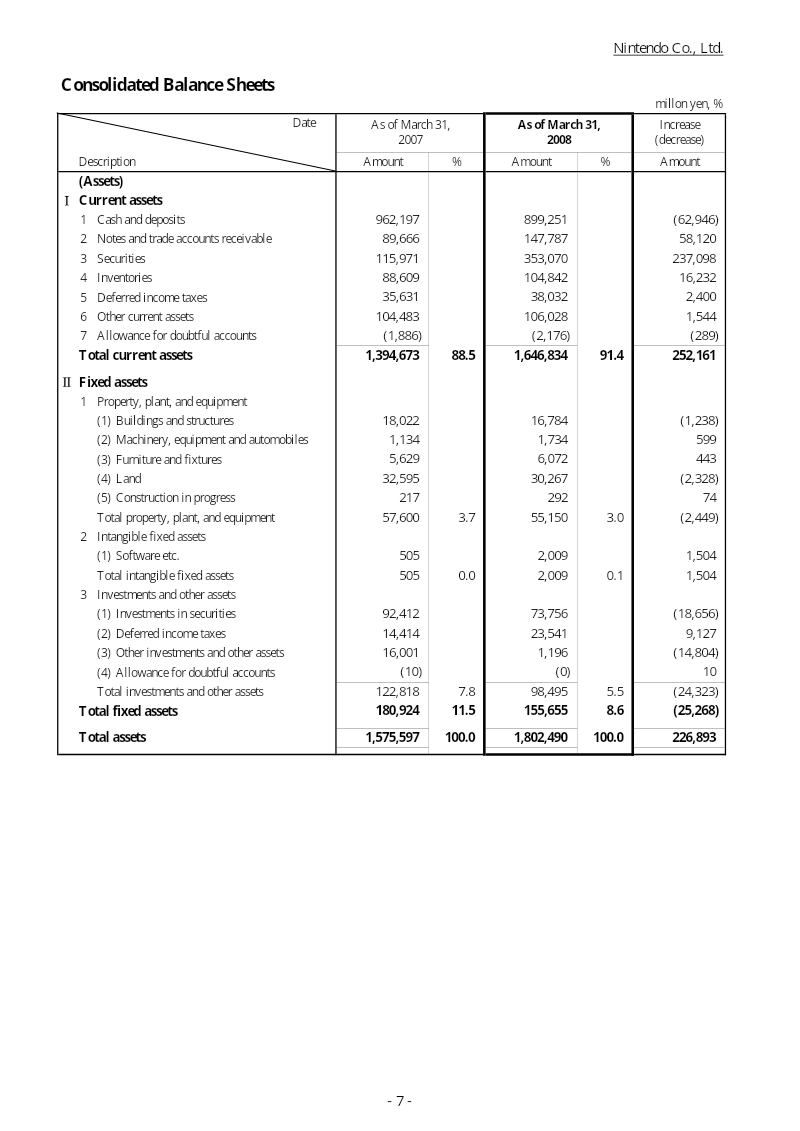
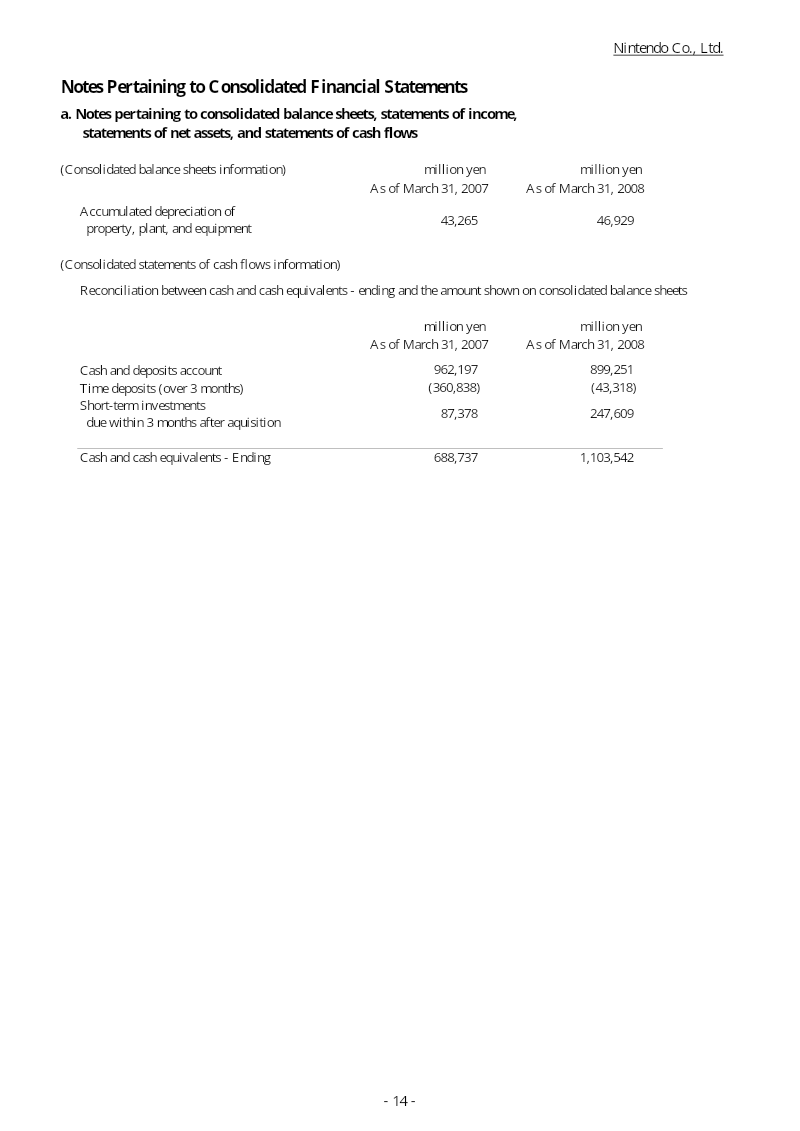
Nintendo achieved record-breaking financial performance during the fiscal year ending March 31, 2008, characterized by a 73 percent surge in net sales to 1.67 trillion yen and a 115.6 percent increase in operating income to 487.2 billion yen.
- Nintendo's net sales rose 73 percent to 1.67 trillion yen in the fiscal year ending March 31, 2008, while operating income surged 115.6 percent to 487.2 billion yen.
- Growth was driven by global demand for the Nintendo DS and Wii hardware, supported by software such as Wii Fit and Pokémon Diamond and Pearl.
- Overseas sales accounted for 80.6 percent of consolidated revenue, showing the company's heavy dependence on international markets.
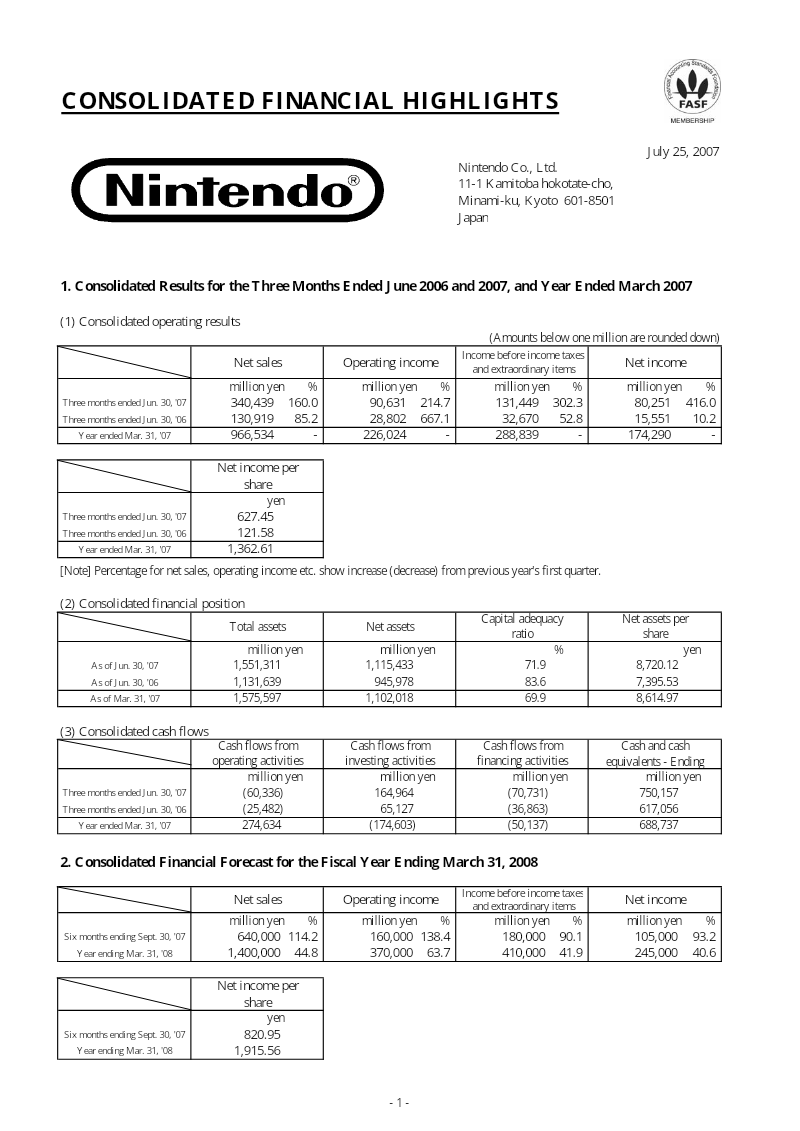
Consolidated Financial Highlights: Three Months Ended June 2007
Nintendo Co., Ltd.’s consolidated financial results for the three-month period ending June 30, 2007, demonstrate significant growth in the electronic entertainment sector, driven by the robust global performance of the Nintendo DS and Wii hardware platforms.
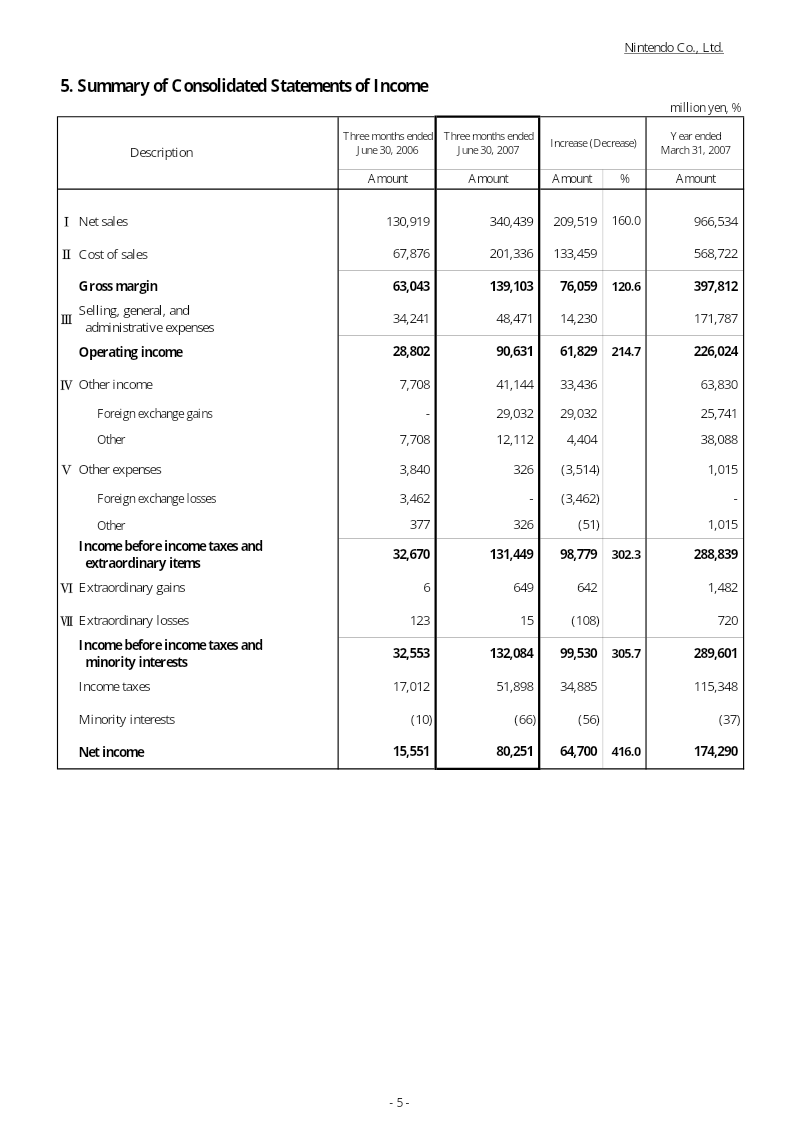
- Nintendo's net sales for the three months ended June 30, 2007 reached 340.4 billion yen, up 160.0% year over year, with operating income rising 214.7% to 90.6 billion yen and net income rising 416.0% to 80.2 billion yen.
- Foreign exchange gains of 29.0 billion yen contributed to the quarter's results, reflecting Nintendo's strong international market presence.
- The Nintendo DS sold 6.98 million units in the quarter, bringing its lifetime total to 47.27 million units, with the successful U.S. launch of Pokémon Diamond and Pearl anchoring software demand.
2007 CESA Games White Paper: Japan
The 2007 CESA Games White Paper serves as a comprehensive annual industry report detailing the state of the Japanese home video game market.
- The 2007 CESA Games White Paper reports a total domestic hardware and software market size of 679.9 billion yen, with a combined total shipment value of 1.6323 trillion yen.
- In 2006, the PlayStation 2 became the top-selling monitor-connected game console with a cumulative shipment of 115.36 million units, surpassing the original PlayStation.
- There were eight titles that achieved over one million shipments in Japan in 2006, led by 'Pokémon Diamond and Pearl' (NDS) with 5.17 million units shipped.