RPG reports and market data
149 game industry reports, presentations and talks about rpg from writers such as Extra Credits, PocketGamer.biz and Game Developers Conference, newest from 2026. Every document has a summary and key insights with the page they come from, and 385 charts and tables are extracted as data.
Key figures
The Southeast Asian mobile gaming market saw a 19.7% year-over-year increase in active advertisers in 2026, signaling a rapidly maturing ecosystem.
SocialPeta, 2026 · 2026 Southeast Asia Mobile Game Marketing Report, p. 7
The global mobile gaming market grew 3.4% year-over-year in 2025 to reach a $57.1 billion valuation.
AppMagic, 2025 · Monetization Report 2025, p. 7
The Dragon Quest franchise has reached 95 million units in total shipments and digital sales as of June 2025.
Square Enix, 2025 · Square Enix Special Feature: Erdrick Trilogy Reimagined, p. 1
The player base is predominantly male (58%) and young, with 59% of users falling between the ages of 10 and 30.
Newzoo, 2025 · Key Insights into Role-Playing Games (RPGs), p. 10
RPG titles account for 14% of the total revenue share on the US iOS mobile gaming market.
GameRefinery, 2021 · RPG Genre Snapshot, p. 4
Documents
2026 Southeast Asia Mobile Game Marketing Report
The Southeast Asian mobile gaming landscape in 2026 reflects a maturing ecosystem defined by a 19.7% year-over-year increase in active advertisers.
- The Southeast Asian mobile gaming market saw a 19.7% year-over-year increase in active advertisers in 2026, signaling a rapidly maturing ecosystem.
- Video content dominates user acquisition, comprising 73.7% of all advertising creatives, with a shift toward mid-length formats featuring live-action hooks and AI-generated visuals.
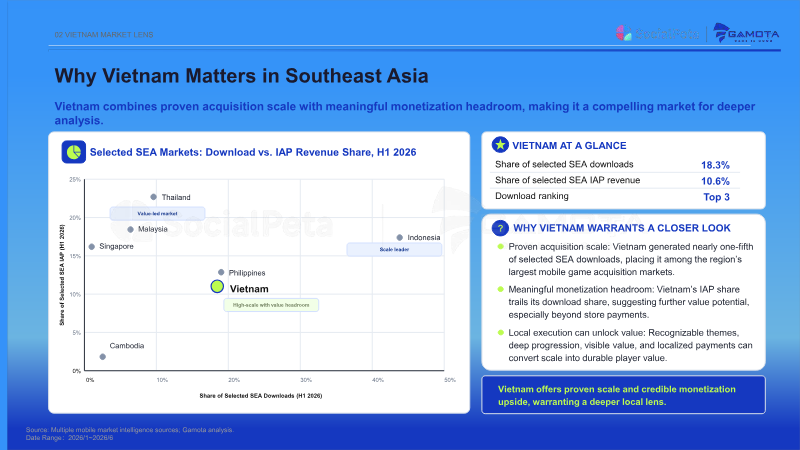
- Indonesia leads the region in total download volume, while Thailand maintains the highest revenue per user through in-app purchases.
🎒 Overgeared Hero Breakdown: An Asian RPG That Actually Cracked the US market
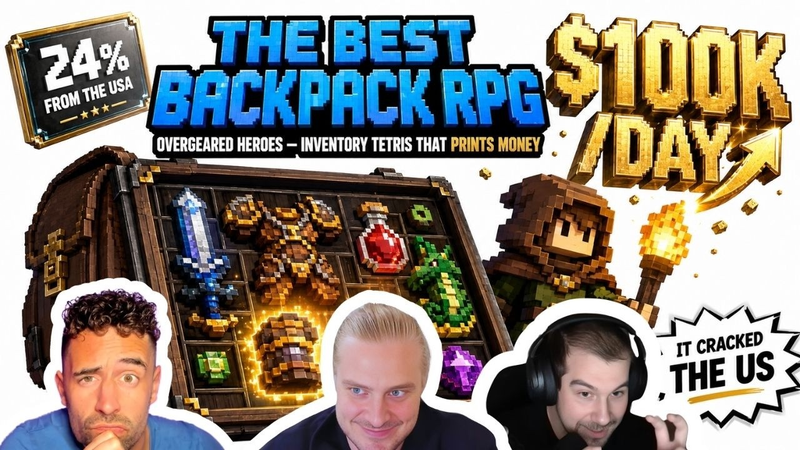
Overgeared Hero represents a significant shift in the mobile RPG landscape by successfully bridging the gap between Asian-developed mid-core mechanics and the competitive United States market.
- Overgeared Hero generates approximately $100,000 in daily revenue, with the United States accounting for 24 percent of total earnings.
- The game achieves global market success by blending a traditional idle gacha chassis with an inventory-management roguelite core.
- Monetization is driven by a refined strategy of 12 rewarded ad placements rather than aggressive interstitial advertising, catering to a hardcore, strategy-focused audience.
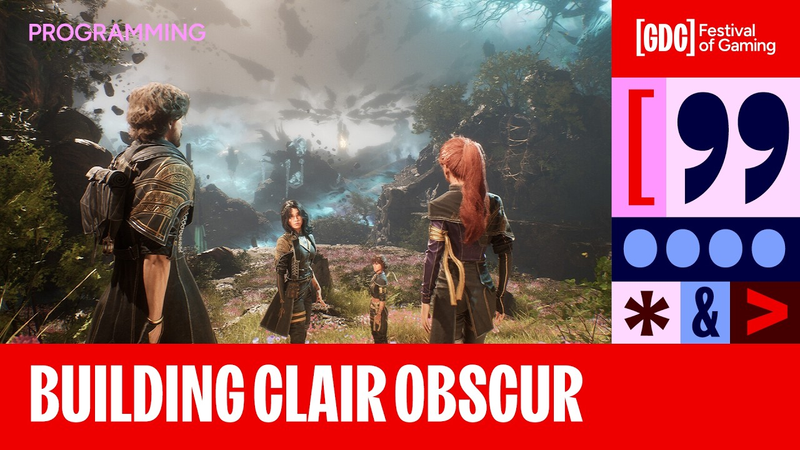
Clair Obscur Expedition 33: Small Team, Massive Game | Technical Secrets Behind Making Hit RPG
Sandfall Interactive achieves the ambitious scope of the role-playing game Clair Obscur: Expedition 33 by utilizing a lean, four-person programming team that prioritizes a vanilla-first development philosophy.
- Sandfall Interactive developed the 30+ hour RPG 'Clair Obscur: Expedition 33' using a core programming team of only four people by offloading 95% of gameplay logic to Unreal Engine Blueprints.
- The studio utilized a build farm to optimize development efficiency, reducing the total game packaging time from 2.5 hours to 50 minutes.
- To empower designers, the programming team created a comprehensive Blueprint API that allows non-programmers to access complex systems like quest status, inventory, and battle logic without writing C++ code.
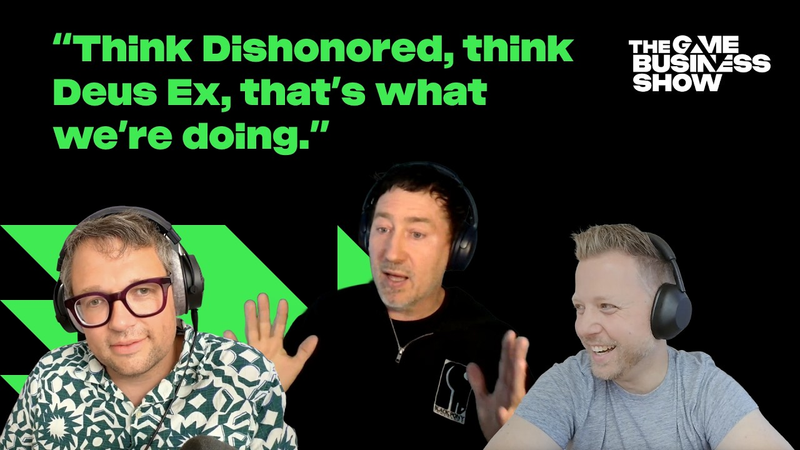
Arkane veterans Harvey Smith and Ben Horne reunite: “We’re going back to the games we love”
Black Pony Immersive, a new independent studio founded by industry veterans Harvey Smith and Ben Horne, aims to revitalize the immersive sim genre through a commitment to single-player, narrative-driven experiences.
- Black Pony Immersive, founded by Harvey Smith and Ben Horne, is a new independent studio focused on developing single-player, narrative-driven immersive sims.
- The studio operates with a core team of 26 U.S.-based professionals and utilizes a milestone-based funding model to maintain financial control.
- The founders explicitly reject games-as-a-service models, prioritizing a singular, cohesive creative vision over industry trends.
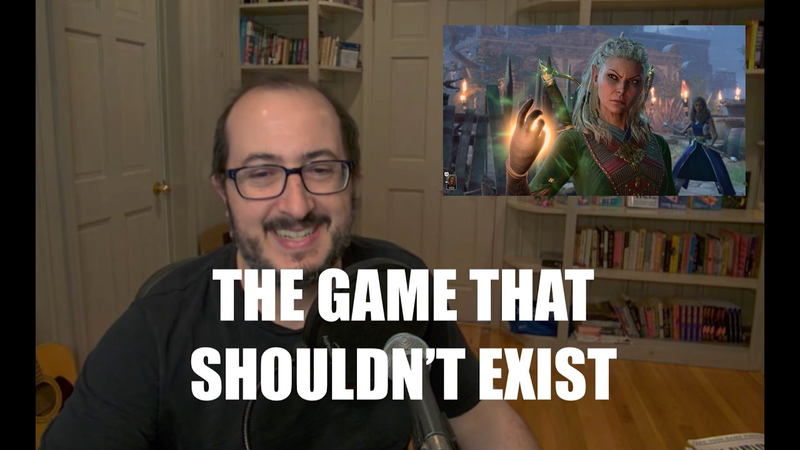
The Miraculous Story Behind Baldur’s Gate 3
The development and release of Baldur’s Gate 3 represents a significant anomaly in the modern video game industry, characterized by a complex history of licensing, financial instability, and creative perseverance.
- Larian Studios' success with Baldur's Gate 3 is attributed to its status as a rare, large-scale, privately owned developer, which allows it to avoid the short-term pressures of quarterly earnings and investor demands faced by publicly traded companies.
- The development of Baldur's Gate 3 required a massive scaling effort, with the studio growing its workforce from 140 to 450 employees to manage the complex production pipeline required for full cinematic integration.
- Baldur's Gate 3 has achieved significant commercial success, selling over 20 million copies and winning multiple Game of the Year awards despite facing major external challenges, including the COVID-19 pandemic and the forced relocation of staff due to the 2022 Russian invasion of Ukraine.

I Interviewed Todd Howard For The First Time In 15 Years
Bethesda Game Studios has officially announced a new strategic roadmap for the Fallout franchise following a significant organizational restructuring at Xbox.
- Bethesda Game Studios has officially announced Fallout 5, which is currently in pre-production and being developed alongside The Elder Scrolls 6 using the proprietary Creation Engine 3.
- Bethesda confirmed a collaboration with Obsidian Entertainment on a new, unannounced Fallout project, with Bethesda retaining management and supervisory control over the franchise.
- The company announced official remasters for Fallout 3 and Fallout New Vegas, alongside a new Fallout 76 expansion titled 'Raven Rock' scheduled for release next year.

💀 Pokémon Champions is already DEAD: here's what went wrong
Pokémon Champions, a mobile battler based on the Pokémon franchise, has experienced a rapid decline in performance following its launch.
- Pokémon Champions experienced a 'shark fin' revenue collapse, dropping from $300,000–$400,000 in daily earnings to $80,000 within just two days of launch.
- The integration of Pokémon Home allows players to import existing collections, which bypasses progression and destroys the game's monetization economy.
- The game lacks core franchise pillars such as exploration, breeding, and wild-catching, resulting in a simplified battler experience that fails to compete with successful titles like Pokémon TCG Pocket, which generates $15 million monthly.
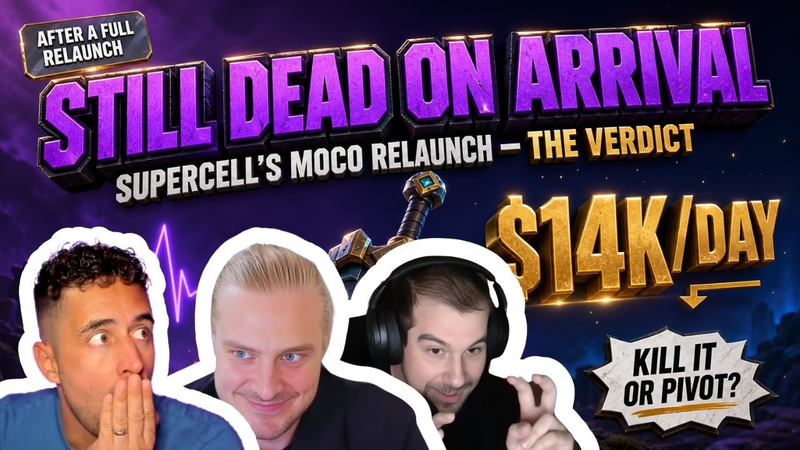
💀 Mo.co DEAD on arrival. Is it time for Supercell to kill Mo.co?
Supercell’s title Mo.co faces a critical existential crisis, as its current design fails to gain traction within the competitive RPG market.
- Supercell’s Mo.co is failing to monetize, generating only $14,000 in daily revenue despite reaching 230,000 daily active users.
- The game suffers from a fundamental design misalignment, prioritizing lightweight accessibility over the depth, build customization, and endgame progression expected by the RPG audience.
- The project is currently considered unsalvageable because the cost to bring it up to industry standards would exceed the development budget of multiple new, more viable projects.
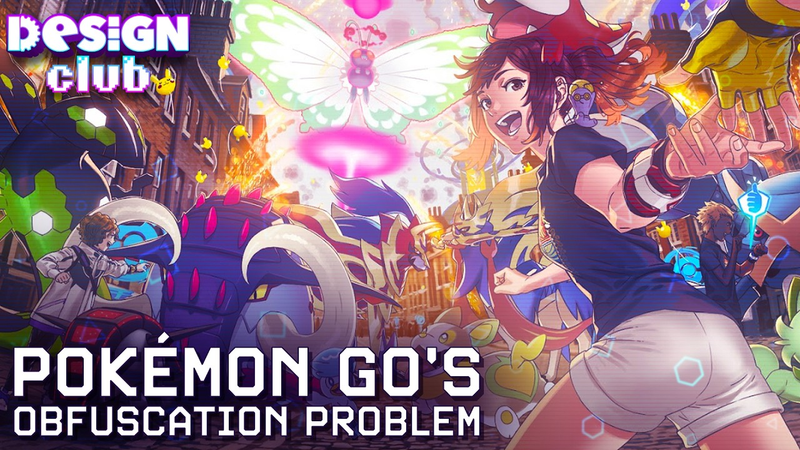
Why Is Pokémon Go's PVP so Obfuscated? | Design Club
Pokémon Go maintains its status as a global mass-market phenomenon by prioritizing a streamlined, accessible interface that preserves the core fantasy of the franchise.
- Pokémon Go intentionally obfuscates critical combat data—such as Individual Values, energy costs, and damage-per-second—to maintain a streamlined, accessible interface for casual users.
- The game’s design creates a dual-layered experience where competitive play is hidden behind a high-stakes meta-game that is not documented within the application.
- Because essential mechanics like Same Type Attack Bonus and optimal move sets are not communicated in-game, players must rely on third-party tools and community wikis to build viable teams.
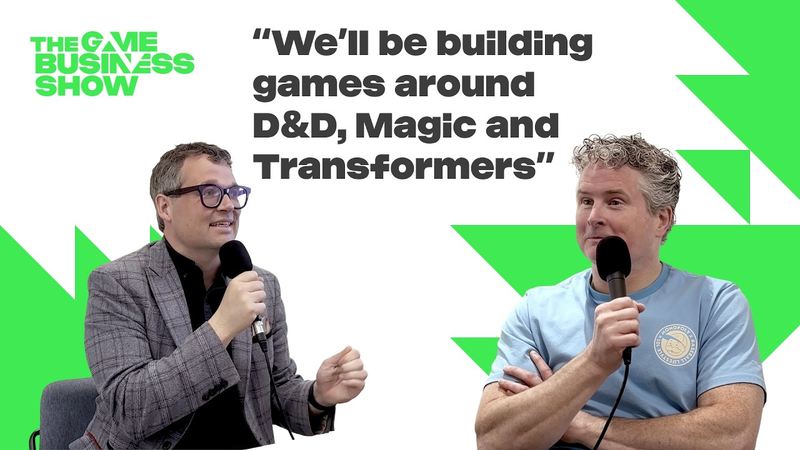
The D&D company is spending $1bn making video games, and none of them are games-as-a-service
Hasbro is currently executing a decade-long, $1 billion investment strategy to expand its footprint in the video game industry.
- Hasbro is executing a $1 billion, decade-long investment strategy to expand its video game footprint, explicitly rejecting the games-as-a-service (GaaS) model in favor of premium, single-player experiences.
- The company is prioritizing high-quality, 40-to-50-hour traditional PC and console titles to avoid the high volatility and low success rates associated with GaaS.
- Hasbro’s portfolio strategy divides development between internal studios for core brands like Dungeons & Dragons and Magic: The Gathering, and external partnerships for casual or mobile properties like Monopoly Go.
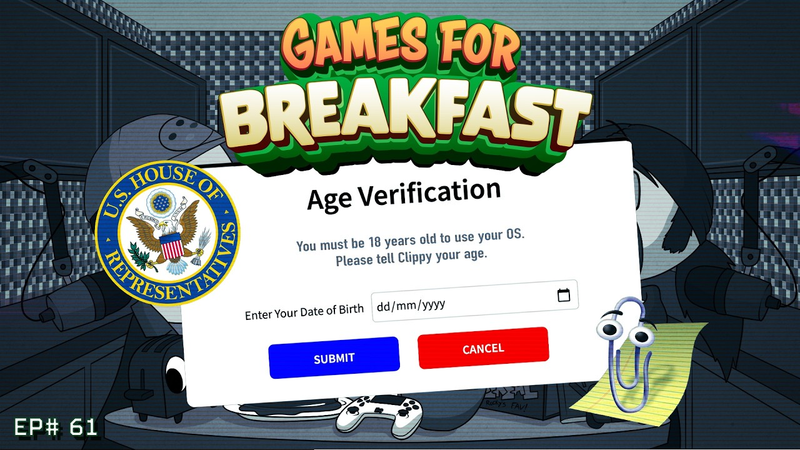
The "Parents Decide Act" Sucks, D&D's New Game Masters & Bloodborne's got Jack | Games For Breakfast
The current legislative landscape in the United States faces scrutiny over the proposed Parents Decide Act, a bill mandating age verification across operating systems.
- The U.S. House of Representatives is reviewing the 'Parents Decide Act,' a proposed law that would require operating system providers to verify the age of all users and mandate parental verification for anyone under 18.
- Dungeons & Dragons is developing an in-house live play show, signaling a strategic move to establish its own branded content separate from independent successes like Critical Role.
- The gaming industry lacks a standardized 'red band' trailer system equivalent to the film industry, complicating the marketing of games that contain mature themes or potential triggers for general audiences.

The Blood of the Dawnwalker developer: Everyone we spoke to wanted to invest
Rebel Wolves operates on the principle that high-quality, AAA dark fantasy role-playing games are best produced within smaller, boutique environments that prioritize team culture and creative ownership.
- Rebel Wolves maintains a boutique studio model of approximately 160 employees to minimize bureaucratic inefficiency and ensure leadership remains directly involved in creative production.
- The studio secured major financial and operational backing through partnerships with NetEase for funding and Bandai Namco for global publishing.
- Development of the upcoming title, The Blood of the Dawnwalker, utilizes AI-generated voice placeholders to iterate on complex narrative branches before committing to final production costs.