1 free read left. Create a free account for unlimited reading + AI research.
Create free accountWhitepaper DiGRA
1 free read left. Create a free account for unlimited reading + AI research.
Create free accountWhitepaperDiGRA
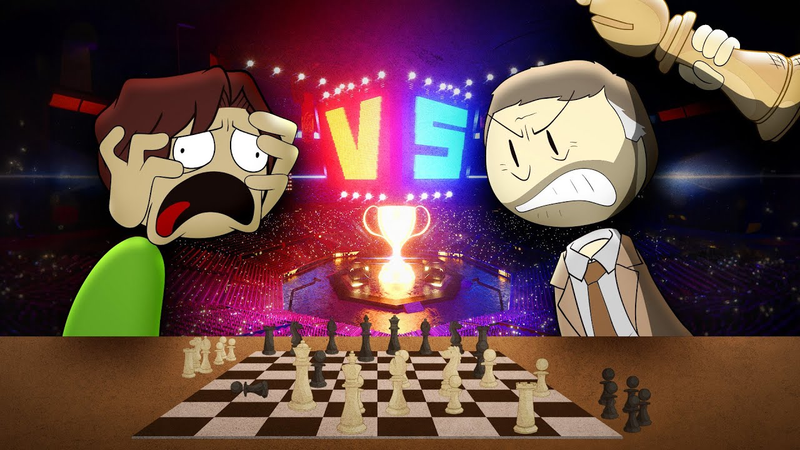
Karhulahti's study examines how live-streaming of competitive esports is shaped by spectator interference, using a twelve-month observation of League of Legends streamer Gross Gore. Drawing on Goffman's frame theory, the work distinguishes an "interview frame," in which the streamer converses with viewers, from a "play frame," in which competitive gameplay takes place. Its central argument is that spectators' pranks and trolling, including mass food orders and a police swatting incident, disrupt the interview frame, and that the streamer responds by sustaining a consistent, humorous persona. The research situates these performances within the broader economics of the medium, noting that Gross Gore's streams attracted over ten million viewers and that the streamer received £106,033 in fan donations in 2015.
The study's most significant contribution lies in its account of live-stream suspense. In an observed promotion match from Diamond to Master Tier, repeated DDoS attacks, troll-play, and spectator pranks interrupted competitive play. The author concludes that spectators actively seek to alter the outcome and course of live broadcasts, and that the emergent unpredictability of these interventions generates a distinctive form of dramatic appeal that drives viewership. This dynamic, the study argues, differs fundamentally from traditional sport or esport spectatorship, in which outcomes are governed primarily by the competition itself. The climax of the observed match, in which an opposing player deliberately sacrificed himself to help the streamer secure promotion, illustrates how trolling can produce cooperative as well as disruptive effects.
The findings rest on a single observed case study, a limitation that bounds their generalizability. The reference base draws on scholarship concerning esports spectatorship, live-streaming communities, trolling, and online affect. A closing endnote records that the channel was permanently banned from Twitch.tv in April, two months after the observation period, for terms-of-service violations, a detail that underscores the precarity of such performances within platform governance.



DiGRA · 2016



DiGRA · 2016



Niko Partners · 2026