2015
Company
Documents about 2015
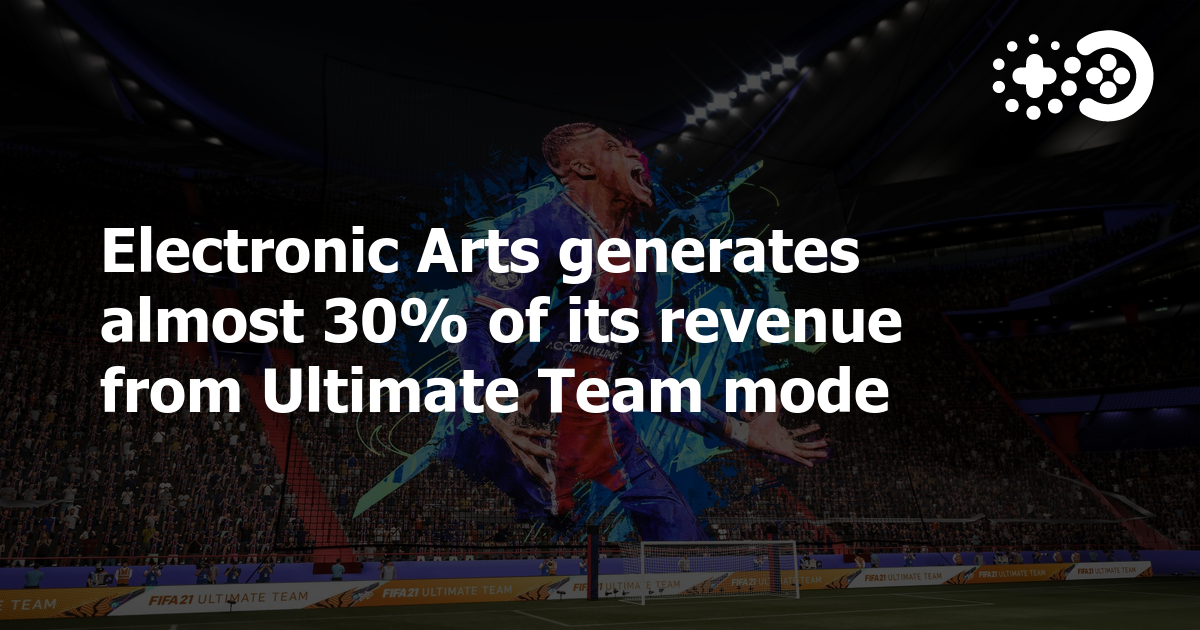
Electronic Arts Generates Almost 30% of its Revenue from Ultimate Team Mode
Electronic Arts has become increasingly reliant on its Ultimate Team game mode, which generated $1.62 billion in revenue during the 2021 fiscal year.
- Electronic Arts generated $1.62 billion from its Ultimate Team mode in fiscal year 2021, accounting for 29% of the company's total $5.62 billion revenue.
- Revenue from the Ultimate Team mode has nearly tripled over the last seven years, growing from $587 million in fiscal year 2015 to $1.62 billion in 2021.
- The Ultimate Team revenue figure aggregates earnings from multiple sports titles, including Madden NFL, NHL, and FIFA, with FIFA Ultimate Team serving as the primary contributor.
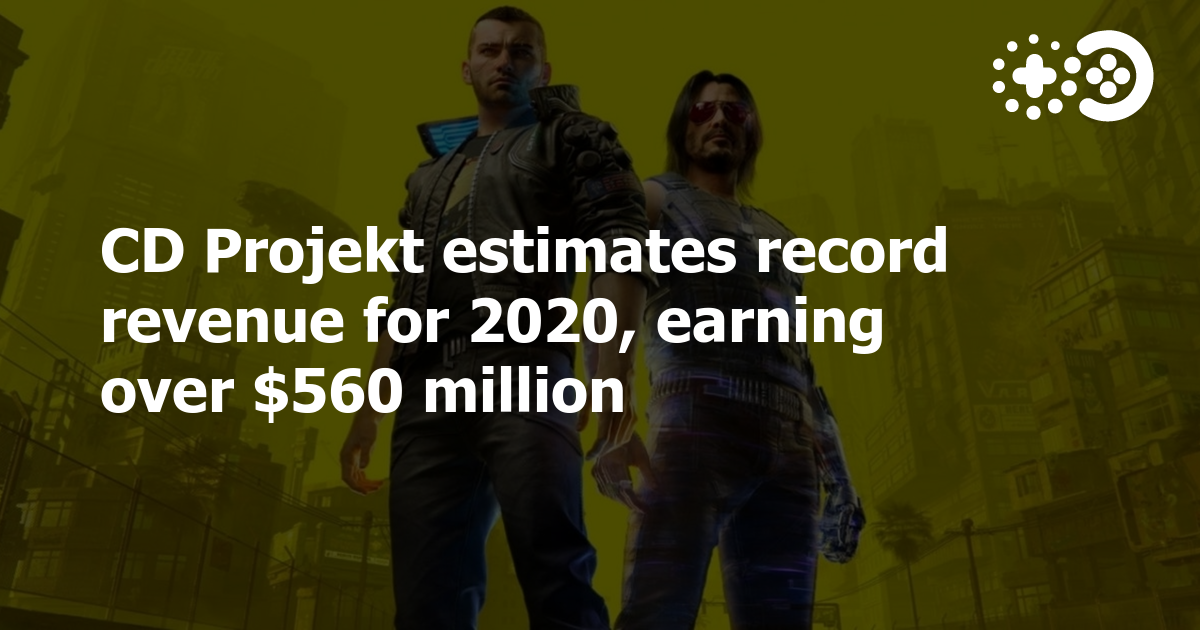
CD Projekt 2020 Estimated Financial Results
CD Projekt achieved record-breaking financial performance in 2020, driven primarily by the high-profile launch of Cyberpunk 2077.
- In 2020, CD Projekt achieved record-breaking financial results with estimated revenues of 2.13 billion PLN ($563 million) and net profits of 1.15 billion PLN ($303 million).
- The 2020 financial performance represented a 2.6x increase in revenue and a 3x increase in net profit compared to the company's 2015 figures, driven by the launch of Cyberpunk 2077.
- Erste Securities Polska analysts project that the remaster of The Witcher 3: Wild Hunt could generate between 100 million and 125 million PLN ($26 million to $32.5 million) by the end of 2026.

Hideo Kojima in Talks With Microsoft to Publish His Next Game
This report examines industry speculation regarding a potential publishing partnership between Hideo Kojima and Microsoft.
- Hideo Kojima is reportedly in talks with Microsoft to have the company publish his next game.
- The speculation regarding a Microsoft partnership was fueled by the appearance of a Ludens figurine on Phil Spencer’s shelf during a video stream.
- Neither Microsoft nor Kojima Productions has officially confirmed or commented on the potential publishing deal.

Clockmaker Analysis: Game That Aged Like Fine Wine
The mobile puzzle game Clockmaker, developed by Belka Games, serves as a case study for how a title can achieve significant commercial success years after its initial release.
- Belka Games' Clockmaker achieved over $230 million in lifetime revenue and nearly 30 million total downloads by successfully scaling years after its initial release.
- The game experienced a significant growth surge in late 2019 and reached a peak monthly revenue of over $6 million in January 2021.
- The primary player base consists of 'Thinkers' (53%), a demographic motivated by escapism, problem-solving, and competitive events, which aligns with the game's match-3 mechanics.
In FIFA v EA, Fans Lose
The termination of the thirty-year partnership between Electronic Arts (EA) and the football governing body FIFA marks a significant shift in the sports gaming landscape.
- EA’s Ultimate Team mode, a critical revenue driver, grew from $587 million in 2015 to $1.6 billion in 2021, underscoring the high financial stakes of the brand transition to EA Sports FC.
- Live services now account for 85% of EA’s $1.75 billion in quarterly bookings, providing a stable financial foundation as the company navigates the loss of the FIFA brand.
- FIFA faces significant financial risk from the split, as EA’s $150 million annual licensing fee represented the governing body's largest single income category.



The Gaming Playbook: Everything You Need to Know About the Gaming Audience
GWI's gaming research, drawn from a Q4 2020 survey of 19,488 internet users aged 16-64 across 15 markets (including a 7,506-person subsample of esports followers), argues that the gaming audience is far larger and more varied than the stereotype implies.
- As of 2020, 86% of internet users across 15 global markets engage in gaming, with mobile platforms driving significant demographic expansion among women, families, and adults aged 55 to 64.
- Revenue models have shifted toward digital-first ecosystems, where in-game microtransactions and downloadable content serve as the primary financial engines, particularly among high-spending Gen Z and millennial male players.
- Esports followers represent a highly receptive audience for advertising, with nearly 50% viewing brand sponsorships as a natural fit and 40% actively supporting brands that invest in their favorite teams.
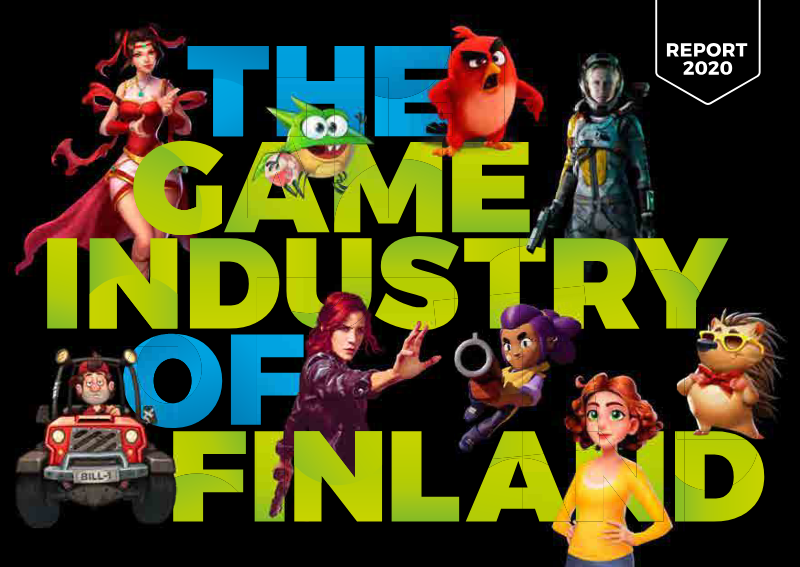
The Game Industry of Finland 2020
The Finnish game industry has grown over 25 years from hobbyist roots into the country's largest cultural export, and a 2020 study by Neogames maps its current scale, structure, funding, and outlook.
- The Finnish game industry generated €2.4 billion in turnover in 2020, marking six consecutive years of exceeding the €2 billion threshold.
- Industry stability has improved as Supercell’s share of total turnover declined to 54%, supported by a maturing 'middle class' of 46 studios each generating over €1 million annually.
- Despite a consolidation in the number of active studios to approximately 200, the sector reached a record high of 3,600 professional employees.

Cyberpunk 2077 Development Actually Began in 2016
The development history of Cyberpunk 2077 reveals a pattern of internal management instability and shifting creative visions that ultimately contributed to the game's problematic launch.
- Actual development of Cyberpunk 2077 did not begin until 2016, following the scrapping of all previous prototypes and the disbanding of the 2015 development team.
- CD Projekt Red’s internal development was severely hampered by the studio's focus on The Witcher 3, which caused staff hired for Cyberpunk 2077 to be diverted to the former project for three years.
- A major technical bottleneck occurred in late 2016 when the team realized the existing RED Engine 3 could not support their design goals, forcing a massive engine overhaul that stalled production.
Recipe for Game Lending Libraries: Participatory Budget as a Way of Financing the Creation of Game Lending Libraries in Poland
This article examines how participatory budgets (budżety partycypacyjne/obywatelskie) can finance the creation of toy and game lending libraries in Poland, using the Warsaw project "Wypożyczalnie gier planszowych w bibliotece" as a case study.
- Participatory budgets are presented as an effective financing tool for establishing board game lending collections within existing public libraries in Poland, using Warsaw's "Wypożyczalnie gier planszowych w bibliotece" project as the central case study.
- Participatory budgeting spread rapidly after first appearing in Sopot in 2011, reaching 62 Polish cities by 2013.
- Warsaw recorded 27 proposals for game lending libraries in libraries, media centers, or cultural houses, all of which were funded, while Kraków and Katowice had only one proposal each among the voivodeship cities analysed.

Fast, Cheap and Flashy An Indie Art Direction Adventure
Effective art direction in independent game development requires balancing aesthetic ambition with the pragmatic constraints of production timelines and technical readability.
- Effective art direction must prioritize functional visual communication and clarity over individual asset complexity to ensure the game remains readable during gameplay.
- When facing a critical visual overhaul ten months before its 2015 launch, Tooth and Tail successfully pivoted to a 90s-inspired pixel art style to simplify animation workflows and unify its design language.
- Development teams can increase efficiency by using 3D models to generate pixel-art assets and testing small, incremental changes directly within the game engine to avoid labor-intensive manual processes.
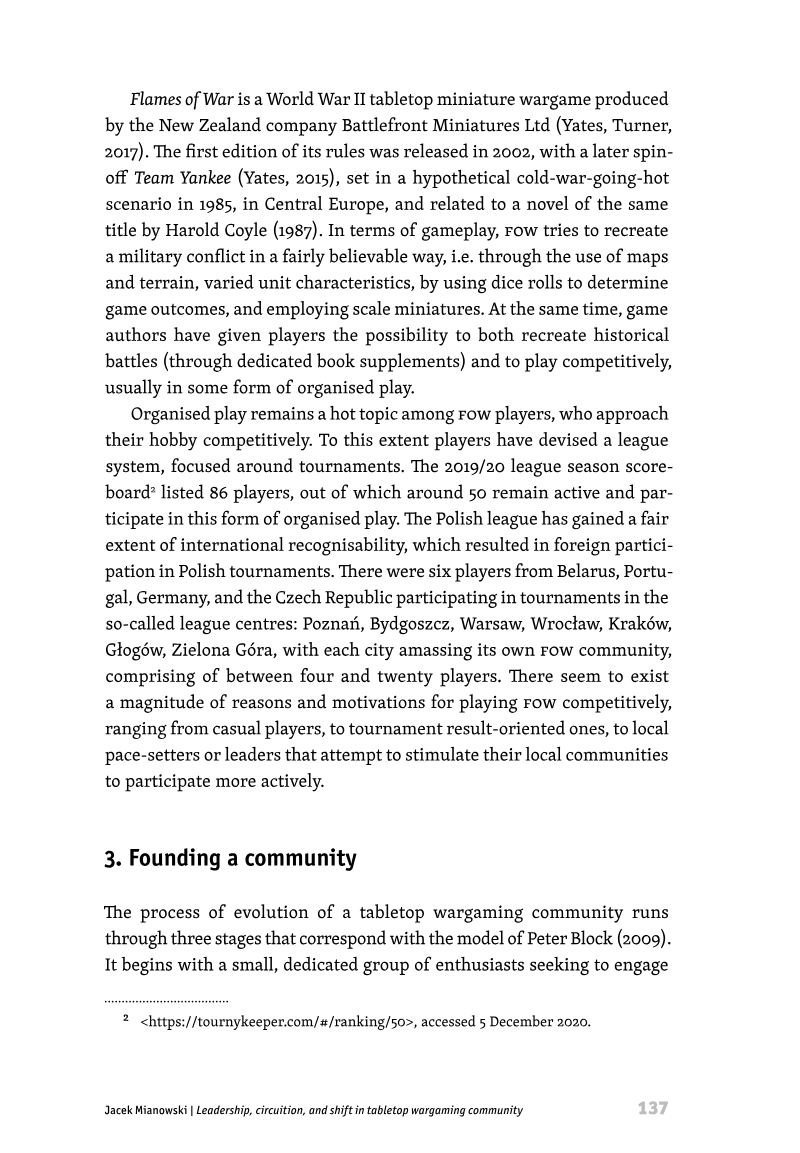
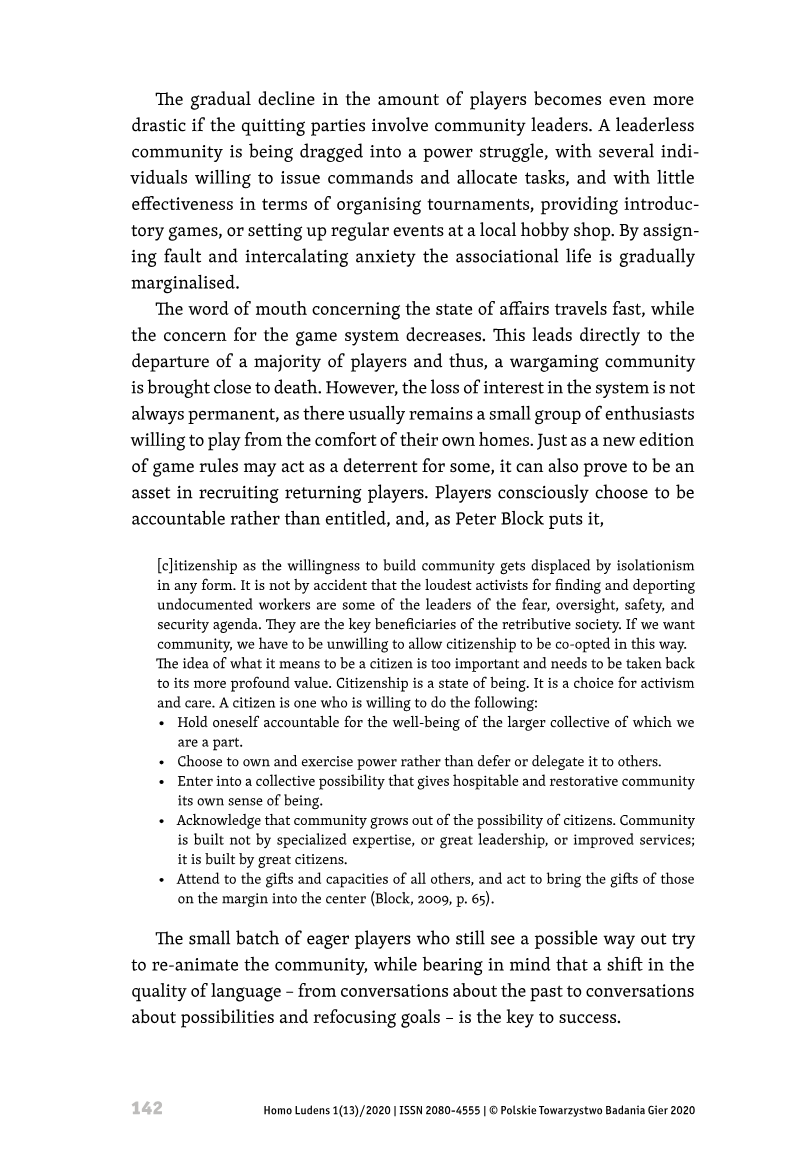

Leadership, Circuition, and Shift in Tabletop Wargaming Community
This paper, by Jacek Mianowski of Kazimierz Wielki University in Bydgoszcz, examines the life cycle of tabletop wargaming communities, covering how groups form, how they sustain themselves, and the mechanisms that lead to their decline.
- The report proposes a three-stage model of wargaming community development: small group dynamics, organised play once a group reaches roughly six or more active players, and national and international competition with events of twenty to over a hundred participants.
- Community sustainability depends on engaged players willing to act, support from local hobby shops and publishers, and games that remain appealing enough to attract new participants.
- Decline typically stems from power struggles, negative public discourse on social media, and the departure of community leaders, while revival requires a shift toward forward-looking conversation and renewed civic engagement.
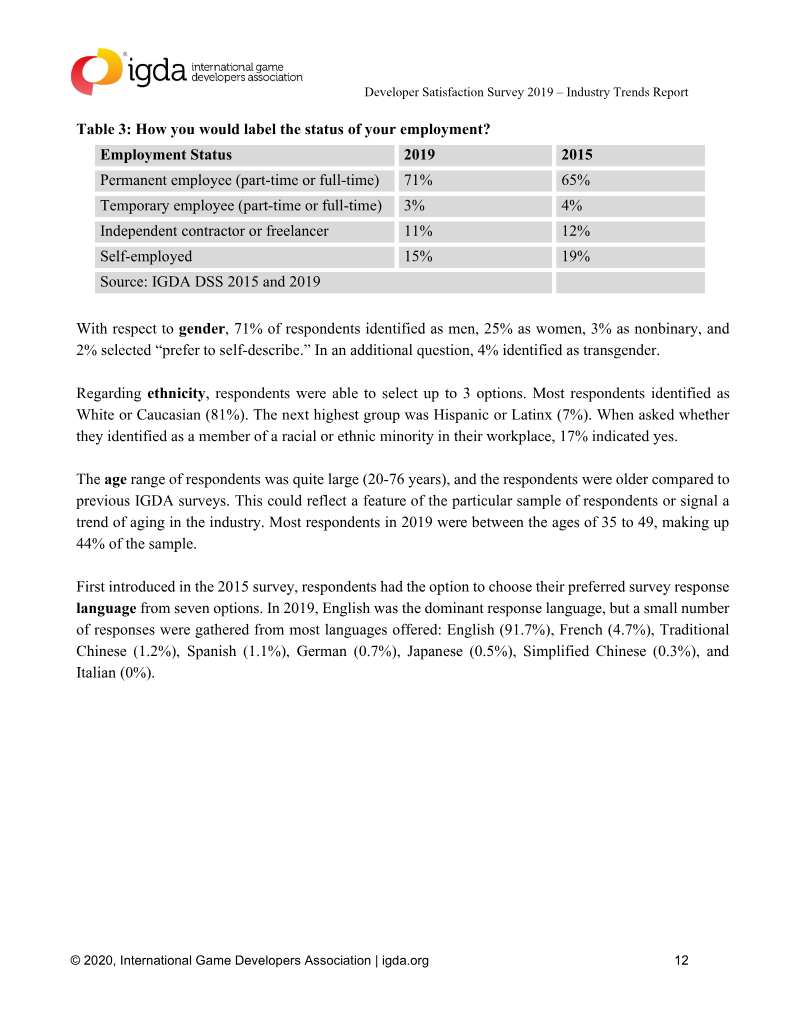
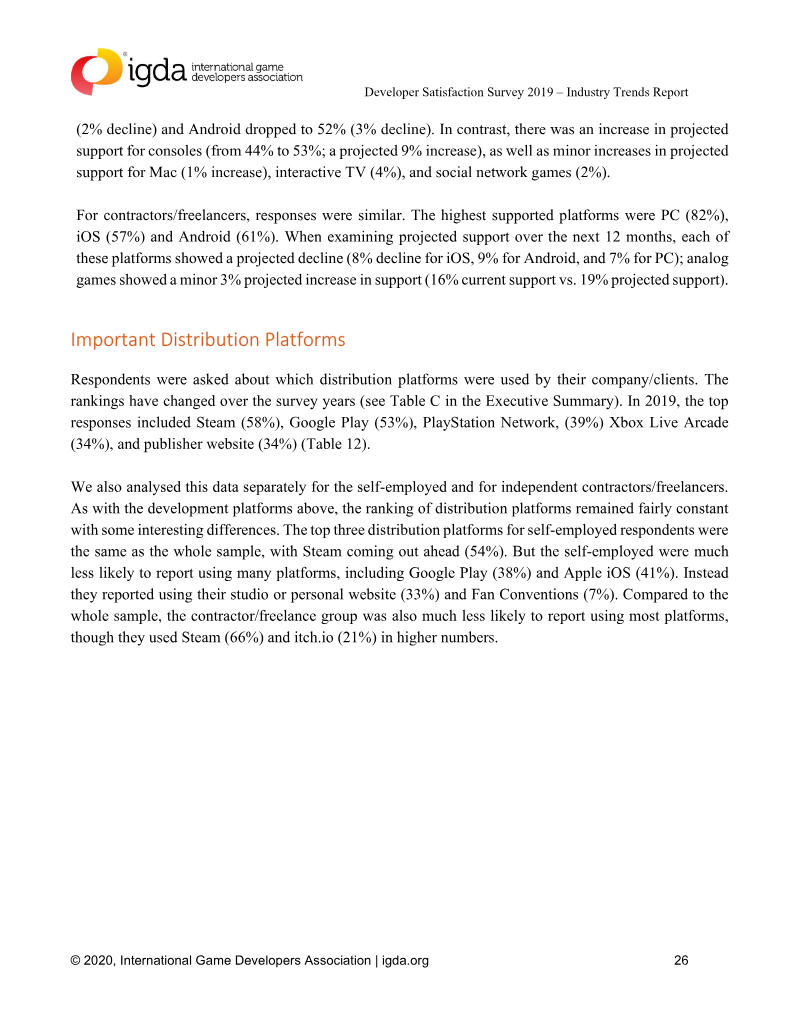
Developer Satisfaction Survey 2019: Industry Trends and Future Outlook Report
The 2019 game industry landscape reflects a period of significant transition, marked by a tension between technological innovation and systemic workplace challenges.
- 90 percent of industry professionals project moderate to considerable growth for the sector over the next three years, driven primarily by investments in PC and console platforms.
- Nearly 50 percent of the game development workforce supports unionization as a mechanism to address professional grievances and improve workplace standards.
- The industry is experiencing a decline in job satisfaction and growing pessimism regarding its current trajectory despite a strong focus on game design and storytelling.