1 free read left. Create a free account for unlimited reading + AI research.
Create free accountArticle Game World Observer
1 free read left. Create a free account for unlimited reading + AI research.
Create free accountArticleGame World Observer
All previous prototypes were scrapped, and the 2015 development team was disbanded. Early efforts between 2012 and 2015 were largely unproductive.
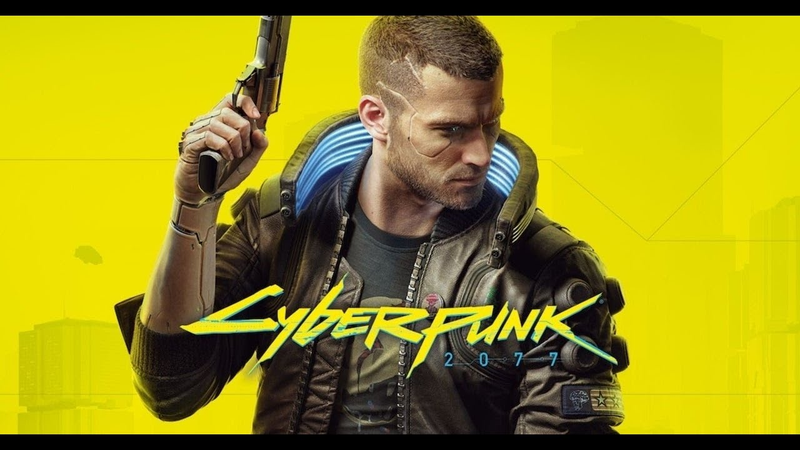
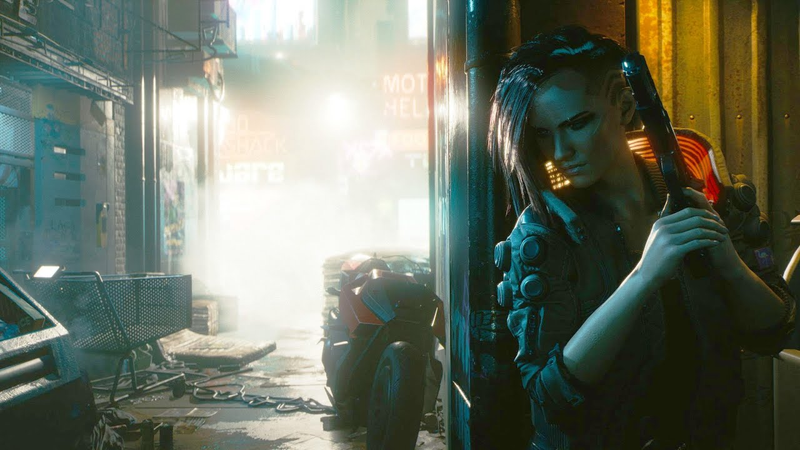
The development history of Cyberpunk 2077 reveals a pattern of internal management instability and shifting creative visions that ultimately contributed to the game's problematic launch. While the project was announced years earlier, evidence suggests that the actual production cycle did not effectively begin until 2016. Prior to this, resources were heavily diverted toward the completion of The Witcher 3, leaving the Cyberpunk team in a state of flux where prototypes were frequently abandoned and staff turnover remained high.
Key findings indicate that early development efforts between 2012 and 2015 were hindered by a lack of focus and the reassignment of personnel. By 2016, following the conclusion of The Witcher 3, the studio attempted a major overhaul of its proprietary engine, which rendered previous work obsolete and forced the team into a state of technical stagnation. Internal reports highlight significant friction between leadership and the development staff, characterized by disagreements over the game’s core vision, including shifts from a class-based system to a more linear, narrative-focused structure.
The analysis relies on accounts from former CD Projekt Red employees, which were corroborated by internal reviews and industry observations. These sources describe a culture of unrealistic scheduling and authoritative management that struggled to reconcile the studio's high ambitions with technical limitations. Ultimately, the disconnect between the project's early conceptual phase and the final production reality resulted in a development cycle marked by discarded assets, the departure of key leads, and a final product that failed to meet initial expectations.
Game World Observer · 2026
Naavik · 2024