USA reports and market data
Documents
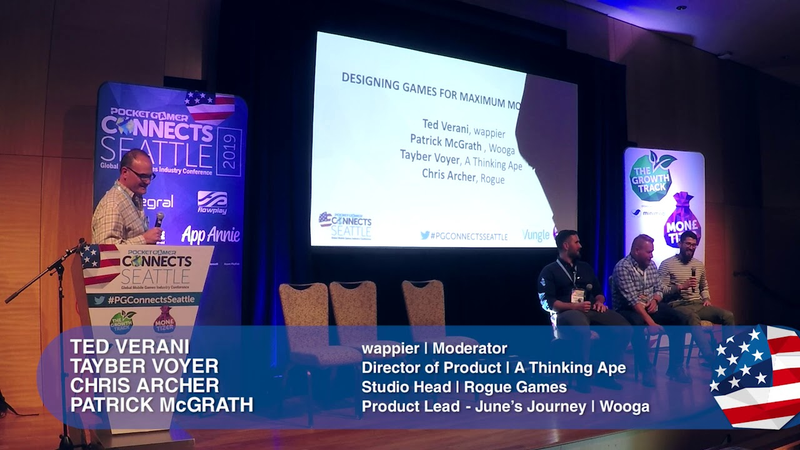
Designing games for maximum monetisation
Successful mobile game monetization requires a strategic shift away from aggressive, progress-blocking tactics toward a model rooted in long-term player retention and genuine value perception.
- Prioritize long-term retention and social engagement, such as guilds and communication tools, over aggressive, progress-blocking monetization tactics to build a more resilient and profitable player base.
- Focus development efforts on mid-game engagement rather than solely optimizing the top of the funnel to increase both active participation and player spending.
- Avoid deceptive pricing and 'pay-to-bypass' mechanics, as these practices erode user trust and negatively impact long-term retention.
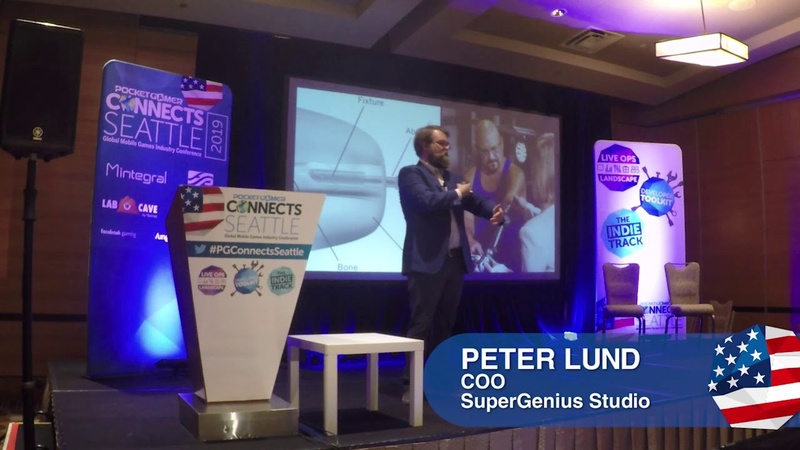
Application of triple-A dev skills to healthcare and other non-gaming markets
The application of triple-A game development expertise to non-gaming sectors, particularly healthcare and therapeutics, represents a significant strategic opportunity for the industry.
- Immersive VR distraction therapy has been shown to reduce the need for narcotic pain medication by 20 to 30 percent in clinical settings.
- The brain processes virtual reality experiences as actual memories, providing a unique neurological mechanism for therapeutic interventions like prosthetic limb control and pain management.
- Triple-A game developers possess specialized expertise in real-time 3D development, user experience, and narrative design that is currently lacking in outdated medical simulation technologies.
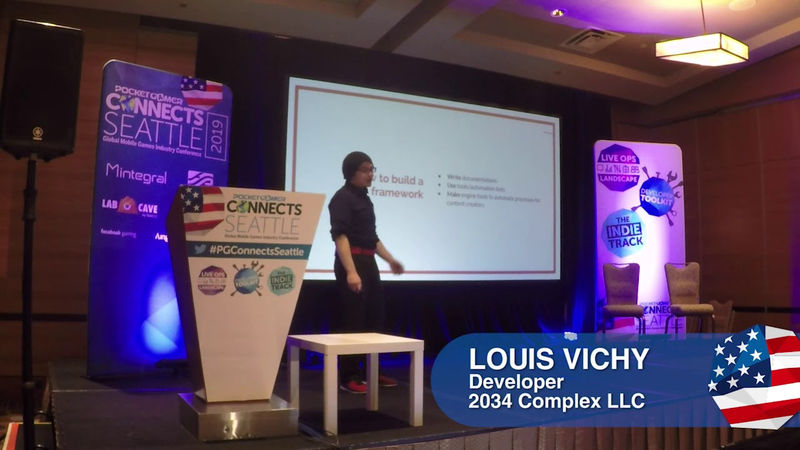
Technical indie game developer tips for starting your framework early
Establishing a robust development framework early in the production cycle is essential for indie game studios to maintain efficiency, scalability, and team cohesion.
- Establishing a formal development framework early allows indie studios to transition from prototyping to scalable production pipelines, directly addressing constraints in time and team size.
- Implementing structured pipelines for repetitive tasks can yield significant efficiency gains, such as reducing cinematic production staff from five developers to two and cutting total production time by 50%.
- Indie teams should prioritize using industry-standard engines and extending them with custom tools to solve specific bottlenecks, rather than attempting to build custom engines from scratch.
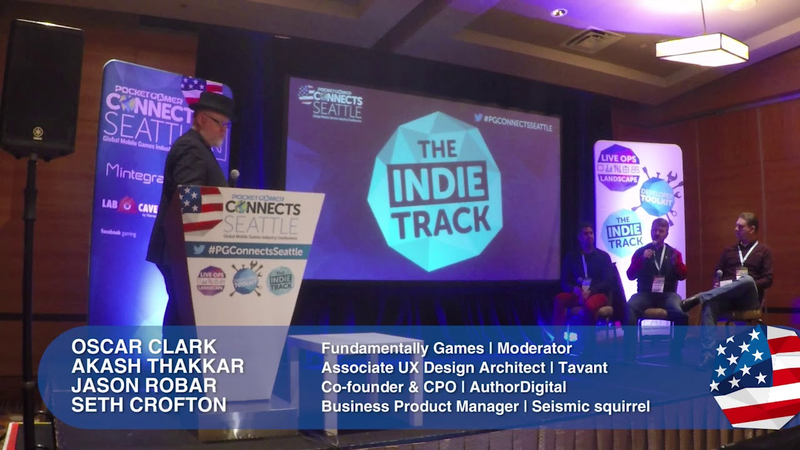
Keep talking and no-one explodes – Tips for smooth teams
Effective team communication is a critical, often overlooked component of game development success.
- Prioritize the human element of collaboration by building trust and empathy to move beyond transactional interactions.
- Implement 'Fight Club' sessions as dedicated, safe spaces for team members to address interpersonal conflicts and misunderstandings immediately.
- Focus on identifying and resolving root causes of disagreements rather than arguing over symptoms, a process referred to as avoiding the 'red table, blue chair' phenomenon.
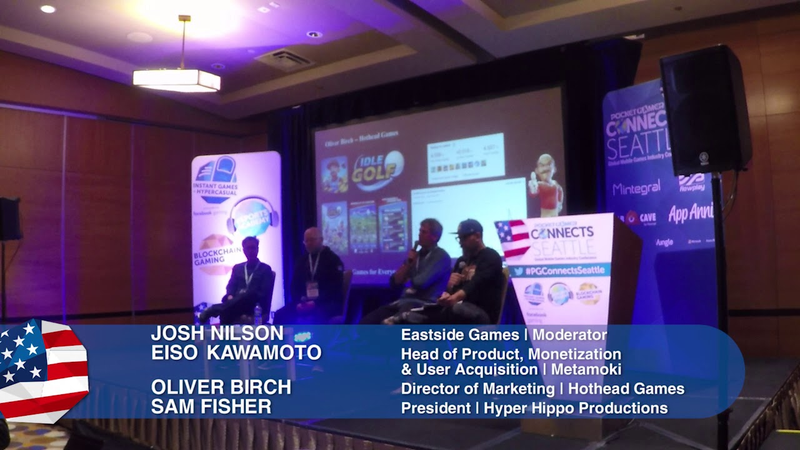
Idle games – Games for everyone
Idle games have evolved from simple, secondary entertainment loops into sophisticated, core lifestyle habits that command significant player time and investment.
- Rewarded video advertisements generate over 55 percent of total revenue in the idle genre, serving as a value-add for progress acceleration rather than an intrusive disruption.
- The idle genre has transitioned from simple secondary loops into sophisticated, community-centric platforms that prioritize long-term retention through persistent world-building and character collection.
- Monetization strategies rely on a hybrid model that successfully captures spend from a hardcore player base willing to invest in both premium content and ad-skipping mechanics.

Panel: Instant Games versus the hyper-casual market
Hyper-casual games and instant games represent distinct approaches to mobile engagement, with the former prioritizing stripped-back, core-mechanic loops and the latter focusing on social-first, viral experiences.
- Instant games must evolve from simple marketing funnels into standalone experiences that leverage the social infrastructure of platforms like Facebook, Snapchat, and WeChat to drive long-term retention.
- The industry is shifting toward a 'super-app' model where games function as lightweight, integrated social utilities rather than isolated applications to capture massive, pre-existing audiences.
- Key barriers to growth include poor content discovery mechanisms and the difficulty of integrating gaming into messaging environments without appearing intrusive to users.
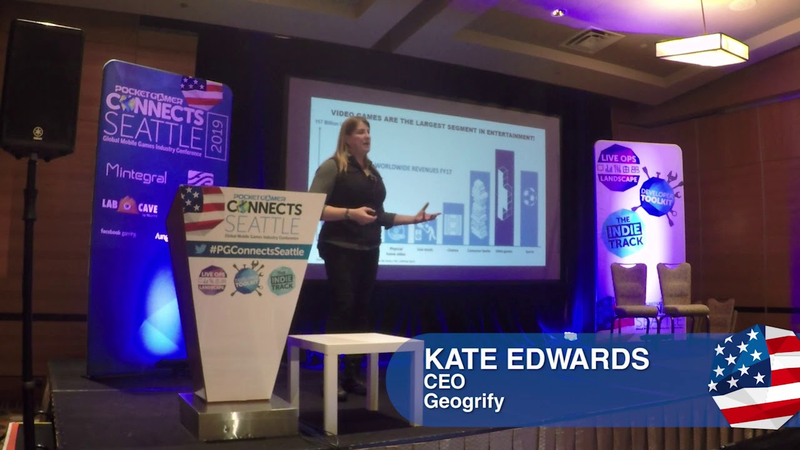
Building leverage for game creators
The game industry faces a critical juncture regarding labor practices, characterized by persistent issues such as crunch culture, toxic work environments, layoffs, and a lack of diversity and inclusion.
- Quality of life is the primary driver for developers considering leaving the game industry, which currently faces systemic instability characterized by crunch culture, toxic environments, and frequent layoffs.
- Despite the gaming sector's economic power exceeding that of global live sports, the average career length for developers remains short, typically spanning only five to seven years.
- There is a significant shift in workforce sentiment toward collective action, with an increasing percentage of developers now supporting unions, guilds, and collective bargaining to address power imbalances.
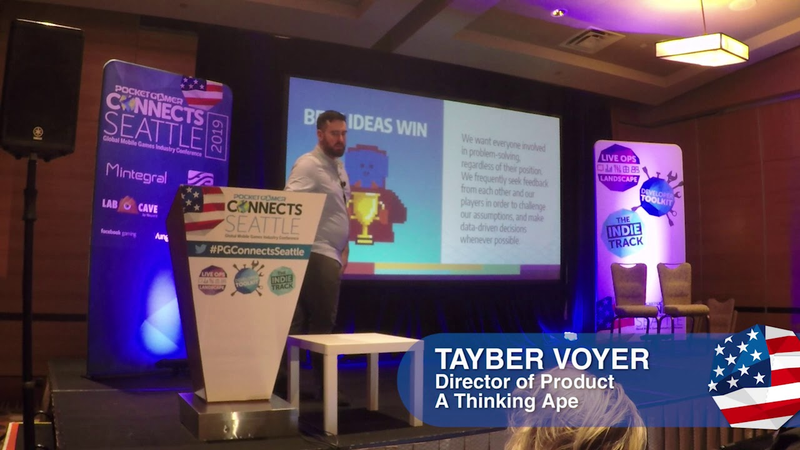
Using core values as the operating system for company culture
The primary thesis of this presentation is that a company’s core values should function as an operating system for its culture, providing employees with the necessary guidelines to make autonomous, high-quality decisions.
- Core values should function as an operational framework that empowers employees to make autonomous, high-quality decisions without relying on top-down management.
- The studio’s culture is built on four pillars: individual ownership of the end product, the principle that the best ideas win regardless of hierarchy, a commitment to continuous growth, and the practice of having 'wonderful arguments.'
- The 'radical candor' method is used to facilitate honest debate by balancing personal care with direct feedback, specifically avoiding the pitfalls of 'ruinous empathy' and 'obnoxious aggression.'
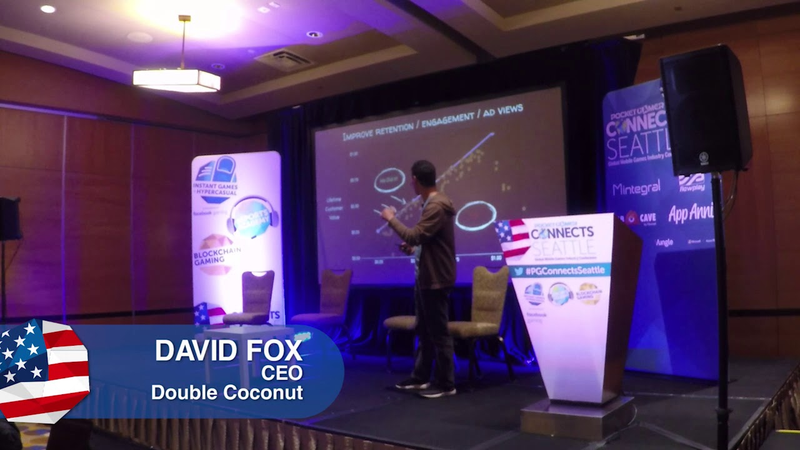
Hyper-casual math
The hyper-casual mobile gaming sector has evolved into a high-volume, data-driven industry that functions similarly to the pop music business.
- Hyper-casual profitability relies on a strict mathematical threshold where user acquisition costs must remain lower than the lifetime value generated by rewarded video ads.
- The industry operates on a volume-first strategy, where publishers like Voodoo crowdsource hundreds of prototypes to rapidly identify and scale titles with mass-market appeal.
- Between 2014 and 2019, the sector transitioned from a market of accidental viral hits to a sophisticated, publisher-led ecosystem driven by data and aggressive marketing.
Interactive livestreaming and the future of esports
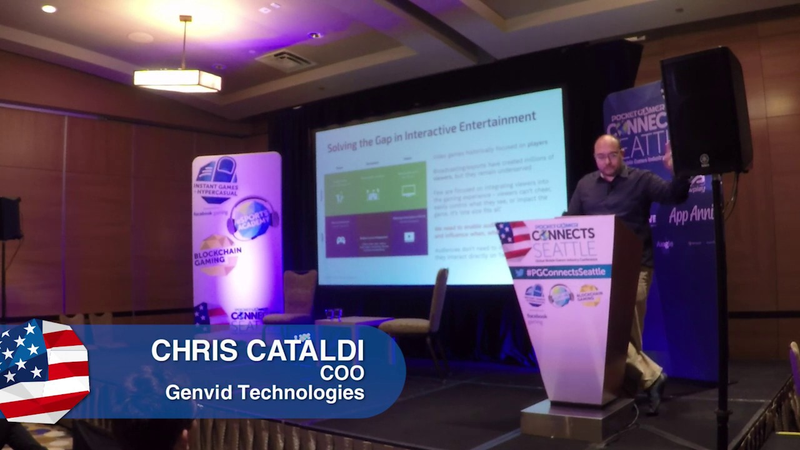
The future of esports lies in the evolution of interactive streaming, where game developers shift their focus from exclusively serving players to intentionally designing experiences for viewers.
- Game developers currently prioritize the player experience over the spectator experience, often disabling advanced camera tools and data access in live builds to prevent potential cheating or distraction.
- Interactive streaming technology, such as Genvid’s overlays, allows viewers to access real-time game data—like weapon loadouts, hitboxes, and win-loss probabilities—that is typically hidden from players to maintain competitive integrity.
- Future esports growth requires shifting from a player-only focus to a 'digital stadium' model where the broadcast medium is designed to be viewer-friendly for non-players, similar to how traditional sports evolved alongside radio and television.

Microsoft E3 Press Conference | Games ReCAP Episode 002
Microsoft’s E3 2019 presentation signaled a strategic pivot toward long-term ecosystem building, characterized by aggressive studio acquisitions and a focus on service-based growth.
- Microsoft is aggressively acquiring studios, including Obsidian, Ninja Theory, and Double Fine, to build an exclusive content library for the upcoming Scarlett console launch.
- The industry is shifting toward double-A development as a sustainable financial alternative to the high-risk, blockbuster-scale projects that currently dominate the market.
- Microsoft’s E3 2019 presentation prioritized service-based growth through the Game Pass model, though it faced criticism for lacking the surprise announcements needed to drive momentum for Gears 5 and Halo Infinite.


2019 Essential Facts About the Computer and Video Game Industry
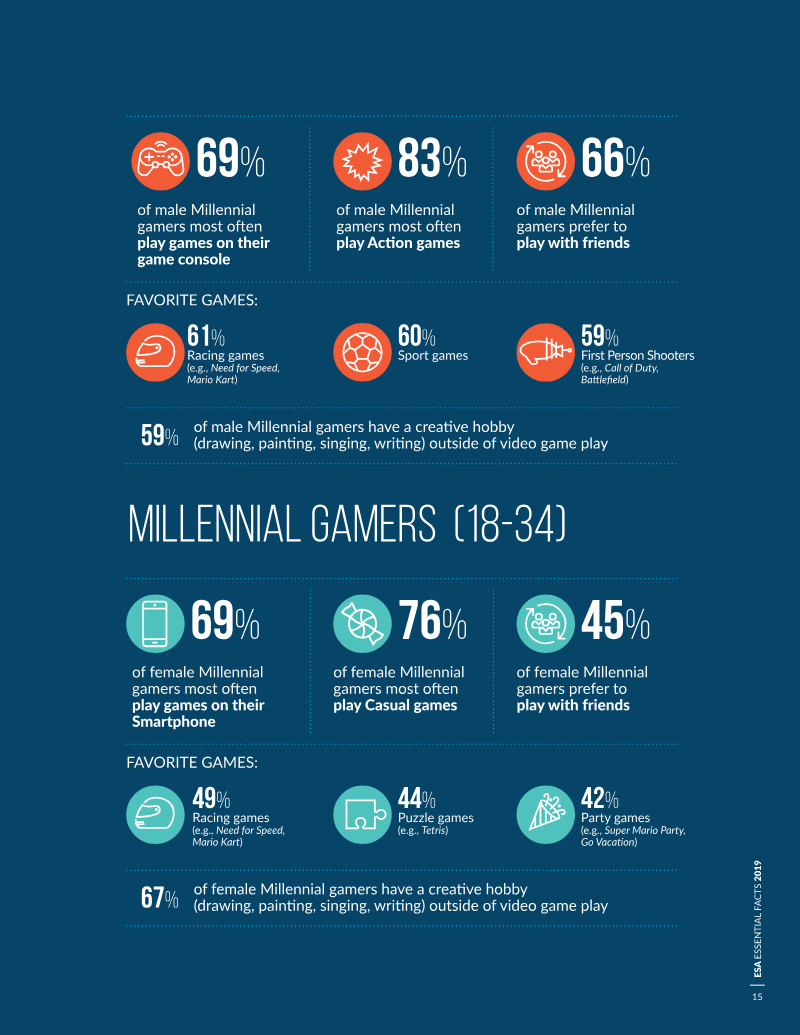
The 2019 Essential Facts About the Computer and Video Game Industry provides a comprehensive overview of the American gaming landscape, highlighting the industry's record-breaking performance and the diverse demographics of its player base.
- The U.S. video game industry generated $43.4 billion in total sales during 2018.
- Digital distribution dominated the market in 2018, accounting for 83% of all physical and digital format sales.
- Gaming is a pervasive household activity, with 75% of American households containing at least one gamer.