1 free read left. Create a free account for unlimited reading + AI research.
Create free account
Technical indie game developer tips for starting your framework early
Key insights
6 takeaways- 01Indie teams should prioritize using industry-standard engines and extending them with custom tools to solve specific bottlenecks, rather than attempting to build custom engines from scratch.
- 02Establishing a formal development framework early allows indie studios to transition from prototyping to scalable production pipelines, directly addressing constraints in time and team size.
- 03Implementing structured pipelines for repetitive tasks can yield significant efficiency gains, such as reducing cinematic production staff from five developers to two and cutting total production time by 50%.
- 04Comprehensive documentation, including coding bibles and style guides, is essential for rapid onboarding of junior developers and preserving institutional knowledge when team members leave.
- 05Treating the development process as a product—incorporating automated testing, standardized workflows, and clear communication—minimizes technical friction and protects the designer's vision.
- 06Studios should focus automation efforts on recurring technical problems to reduce internal debate and ensure the flexibility required for post-launch updates and live operations.
Ask AI about this video
Transcript
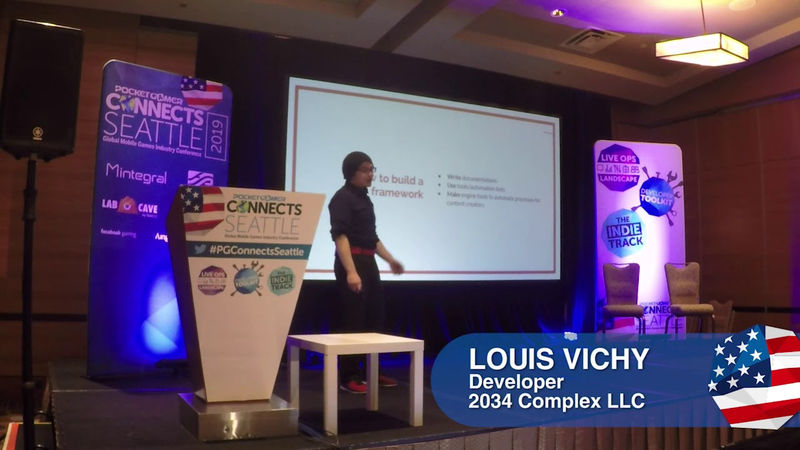
hey how's it going everyone my name is Luis and you can follow me lipid on Twitter so this table is intended for indie engineer manager so I am the one of the lead developer of the Janus project we are creating a framework to create action RPG game so in sick we have sick death and in three months we can come up we make a bunch of feature so the goal the talk today is is is a very enlightening talk on touching on framework so why do we want a framework um here is a case study in our project do so the framework that I'm working on is very focused on action RPG with a lot of cinematic looking at The Witcher and whatnot and the first cinematic that we made we need five
developer and working for ten days to produce a very short is a very is the same same length duration cinematic on the second one though we need only three apps and it reduced to seven days and now these day we need only two deaths and five days to produce male one cinematic so with the framework it like a very is it allows you have very very well oiled machine to produce you know what your desire result so that's a different shade of the between ribbon engine so when you start working on a project is it especially when you're indie you were definitely looking to pick an engine right because you want to make content you want to make game and you don't really want to dive into making engine if you want to make the engine we welcome to but usually a good engine are very generic powerful and flexible so that you can extend on top of it but
well but usually though a a good team can extend can work on top of the engine and extend it so if you blame your if you hear the plane engine that your team is not able to your ship the game it's not really actionable one of the one of the case study would be stop Norika they choose UD for their engine and the rendering the render pipeline of unity was very liking back in a day so they were having a lot of issue to rendering their their fleet and you know all of their their flock of fish so one of the engineer has to rewrite the whole rendering engine rendering pipeline and they mentorship a very beautiful game so the engine definitely is not the problem here it's actually how you work with your team so what is the limitation of the game especially in indie scene and it
usually is the design of the game how you desired and no designer and what their team want to achieve the final result of your game and on and there are some other limitation to of game design which is team the team themselves right and time and money but we money will be some other issues so the framework can actually solve like the gist of the talk today is to talk about the team and time which which can be um and can be some right into your framework of your of your team basically so what what is the limitation of the design itself then usually it's the genre you have 2d platformer you have 3d herbally you have neo fully puzzle or you have any other game out there let's pick one of them we'll pick 3d RPG and let's assume that here is a component of the three RPG project hypothetical with a bunch of
them so there's a lot of step per each of these and here is example of wool flow above creating a playable character right so get animator the concept are is the designer and programmer assuming you have a turret you indie team which for four people working on something you have some of these steps so usually a good framework you definitely want to there's like this chart here is like example of how you can structure your framework to work collaborative collab collaboratively among a team and so basically the framework a frame would pretty much very specific to the team culture and communication the style of how you want to collaborate with your team for example we go back we have a very basic brainstorming ideation right
wait the whole team is come together and say hey let's make a playable character hey they said the sort they have a show then once you have that direction you know what you want to do we you'll probably have a produce producer person who would make a list of everything people need to do and put it on hacking plan right which is the second plan will be a good - for you to keep track of the task and then your ammeter will start making the base model right very base you know using one of the base model on the market probably the council all right we'll start walking I sell hood and to make them cartoon more and you have this thing and then no designer will start think about the gameplay and yeah the flow will move on and on and programmer rarely code really right so in a lot of case the designer in the programmer become one person and that's usually what happened in a you know indie studio so another thing is a framework could also do a lot of animation to your pipeline especially
when you want to release your game in a very not very tight deadline but you want to make sure that your game can can be patched after you release it and you want to release early so you can get cut not customer will you get like the very first early players so they can test and even tell you how stock to gamers and you can start fixing problems early on and are with any repeatable tasks like we have about that basically is tell us when someone has made a bill and post some silly message mean more in discord and apparently it's pretty helpful because we can tell the playtester hey the meme is up so test again and yeah yeah it actually quite helpful and also assets assisting other designer because we want to make sure that the designer be as productive as possible when they work on the game because the main the main blocker of any project right is a vision of designer so a framework should make
sure that it embrace the designer and make him as as productive as possible by making you know like for example one of the example to be making like if you have a very a very heavy cinematic system you wouldn't make a tool or two in our project we made two to allow our designer so in Unreal Engine we use everyone Jane for game and Unreal Engine has a very very slow or not slow but like very hard system to integrating cinematic into the current location relative cinematic because of the cinematic of the sequencer started war location at 0 0 0 globally so it'll be it was pretty hard to drag-and-drop me I want you see Mary into the current location right so what do we do well yeah you make a 2 for that so to allow the developer designer to allowing
to drag-and-drop the cinematic way what you want and that will allow them to be more productive on in a long run so so the question now he's come to how they build a framework and it's usually just write a lot of documentation a framework doesn't have to be specifically strictly programming like because a lot of time people just do a lot of manual labor and when you get used to it you would do it automatically anyway and if you often live with xkcd that's the comic strip that basically out why it's actually longer to make the program to automate the task then just do them a to attack itself so it's better did you start documenting the process so that if it happened that one of your team it has to go because they have a kick at Microsoft for example then you can still hire new person and you say hey you know you and I'll talk about that guy and here's a here's a just do the tasks don't even think about it and yeah and then when it comes to
more more more advanced tasks then you would make - all right used to our mission tools out there like genkan discord you know I can plan right any two out there that help you help the team work faster the new product or and adding new features to your game faster and then yeah eventually want to come to it make the engine a improved engine make plug into the engine make tools to automate processes so which is the gist here right the gist is if you derived the framework early on then your team can now focus on the game design and yeah a lot of time you have to cut the scope right because if just scope is too big then the team will not really handle it unless you have more people joining which is actually one of the Gateway to get more people to join yeah that's what we found with our project because gala
imagine if you have a very ambitious project but but the process of making and the process of making a new capture is the same all the time right you make a new character you make an NPC an NPC is not that different from the playable character beside the controller code which is all the programmer style but the the pipe to make that to make a new model to make to rig him to animate him and to putting him into the game it's the same so it could be different animator the thing though is when you hiring new people especially junior your senior person when I have to train him which is a lot of time it's a time thing and that's usually how IDI project and I because you because you have more scope than you can chew and without having that feature your project just not good enough and you just own the ship and you decide to just take the cake at Microsoft and kill your project until you have more people basically yeah so with the framework with something written down and we're talking now allow
your your junior gap really the junior guy coming in say oh okay how do i how to interact with your source code how do i interrupt Miami into the game you can send him the Google Doc and say hey here's a Google Doc with step-by-step instruction even we actually use spreadsheet for some of that to you a specialist of every single tutorial especially tutorial good like literally losing your youtube tutorial on how to you know why get a capture from blender export him app Oliver Rick and then put it into UV for their tutorial there right that's the step that's one set for you and you gave it to your junior person badness life he can be very productive out right away nobody to training and after he done that for like three times he will he will probably be suitable to be a senior person to and indeed team grow pretty fast if you have documentation so basically this talk is all about writing documentation for your team early on and that make to two but you know making two
is time-consuming right still punchy or that that's one of the tasks but yeah I mean this is a very kind of I I think it's a very common sense advice to write accommodation but I think not a lot of indie team do that only I think only people who do open source stuff I am a very huge country open source influences so I really love how the way that people will write documentation and you can actually observe this behavior in open source project where people write documentation a lot excessively like we keep wiki write a quickie for project so that new community I can jump in and be very productive without 0 with zero training so yeah right inoculation even for the indie project beside right I mean documentation like game design document and your project management and business strategy those are the thing that you need to do but for your team right for your technical development and your
whole process then yeah right down with it right documentation for that too because do you need to have further for the next name as well so that's pretty much it the top is about all about writing documentation thank you very much oh thank you I agree with all that by the way and I remember back at my time at Sony we moved to a wiki based kind of requirement strategy yeah and of course at one end it was trackable and it meant that people could actually see that and contribute and comment and with the way we did it at the framework that we created a four of that process was I'd capture requirements document the requirements are then asked that the tech team to provide a technical definition of how they were going to respond to it and then I got to sign off whether I did it did it or not and that model of being able to say actually what we're gonna get is going to be what we said really plugs into what you're saying about having a development framework as well because if you have
this definition of what you're going to deliver and you have a framework of how to deliver then you can create pipelines and that makes everything more efficient and then you've got live ops and games of service all feeling off that framework so it's an incredibly powerful way to think that you know if you define that coding terms if you define the art styles and and the way that you're going to you know rig things upfront yep you've soft sand when your problems later anyway that's my take on it it does anyone have any questions I'm rambling on yeah question about you know probably the framework yeah what if anyone want to jump in go on don't be shy okay I will do though and so when I mean obviously I'm thinking about things like here they're kind of coding Bible you know how I mean how do you frame things because I like to know that any coding come in and understand what's a variable what - you know format of that other stuff but it also think like you say
they you know what is the scale that you're going to create a an avatar or or or guest house rigor in all his principles how do you kind of have you to make that first decision about what that's going to be and deal with problems as they come later when you need to think about a lot of stuff so for example especially it could so code convention and asset preference or asset styling or and ass all the asset the way that we want to the asset to be produced oh that we there are so many blog out there resource out there there are so many people who have blog about the process and people who have put on github your own convention especially we're using Unreal Engine Andrew engine has their Wikipedia where they have you know all that code convention right so adopting a standard is definitely the best so that there's no no confusion and then we will change it will adopt it we will absorb our own styles we move on because we have to grow outside of that too right but generally adopting like
the business standard or I mean the industry standard and there is one is never at five well yeah there does a lot of them right so that's why I get to choose one choose one here yeah big one big one pick one I stick to it like even if it's the worst one but your senior person has already picked it stick to it right you don't want to join your person coming in and say hey we know I you know I want to add ESC to your web project and you realize well we need to ship it first you know and once we ship it we will work on it the next one the next project and then we will use react yes a you know so say with that or I stay with what has been there to ship your game first because where the goal is ship game and move on to the next project and don't limit yourself to one single project because it's not worth it so I'm crushing it trance find it with that is we you're never to be down the line have something which has to you find an issue the problem you
have to change it and that can have a profound effect on some of the decisions you made earlier how do you make sure that the changes you need to implement get built back into the framework because of the issues I've seen its people have an obvious framework going along and then they have this problem and then they just fix it and get on where they're from that point onwards they forget so the first thing that we would do is try act and see if the problem is actually a problem I see with we're solving and see how how many time it has occurred because to have to have something to be encoded into the framework it's usually a recurrent problem especially with like the reason why we make the bots to tell everyone to tell playtesters hey that's doomed Oh happening is because one of the person had to build the thing and then have to watch the Bob right and then when the BART is done at 5:00 a.m. then he has to go to the channel and and ping everyone and say hey playtester here's a new dough it happened like you know every week right so because of that it happens so often that we say okay let's make a
bob and army the process and you know and then all the other problem with that when when this problem would like for example a person like one of our animator forgot to your add one of the shinbone in one of the Rick for example that happened a lot and because we know he's a very junior I mean we know that if we add new junior dev they would probably make the same mistake so this at that why a little single I ended up and highlight it and say hey add the shinbone it's like you can tie that into kind of automated tests as well to a certain extent kind of you could making sure you've got this roadmap of not just what you'd do and here's the order of how to do it but actually here are some things we found out and then we're as we do unit testing of those things we can run our first pass yep automatically so it can make the whole process a lot more efficient particularly when you like three months into live and you've got to do a new update and you've got to have a new event and you've got to keep having enough content for those things yeah yep you ever set it up in the first place you're gonna be scrambling is that fair
yes
Summary
Establishing a robust development framework early in the production cycle is essential for indie game studios to maintain efficiency, scalability, and team cohesion. By formalizing workflows, documentation, and automated tools, studios can transition from prototype phases to production pipelines that allow for rapid iteration. This approach is particularly critical for small teams, where the primary constraints are often time, team size, and the ability to integrate content seamlessly.
A core finding is that a well-oiled framework significantly reduces the labor required for repetitive tasks. For example, in cinematic production, implementing a structured pipeline reduced the required personnel from five developers to two and cut production time by half. Rather than attempting to build a custom engine, indie teams are encouraged to adopt industry-standard engines and extend them through custom tools that address specific design bottlenecks, such as simplifying complex asset integration or automating build notifications.
Methodologically, the framework relies heavily on comprehensive documentation and standardized processes. By creating "coding bibles," step-by-step tutorials, and clear style guides, studios can onboard junior developers quickly, ensuring they remain productive without requiring extensive senior oversight. This documentation serves as a living repository that captures institutional knowledge, preventing project stagnation when team members depart.
Ultimately, the goal of a framework is to protect the designer’s vision by minimizing technical friction. Teams should prioritize recurring problems for automation and adopt established industry standards for code and asset production to avoid unnecessary internal debates. By treating the development process as a product itself—complete with documentation, automated testing, and clear communication channels—indie studios can successfully ship games and maintain the flexibility needed for post-launch updates and live operations.



















Comments