1 free read left. Create a free account for unlimited reading + AI research.
Create free account
Keep talking and no-one explodes – Tips for smooth teams
Key insights
7 takeaways- 01Implement 'Fight Club' sessions as dedicated, safe spaces for team members to address interpersonal conflicts and misunderstandings immediately.
- 02Focus on identifying and resolving root causes of disagreements rather than arguing over symptoms, a process referred to as avoiding the 'red table, blue chair' phenomenon.
- 03Prioritize the human element of collaboration by building trust and empathy to move beyond transactional interactions.
- 04Supplement text-based communication with voice or video calls for complex issues to mitigate the lack of emotional context in remote environments.
- 05Identify the true 'movers and shakers' within a team by observing actual dynamics rather than relying solely on organizational titles for decision-making authority.
- 06Treat meetings as game systems by establishing clear 'win conditions' and time-saving goals, such as implementing 'no-meeting Wednesdays' to protect focused work time.
- 07Conduct regular individual check-ins to ensure that the evolving personal and professional goals of team members remain aligned with the project vision.
Ask AI about this video
Transcript
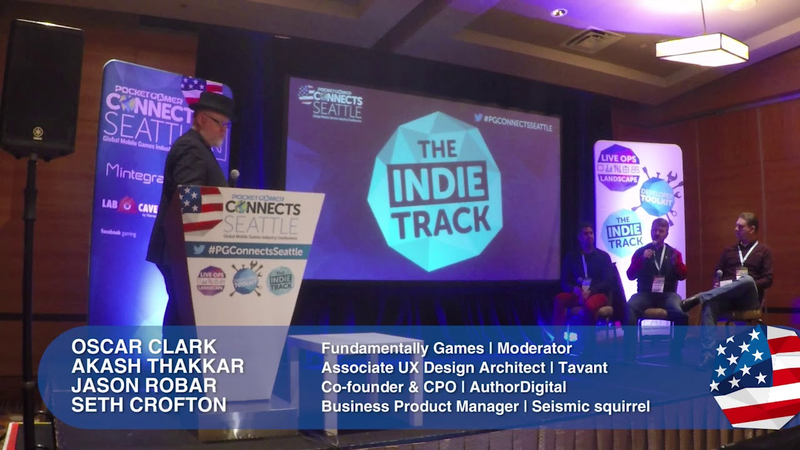
so we're gonna talk about the topic being I don't her slide will come up but keep and no one explodes which is a bit of a crazy idea of mine but it's a kind of point to it not sure if we have a slide or not just coming up I think so the whole point of this really is the communication is key and in an Indy track we talk a lot about culture we talk a lot about you know making content design and practicalities of being a business we don't often talk about what it's practically like being in a team so I thought I'd get some you know some three amazing guys to talk to me about their experiences and let's start by just can you introduce yourself and tell people what you do hey everyone my name is Akash the car I'm a composer and sound designer based here in Seattle and I've worked on games like destiny hyper
light drifter did all the audio on that and a whole bunch of other stuff that I can't talk about right now hooray Oh Jason hi Jason robe are run 3 different indie Studios here in the Seattle area and also in China and in Germany and so had a lotta different teams in a lot of different time zones and dealt with communication issues and culture issues all over the place and since I'm Seth Crafton I work with large communes like wargaming all the way down to small indie Studios over in India and Romania along with manufacturing companies and all different time zones so obviously nothing's ever gone wrong when people stop talking to each other but I mean do you have any actual examples that you are allowed or least can change the names to protect the innocent the illustrate why communication is important okay so any thoughts yeah so for me because I'm freelance and do all my work remotely most of that falls on me to actually reach out to people and actually start communicating with them and when I first started I was just like oh if I do the work and never say a word everything will turn out fine right
mmm-hmm so when I first begun I was I just kind of went off in my hole and did my work and then kind of delivered assets and thought they'll notice right they don't notice and they got real mad so what I had to learn was slowly but surely that I need to constantly into a degree if I'm remote overly communicate and make sure that they know everything's being delivered I'm working on X I'm doing Y making sure that thought that's all super clear because I've got all their own issues to worry about and as being yeah registering alone war for such a long time I was in the office like twice a year so you unless you talk to people regular you just come to Jackson do you have any particular examples yeah we actually my co-founder and I actually created a culture around communication I actually when might do my interviews I let the other guys talk about all the technical issues are you good artist whatever but I actually drill in for communication style it is the most important thing for bringing somebody on the team Bar None how many languages do you speak what other cultures do you understand and what is your communication style so we actually do a thing we call Fight
Club which is at any moment at any time any two people can call Fight Club and it means I need to take you aside then you and I or you know that person can call it to me no matter who you are in the company whether the CEO or whether the intern who just came in the door and you can step aside and try to resolve a communication issue and when somebody tells you that code word come up with a code word that makes sense for you guys that's a code word to say I've got to get something off my chest there's something going wrong in the communication and you can kind of call Fight Club and say hey I think the two of you need to take this out it's an example that I call the the read table blue chair problem which is I have seen so many meetings go haywire because two people are arguing over over the color red versus the color blue and one of them is screaming for five minutes that the tables need to be red and the other is saying no dammit the chairs need to be blue and if you're the third party you can kind of hear wait a minute they're arguing about something completely different there they're focused on the red or the blue and they're not really focused on the fact that they're talking about chairs and
tables and so if you're that third party person you have the chance in any meeting to kind of solve that communication problem when you're listening to both sides and you see that they're not really listening to each other and they actually could be in complete agreement and arguing for five and ten minutes and and completely derail a meeting that way well and in other industries is the same way when I worked for Ford Motor Credit Company and why I did you know loans for people for their businesses and that type of thing you have to deal with underwriters and they're looking at things completely different than you if you're assuming that they read the paperwork correctly I had an underwriter no didn't even know what a profit and loss statement was I had explained what deposits meant to an underwriter assuming that she knew her job at that point in time right so assumption is never good and so we always have a thing that there's no such thing as a stupid question except for the one that's never asked yeah I have a slightly kind of different taken it from my time at PlayStation I worked on PlayStation home and myself and their head of the development you know Russian side we would regularly go to it in in meetings
and everybody was shocked because we also always went to lunch together and so we haven't talked about his kids and you know my kid at saw him but the ability to fallout professionally but not personally was absolutely critical and I kind of almost don't trust people until I could have an argument with them which is I'm not sure that's that kind of good thing or not but no no it's good because it shows trust in that aspect and that's one of the things for a team's communication is trust you have to understand what the other person's telling you as true to them just as they they understand it's true to you as well to a bit more about something that you were saying jest about the culture side of things and you know we talk we're talking about company culture we talk about how communication is key to that but what I actually mean when I've sat in these I had a lot of time in telcos anyone who's worked in a telecommunications company will probably know exactly the you know the the white-knuckle fear of the away day where you're going to be told about how you're going to follow some sort of method and it's always like is a blue chip or the
white ship type it's horrible horrible enforced culture what does this culture actually mean in this context I mean what's the right way to do that well I think the culture comes from a couple of different aspects I mean it can be as simple as common assumptions about what the holidays are I mean it can be just so simple that just last week we're working with a developer down in Mexico they assumed we knew they were gonna be gone on Wednesday the first of May because that's everybody's gone on May first right we we go we think Mexico we think Oh May 5th right Cinco DeMayo but it just turns out that they're just gone on Wednesday and they didn't bother to remind us because they assumed we knew so it could be as simple as that right just common assumptions in Germany holidays change every state not just to hold national holidays but every state within Germany changes their holidays because you could travel to from from one city to another and the holiday patterns are completely different so it could be those kind of simple simple things all the way to you
know more deeply important cultural issues about just understanding common things when we first started working with outsourcing with a Russian team we asked for a Batman model guess what we got a man that a man bat had nothing to do with Batman it was a Batman it was a sort of hybrid thing of you know wings with his bat guy and has nothing to do with the DC comic character right you would assume everybody knows who Batman is but it turns out not everybody does well and we are the same problem those bulletin guards the music as well like with our indian studio there's so many different states there's so many different types of music and we think Bollywood and it's just one culture right I mean that's one culture and all 85 languages or whatever it is oh absolutely but we start off our our talks are video communications and that type of thing we're going to chit chat for a few five or ten minutes beforehand because that's established its culture and I asked a couple questions would you guys do this begin with music did you listen to and that helps establish part of that cultural knowledge for me as
well too and they're able to communicate that as well be something you're almost saying you should treat someone like a human being not an email address I believe in a benevolent dictatorship as a father's so we try to petition that part musically is this the same thing I mean I mean obviously it's not just a music you and Robert it seems to me that there's there are aspects of this cultural question which is not just about the way that we interact with people but also the way we kind of realized projects right yeah so I found that from like a remote point-of-view and working mostly out of studios or not in studios I find that the culture tends to be the rules the kind of these invisible rules that dictate what behaviors are seen as safe so if we are in a toxic culture we believe that being toxic is the safe thing to do a lizard brain right here is okay with that whereas if we're in a positive culture then we know that being positive is safe and being toxic is not so I've found that through the interaction of people even just on something like slack you pick up on those rules kind of
subconsciously and that helps dictate a project quite a bit and where it's gonna go well there's a challenge with that isn't there because I any text-based communication is fraught with the lack of the emotional and also the internet anonymity and there's some great psychology that shows that any social network experience particularly virtual people basically avoid those social norms because they're consider themselves anonymous even if they know they're not so how does that impact that process yeah so that you need to have kind of a rule like one rule that I state is if something's important I always get on the phone or Skype or something like that if it's not just hey these assets are here or something kind of banal or boring I have a rule of never having Fight Club or something like that just over slack or just over text and if something is going on I will also kind of chime in and suggest hey don't do this over text because no one understands what's going on from their emotional contacts this thing was sarcastic this person was joking whatever it may be that never comes across I mean I do wonder whether a
certain amount of experience that comes with it so people that have had the experience of working remotely if they've got a bad experience working internationally often less prone it might my experience is that true or is that just an assumption no that's very true and the other rule that kind of goes as a corollary to that is don't assume that the heads of state are the movers and shakers as I say it so you can get an org chart from another team that you're working with you can say this person's got this job title don't assume that means anything when you start working with another team or you've got another team that comes on board it's a it's a rule of thumb that I that I call heads of state and movers and shakers you can go into a meeting and say well this is the head of marketing or this is the director of engineering or or what have you but look around for who people are turning to for kind of nodding their head and then going on you'll you'll find out that it's really important to understand that person is the mover and shaker and the guy who says yes or the gal who really approves things or the or the person whose opinion matters more than the
particular title that you might assume has the decision-making authority turns out oh the head of marketing always turns to this senior engineer for opinions on whether or not they can do that or whether it's feasible or whatever and the director of engineering is kind of a figurehead that nobody listens to that's one of the first things I learned when I was at Microsoft I don't win today Electronic Arts meeting and all these people returning to this one person who whose title had no authority but you could tell in the room right away if that person was on board the whole team would be on board so don't assume that heads of state are the actual decision-makers look for the movers and shakers right and coach Lee as well too because oversees different titles mean different things but as in Friends of Microsoft when they were over in the Middle East you know one person didn't come up to a meeting the people below him did because that person was from the wrong tribe wrong family in that aspect and so the other people would not listen to him but he knew that the people underneath them would be listened to so you never assume anything on that part especially since you're used to working shall we say in a free
area like North America other countries are not that way yeah I know often French was the hippo problems to the highest paid person's opinion you know that's often kind of a barrier to communicate one things that I think helps deal with this is by establishing a common set of a common vision by which you measure success and and for me vision is about a direction not a not a destination it's a bit like Neverland you know second star to the left and straight home till morning I mean do you see any sort of tricks like that that you guys have seen that can help a new team and you know establish this kind of rules yeah so I found vision just like you said and one thing that I do on any new team that I go up god jump on to is how are we going to course-correct if aunt when something goes wrong cuz it's almost certain that something is gonna go wrong though most of us here have probably made games and they started perfect and ended perfect right every single one so we need to know we need to know how we're gonna course correct and
I even have because audios so ephemeral I even set up vocabulary that we can use to know what we're gonna say when it's time to course-correct because it's such an ephemeral art form that's hard to describe I set that out at the early beginning stages so everyone's on the same page when it's time to say this needs fixing so that helps a lot and part of that Fight Club of culture that we talked that I talked about as part of our culture was making sure that people understand we're not establishing processes to prevent problems we're establishing processes to identify problems if you think that you're like putting these rules in place so that the that will prevent the problem then people will start to hide the fact that a problem happened because they think the rules of the game are to never have a problem happen and in fact if you turn it around and say your KPIs or the things that we value are you finding a problem and bringing it up that's what's rewarded make sure people feel rewarded in the culture in that other culture because there's many cultures we're doing that is verboten where it is not allowed you don't want
to discuss problems you want to hide them and for for us and game development we have to find problems discuss solutions come to common ground and solve them rather than prevent problems so that's probably the first thing about cultural process that you want to establish across everybody is that that's the goal finding problems not not hiding them so in some cases where you're trying to change culture as well too so our studio in India on that part we're trying to create and here they have a huge culture of not creating but bringing to the client what the client wants but when you're the client how do you create so gain that mindset across to them on that part for even for training right now is rather interesting and that allows for the more creative process and communicating that then normally they would they're used to what they would see yeah our team in China was the same way they were very much not wanting to bring forward any ideas that would seem to be to challenge the ideas of authority where we wanted them to bring those creative factors to the forefront they fought they thought and they assumed we would we would be mad if
they challenged our creative decisions where in fact as Americans we generally kind of want a discussion we want a synthesis of ideas other cultures are like no you tell them tell me what to do and even if I think that's wrong or I know it's wrong I won't bring it up and we want to challenge that so you've got to make sure that's rewarded as part of your capture how do you look at that because that loss of face or working in you know in Sony they were basically the the mindset of a meeting was you had to turn off we didn't have to be awake literally I mean you people went to sleep in meetings and it was like but what and it was this understanding that actually was the being there that was the socially important thing the decisions had already been made as somebody like me who's goes in fighting all the time you know basically was crazy but dealing with that meant that we had to step up our game and change our mindset we're the ones who had to change we couldn't change the way
they operated is that your kind of experience too I mean do you have that kind of we need to a different cultural kind of norms how have you dealt with it yeah so from my point of view when things are kind of frictional in that way it is for me I start from like my point of view my individual point of view and start changing it there and that makes it easier for me to communicate and at least be an example to other people when things need to be changed but for a larger Studios I'm actually not sure how that would work let's expand on now I mean let's ask that bigger question it's like is this is this just basically easier with smaller numbers people well no cause echo that comes on the type of people are involved right because I've got a project there's a couple New Yorkers and they're not as easy to deal with us I mean they are stereotypical - certainly there's their New Yorkers right yeah so you know we're a little bit easygoing out here but occasion you have to step up and go no no it needs to be done this way and here's why you can explain why to somebody that's usually works out
well because that they have understood the problem Davida said that you've understood the problem and you give him answer back not just because I said so that never works well I think we I think we started with a lot of examples about international but I think there's also some really good examples about culturally speaking between job fields you know I have learned over the years that every single person in the entire company wants to be creative it is part of the human nature to create that's why if you get a good CFO he creates an entirely new excel worksheet that nobody's ever seen right it's a work of art you know if you dive into that spreadsheet you're like oh that's amazing how did you do that and that's his inborn nature as a human being to want to create the marketing person that we struggle with sometimes and how we work with development and marketing teams that's a cultural divide just as much as is between India and the US and that marketing person they want to be a part of the creative process and sometimes we as a team lock them out so they go off and create a trailer spend half a million dollars creating a trailer that has nothing to do with your assets I've
that happened multiple times right why because they want to be creative person and so if you can find ways to make sure that the human spirit of the other people on your team that are necessary for your success whether that's your publisher whether that's your your audio team that's an outsourcing company or or whoever it is if you can find ways to make sure that their creativity and their natural inclinations of what they want to accomplish listening to their individual goals and to their organizational goals are included in your process I'm set to another part of canoeing now cuz as somebody who sometimes where's that marketing hair why issue is that you go you know the developer side hasn't always understood the player and hasn't understood the market and I want you to build a game that matches the needs of a market so it could be all successful and so unless we're having a dialogue and you're taking into those different perspectives how can you perform to your best well so what we do with especially with our weekly communications is that there will be a couple of days where we will be able to you know Lily chitchat away above and beyond what we normally
supposed to be talking about regards to the project in that case and then there are a couple days where it's not it's just tapped you know you're going right to the problem that's it that's what we're going to talk about because you know otherwise you are wasting a lot of the data time away potentially you're going over into rabbit trails you don't need to but if you do know that they know that they you're consistent with your communication that you allow them the time to express themselves in that part yeah it's amazing what people will do above and beyond what you ask them to a lot of people hate meetings in May I mean that's I said how many meetings you in do you hate anyone anyone love meetings actually I do I actually do love me actually get more work done face-to-face because I can get to the point and look at you as a human being and say look at me we need this because of XY is it whereas if you don't structure that meeting if you don't have an idea of what the goal of that meeting is you end up churning well that's the most important part of our cultural establishment is we we make sure that every meeting we start with we know what
are the wind conditions treat it like a game design your meetings as if they are a game system what is the wind condition for this meeting and part of that wind condition is getting it done sooner than the scheduled time on the meeting right if you can get it done in 50 minutes instead of 60 hey we all win and now let's go out go out to lunch sooner than later and make that a part of the reward how many meetings did you finish sooner than they were scheduled this week also like we have an O meeting Wednesday's so making sure that there is never a meeting scheduled on a particular day that means everybody on the team can know I can schedule my dentist appointment or whatever else I need to get done that an extra bit of level design or that extra refinement no meeting Wednesday's is a great part of a cultural communication that helps establish those kinds of of wins well I'm as one more - because we're doing with different time zones as well - right so we are I mean I'm usually one that's flexible about all different hours on that part but usually when you're doing with a larger team we have rotated those hours so that everybody's always screwed but I've got to be up late no matter what type of thing so you
want to actually add that flexibility as well - I was the I was in the UK during the communication between the Japanese team in Sony and the American team and the European team so I was doing my calls I am for the Japanese team and 8:00 p.m. with the US team Fridays are very long days so we've had some really good examples of kind of some cool techniques like the safeword and the no meeting Wednesday's do you guys have any kind of other techniques or tools that you want to suggest these guys should think about yeah so for me one thing I like to do in this more of a soft thing but when you're communicating with all sorts of different types of people just realize and I learned this from simon Sinek who wrote the great book start with wine leaders he lasts that the this emotional part of our brain and this logical word part of our brain aren't connected in any way shape or form which is why it's so hard to actually communicate our emotions so what I like to do is when I am communicating what I need to change or I'm just saying something even if it's banal I try to
appeal to both sides I don't just say oh here are the assets and I'm done cuz that's kind of banal and boring I might add a little bit of emotional flair into it just so that on that slack group where it's all text and all grey and all boring it'll actually seem like oh cool we're getting progress or a they get a little dopamine hit that sort of thing I wanted to actually be when work is done I want people to feel good about it whether or not I did it or someone else did it I think one of the other things is reassessing people's goals as individuals and as teams on a frequent basis so whether that's every six months or every 12 months some sort of basis that everybody knows we're gonna check in and say are we still on the same page are we meeting your goals individually because I look at myself as not as a manager but as you know the leader servant part so everybody on my team they can fire me at any time by going and getting a job somewhere else so my job is constantly about retention retention of my partner's retention of my publishers and going through this kind of a little bit of a checklist with
one-on-one with someone and understanding have your goals changed did you get married did you did you have a kid did you have a car accident and now money is way more important to you than than this other factor that came in before people change their goals change and they may not even be aware of it consciously so if you have a regular moment where you can sit down and even with your partner your co-founder your your your your leads your your person that you work for if you can help establish that culture where you're reassessing each other's goals you can make sure that that doesn't diverge too quickly or or or unknowingly so I think that's another big thing have a checklist where you can openly discuss and write down your goals and then everybody can kind of look at that so we have that as part of our internal evaluation sheet that we do and use the right tools for the right job we use JIRA for problems the game code and know that information is not going into slack right it's not going to Google drive's I'm going to Dropbox use the right tools correctly and consistently on that part because that
causes so many different problems in which causes future headaches as well too which can lead to a Fight Club in a different way without a doubt is they only for me it comes down to understanding wall is the best outcome not just to you but the other person involved and hopefully if we keep talking no one explodes right thank you very much thank you guys [Applause]
Summary
Effective team communication is a critical, often overlooked component of game development success. Rather than focusing solely on technical output or business logistics, project leaders must prioritize the human element of collaboration. Establishing a healthy team culture requires moving beyond transactional interactions to build trust, empathy, and shared understanding across diverse geographic and professional backgrounds.
Key strategies for fostering this environment include implementing structured communication protocols, such as "Fight Club" sessions—a designated, safe space where any team member can address interpersonal conflicts or misunderstandings immediately. To prevent the "red table, blue chair" phenomenon, where parties argue over symptoms rather than root causes, teams should focus on identifying and resolving underlying disagreements. Furthermore, leaders should avoid assuming that organizational titles equate to decision-making authority, instead observing team dynamics to identify the true "movers and shakers" who influence project direction.
Methodologies for maintaining alignment include treating meetings like game systems with clear "win conditions" and time-saving goals, such as implementing "no-meeting Wednesdays" to allow for focused work. Because remote and text-based communication often lacks emotional context, teams should supplement digital tools with voice or video calls for complex issues. Leaders must also recognize that team members are individuals with evolving personal and professional goals; regular check-ins help ensure that individual motivations remain aligned with the project’s vision.
Ultimately, the goal of these processes is not to prevent problems, but to create a culture where identifying and discussing issues is rewarded rather than hidden. By acknowledging that every team member—from developers to marketing staff—possesses an innate desire to create, leaders can synthesize diverse perspectives into a cohesive, productive, and resilient team structure.
















Comments