1 free read left. Create a free account for unlimited reading + AI research.
Create free account
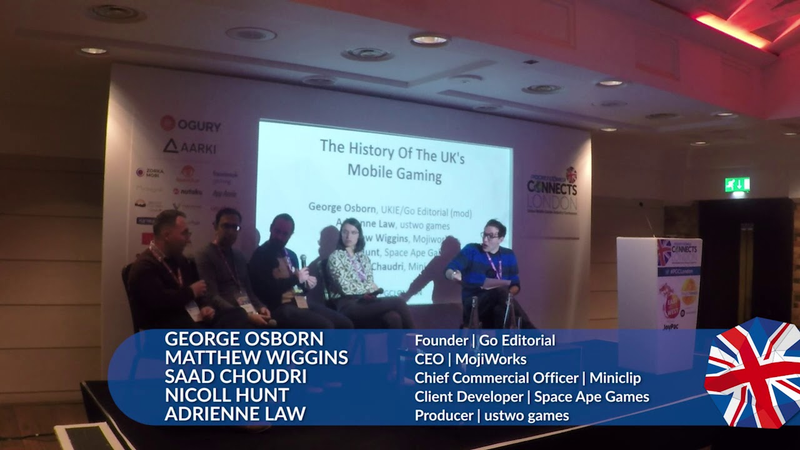
The history of the UK’s mobile games industry
Key insights
6 takeaways- 01The launch of the iPhone and the App Store acted as the industry's primary catalyst, shifting development away from rigid J2ME production models toward agile, design-focused teams.
- 02The UK mobile games sector now accounts for 61 percent of all domestic gaming companies and employs a workforce of 46,000 professionals.
- 03A primary strategic challenge for the UK industry is reconciling its legacy strengths in premium console and PC development with the data-driven, free-to-play monetization models prevalent in the US and Scandinavia.
- 04Future growth strategies involve integrating expertise from outside the traditional gaming sector and leveraging the UK's multicultural perspective to achieve creative differentiation.
- 05The industry is currently transitioning from a focus on mass-market titles toward niche, character-driven projects designed to resonate with specific audiences.
- 06The industry aims to achieve a sustainable balance between producing high-quality independent premium titles and globally competitive, large-scale free-to-play projects.
Ask AI about this video
Transcript
[Music] hello my begins on the CEO of mochi works I've been in the game's history for about 20 years and my chairs not wet he took my joke I'm sorry I'm from Minnie I've been most eight eight and a half nine years which is probably about the length of the App Store almost at this point so yes and also you spelt my name wrong but anyway I didn't I am
first mobile game in my bedroom and it's all good and they're making more mobile games hi my name is Adrian lore and I'm a producer at SC games so I've been in the industry for coming up four years now fantastic well there we go well rather than ask everyone precisely when they enter the engage and speculation about everyone's age which is of course very rude instead the first question I'd like to ask is about what's the first mobile game that you remember playing because you know I can remember fond memories of snake back in the day back on the first 3310 as that sort of entry point into the mobile rebirth you're aging yourself George well it's on the 5110 first well look like you had the fancy duel cover change thing with 3210 I'm part of the out of touch liberal elite that's all I can say but it's sad so what's what's your memory of your first Oh in fact Matt's gonna jump in first he's jump I was 40 last weekend by the way so do you mean like any mobile phone or probably yes
snake every snake and the The Matrix whopper phone yeah that was great and what stood out about that experiment when you were playing it or the way the cover shots opened that was that was it slicing the simplicity of it yeah yeah and so in terms of those simple experiences is that your memories as well start of your first mobile gaming yeah I think everyone probably will say stating everyone here but it was snake but if we're talking about mobile games actually the first one that I really got from on the AppStore perspective paper toss that got me yeah other stuff that will paper toss was the one that just freakin bat flip why did it kept you so much I don't I I don't know what it was it was maybe the first probably the first game where cuz I remember playing trixl which I think was the first one that famously made of a million and everyone was like oh this is a thing but paper toss was probably the first thing that actually used the swipe motion and actually felt pretty decent
probably four to me at a time I was just gonna say Rolando was the first one that really impressed me I don't know Simon from hand circus is around today I remember when the video basically ng moco put out a trailer for that late in 2008 and it's the first thing I'd seen where you know it had really interesting use of the device we just looked quality was really impressive can we talk about ng moco that's history ng moco so we can we can come background for that but I'm gonna bow I'm gonna allow Nichol and Adrian just to give us a quick answer as well there we go what's your obviously sneak make it play that was my first introduction of but maybe mine obviously would have been safe as well I'm gonna go slightly different so I only got a smartphone about six years ago because I'm a bit of
a Luddite so it was a Windows Phone how much I knew it so the first game that I actually played on that whispers which I just thought was really great I fell down a bit of a hole and then was like I need to call my way back out of this now but that was the first game that I kind of saw because I'd kind of gone from snake to that and I was like wow this has changed a lot yeah you know I saying that we weren't gonna try and date everything but I've actually got a little bit of history that will just date all of that for us anyway I mean because if we're talking about the mobile games industry in the UK and worldwide in general I mean the 30 years of play campaign is what Yuki's aiming for but the mobile games industry is more twenty five twenty years old tops and that's if you're really stretching it back and in terms of the UK industry well I mean I think this is going to be of our debate is like really how old is their house it evolved how has it changed because if you look at somewhere like Finland income UK the Finnish mobile games industry probably developed a little bit earlier and it retained its position as sort of the dominant player within the sector for much longer so as
a comparison point I did actually look up handset density which is the equivalent of you know how many people ads have just mobile phones between 98 in Finland it achieve 50% density by that point but the UK didn't achieve it for another four or five years which I think shows you about where the state of the UK market was but I know from our chat we had a little bit of a pre a pregame chat last week to discuss the industry a lot of people on this panel actually worked in the industry at the time that mobile games industry was starting to emerge but were working in companies outside of mobile so I'm gonna throw towards especially the free gentleman over here who again not not claiming their age but we're pointing towards worked in the industry at the time nopal can you remember that moment when those games were starting to emerge what were your thoughts about it within the context of this British industry as well Janet okay there we are can you hear my Scottish
two wins and so the first when the first iPhone came I wasn't actually working games at all it quit and was working in movie oh the chance to make a game for a handset seemed really enticing it was because basically there was no barriers for creating games for mobile when they first came out you could just get a phone and you can make a game for it yourself and so they thought it was just me playing around in my bedroom and there was the first time you could actually make a game for effectively a console yeah and that was so that was opening up the opportunity within the market and it's something we're gonna jump back to as well about a sort of an important landmark moment in the global national industry as well but that is oh you were you worked at lion heads back in today back when fable was being made be real I was on black and white 2 for 4 years so that made me really wanted to get into mobile yeah yeah I mean what was your perspective on mobile at the time so how many working at the console Fifi yeah well I mean when I go into the games industry or what's anyone I was growing up as a teenager who's in the nineties and so
you saw it seems like sensible and bullfrog they also make amazing things we like maybe ten people and then when I gone any of the team sizes like maybe five people so I joined lion head just around the time black and white one came out and they're black and white too we spent four years in about 100 people and after those sorts of projects you really felt the need to get back to something where everyone could be more creative smaller teams slightly less ambitious projects were really interesting in general and then obviously the iPhone came out 2007 I was actually doing some work on Second Life back then which serves obviously a whole different sort of thing but they didn't see me and she's really starts anything up then of course because the App Store didn't come along until the year later as soon as that happens then you need slight men around the possibility of you know a few people could go away or even one person on their own yeah go off start a company start making kind of hearts back to something that was twenty years before that and there hadn't been the opportunity for such a long time and so
for me personally actually was exactly ten years ago I went to GDC and met up with with the guys to a fowling ng moko and that's how I got in into it mobile games so it's a massive step change from one yeah one sort of project who completed the other end of the scale yeah because one of the points you touched on there as well it's about distribution you know mobile games and actually releasing them especially in the early to not only did you have devices that were not particularly great for making games on especially because they have their clicky clicky controllers and low-quality screens but you know in terms of things like what you know it wasn't that easy to actually ever distribute it would take so long to download in terms of the way the operators works he was sort of like pre app store they would take a cut that even epic would find a little bit over-the-top and in today's games so yeah so we started to start pivoting towards that key moment because start one of the things that you saw well am i right in thinking that you were one of the first people as well to actually see that what was the iPhone I don't know I don't know if I can displays this stuff
now yeah I mean okay I was at Sega before I joined Miniclip and I think Apple would have him across my desk and it was like there's this device and it didn't seem like anybody was that stood in it at the time you know especially within the console world because as as Matt says Matthew says it's basically you had teams of hundreds in these games and then you were kind of going back to very simple simple simple computation you couldn't really do a lot obviously we do way more than the kind of j2me stuff but and that was kind of presented everyone was like wow what can you do there's an accelerometer Wolff try and figure that out there's a touchscreen which now seems almost ridiculous because we're all talking about touchscreens is the kind of de-facto UX but all-important ism but at the time it was all controller and buttons and nobody really knew what to do with an accelerometer and a
touchscreen now what's great is we've moved totally away from accelerometers right not very far I mean the I mean on feet who when we were playing racing games you know this will be fun to move the phone screen and the Wii was obviously quite popular at the time I don't know who's making a game that utilizes accelerometer in the room it'd be great to but his hands raised they're not gonna put that no there's no hands raise and if there was they would all have to just hug that person and be like please don't do that so that was that was kind of the early the first moment I we kind of saw and unfortunately the company at the time and probably the industry at the time they established India time didn't really understand what they had and you know what they were looking at yeah I'd say most certainly over here I mean that's one of the reasons why the device start is we were dealing with a US company that was backed by US investors and then eventually the Japanese
companies coming coming into that the UK tended to have and I think it still generally does a slightly more kind of status quo look at the industry so I certainly I had loads of friends from for Lionhead in codemasters who laughed at us for for wanting to start something in mobile because it's just seen as being a bit of a joke they're not laughing now well exactly I mean because it still might be exactly there might be but you're not hearing it at least you know they're sort of polite enough to go behind your back which is the important thing in life but so we're looking at that point I think the arrival of the iPhone I think we can all describes a bit of a turning point for the industry I'd also like to just mention that in 2006 a mur started so I just wanted to get that one out there just so that everyone was aware because I think that sort of shows that that was when that sort of turning point starts where we move out the early age of the mobile industry into more of the modern industry that we still add she reminds me we should rank the D s yeah because the D s was probably the first where we were actually using some touch and swipe
as some input you know controls so you know they were developers thinking about that kind of thing yeah and I know Pocket Gamer was about that exactly it was that on the PSP right exactly and then it then it pivots out and I think in the early days of the mobile store as well a lot of the success initially came from games that were retailing at a small price up front you know this was the sort of the foundation of Angry Birds but it was also what on and help a lot of independent developers start to thrive within the market and you see all the way up to 2014 there's this kind of golden age period for indie gaming on the platform where you get device 6 from simogo you get sword & Sworcery and they start providing these enraging experiences so Adrian how important do you think this shift was to enabling British mobile game developers to start releasing great quality interesting independent titles on mobile and succeeding because a studio like us to you know would it exist without them without without the shift over yeah I mean I think it's really interesting for us because so Monument Valley kind of
came out of those two when they weren't a games company at all they were sort of a design UX focused company but they've been working in mobile I didn't know their first kind of partner was Sony Ericsson and they were stuff to do with like backgrounds like wallpapers and things like that so they they were always completely in tune with kind of mobile interactions very focused on UX but they've never really made games and I think it was partly just that they were very risk-taking company in that sense and that they were prepared to come have a go at it and it was really the combination of having game developers who were looking to take risks and do things that they hadn't been able to do necessarily in bigger companies because that's the nature of bigger companies and just combining that with this like very like pixel perfect it's kind of perfect for the platform all these kind of principles that defined their design principles and coming along with actually some really good kind of games games knowledge really um and I think that's probably true for a lot of like people I should have there's just lots of people who had a lot of experience in games they know what they're doing they can they can work really well and make
these incredible ideas but there's something about mobile where you can just keep the scale so much smaller and it still feels like it's perfect for the platform I think sometimes if you're on a lot a lot of times even players will look at you know an assassin's creed and then they'll look at something that's two hours long and they'll feel like there's you know that the length of time of an experience is a reflection of the quality and I think because of the nature of mobile the way that people play for like five minutes at a time thing you can actually make these smaller kind of polished experiences and people will still kind of appreciate the value of them yeah that's fascinating and nickel as well because you know another side of the independent story and mobile and the time it emerged is there were actually other trends going on within the market market eyes development fervor so when you were going out with I fight bears which was your independent company fist of awesome you know one of the games that's probably your most known for you're actually able to make that as a result of crowdfunding aren't is so yeah how do you think as well independent develop was being supported by the wider trends that were going on in the market it was much a perfect storm for independent
developers at that time it was coming off the back of games like World of Goo and Super Meat Boy so suddenly this concept of a very very small team making scope games with very characterful and concepts was suddenly in the kind of vogue and there was a great to be a part of that it made immediate attention a lot easier because journalists were looking at stories looking for these breakouts whereas before everything was kind of it was been more solidified around larger companies and larger division yeah there was apparently somewhere like so many small teams and small developers could strike out on their own and get a lot of attention yeah and then at the other side of the market as well we start to see that emergence of free-to-play and what's really interesting is oh well actually there's theater esting so you see what our two gentlemen over there thing so in terms of Yuki's figures looking at the market within the UK and specifically a number of companies out of all of the UK companies there's one thousand four
hundred thirty eight of them are making mobile games in the UK which means it now only 61 percent of the industry of the UK you've obviously got some massive companies like space 8 Miniclip King Sega Graham Games Mogi works you know we've got these big companies who are setting up here so how did free-to-play change the UK mobile industry big question I know honestly there's a curveball I think it didn't for a long time actually I think we were we lagged behind for a while probably 2011-12 it's when we started getting a bit more serious about it there's people in the room that I can see were starting to do some simulation games and try and figure it out we just I think if it wasn't for people like Playfish probably yeah I think he looks because it's because of that talent that was in in the UK we probably would have still been
behind on the food side of things because no one was really doing that no I would say we probably still are like that was a weird based down in Guildford and one of the great things about being killed for this you've got amazing program or an artist depth there right but but products in that kind of West Coast free-to-play monetization style of thinking those are the hardest people to hire in this country and so I think we've still got some way to go before we're kind of up with Scandinavia or LLL swelling because that I think I think because we've had that strength in console PC development there's there's kind of been that mentality that's more focused on kind of the larger sort premium projects and which with I think we're getting there but yeah we still like a bit behind yeah and also that stat is very interesting I'd want to know how many of those are indie developers making premium mobile games
as opposed to free-to-play mobile games because I reckon a lot of two or three man teams making a good living doing premium games you can still that's still very very good business model if it works for you yeah well there's only one way to find out and that's to check the yuki games map so please make sure that you go and change the D so but um but I think as well just just to sort of go a little bit more into the foundations of that that particular issue as well I think what's been interesting is that a number of the companies who set up free-to-play offices within the UK or free-to-play companies setting up have been publishers who've chosen to come and base their businesses here so you know out of those names that I mentioned you know people like Graham for example came over and set themselves up here now in the console industry and PC you've obviously got companies like Nintendo Konami and two cases in the UK but they're specifically for marketing and business functions do you think it's the case that these companies came over here for a specific reason to access UK talent or are they trying to build their own Studios here as well no I mean let's not
especially after that brexit panel right let's not let's not play the UK down I'm not going to show my politics here but it might actually start seeming like on one way but I'm not the the UK I think as all I mean it for a while it was the biggest especially back in that time in the in the box product it days ps2 era it was the third biggest games market in the world right if you take Asia kind of out as one block as Japan and Korea China was really nothing at that time and you had the US we were the third biggest market it then made sense if you had US operations to base yourself here for english-speaking purposes here in Europe so I'm that's why Sega probably set up their their headquarters here and the other companies that you mentioned I think the other thing about London and the UK in Percy I mentioned London is because they're from a marketing perspective you had a lot of the
agencies here you could do your media bind here but that's that's kind of probably why we're we're lagging behind because we still have that premium brand marketing discipline that we've created over the last ten to fifteen years whereas in the and the West Coast you know us product managers have had a better handle of data and that's the key thing right they've had a better handle of data and they had a better understanding of digital marketing before we did and we're still catching up I think but we'll get there well exactly well we'll get there and the only way we can catch up is by being bold and bright and innovative and all of those kinds of things so that's it and I mean in terms of that point as well about the UK still the fifth biggest gaming market as well at the moment so you know considering they've started to break out the chart into markets and say putting join or separate that's pretty impressive supports 46,000 full-time equivalent LANs 46,000 full-time employees in this country which was up from about 26,000 in 2013
so the industry is still clearly going up and I think Mobile is going to be a big part of this so rather than just looking at the past for this photo session I think let's look a little bit to the foe I mean first of all I think let's talk a little bit about the independent space within mobile because I think there's been some challenges within that space because of obviously the fact that free-to-play live or operations has really come in and sort of taken control of the sector but then at the same time games like Florence gorgoa Monument Valley to succeed so Adrian where do you think the British independent development scene will go in terms of mobile do you see it continuing to support it strongly or do you see maybe companies starting to look a little bit more across platforms I mean I think for anyone in anyone who's working in mobile to kind of keep an eye on the sort of trends in the industry generally and certainly for us the reason that we tend to stick with premium and we probably will stick with future is just because experiences like Monument Valley Florence if you imagine trying to monetize based on in-app
purchases or time spent or putting ads into it kind of compromises the experience so I think premium makes sense as a model and for anyone who's carrying on making those kind of experiences for now anyway that seems to be the the main way to go and I think I think I mean it's only getting easier to publish those kind of games if you look at the support that like unity offer in terms of just getting something onto the App Store it's it's really straightforward and I think for me it's it's such a ubiquitous platform now and we're seeing like as an industry were perfecting so much of the UX of getting people who would never consider themselves gamers to pick something up and just play with it there's there's no reason they're not to just take those two things and say okay how and give those people who might not be expecting it something that is gonna have a bit more meaning to it something that's gonna look very different everything else on the store like that it's it's a niche that's gonna continue to grow I think because the more people are familiar with playing mobile games the more they're gonna the things that look a bit different and take the risk on it fantastic and in terms of the free to
play space I mean we've then got I'm gonna sort of again segment you off a little bit cuz I'm going to ask Nichols opinion separately because he's got an interesting transition story but in terms of the priorities for the free-to-play industry you know obviously they're all companies locating here there are more companies setting up where do you think it goes in the UK and what kind of things do you think it needs because I think you managed to hint they were a really interesting demand amongst companies for a different type of employee yeah I mean being a kind of a relatively recent and decided to do it in the UK again the real strength of the UK in games as in many many other industries is innovation and creativity like there's so many people here that incredibly creative like just to give a small example that's just for Christmas we're going through like a new project process and so we decide to devote the whole company in that and within a week we had 50 new game concepts up on the wall now I think there are there are other places and other companies without where that wouldn't be so possible because you've got everyone in the condo having that kind of drive so I think what you're looking to do in the future is to take
that and kind of help that creativity really work in a global setting by working on things like management Chile the industry has been very poor out like people management and business management and then the management of the products themselves so it's like marrying those two things together because I think we're at a point where obviously the AppStore is relatively mature there's new opportunities beginning to come a lot the companies to do best in that are the ones that are going to come up with new new and interesting games for people to play and so that's that's a way in which I think the UK is really really well placed and even so like brexit you know I think for a mobile company that digitally their software globally it doesn't massively affect you I mean hiring is probably the number one thing but even so that's probably on a major problem so though although I have Freight I have personal views on what should happen as far as the business goes I think and you know and other mobile businesses a very well place to
do well fantastic and so do you agree with that there yeah I mean I'd probably just echo a lot of what Matthew said I mean the reality is this though I think we have been essentially the third or fourth strand of creativity here in the UK when you think about the arts right you think about film TV music theater and then maybe games and the reality is if Ian Livingstone was in the room you're telling the games industry is and how much more value would bring thyn we're recognized for but the thing that we are unique with the ability that we have here in the UK if we do things properly I think we will be one of the only place Lord we're a genuine global hit can emerge right Finland's done a great job with with what supercell and Angry Birds has done but I think if you think about the UK we're multicultural so we have loads of people that we can kind of you know talk to to try and get
an understanding of the global viewpoint we have great creativity but also the other thing that we haven't really leveraged that much and it's given that it's on our doorstep is the City of London right there's plenty of people in the insurance in the kind of King sector and in in the technology sector that have not thought about this area of the world as being a viable industry for us so that management in terms of business talent and then product management that could come Frost world you can actually see that working here and I know there's been some studios in the UK that have kind of hired and tried to make that link of trying to bring that caliber of person into our industry and I don't think we should be afraid of that and you know in it we have been I think we've been pretty snobbish with who we let into the industry you know all they're not gamers they're not this they're not that but at the end of the day you've had companies like us to that did not come from the games industry traditionally create what games on the mobile platform ever so we
should do more of that here in the UK and we should encourage it if you've got friends outside of the industry who have talent explain to them how valuable this industry is and how much of an amazing career you can have in it because I think we need to be important yeah and I think that's true diversity as well I was we talk about diversity very much in terms of gender within it I think of it in sense of all sorts of backgrounds the industry needs to have a much better job of bringing in people with all different sorts of of interests and the experience to help us make the game really become what it can can become you know and as part of the 30 years of play campaign we're actually going to be appointing 30 videogame ambassadors from diverse backgrounds and announcing them at the Westminster games day this November's you want to make any recommendations please talk to me but you do the best at plugging by exactly exactly I'm gonna I'm a master player but the final word on this I'm gonna give it to nickel and the reason why is that in terms of nickels journey through mobile that's just - he's just looking at me as if I'm a madman but I mean
because you started out in terms of independent development in terms of creating premium games then more recently you'd had some success with some free-to-play games for an independent background so things like maximum car brew town which he worked on and they say you know working designing games behind there where do you think the industry is going haven't been someone who's managed to sort of in a sense almost ride through a lot of the trends of the development of the industry in this country over the of ten years I guess that my hope for the industry is it keeps growing today is just now if we are we have the independent sector which Lisa for games like mine and file is an obvious one both so much smaller scale things like the games that Colin Lane makes like just kind of wacky stuff but it's still fine cessful unless these people flourish I kind of hope that because mobile gaming is now the ubiquitous platform for computer game development and for consuming that content and that it keeps going out when we can support big companies making bigger projects and we can support really small companies
making much more niche and characterful personable projects fantastic and there we go I think on that note I think we're going to end it I appreciate that we've managed to get back on digital so there we go so if you could give them all a round of applause thank you very much for our panelists [Music]
Summary
The United Kingdom’s mobile games industry has undergone a profound transformation, evolving from the restrictive technical limitations of early J2ME platforms to a vibrant ecosystem defined by the creative freedom of the smartphone era. The introduction of the iPhone and the App Store served as a critical catalyst, enabling developers to abandon rigid, large-scale production models in favor of smaller, agile teams. This shift allowed for the exploration of innovative mobile-specific inputs, such as touchscreens and accelerometers, which fostered a golden age of design-focused, independent gaming.
Currently, the sector represents a cornerstone of the national economy, accounting for 61 percent of all UK gaming companies and supporting a workforce of 46,000 professionals. Despite this scale, the industry has historically struggled to reconcile its traditional strengths in premium console and PC development with the data-driven, free-to-play monetization strategies that have dominated markets in Scandinavia and the United States. Bridging this gap remains a primary objective, requiring a strategic synthesis of the UK’s world-class creative talent with more sophisticated business management practices.
Looking ahead, the industry is increasingly prioritizing niche, character-driven projects over mass-market titles. This strategic pivot reflects a broader movement toward specialized, personable gaming experiences that resonate with specific audiences. By integrating diverse expertise from outside the traditional gaming sphere and leveraging the country’s multicultural perspective, the UK aims to cultivate a sustainable balance between successful independent premium titles and globally competitive, large-scale free-to-play projects. This evolution underscores a commitment to long-term growth and creative differentiation in an increasingly crowded global marketplace.