Sweden reports and market data
Documents

Spelbranschens roll i den gröna omställningen
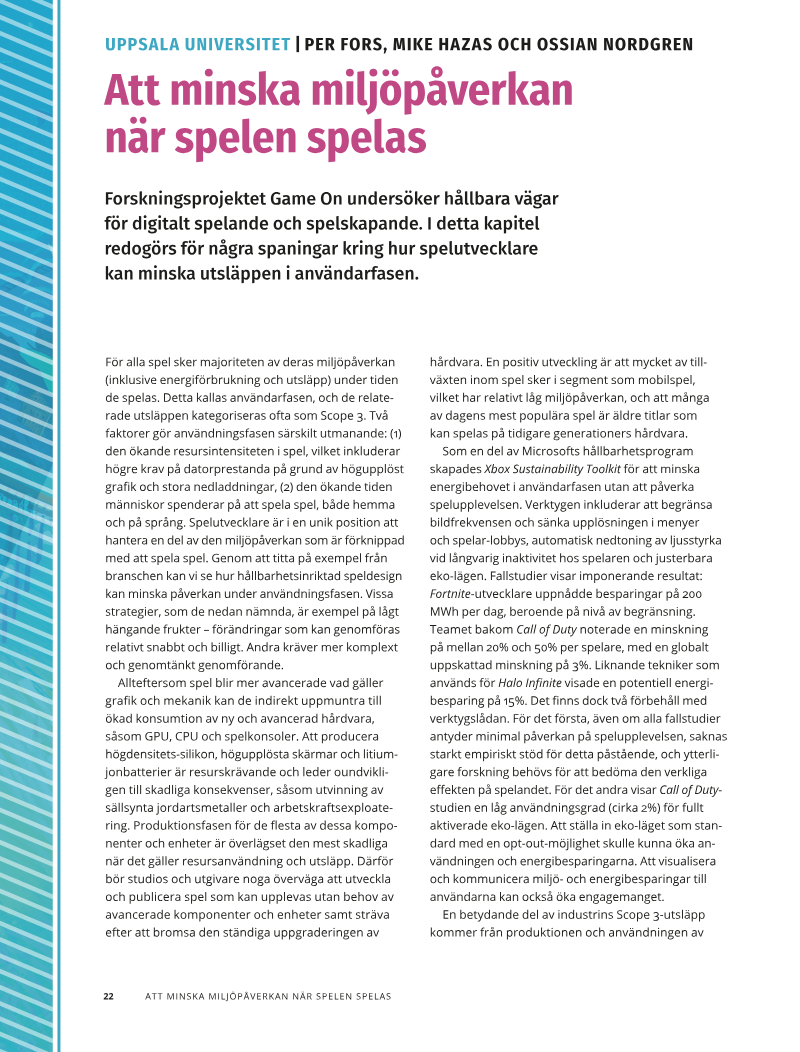
Sweden’s gaming sector is positioned as a low-impact yet high-potential catalyst for the nation’s green transition.
- Gaming eco-modes can reduce energy consumption by 20–50% per player, yet current adoption remains at approximately two percent.
- Making eco-modes the default setting across the global gaming industry could potentially reduce total energy consumption by three percent.
- Core gaming technologies—including game engines, GPUs, AI, and extended reality—are being applied to infrastructure, mining, and climate modeling to drive measurable efficiency gains.
Spelutvecklarindex 2023: Swedish Games Industry
The Swedish games industry serves as a powerhouse of global digital entertainment, characterized by rapid revenue expansion and a vast international footprint.
- The Swedish games industry generated 86.5 billion SEK in global revenue in 2022, representing a 47% year-over-year increase driven largely by acquisition strategies.
- Swedish-owned studios now number 392 across 59 countries, employing 25,000 people globally with 8,445 staff based domestically.
- Swedish-developed titles have reached a massive scale, accumulating nearly 7 billion downloads and engaging approximately 25% of the global population.


Game Developer Index 2023: Sweden
The Swedish games industry reached a significant financial milestone in 2022, with domestic revenues rising 13% to €3.1 billion and total global revenue, including foreign subsidiaries, surging 40% to €8.1 billion.
- The Swedish games industry saw total global revenue reach €8.1 billion in 2022, a 40% increase driven by aggressive international expansion and large-scale acquisitions like Embracer Group’s purchase of Asmodee.
- Domestic revenue in Sweden rose 13% to €3.1 billion in 2022, supported by a 20% growth in active companies to a total of 939 studios.
- Swedish-owned game companies now operate nearly 400 studios across 59 countries, with the industry employing nearly twice as many people abroad as it does within Sweden.
PowerUP Games Industry: A Report on the Swedish Games Industry
The Swedish games industry stands as a globally dominant economic and cultural force, generating €5.8 billion in total revenue as of 2021.
- The Swedish games industry generated €5.8 billion in revenue as of 2021, with one in four people globally having interacted with a Swedish-made title.
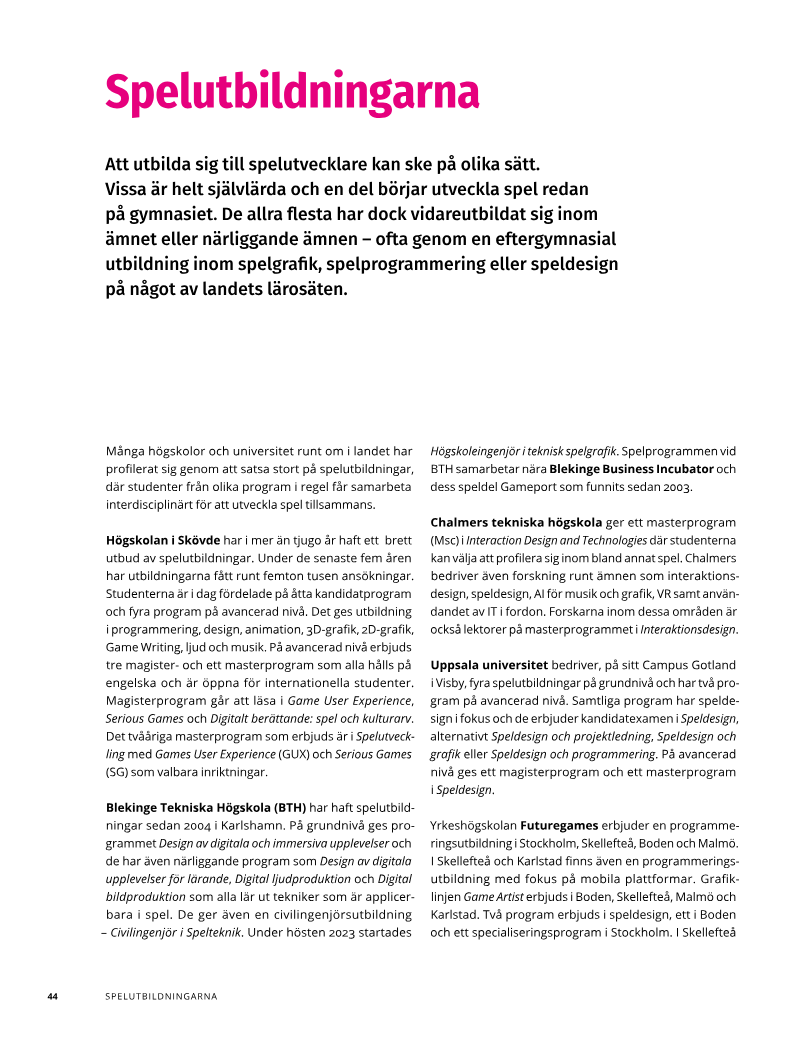
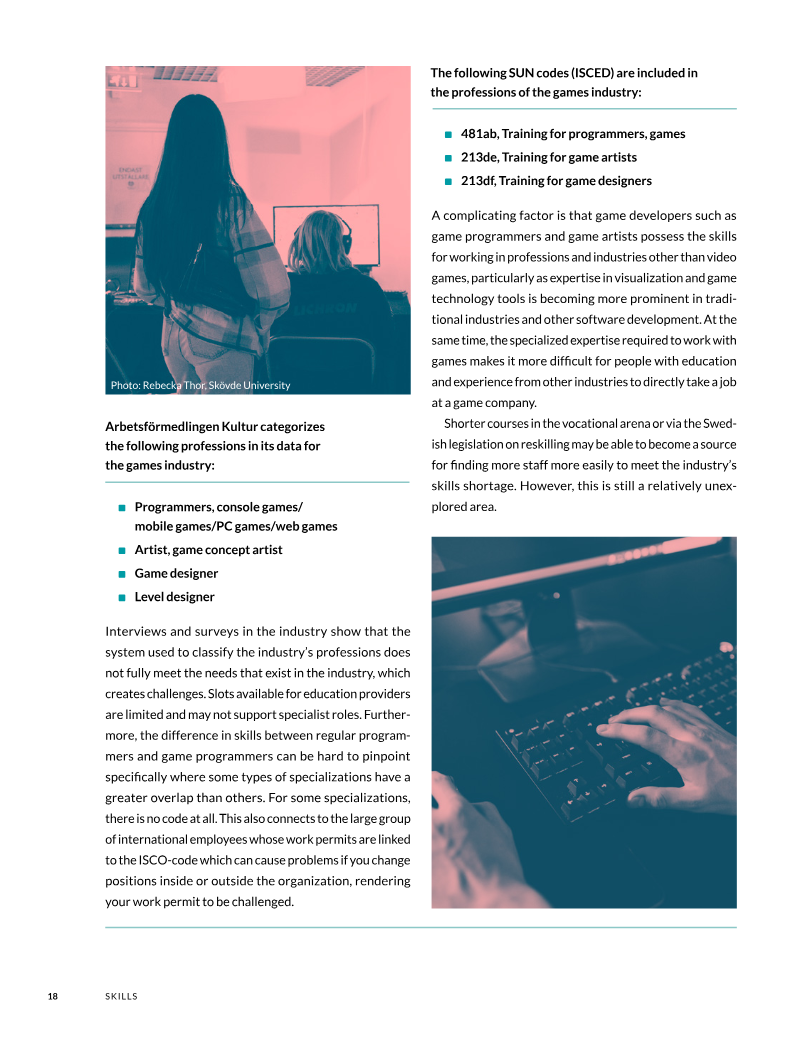
- A severe talent deficit exists where the demand for specialized labor significantly outpaces the output of domestic educational institutions.
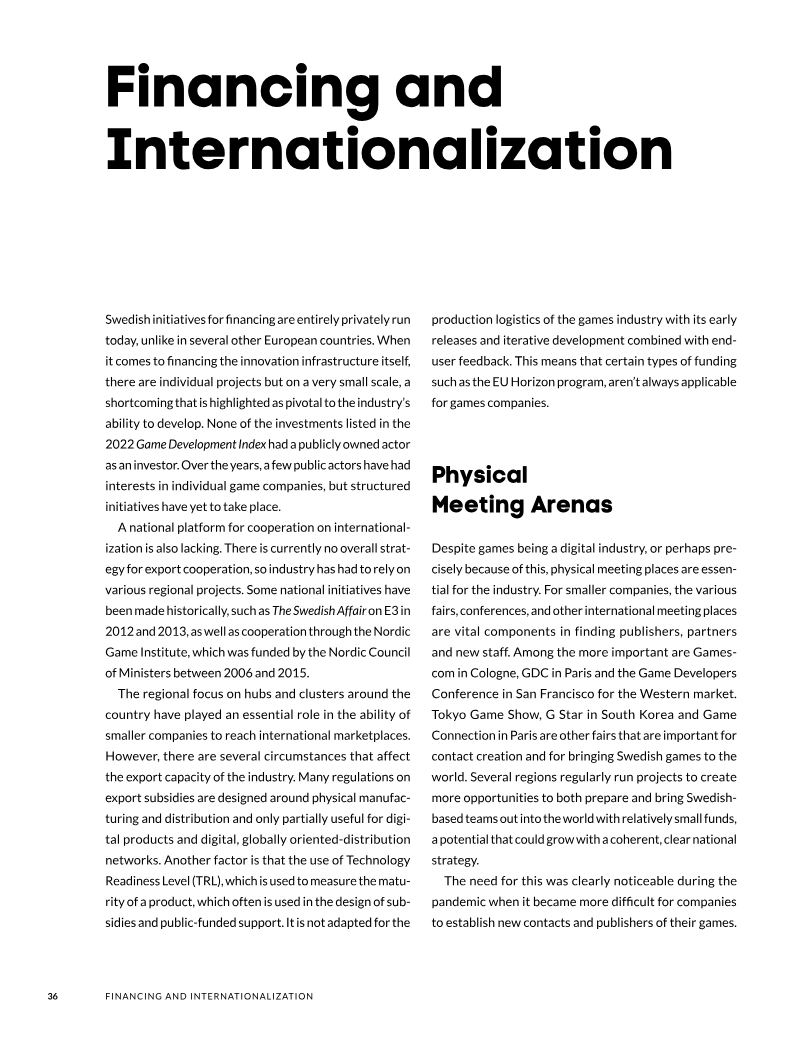
- The industry lacks a cohesive national strategy, relying instead on regional clusters and private investment, which creates systemic bottlenecks for long-term sustainability.
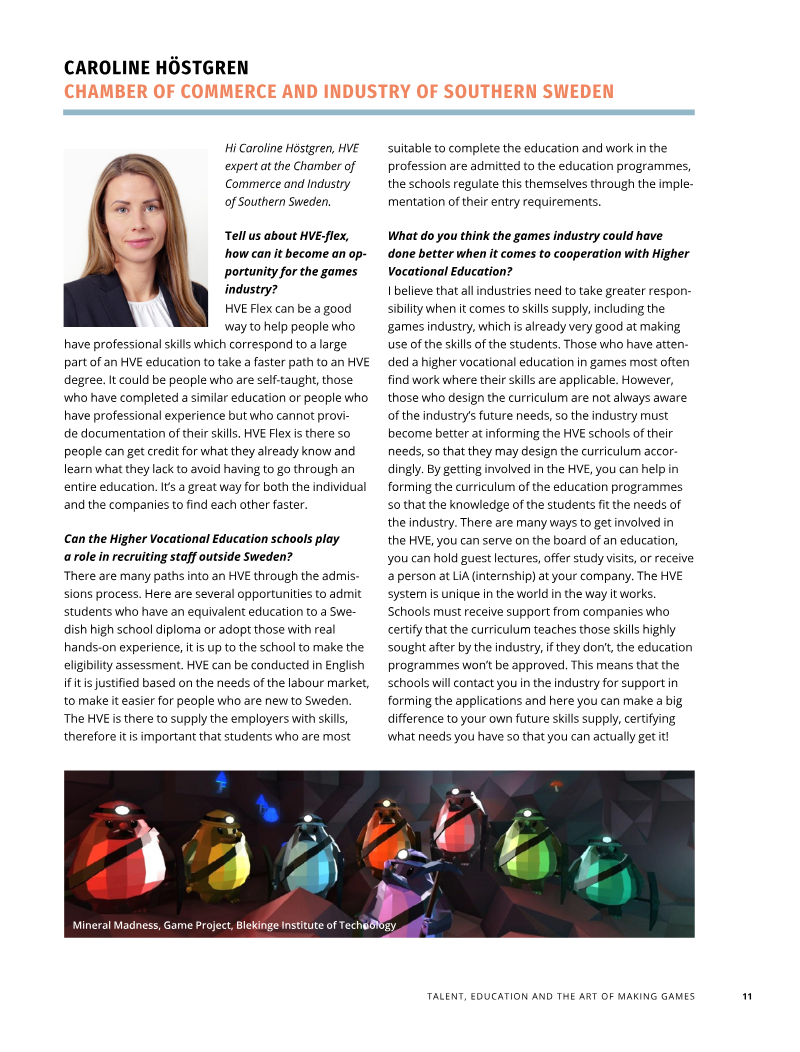
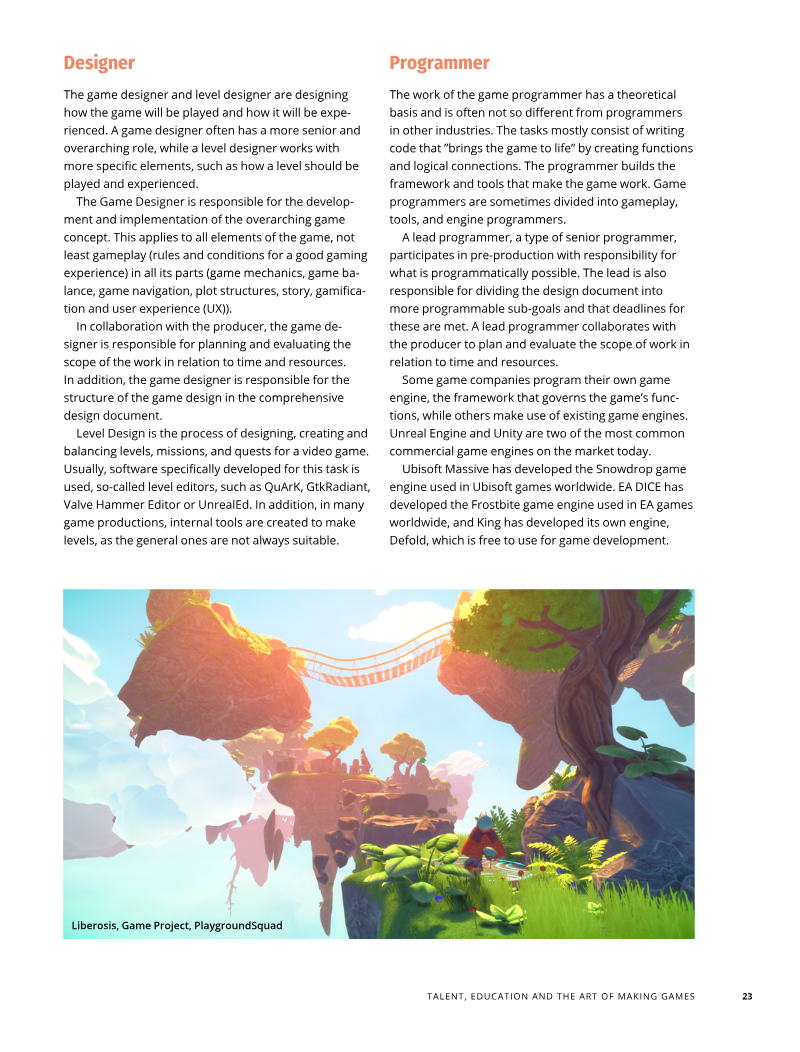
Talent and the Art of Making Games: Sweden
The Swedish games industry stands as a global powerhouse, yet its continued expansion is currently threatened by a persistent and widening talent gap.
- The Swedish games industry faces a critical talent gap, with domestic educational institutions producing fewer than 50% of the graduates required to meet annual hiring demands.
- International recruitment is essential to industry operations, as foreign nationals currently comprise between one-third and half of the total workforce.
- Bureaucratic friction, specifically lengthy work permit processing and restrictive residency policies, acts as a primary barrier to scaling the workforce and maintaining global competitiveness.
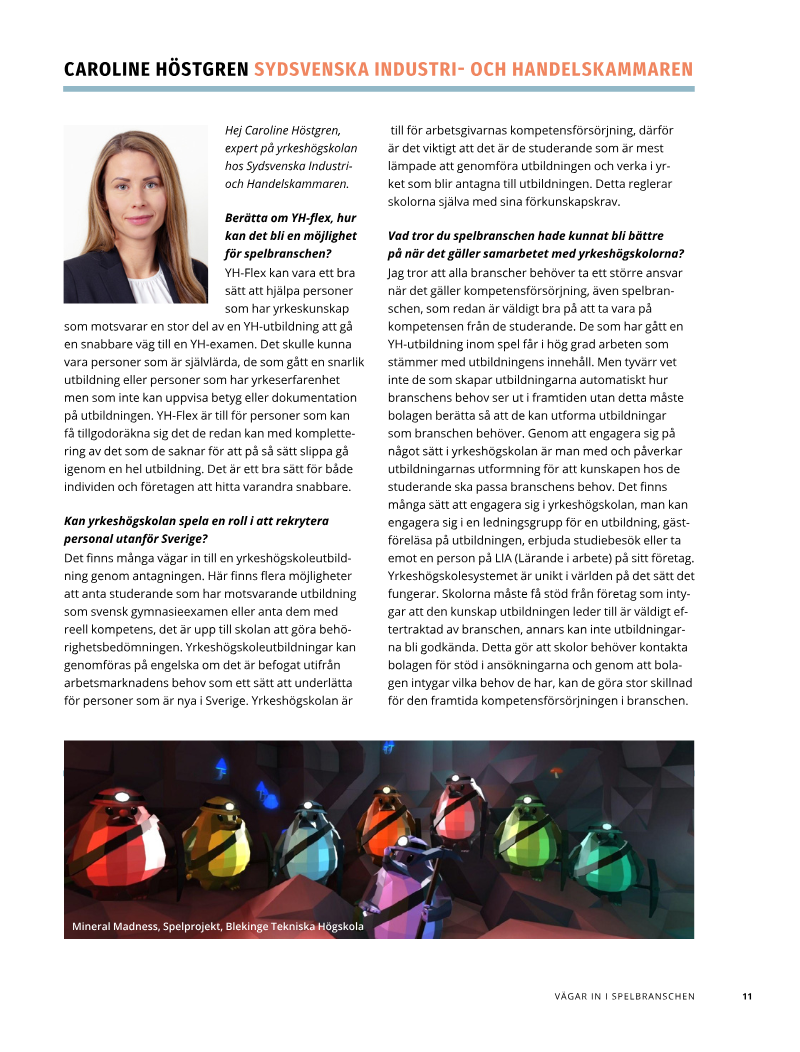
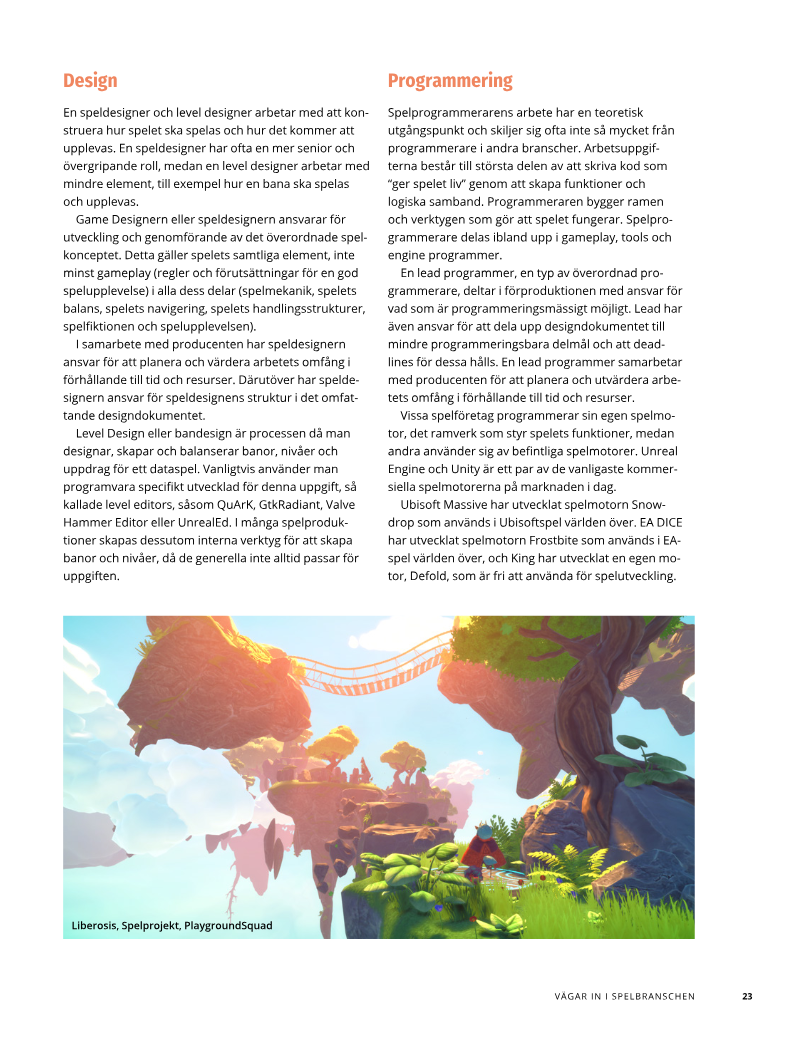

Vägar in i spelbranschen: Kompetens, utbildning och konsten att skapa spel (2023)
The Swedish game industry is currently experiencing a critical talent shortage that threatens its long-term competitiveness and growth.
- The Swedish game industry faces a critical talent shortage, with domestic educational institutions producing fewer than half of the professionals required to meet the demand of 1,348 new hires recorded in 2021.
- Between one-third and one-half of the current Swedish game industry workforce consists of international talent, highlighting a heavy reliance on global recruitment to sustain growth.
- Restrictive work permit policies for non-EU vocational students and complex regulations regarding international remote work act as significant bureaucratic barriers to maintaining the necessary talent pipeline.
Swedish Games Industry 2022: Game Developer Index
The Swedish games industry serves as a powerhouse of global digital entertainment, characterized by rapid expansion and significant international influence.
- The Swedish games industry generated €5.8 billion in global revenue in 2021, with an estimated one in four people worldwide having played a Swedish-developed game.
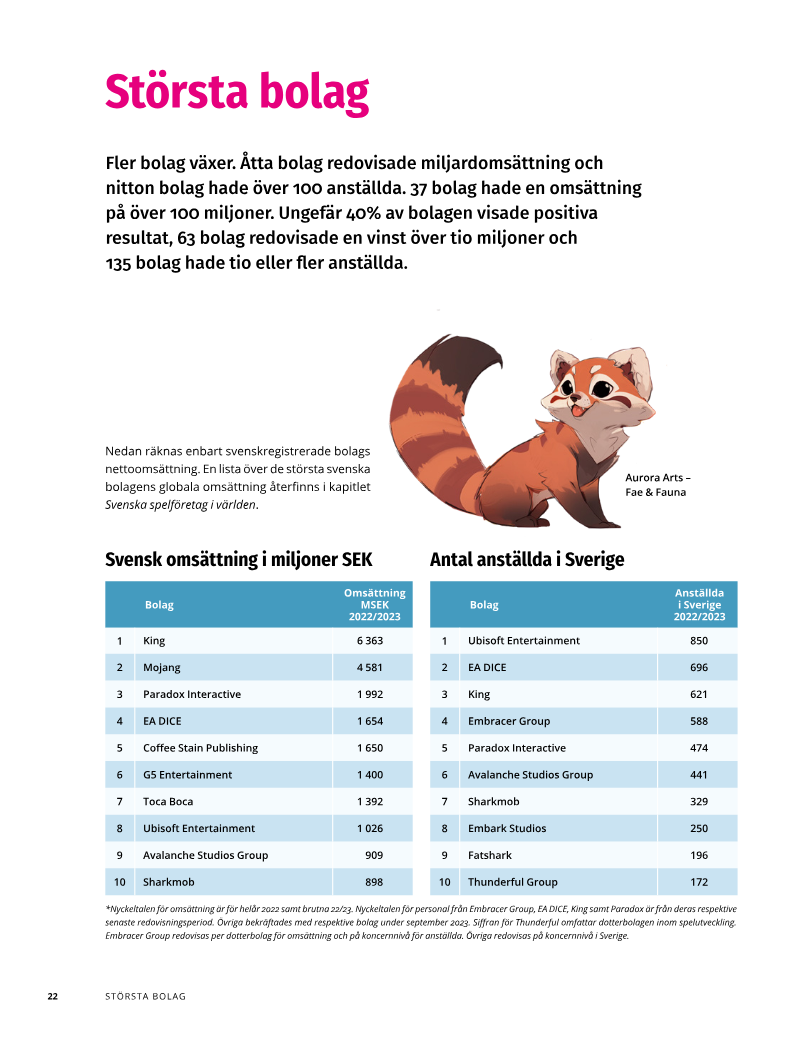
- As of 2022, the sector includes 832 domestic companies employing nearly 8,000 people in Sweden, alongside 197 international studios and 11,100 foreign employees.
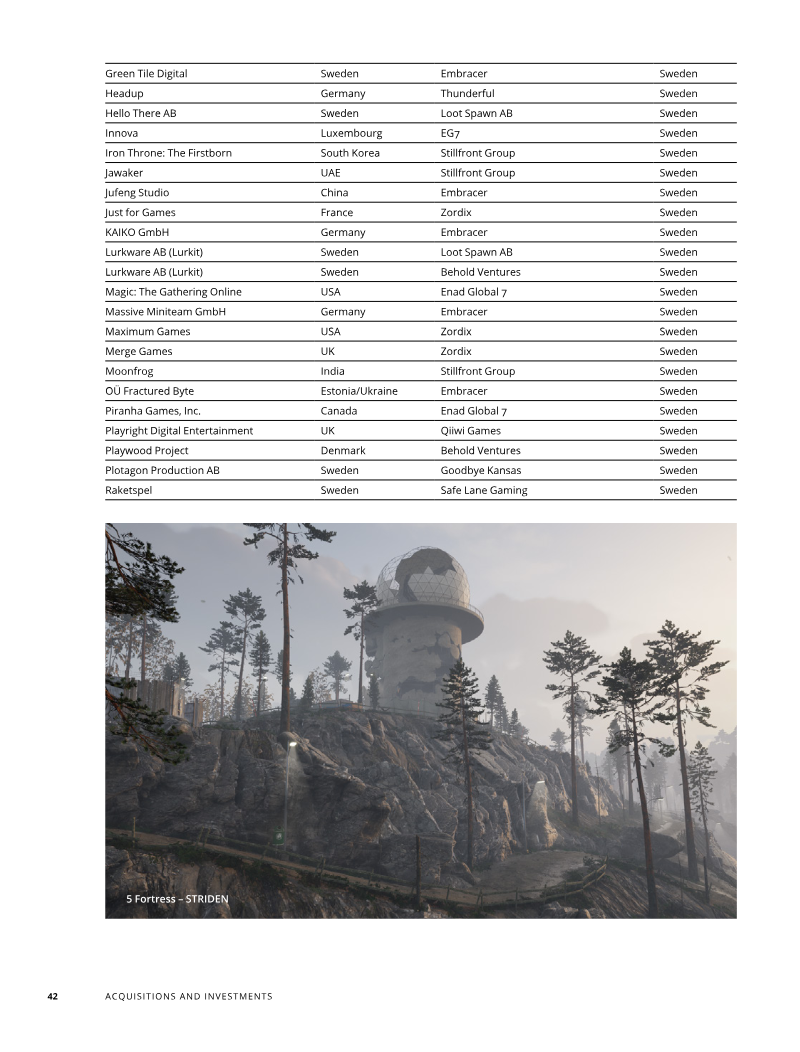
- Major entities including Embracer Group, King, and Mojang have driven the industry's massive international footprint through aggressive acquisition strategies.
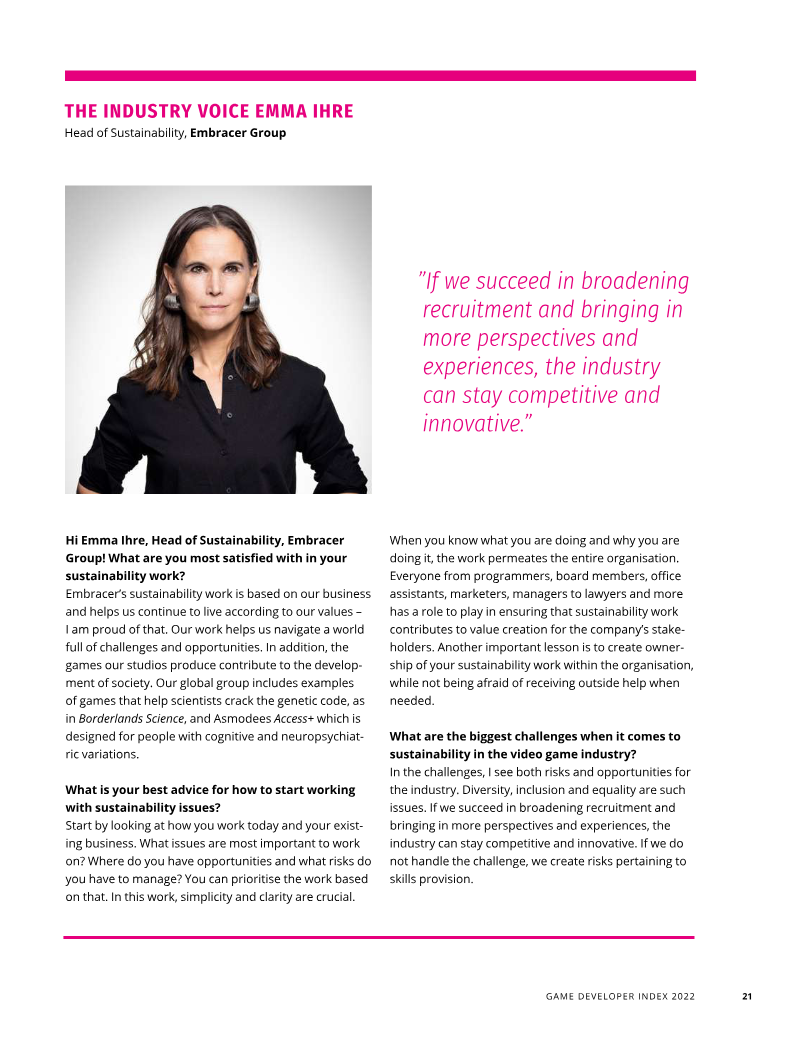
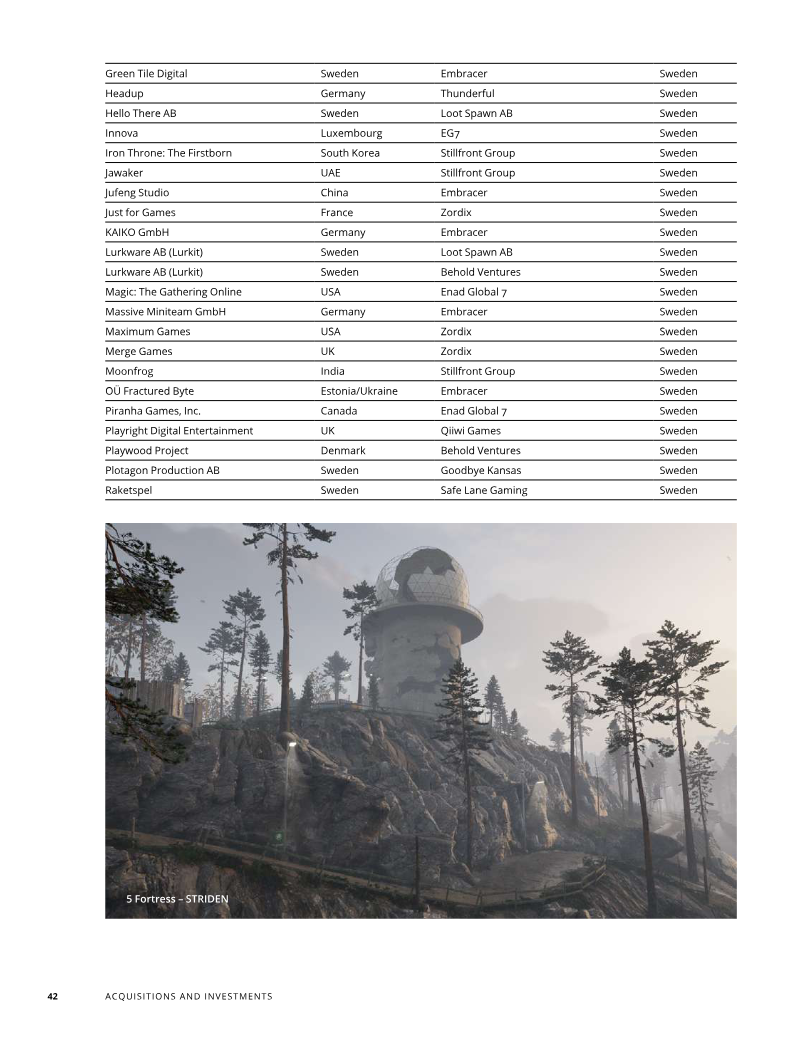
Game Developer Index: Sweden 2022
The Swedish games industry underwent a period of rapid expansion in 2021, characterized by a 22% increase in domestic revenue to €2.7 billion and a 43% surge in global revenue to €5.8 billion.
- The Swedish games industry experienced significant financial growth in 2021, with domestic revenue rising 22% to €2.7 billion and global revenue surging 43% to €5.8 billion.
- Driven by 81 international acquisitions led by groups like Embracer and Stillfront, Swedish-owned entities now operate 197 studios across 49 countries, employing approximately 28,000 people globally.
- Swedish-developed titles maintain a massive international reach, with an estimated one in four global players engaging with these games and Swedish-associated content accounting for 6% of all Twitch watchtime in 2021.
Superstar Session: A Hot Nordic? How they Succeed & What’s to Come
The Swedish and Finnish games industries have evolved into global powerhouses, with the Nordic region now generating 3.3 billion euros in annual revenue.
- The Nordic games industry now generates 3.3 billion euros in annual revenue, officially surpassing traditional regional export sectors like iron ore, pulp, and heavy vehicle manufacturing.
- Success is driven by a diverse portfolio that spans mobile casual hits like Candy Crush to major AAA and indie titles such as Minecraft and Valheim.
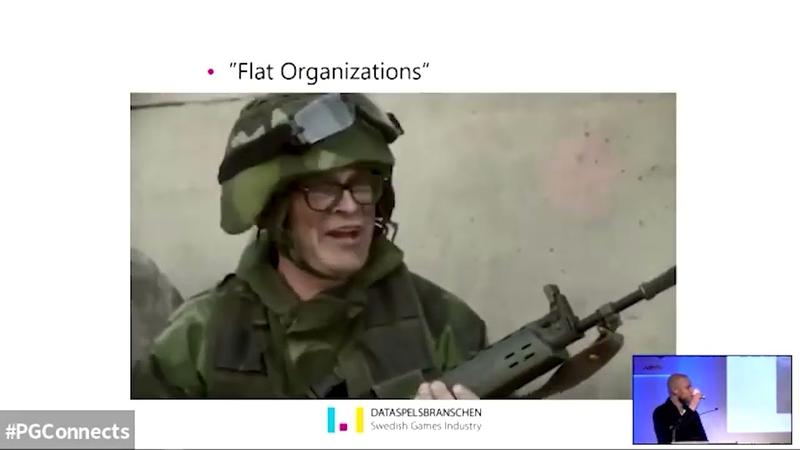
- The Nordic 'born global' mindset is reinforced by a lack of television dubbing, which facilitates early English proficiency and an immediate international market orientation.
Swedish Games Industry 2021
The Swedish games industry experienced a transformative period of growth in 2020, reaching a record revenue of EUR 3.3 billion.
- The Swedish games industry reached a record revenue of EUR 3.3 billion in 2020, marking a 43% growth rate and the sector's twelfth consecutive year of profitability.
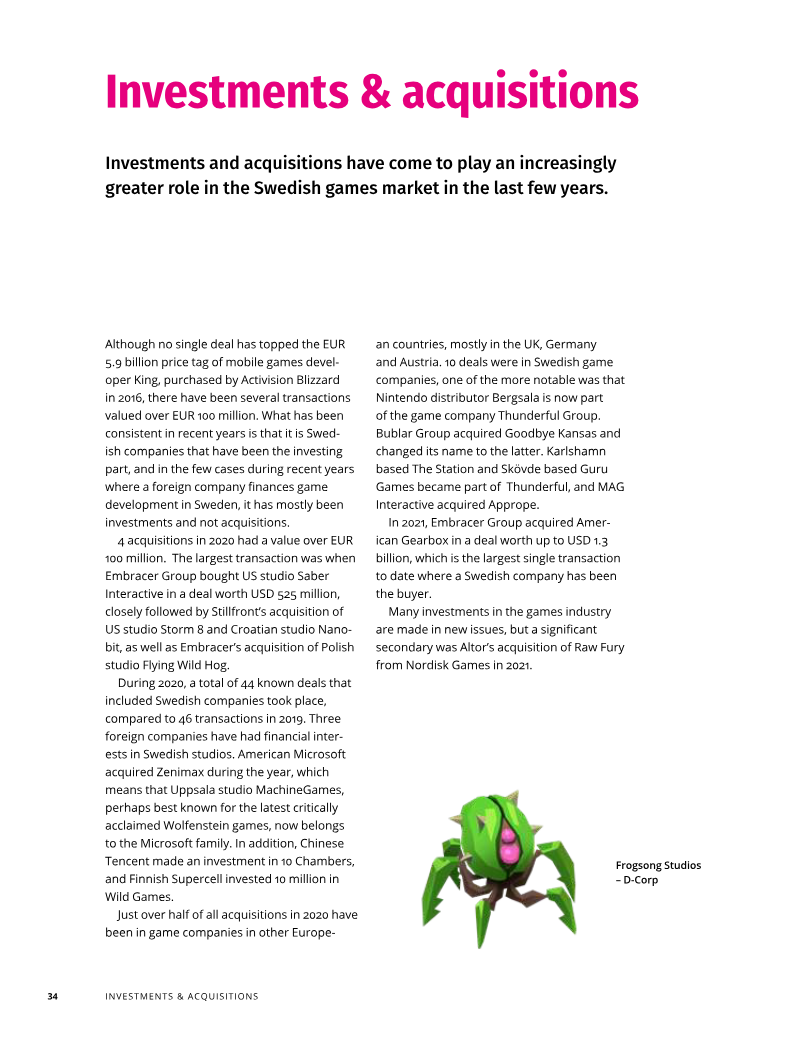
- Sweden has shifted from an acquisition target to a global investor, with 19 listed entities commanding a combined market capitalization of EUR 10.7 billion and Swedish-owned firms operating 126 international studios.
- A severe talent shortage and restrictive work permit processes are critical bottlenecks, despite domestic employment rising to over 6,500 positions.

Simplifying Efficient Workflows with Daniel Bystedt | Game Dev Unchained Episode 271
The contemporary game development landscape is undergoing a fundamental shift toward streamlined, unified workflows that prioritize efficiency over the traditional, fragmented pipeline of specialized software.
- Game development is shifting away from fragmented pipelines toward unified workflows in tools like Blender and Houdini to prioritize proceduralism, instancing, and real-time rendering.
- Professional roles are increasingly prioritizing technical literacy and procedural automation over the manual creation of individual, high-fidelity assets.
- Technological advancements like photogrammetry and MetaHuman have reduced the need for manual sculpting, favoring efficient kit-bashing and asset reuse strategies.
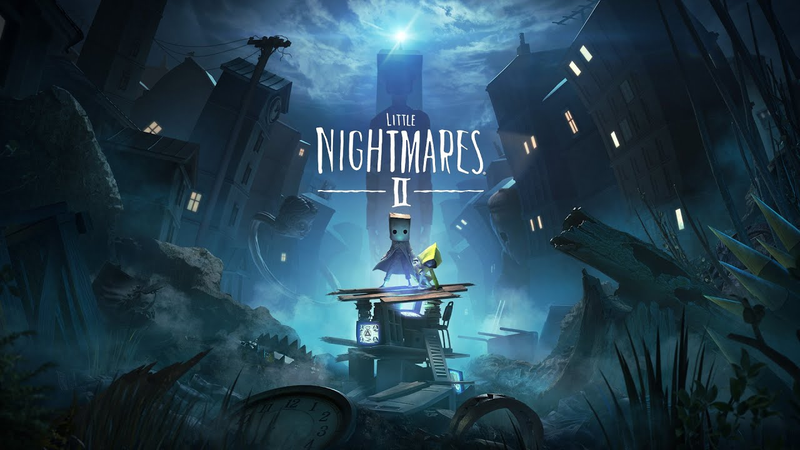
Getting Creative after World Changing Events with Dave Mervik | Game Dev Unchained Episode 255
The game development industry has undergone a fundamental transformation in response to the COVID-19 pandemic, shifting from traditional, office-centric models toward a flexible, output-based culture.
- The game development industry has transitioned from office-centric models to a flexible, output-based culture that prioritizes developer well-being and global talent acquisition over rigid nine-to-five schedules.
- Remote work has introduced the risk of 'self-crunching,' where the lack of physical separation between home and office leads to burnout and a narrowing of the personal experiences that fuel creative inspiration.
- Global crises, including the pandemic and social unrest, have shifted the industry's creative focus toward themes of social fragility, systemic failure, and the complexities of human experience under pressure.