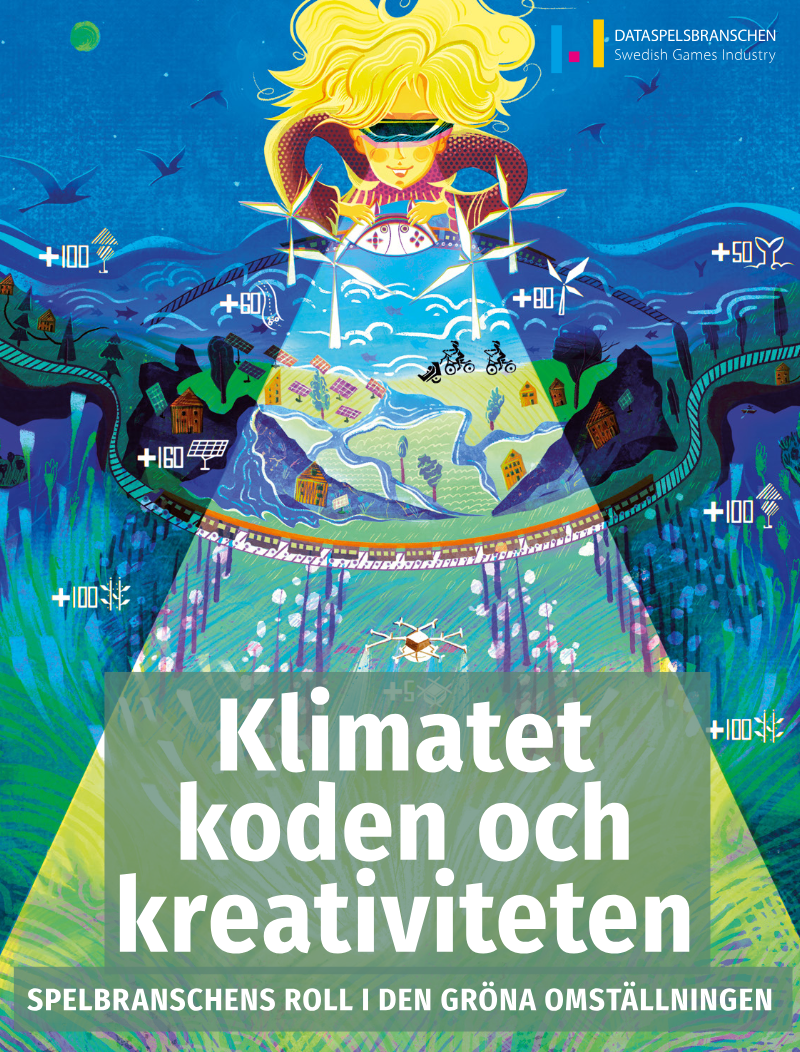
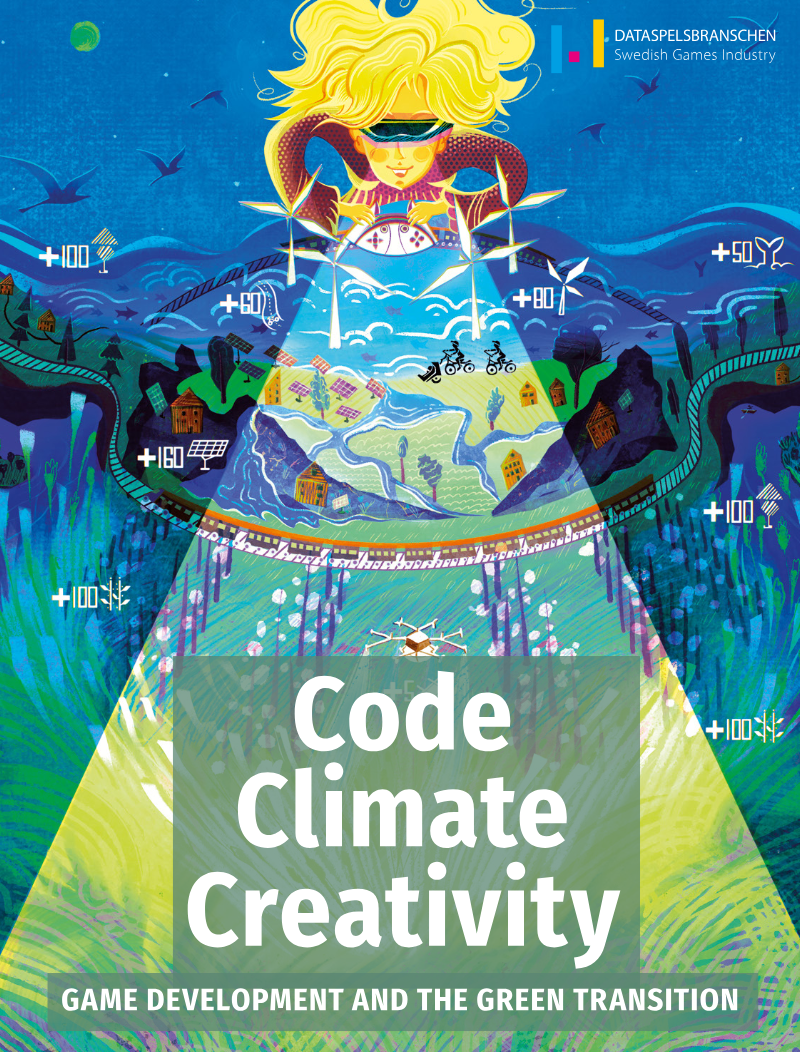
Sweden’s gaming sector is positioned as a low‑impact yet high‑potential catalyst for the nation’s green transition. Compared with other Swedish industries and the global gaming market, the sector’s carbon emissions are modest, with the majority of resource use occurring during gameplay—a phase that remains difficult to quantify. By leveraging built‑in eco‑modes, energy consumption can fall by 20‑50 % per player, yet adoption is currently around two percent; making such modes the default could raise the estimated global saving to three percent.
The report highlights how core gaming technologies—game engines, GPUs, extended reality and artificial intelligence—are already being transferred to sectors such as infrastructure, mining and climate modelling, delivering measurable efficiency gains and emission reductions. Immersive tools like AR/VR, digital twins and AI are deployed in public‑sector pilots, including Sweco’s metaverse dialogue platform, Nacka’s “Greenovation Twin” and Vasakronan’s Twinfinity, to visualise climate impacts, streamline urban planning and cut travel‑related emissions. Hackathons and serious‑game prototypes further accelerate climate‑focused solutions, while gamified training and board‑game initiatives foster behavioural change and generate transport‑usage data.
Design guidance stresses that games must promote collective action and embed climate objectives into social norms, rather than focusing solely on individual behaviour. Educational programmes and events such as the 2023 Green Game Jam, which linked gameplay to snow‑leopard conservation and generated donation‑linked purchases, demonstrate the sector’s capacity to mobilise large audiences—evidenced by the UN‑backed “Peoples’ Climate Vote” reaching thirty million mobile users.
Collaboration across more than fifty studios
Dataspelsbranschen · 2026
Dataspelsbranschen · 2026
Dataspelsbranschen · 2026
Dataspelsbranschen · 2025
Dataspelsbranschen · 2025
Dataspelsbranschen · 2025
Dataspelsbranschen · 2025
Dataspelsbranschen · 2024
Dataspelsbranschen · 2024
Dataspelsbranschen · 2024
Swedish Games Industry · 2024
Dataspelsbranschen · 2024
Modern Times Group · 2026
Modern Times Group · 2026
Stillfront · 2025
Modern Times Group · 2025
Modern Times Group · 2025
Modern Times Group · 2025

Thunderful · 2025
Starbreeze · 2025
Spelplan-ASGD · 2025
Kreativ Sektor · 2025
Paradox Interactive · 2025
Paradox Interactive · 2024